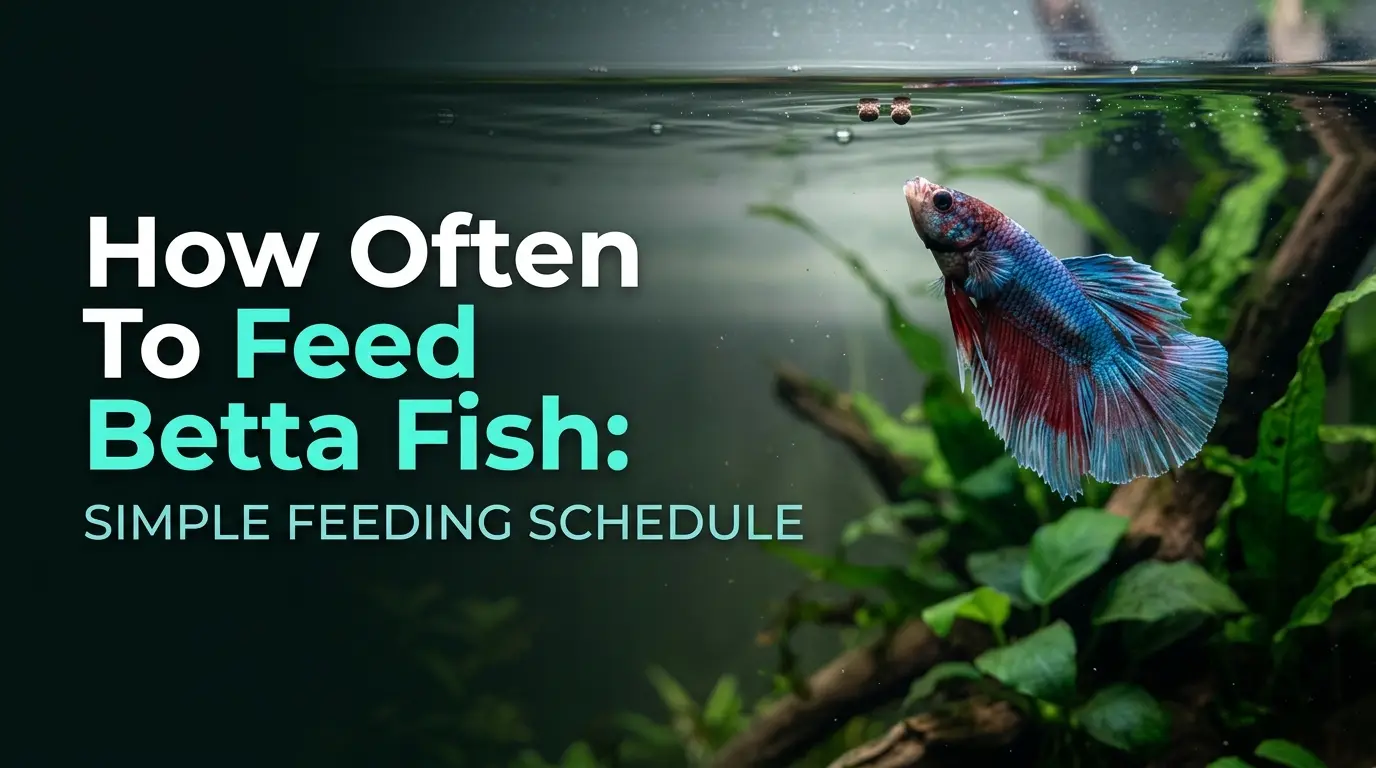
Feed adult betta fish small meals twice daily, with one weekly fast.
If you’ve ever wondered how often to feed betta fish, you’re in the right place. I keep and help care for bettas in a range of home tanks, and I know the small details that keep them bright, active, and healthy. In this guide, I’ll share clear steps, real-world tips, and the science behind their needs. You’ll learn how often to feed betta fish at each life stage, what to feed, and how to fix common feeding mistakes so your betta thrives.
Why Feeding Frequency Matters for Bettas

Bettas are tropical fish with fast guts at warm temps. In a stable tank, they burn food fast but do not need a lot. Their stomach is about the size of their eye. Small meals beat big meals.
Many new keepers ask how often to feed betta fish because bettas beg. Begging is not a guide. Body shape, waste, and energy tell the truth. Good feeding routines support color, fins, and a strong immune system.
A steady plan also keeps the water clean. Extra food breaks down, makes ammonia, and hurts gills. A small meal plan is kind to your fish and your filter.
How often to feed betta fish: ideal frequency by age
Here is a simple view of how often to feed betta fish based on age and health. Use it as a base and tweak with tank temp and your fish’s body shape.
- Adults, 6 months to 3 years: Feed twice per day, 2 to 4 small pellets each meal. Add one fast day each week.
- Juveniles, 2 to 6 months: Feed three small meals per day. No fast day if they are still growing well.
- Seniors, 3 years and up: Feed once to twice per day, small meals. Keep food easy to digest.
- Sick or healing fish: Start with one light meal per day. Watch for stress. Ease back to normal as they perk up.
- Breeding pairs: Raise to two to three small meals with high-protein foods. Keep water extra clean.
When folks ask how often to feed betta fish in nano tanks, the rule stays the same. Small meals matter more than tank size. Think routine, not volume.
What and how much to feed
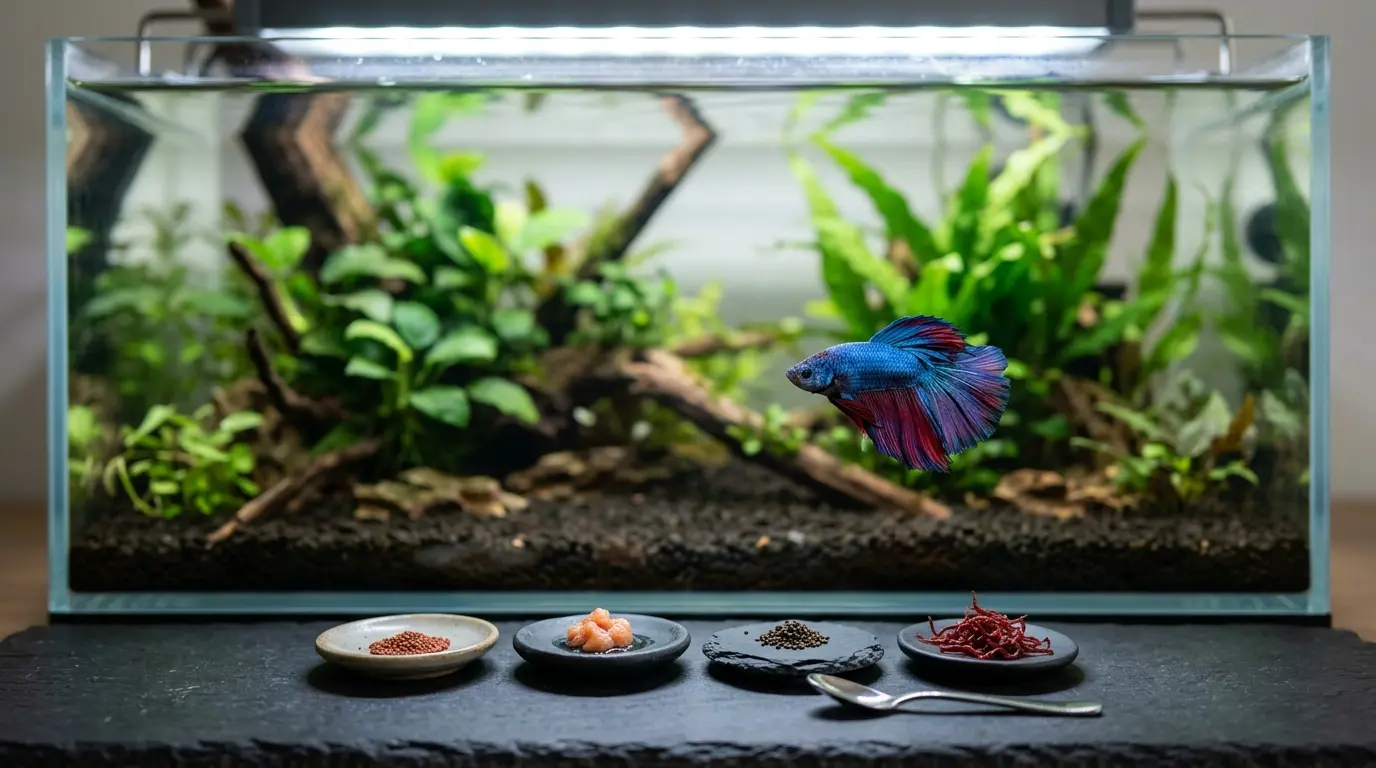
Bettas are carnivores. They thrive on high-protein foods made for bettas. The best base is a quality betta pellet. Aim for 35 to 45 percent protein and low filler.
Great options
- Betta micro pellets as the daily base. Size should fit the mouth.
- Frozen foods like daphnia, bloodworms, and brine shrimp, 2 to 3 times per week.
- Live foods for enrichment, once per week, from safe sources only.
- High-grade flakes can work, but they often cloud the water. Pellets are cleaner.
Portion size
- The stomach is eye-sized. A normal meal is 2 to 4 pellets.
- For frozen foods, feed a small pinch equal to one pea in size.
- If you see food sit for more than 2 minutes, that was too much.
A weekly fast day helps the gut clear. Many keepers who ask how often to feed betta fish skip this step. It pays off. Your fish will be fine and your water will thank you.
Daily and weekly schedules you can use
Use a plan you can stick to. Consistency is the secret.
Standard plan
- Morning: 2 to 3 pellets.
- Evening: 2 pellets or a small pinch of frozen food.
- One day per week: No food. Watch, enjoy, and check behavior.
Busy-life plan
- Morning only: 3 to 4 pellets, same time each day.
- Midweek: Swap one pellet meal with a small frozen food treat.
- One day per week: No food.
Travel tip
- Gone for a weekend? A healthy adult betta can skip 2 to 3 days. Do not use auto feeders that drop too much. If you ask how often to feed betta fish while away, the safe answer is: less is safer than more.
Adjust for tank conditions and seasons
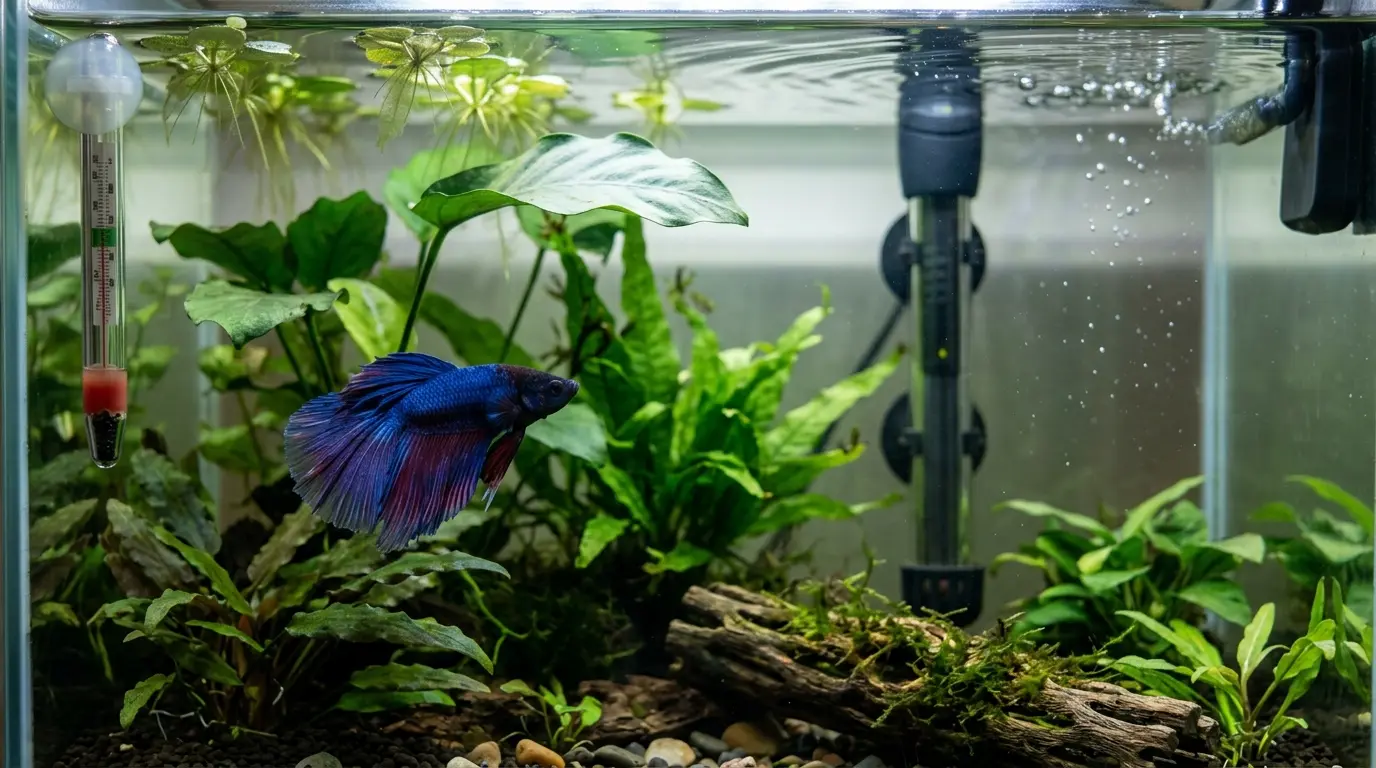
Water temp drives the betta’s appetite. Warmer water speeds the gut. Cooler water slows it down.
- 78 to 80°F: This is the sweet spot. Use the base plans above.
- 75 to 77°F: Cut each meal a bit or keep meals the same but drop treats.
- Under 75°F: Warm the tank with a heater. Until then, feed smaller meals and watch waste.
Other factors
- Strong filter flow can stress a betta. Stress lowers appetite. Baffle the flow and feed less until calm.
- Live plants help water quality. That does not change how often to feed betta fish, but plants let you be less worried about a tiny extra bite.
- After meds or a water change, start with a light meal. Let them settle before rich foods.
Signs of overfeeding and underfeeding
Overfeeding looks like this
- A round, pinecone-like belly or bloating.
- Food on the floor or stuck in plants.
- Cloudy water and a jump in ammonia or nitrite.
Underfeeding looks like this
- A thin body near the head.
- Lethargy and slow fin flicks.
- Dull color over time.
Fixes
- If you overfed, skip the next meal and do a small water change.
- If underfed, add one tiny meal per day for a week. Watch the belly and energy.
These checks help you learn how often to feed betta fish with your specific setup.
Common mistakes and how to fix them

- Letting your betta beg-train you. Stick to the plan. Use a timer or phone alarm.
- Feeding big meals once a day. Split into two or three small meals.
- Too many treats. Keep rich foods to a few times per week.
- Not matching pellet size. Use small pellets for small mouths.
- Skipping a heater. Cool tanks slow the gut and can cause bloat. Use a reliable heater.
- Ignoring water tests. More food means more waste. Test weekly for ammonia, nitrite, and nitrate.
- Soaking pellets too long. A quick dip is fine if needed, but long soaks can wash out nutrients.
When you ask how often to feed betta fish, think routine, water, and body shape. All three must agree.
Real-world tips from my betta tanks
I learned the hard way that more food is not more love. My first male, a vivid blue halfmoon, loved to beg. I fed by eye, and the tank crashed with cloudy water. He bloated. A fast day and smaller meals saved him.
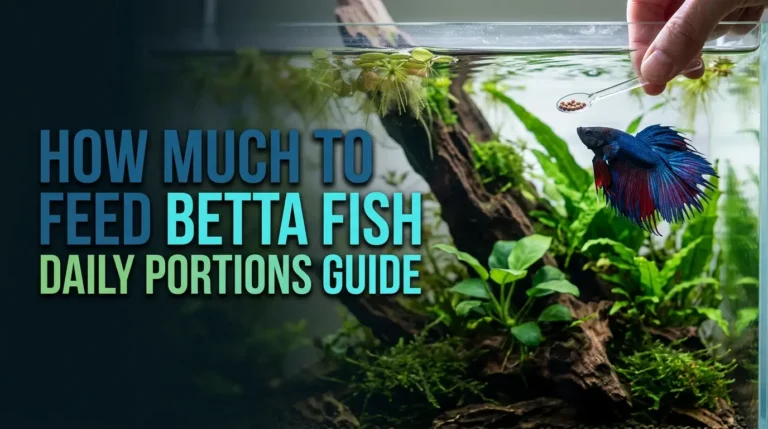
Now I use a tiny spoon for pellets. I place two pellets at a time and watch him eat. If he looks for more and swims strong, I add one more. If not, I stop. This simple rule has helped me guide many new keepers who ask how often to feed betta fish in small desk tanks.
I also rotate foods. Pellets most days, then a frozen treat midweek. It keeps the gut happy and the fish engaged. And I never miss the weekly fast. It works.
Frequently Asked Questions of how often to feed betta fish
How many pellets should I feed my betta?
Give 2 to 4 small pellets per meal, twice per day. Adjust based on belly size, waste, and energy.
Is a weekly fast safe for bettas?
Yes, a healthy adult can fast one day per week. It helps clear the gut and reduces bloating risk.
Can I feed my betta once a day?
You can, but split meals are better. Two small meals are easier to digest and reduce waste.
What if my betta won’t eat pellets?
Try a smaller pellet, or offer a tiny bit of frozen brine shrimp. Feed at the same time daily and avoid overfeeding treats.
Do water temperature and feeding relate?
Yes. Warmer water speeds digestion; cooler water slows it. Adjust portion size and how often to feed betta fish when temps change.
Are flakes okay for bettas?
High-quality flakes can work, but pellets are cleaner and easier to portion. If you use flakes, feed very small pinches.
How often to feed betta fish fry?
Fry need tiny live foods several times per day. Keep meals small and water extra clean.
Conclusion
A healthy betta needs small, steady meals, not big feasts. Use two meals per day for adults, a weekly fast, and watch the belly, color, and energy. Match food type and size to the fish, and adjust for water temp.
Start your plan today. Set a simple schedule, prep small portions, and keep notes for a week. If you found this guide on how often to feed betta fish helpful, share it, subscribe for more tank tips, or drop your questions in the comments.