
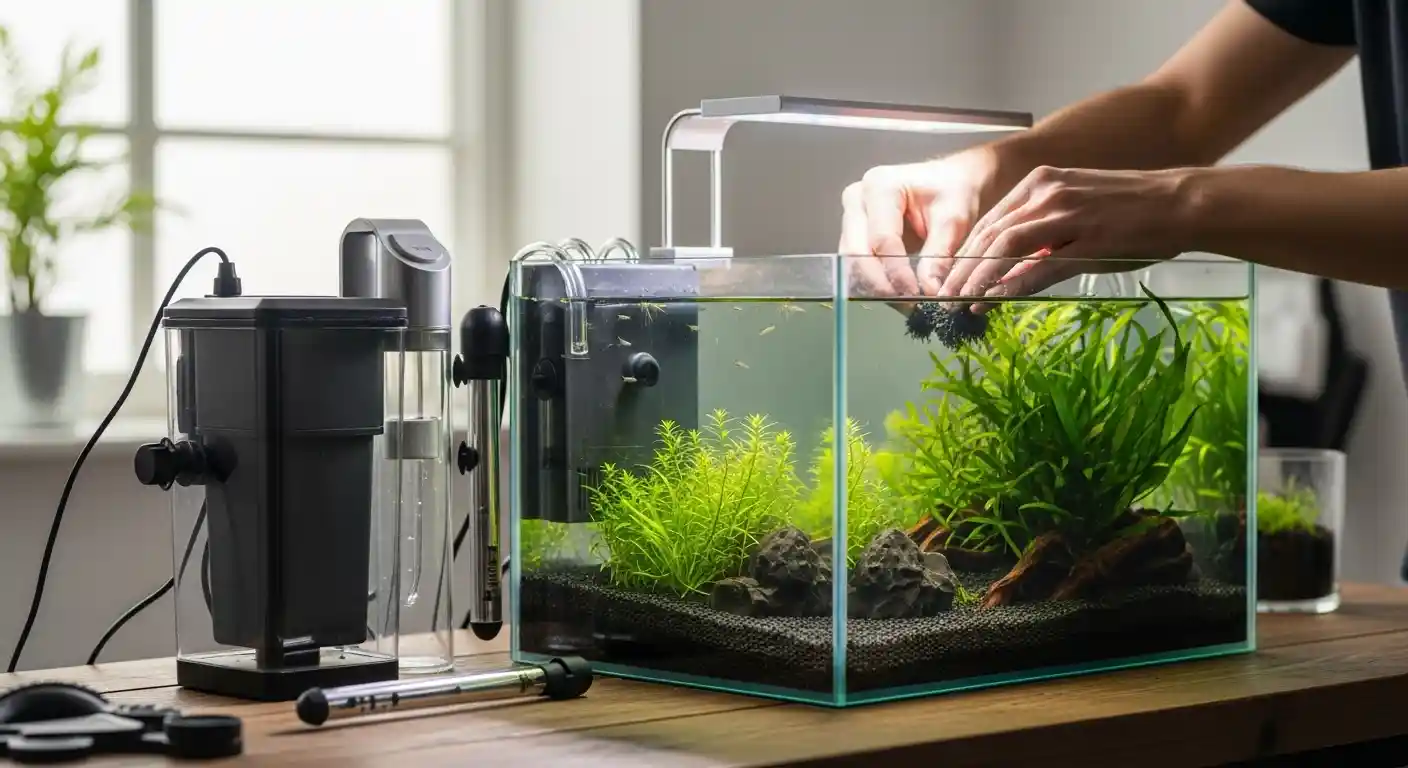
How To Start A Freshwater Aquarium: 2026 Beginner’s Guide
Pick a suitable tank, cycle it, and add hardy fish slowly.
If you want to know how to start a freshwater aquarium and actually keep fish alive, you’re in the right place. I’ve set up dozens of beginner tanks for friends and clients, and I’ll walk you through each step with clear tips, real mistakes to avoid, and simple routines that work. Read on to build a stable, beautiful tank that you’ll be proud to show off.
Set your vision and plan your budget
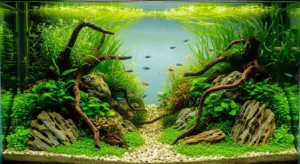
Before you buy gear, define what you want. This step shapes every choice that follows. It also prevents the classic beginner trap: random gear and fish that do not match.
Ask yourself:
- What fish do I love? Community fish, a single betta, or a planted nano tank?
- How much space do I have for a tank and stand?
- What is my budget for setup and monthly care?
Helpful notes from the field:
- A 20-gallon tank is the sweet spot for most beginners. More water means more stability. It also makes how to start a freshwater aquarium much easier.
- Avoid impulse buys. Fish should match your local tap water, your tank size, and your time.
Budget ranges I see often:
- Basic 10–20 gallon starter: tank, lid, light, filter, heater, substrate, test kit, water conditioner, net, and siphon.
- Add-ons that are worth it: timer for lights, extra filter media, live plants, and a quarantine tub.
Common pitfall to avoid:
- Starting too small. Tiny tanks swing fast. That leads to stress and fish loss.
Pick the right tank and gear
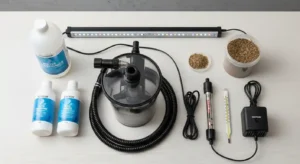
Choosing gear is a big step in how to start a freshwater aquarium. Buy once, and it will last for years.
Tank and stand:
- Go for glass or acrylic with a flat, level stand. Keep away from windows, heaters, and vents.
- A tight lid prevents jumps and slows evaporation.
Filtration:
- Hang-on-back filters are easy and great for starters.
- Sponge filters are cheap, safe for shrimp, and loved by bettas.
- Canisters shine on larger tanks for quiet, deep cleaning.
Heater and thermometer:
- Most tropical fish like 74–78°F. Use an adjustable heater and a stick-on or digital thermometer.
Lighting:
- LED lights run cool and grow easy plants. Use a timer for 6–8 hours per day at first.
Substrate and hardscape:
- Inert gravel or sand is fine. Plant substrates help growth but are optional.
- Add rocks and driftwood for shelter and style. Rinse all decor first.
Water tools:
- Use water conditioner to remove chlorine and chloramine from tap water.
- Buy a liquid test kit for ammonia, nitrite, nitrate, and pH.
- Get a siphon for water changes and a bucket used only for the aquarium.
Personal tip:
- My clients who invested in a quiet, oversized filter and a good test kit had fewer problems. The extra cost saved fish and stress later.
Set up your tank step-by-step
Here is a simple setup plan that works. Follow these steps, and you’ll avoid most day-one issues.
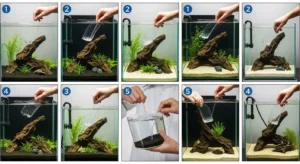
- Place and prep
- Set the tank on a level stand. Add a background if you like. Keep it away from sun.
- Rinse and layout
- Rinse substrate until water runs clear. Do not use soap. Add 1–2 inches to the tank.
- Arrange rocks and wood. Create caves and open swim space.
- Install equipment
- Mount the filter and heater. Do not plug them in yet. Add a thermometer.
- Fill with treated water
- Add a plate on the substrate to stop clouds. Pour dechlorinated water over it.
- Fill to the rim line. Check for leaks.
- Start and check
- Plug in the filter and heater. Prime the filter if needed. Set heater to 76°F.
- Wait 24 hours. Make sure gear runs quiet and stable.
- Planting (optional but helpful)
- Plant easy species like Java fern, Anubias, or hornwort.
- Keep lights on 6–8 hours daily at first.
Practical note:
- This is a key moment in how to start a freshwater aquarium. Patience here pays off later.
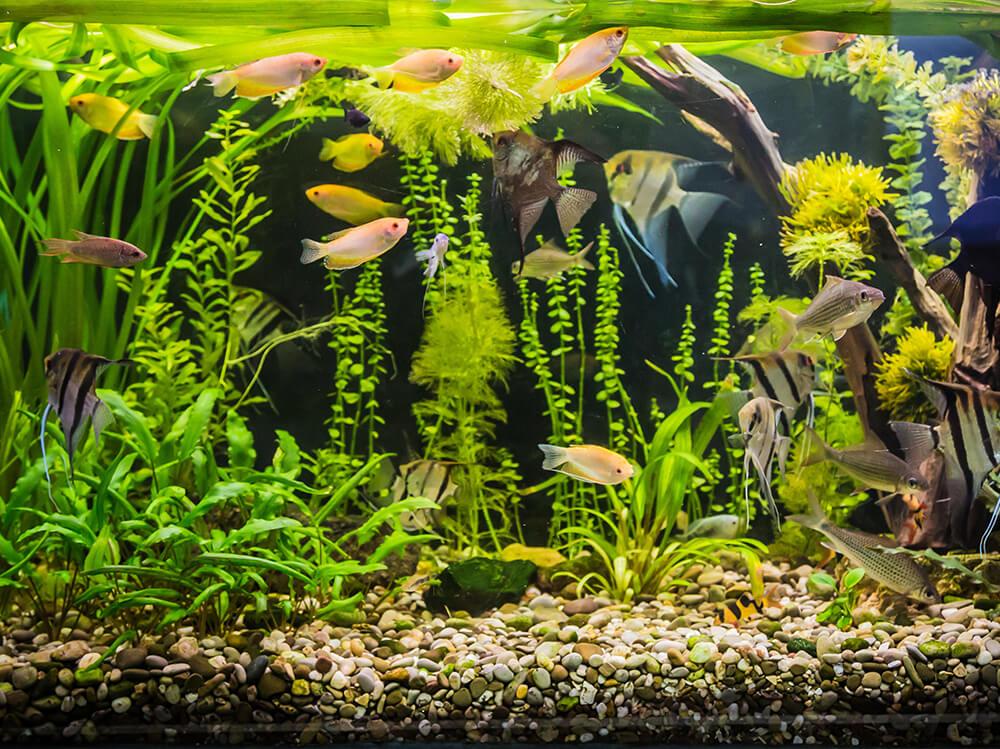
Source: swelluk.com
Cycle the aquarium and test water
The nitrogen cycle is the heart of how to start a freshwater aquarium. It grows bacteria that turn toxic ammonia into safer nitrate.
What happens in the cycle:
- Ammonia from fish waste and food appears first.
- Bacteria convert ammonia to nitrite, which is also toxic.
- More bacteria convert nitrite to nitrate, which is safer and removed by water changes and plants.
How to do a fishless cycle:
- Add bottled ammonia to reach about 2 ppm, or drop in a pinch of fish food daily.
- Test ammonia, nitrite, and nitrate every 2–3 days.
- Keep the filter running and the heater at 76°F to speed growth.
- When ammonia and nitrite both hit zero within 24 hours of dosing, you are cycled. You should see some nitrate.
- Expect 2–6 weeks. Seeding with used filter media from a healthy tank can cut that time.
Safety facts:
- Chlorine and chloramine kill your cycle. Always use water conditioner.
- Do not scrub or replace filter media during cycling. Rinse gently in tank water only if flow drops.
Common first-timer PAA-style questions
How long does cycling take?
Most tanks cycle in 2–6 weeks. Warmer water, steady food for bacteria, and seeded media can speed it up.
Can I add fish while cycling?
Avoid it if you can. Fishless cycling is kinder and safer. If you must, add one or two very hardy fish and test daily.
What numbers mean “safe to add fish”?
Ammonia 0 ppm, nitrite 0 ppm, nitrate under 20–40 ppm. Test two days in a row to confirm stability.

Choose beginner-friendly fish and smart stocking
Stocking is where many people struggle with how to start a freshwater aquarium. Keep it simple, go slow, and match fish to your water.
Great beginner choices:
- Livebearers: guppies, platies. Hardy and colorful. Do best in harder, alkaline water.
- Schoolers: zebra danios, white cloud mountain minnows, neon or ember tetras.
- Bottom dwellers: corydoras, kuhli loaches. Always keep in groups.
- Centerpiece: honey gourami. Peaceful and bright.
- Solo star: betta in a dedicated tank with a gentle filter.
Avoid early on:
- Goldfish in small tanks with tropical fish. They need cooler water and lots of filtration.
- Large or aggressive species like oscars or red-tailed sharks.
Simple stocking plans for a 20-gallon:
- Community: 10 neon tetras, 6 panda corydoras, 1 honey gourami.
- Livebearer focus: 6 platies, 8 ember tetras, 6 amano shrimp.
- Calm nano: 12 ember tetras, 8 kuhli loaches, lots of plants.
- Betta build: 1 betta, 8 pygmy corydoras, 10 cherry shrimp (may become snacks).
Rules of thumb:
- Think adult size and waste, not inches-per-gallon.
- Keep schooling fish in groups of at least 6.
- Add fish over weeks, not all at once.
Acclimate and add fish safely
Proper acclimation is key in how to start a freshwater aquarium without loss. Minimize shock and keep lights low.
Best practice:
- Quarantine new fish for 2–4 weeks in a small heated tub if you can. This prevents disease spread.
- Turn off tank lights. Float the bag for 15–20 minutes to match temperature.
- Open the bag and add a small cup of tank water every 5 minutes for 20–30 minutes.
- Net the fish into the tank. Do not pour store water into your tank.
- Watch closely for 30 minutes. Feed a tiny meal the next day, not right away.
Personal tip:
- I add fish in batches one week apart. I test water before and two days after each batch. This keeps the biofilter in step with the new load.
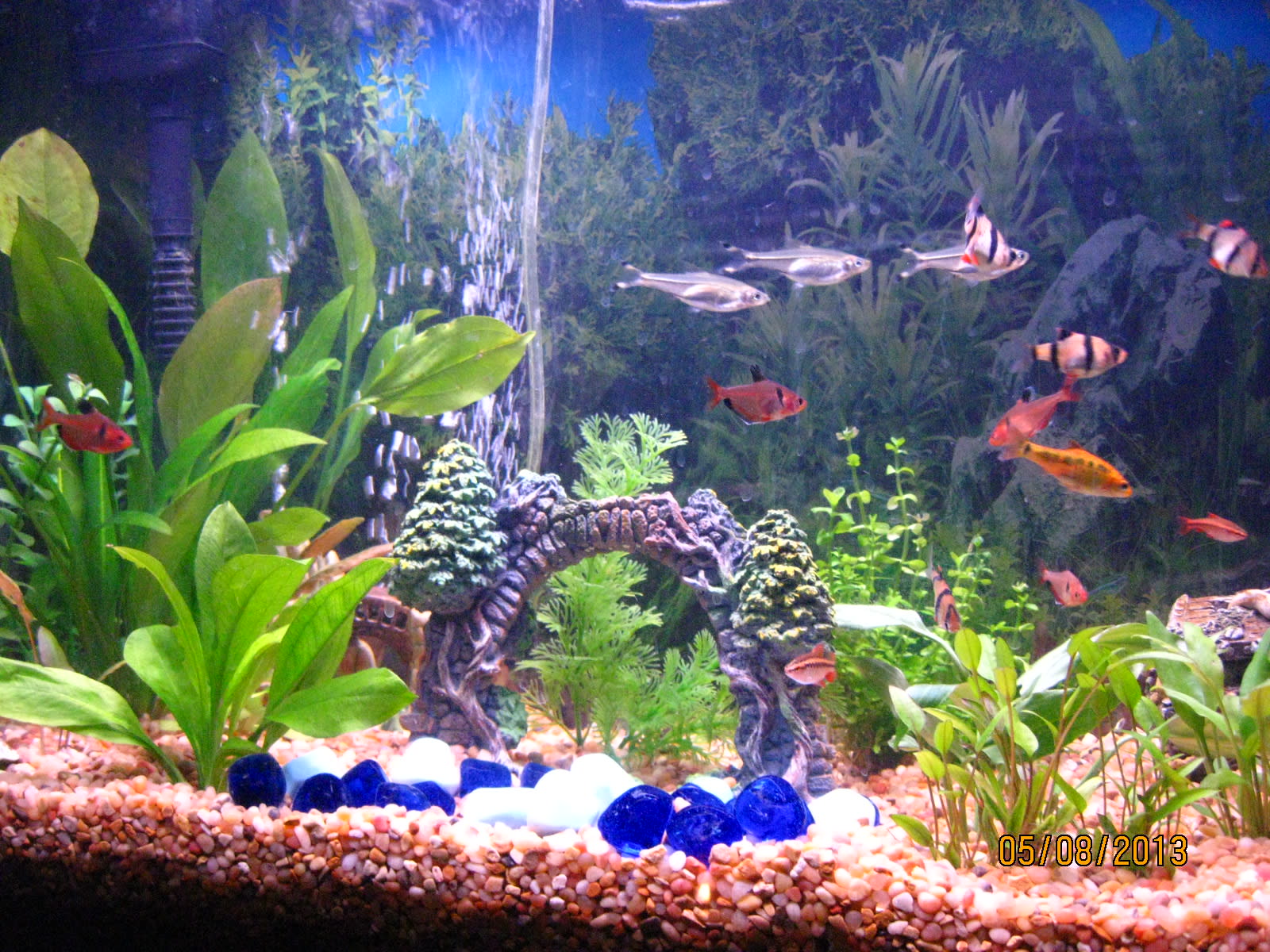
Source: pethelpful.com
Routine care, feeding, and maintenance
A simple routine is your secret weapon. It makes how to start a freshwater aquarium sustainable and fun.
Weekly tasks:
- Test ammonia, nitrite, nitrate, and pH.
- Change 25–40% of the water with dechlorinated tap water.
- Vacuum light debris without over-cleaning. Leave healthy biofilm alone.
- Swish filter media in a bucket of removed tank water if flow slows.
Daily tasks:
- Feed once or twice. Offer only what fish eat in 30–60 seconds.
- Do a quick headcount and look for odd behavior or clamped fins.
Plant care:
- Trim overgrowth. Dose all-in-one fertilizer if using easy plants.
- Keep lights on a timer to control algae.
Travel tip:
- For trips under a week, most fish are fine without feeding. For longer trips, use a simple auto-feeder and test gear a week before leaving.
Troubleshooting and common mistakes
Many issues in how to start a freshwater aquarium come from the same few mistakes. Fix the cause, not only the symptom.
Mistakes to avoid:
- Adding fish before the cycle is done.
- Overfeeding and skipping tests.
- Rinsing filter media under tap water.
- Skipping water conditioner.
- Cleaning everything at once and crashing the biofilter.
Quick fixes for common problems:
- Cloudy water: normal in new tanks. Reduce feeding, add bacteria starter, wait a week.
- Algae bloom: cut light hours, add fast plants, lower feeding, keep nitrates under 20–30 ppm.
- Ich (white spots): raise temp to 80–82°F if fish allow and treat with a proven med. Keep meds away from invertebrates unless labeled safe.
- Fin rot: improve water, reduce stress, and treat as needed.
Emergency plan:
- If fish gasp at the surface, add an air stone, test ammonia, and change 50% of the water with conditioner. Retest after one hour.
Frequently Asked Questions
How much does it cost to start a freshwater aquarium?
A basic 20-gallon setup runs from $150 to $300, depending on brands and plants. Ongoing costs are food, water conditioner, and test kit refills.
What size tank is best for beginners?
A 20-gallon is ideal. It is large enough to be stable and small enough to place in most homes.
Do I need a heater for all freshwater fish?
Most tropical fish need 74–78°F. Cool-water fish like white cloud mountain minnows can skip a heater if your room stays stable.
How often should I change water?
Do 25–40% each week for most setups. If your nitrate climbs fast, add an extra midweek change.
Can I keep a betta with other fish?
Yes, but choose calm tank mates and a gentle filter. Avoid fin nippers and bright male guppies that can trigger aggression.
How do I clean the filter without harming bacteria?
Rinse media in a bucket of removed tank water. Never use hot or chlorinated tap water.
Are live plants required?
No, but they help with water quality, reduce algae, and make fish feel secure. Start with easy plants like Java fern.
Conclusion
You now know how to start a freshwater aquarium from the ground up: plan your vision, pick the right tank and gear, set it up with care, cycle fully, stock slowly, and keep a simple weekly routine. With patience and small checks, your tank will stay clear, calm, and full of life.
Take the first step today. Make a shortlist of fish you love, match them to a 20-gallon plan, and start cycling. Want more help? Subscribe for new guides, ask a question in the comments, or share your first tank plan for feedback.