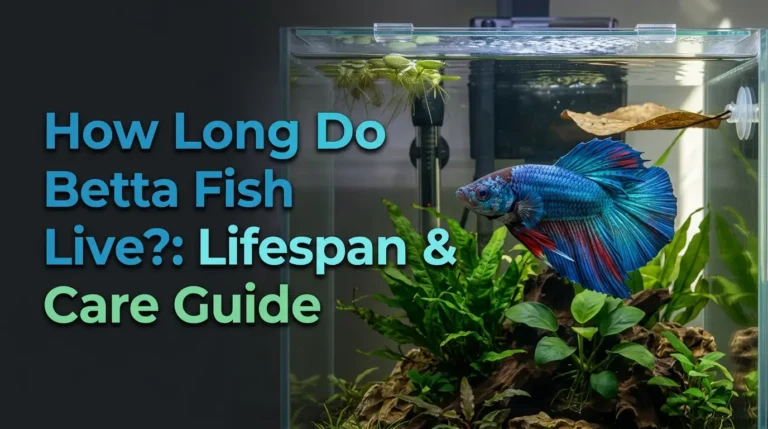
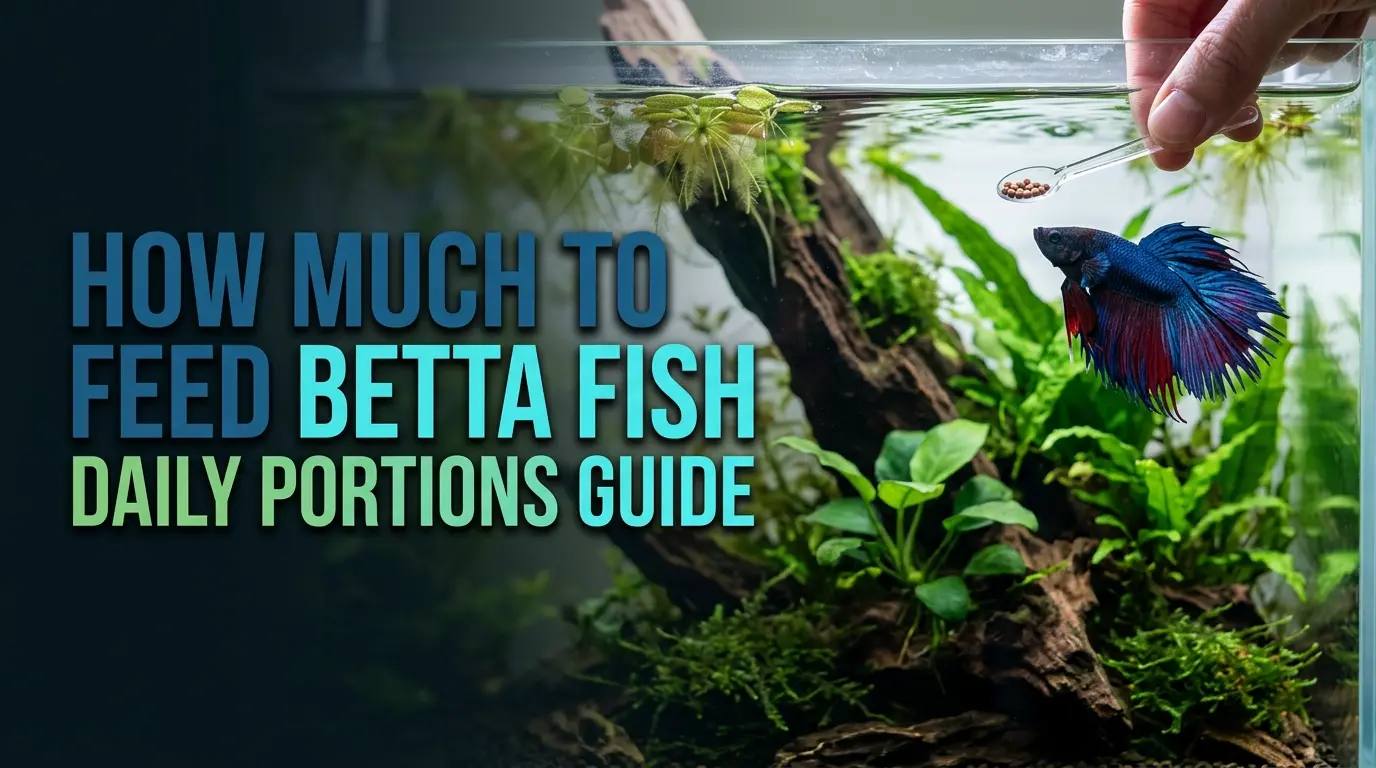
Feed betta fish 2–4 pellets twice daily, sized to its eye.
If you want clear, expert advice on how much to feed betta fish, you’re in the right place. I’ve kept and rehabbed bettas for years, and I’ll show you simple rules that work. We’ll cover portions, food types, schedules, and real signs your fish is full or hungry. Stay with me to avoid bloat, waste, and stress, and to keep your betta bright, active, and healthy.
How much to feed betta fish: the simple rule
Your betta’s stomach is about the size of its eye. That is your portion guide. Feed 2–4 small betta pellets per meal, twice a day. If pellets are large, feed fewer.
This is the best starting point for how much to feed betta fish. It works with most premium betta pellets. For flakes, feed a pinch that he can finish in 60 seconds. For frozen food, offer a pea-sized amount per meal.
I also plan a light fast once per week. This helps digestion. It keeps waste down and the filter cleaner. It is a small step with big gains.
If you still wonder how much to feed betta fish, remember this: no leftovers after two minutes. If food sits, you fed too much. Siphon it out right away.
Betta stomach and metabolism 101
Bettas are tropical fish. Warm water speeds their metabolism. Cold water slows it. They eat more at 78–80°F. They eat less near 74°F.
Their gut is short. They need high protein and easy-to-digest food. Too much dry food swells in the belly and can cause bloat. Slow, steady meals beat one big dump of food.
This biology explains how much to feed betta fish in a safe way. Smaller, more controlled meals match their stomach size and energy needs.
Food types and exact portions

Not all foods are equal. Here is how much to feed betta fish by food type.
- Betta pellets: 2–4 small pellets per meal. Check label size. If pellets are 1 mm, use 3–4. If 2 mm, use 1–2.
- Betta flakes: A tiny pinch per meal. Only what he eats in 60 seconds.
- Frozen daphnia, brine shrimp, bloodworms: Pea-sized amount per meal. Thaw and rinse first.
- Freeze-dried foods: 1–2 small pieces per meal, no more than a few times per week. Pre-soak to reduce bloat risk.
- Live foods: A short burst he can finish in one minute. Remove strays.
Choose a pellet with at least 40% protein. Avoid fillers like too much wheat. Protein from fish or shrimp is best. This supports color, fin growth, and energy.
From my tanks, switching to quality pellets cut waste by half. It also made how much to feed betta fish much easier to judge.
Feeding schedule by life stage, health, and season
How much to feed betta fish changes with age and health. Use this simple plan.
- Juveniles: Two to three small meals a day. Tiny portions.
- Adults: Two small meals a day. Optional light fast once per week.
- Seniors: Two small meals a day. Smaller pellets. Soak if needed.
- Sick or healing: One to two tiny meals. Favor easy foods like thawed daphnia.
- Cooler months: slightly less food. Warmer months: Normal portions.
Watch your fish. If the belly bulges or he spits food, it is too much. If he hunts the glass and looks thin, add one pellet or a tiny noon snack.
Signs of overfeeding and underfeeding

Overfeeding shows fast. Look for these signs.
- Fat belly, pinecone scales, or stringy poop.
- Lethargy, hanging near the bottom.
- Cloudy water, oily film, or ammonia spikes.
Underfeeding looks different.
- Hollow belly, thin face, or fading color.
- Pacing the glass, frantic at feeding time.
- Slow fin growth or dull fins.
These cues help you adjust how much to feed betta fish without guesswork.
Easy ways to measure portions
You do not need a scale. Use these tools to keep how much to feed betta fish consistent.
- The eye test: Your betta’s eye equals one meal size.
- The 60-second rule: All food gone in a minute, no leftovers.
- The cup method: Thaw frozen food in a small cup. Feed a pea-sized scoop.
- The pellet count: Start at two pellets. Bump to three if he stays lean and active.
I keep a tiny spoon by each tank. It removes the urge to “add a bit more.” That one habit fixed most bloat cases I saw.
Special cases: fasting, treats, and live food
A light fast helps digestion. Skip food one day per week for healthy adults. Do not fast juveniles.
Treats are fine but small.
- Use daphnia as a “gut reset.”
- Bloodworms are rich. Offer them once or twice a week.
- Live food triggers hunting. Use clean sources only.
All treats still count toward how much to feed betta fish. If you add a treat, trim the pellet count that day.
Tank factors that change feeding needs
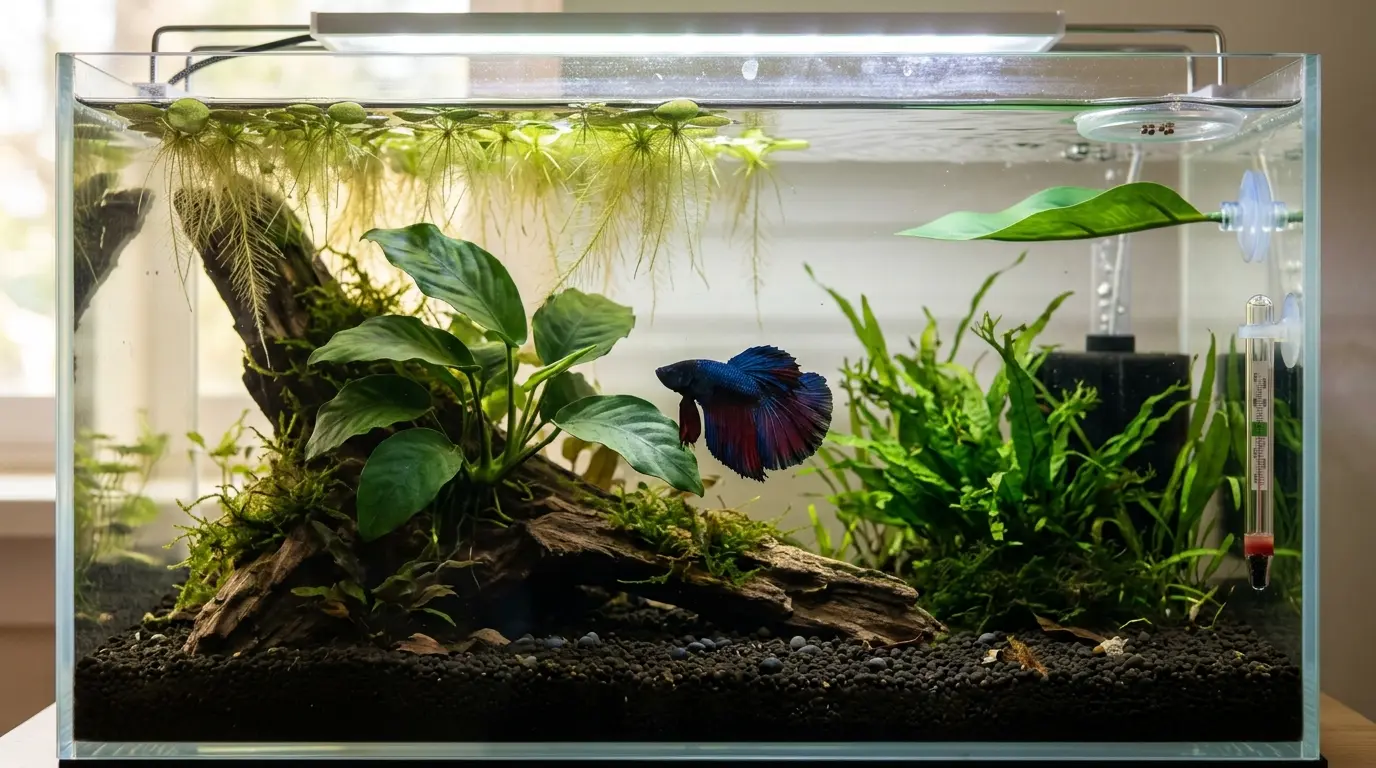
Your setup changes appetite. Tune how much to feed betta fish to your tank.
- Temperature: Warmer water raises hunger. Cooler water lowers it.
- Filtration and flow: Strong flow makes bettas work harder. Feed a touch more if he swims a lot.
- Tank mates: Avoid food thieves. Feed the betta first, near his leaf or cave.
- Lighting: Regular light cycles keep appetite steady.
- Water quality: More food means more waste. Test ammonia and nitrite. Keep nitrates low with weekly changes.
I learned to pre-soak pellets in a feeding ring. My bettas ate in one spot. No food sank into plants. Cleanup took 30 seconds.
Troubleshooting eating problems

If your betta stops eating, pause and assess. Check water first. Bad water kills appetite fast.
- Test ammonia, nitrite, nitrate, and temperature.
- Try a different brand of pellet. Some bettas are picky.
- Soak pellets to soften. Rotate to frozen daphnia or brine shrimp.
- Reduce stress. Add a leaf hammock, hide, or float a plant.
- Watch for illness. Clamped fins, gasping, or white spots need care.
Many owners ask how much to feed betta fish when fish are picky. Start tiny. Offer one pellet. Praise small wins. Once he eats with gusto, add a second pellet.
Frequently Asked Questions
How often should I feed my betta each day?
Twice a day works best for most adult bettas. Keep meals small and consistent.
Can I feed my betta once a day?
Yes, but use a slightly larger single meal and watch his belly. If he looks stuffed, split it into two meals.
Do bettas need a fasting day?
A light fast once a week helps digestion and reduces bloat. Skip fasting for young or underweight fish.
How do I know if I am overfeeding?
Leftover food, a bulging belly, and cloudy water are key signs. Cut portions and remove uneaten food.
Are freeze-dried bloodworms safe every day?
Use them as an occasional treat only. They can cause constipation if fed daily.
What if my betta spits out pellets?
Pellets may be too big or too hard. Try smaller pellets or pre-soak them for a few seconds.
How much to feed betta fish in winter?
Slightly less if your water is cooler and your fish is less active. Keep water stable and watch his body shape.
How much to feed betta fish if there are tank mates?
Feed your betta first in a calm spot. Offer tiny portions more often so others do not steal his food.
Conclusion
Feeding bettas is simple once you think small, steady, and clean. Start with 2–4 pellets twice a day, match the portion to the size of the eye, and watch your fish. Adjust how much to feed betta fish based on energy, belly shape, and water quality.
Try the eye test and the 60-second rule this week. Keep notes for seven days, then fine-tune. If this helped, share it with another betta fan, subscribe for more care guides, or drop your questions in the comments.