Do large water changes, add nitrifying bacteria, reduce feeding, and increase aeration.
If you are fighting a nitrite spike, you are not alone. I’ll show you how to lower nitrites in fish tank systems fast and keep them down for good. With years of hands-on aquarium care, I’ll explain what causes nitrite, what to do today, and how to prevent it long term so your fish stay safe and stress-free.
What nitrite is and why it spikes
Nitrite is a toxic nitrogen compound that forms when bacteria break down ammonia. In a healthy tank, other bacteria then turn nitrite into nitrate, which is far less harmful. Spikes happen in new tanks, after deep cleanings, or when the filter bacteria die.
The usual culprits are overfeeding, overstocking, dead plant or fish matter, and harsh tap water treatments. Medications and chlorinated water can also wipe out good bacteria. Knowing this helps you plan how to lower nitrites in fish tank environments with confidence.
Fast action plan: How to lower nitrites in fish tank today
Follow these steps right now. They work in both new and established tanks.
- Do an immediate water change
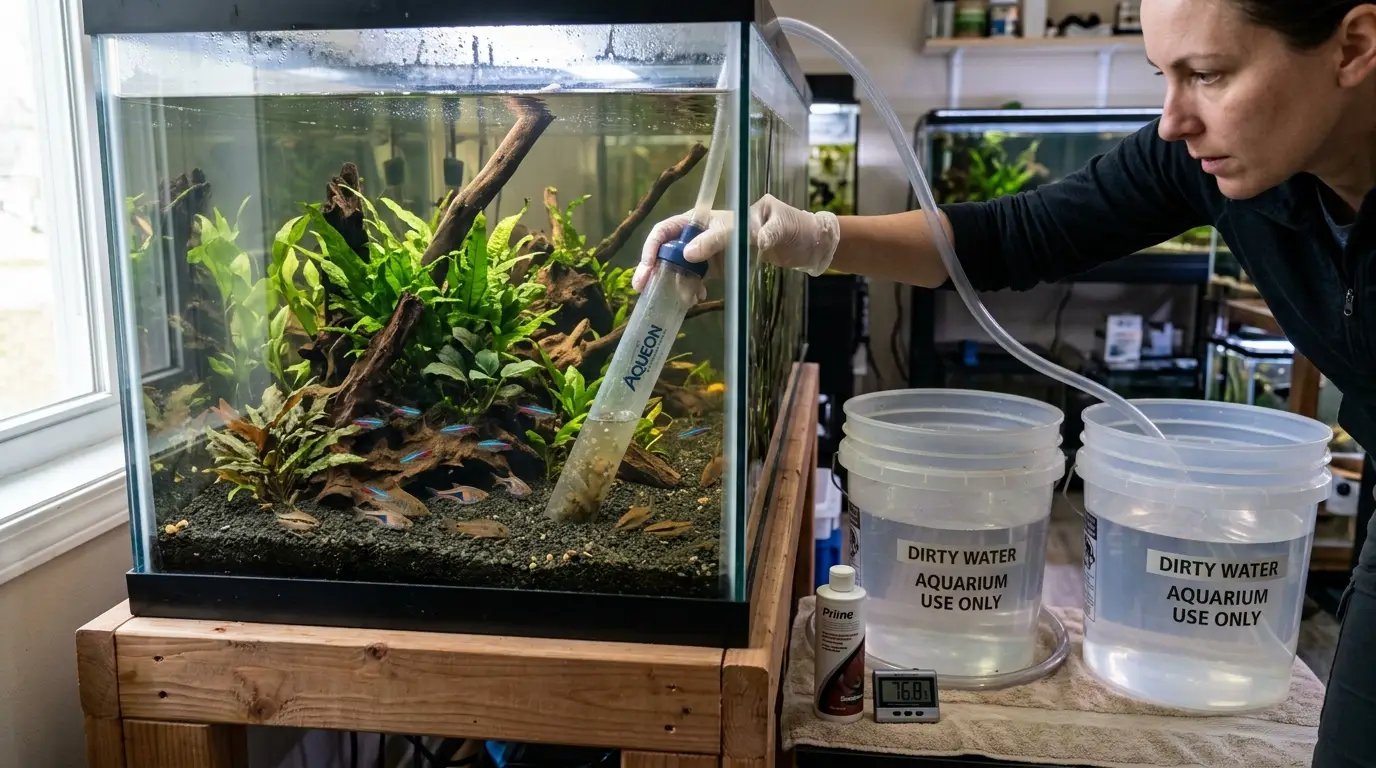
- Change 50 to 80 percent with dechlorinated, temperature-matched water.
- Repeat daily until nitrite reads near zero.
- This is the fastest way how to lower nitrites in fish tank setups without delay.
- Add a conditioner that detoxifies nitrite
- Use a water conditioner that binds nitrite and ammonia for up to 24 to 48 hours.
- This buys time for your biofilter to catch up.
- Boost aeration and surface movement
- Add an airstone or raise your filter output.
- Oxygen helps fish and supports nitrifying bacteria.
- Seed nitrifying bacteria
- Add a trusted bottled bacteria product to the filter and tank.
- This helps close the gap between ammonia, nitrite, and nitrate.
- Reduce feeding
- Feed very lightly once per day, or skip a day.
- Less food means less waste and less nitrite.
- Check for dead spots and waste
- Vacuum the substrate to remove trapped debris.
- Remove any dead fish or decaying plant matter at once.
- Test twice daily
- Use a liquid test kit for nitrite, ammonia, and nitrate.
- Track your trend so you can adjust steps quickly.
Building lasting biofiltration: How to lower nitrites in fish tank for good
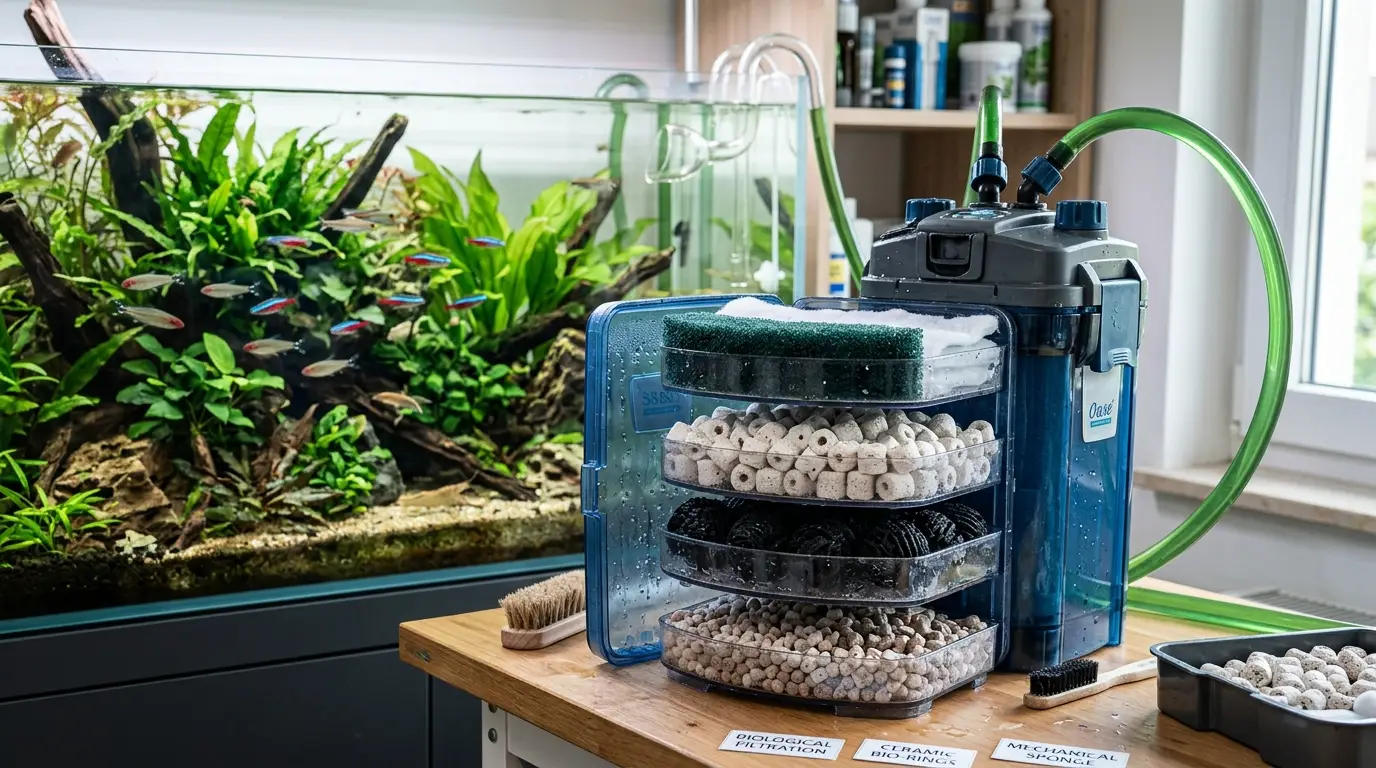
Your filter is home to the bacteria that remove toxins. Protect it at all costs.
- Use ample bio media. Ceramic rings, bio balls, and sponges give bacteria room to grow.
- Rinse filter media in old tank water, never under the tap. Chlorine kills good bacteria fast.
- Do not replace all media at once. Stagger changes so bacteria survive.
- Add an extra sponge or prefilter to catch gunk before it clogs bio media.
In a mature tank, ammonia turns to nitrite, then to nitrate. Aim for ammonia 0 ppm, nitrite 0 ppm, and nitrate under 40 ppm. This is the stable path for how to lower nitrites in fish tank cycles permanently.
Smart water change, conditioner, and salt strategy
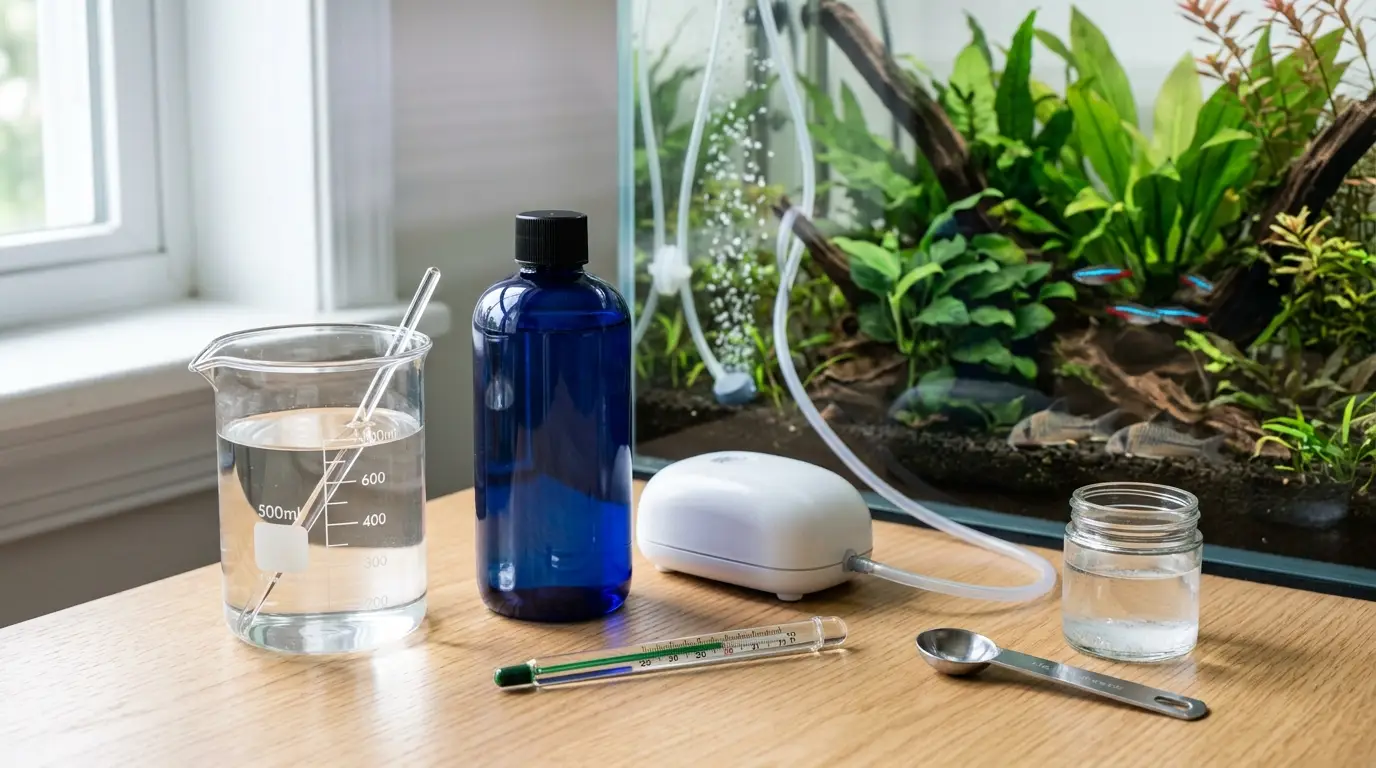
Water changes remove nitrite and improve oxygen. Always match temperature and use a conditioner that treats chlorine and chloramine. Many conditioners also temporarily detoxify nitrite, which helps during spikes.
Aquarium salt can protect fish from nitrite by blocking uptake at the gills. Start low at 1 teaspoon per 10 gallons, dissolved first. Avoid with delicate species and live plants, and do not exceed 1 teaspoon per 5 gallons without expert advice. Salt is a support tool, not a replacement for biofiltration.
Feeding, stocking, and cleaning habits that keep nitrites low
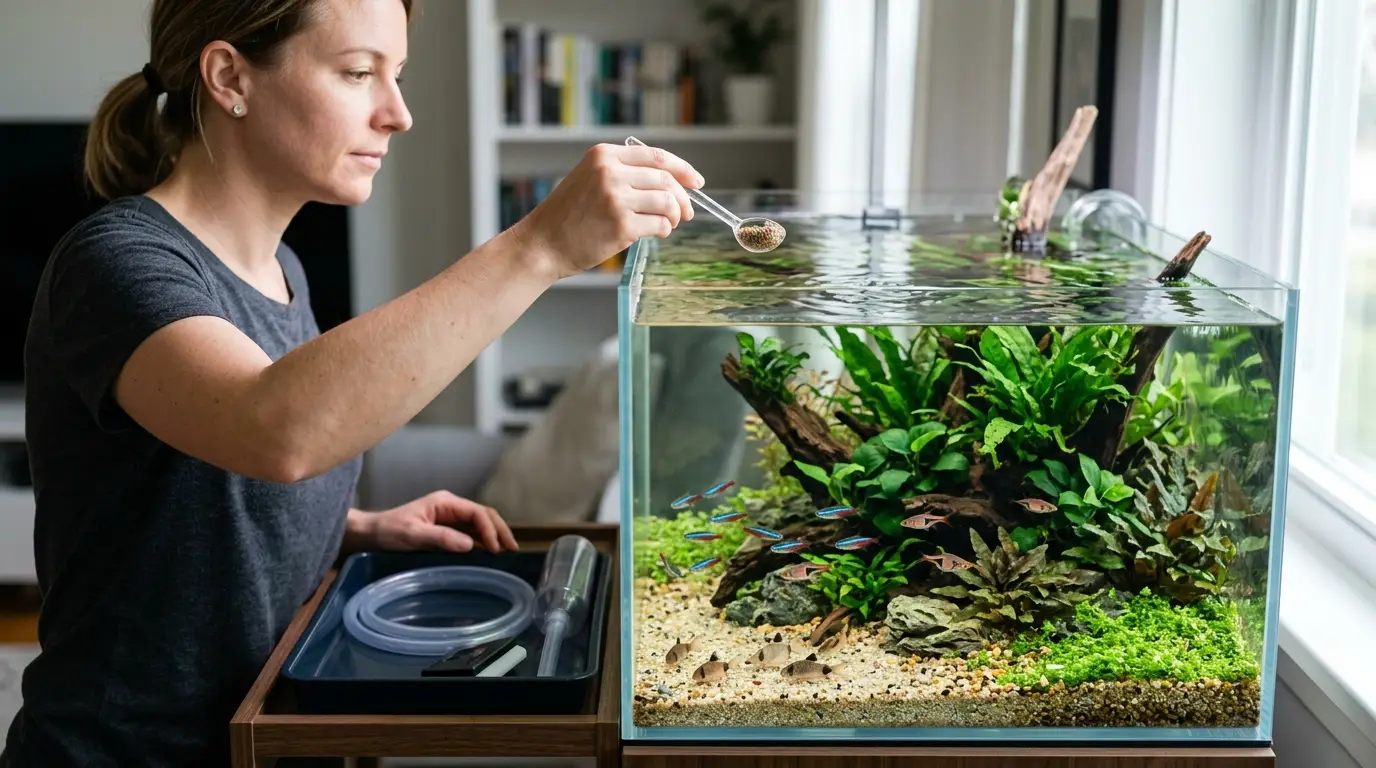
What you do each day matters most. Simple habits prevent big spikes.
- Feed small portions fish finish in under two minutes. Remove leftovers right away.
- Keep stocking reasonable. More fish equals more waste.
- Vacuum the substrate weekly in most tanks.
- Rinse mechanical filter pads often, but keep bio media safe.
If you teach new hobbyists how to lower nitrites in fish tank care, start with food control. It is the one lever that changes everything.
Testing schedule and reading your results

Testing shows you where you are and where you are going. It also shows how to lower nitrites in fish tank water with data, not guesses.
- Test ammonia, nitrite, nitrate, and pH two to three times a week.
- During a spike, test nitrite twice a day until stable.
- Use liquid kits for better accuracy than strips.
- Write results in a log so you can spot patterns.
When nitrite stays at zero for a week while you feed normally, your biofilter is back on track.
Troubleshooting and common mistakes
Even careful keepers make errors. Here is what to avoid.
- Overcleaning the filter. This wipes out bacteria and causes nitrite to jump.
- Skipping dechlorinator. Tap water can kill your biofilter in minutes.
- Big stock additions at once. Add fish slowly so bacteria can keep up.
- Relying only on salt or detoxifiers. They help, but they do not remove nitrite.
- Ignoring nitrate. High nitrate hints at waste build-up, which can lead to new nitrite issues.
These reminders turn a short-term fix into a long-term win. They also show a common path on how to lower nitrites in fish tank systems without stress.
Real-life example: My 75-gallon nitrite spike recovery
A few summers back, a power outage stalled my canister filter. Nitrite hit 1.0 ppm by morning, and fish were gasping. Here is how I handled it.
- I changed 70 percent of the water and added a conditioner that detoxifies nitrite.
- I cranked up two airstones and pointed the return to break the surface.
- I seeded the filter with bottled bacteria and a spare sponge from another tank.
- I fed a tiny amount once in 24 hours and vacuumed the gravel.
- I tested twice a day. By day two, nitrite fell to 0.1 ppm. By day three, it was zero.
That week reminded me how to lower nitrites in fish tank emergencies with calm steps and steady testing.
Prevention checklist and weekly routine
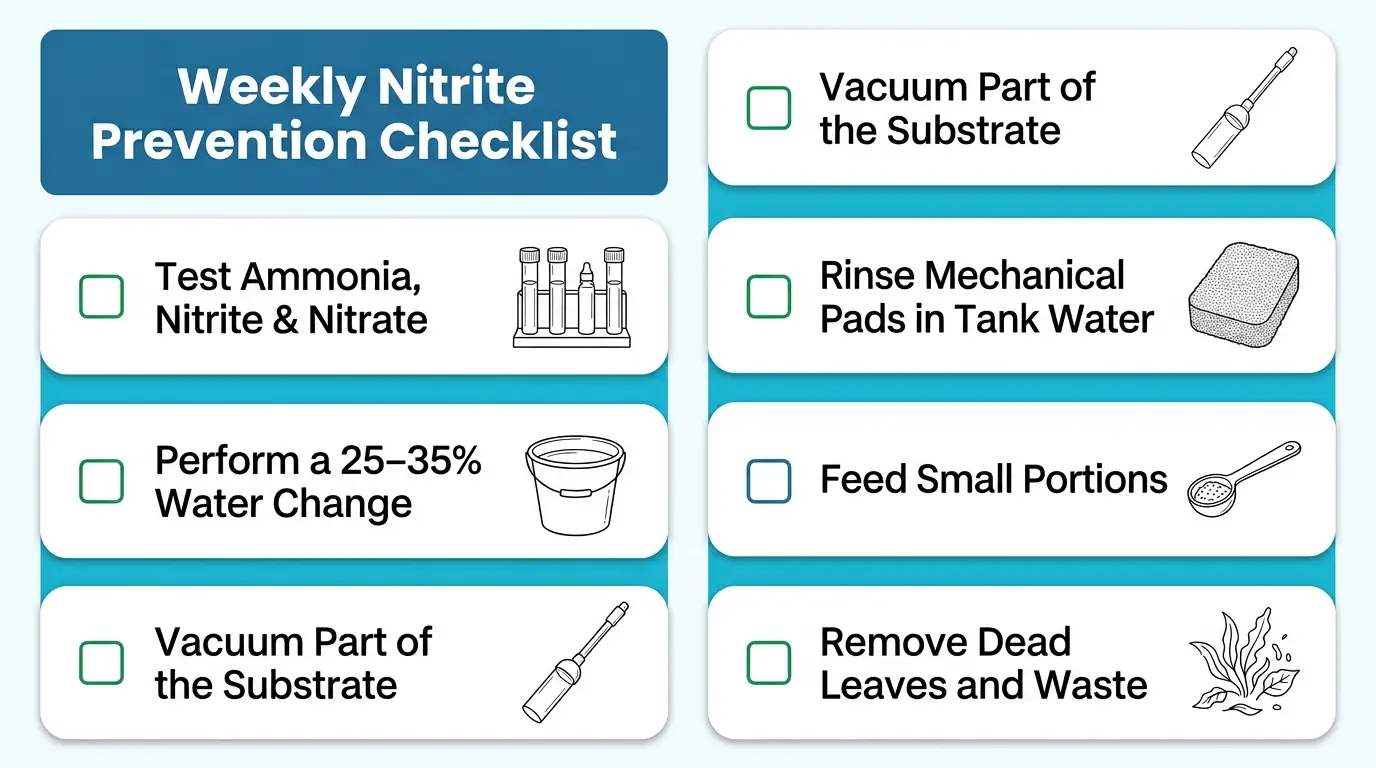
Use this simple plan each week. It keeps nitrite away and fish happy.
- Test ammonia, nitrite, and nitrate. Log the results.
- Do a 25 to 35 percent water change with conditioner.
- Vacuum a third of the substrate to avoid big disruptions.
- Rinse mechanical pads in removed tank water.
- Feed small, varied meals and skip one feeding per week.
- Inspect for dead leaves or fish and remove waste.
- Add a small dose of bacteria after heavy cleanings or new stock.
Follow this routine, and you will not only learn how to lower nitrites in fish tank setups, you will prevent most spikes before they start.
Frequently Asked Questions of how to lower nitrites in fish tank
How fast can I lower nitrites in my tank?
Large water changes and a detoxifying conditioner can cut nitrite the same day. Full stability may take a few days as bacteria rebound.
Do live plants help with nitrite?
Plants mainly use ammonia and nitrate, not nitrite. They still help by reducing overall nitrogen and improving oxygen.
Is aquarium salt safe for all fish?
Some fish and most plants dislike salt. Start low, research your species, and never exceed gentle doses without expert advice.
Why do nitrites spike in new tanks?
New tanks lack mature bacteria to process waste. This new tank syndrome is common until the biofilter grows in.
Can I keep feeding during a spike?
Feed very lightly or skip a day to cut waste. Less food speeds recovery and protects your fish.
Which test kit should I use?
Liquid kits are more accurate than strips for nitrite and ammonia. They help you track small changes and act fast.
Will cleaning my filter fix high nitrites?
Only clean mechanical pads, and do it in tank water. Do not scrub bio media, or you will make the spike worse.
Conclusion
Nitrite problems feel scary, but they are fixable with clear steps. Do big water changes, detoxify, add air, seed bacteria, and feed less while you track results. Then protect your biofilter and keep a steady weekly routine.
Make today the day you take control. Try one section from this guide right now and log your test results. If this helped, subscribe for more tank tips or leave a comment about your setup so I can help you fine-tune your plan.