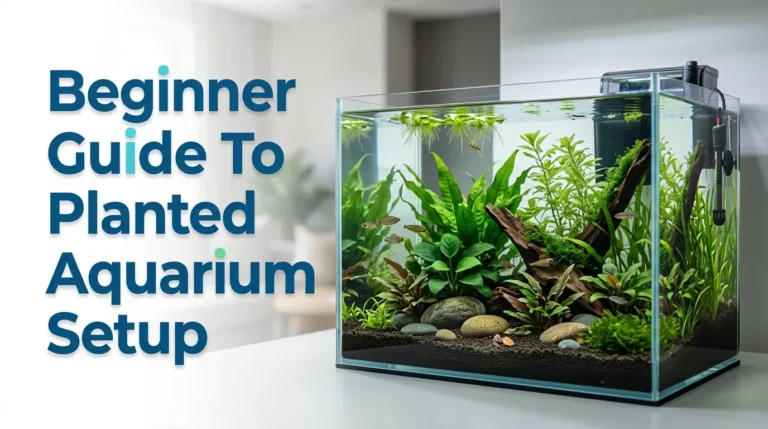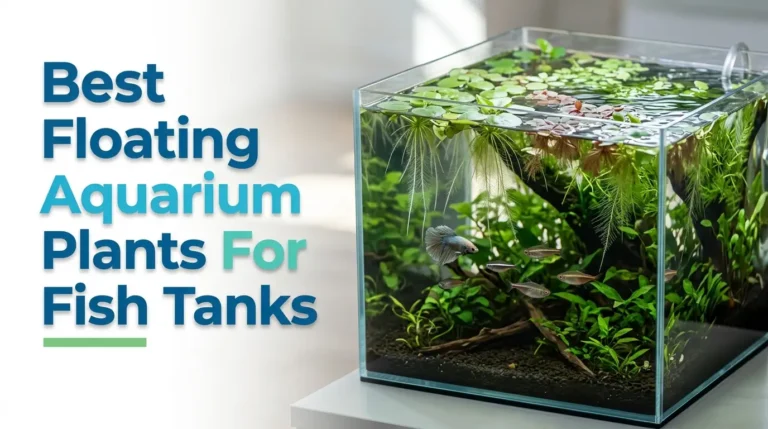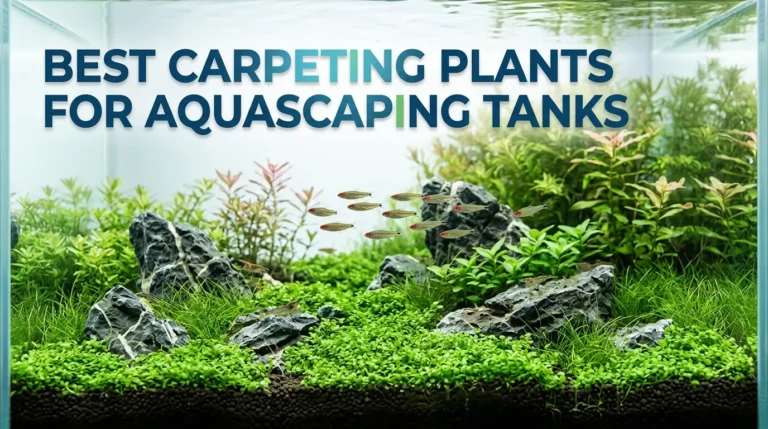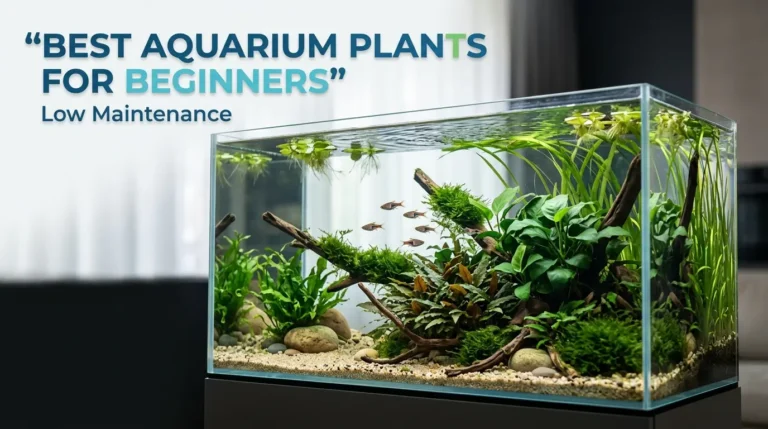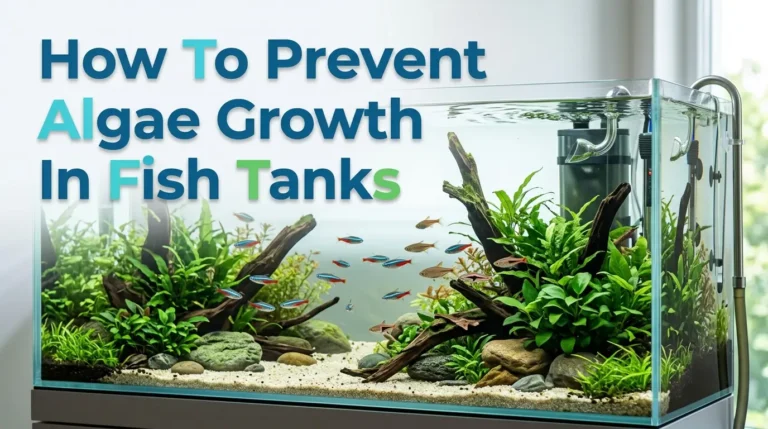
Provide the right light, balanced nutrients, and stable water for steady growth.
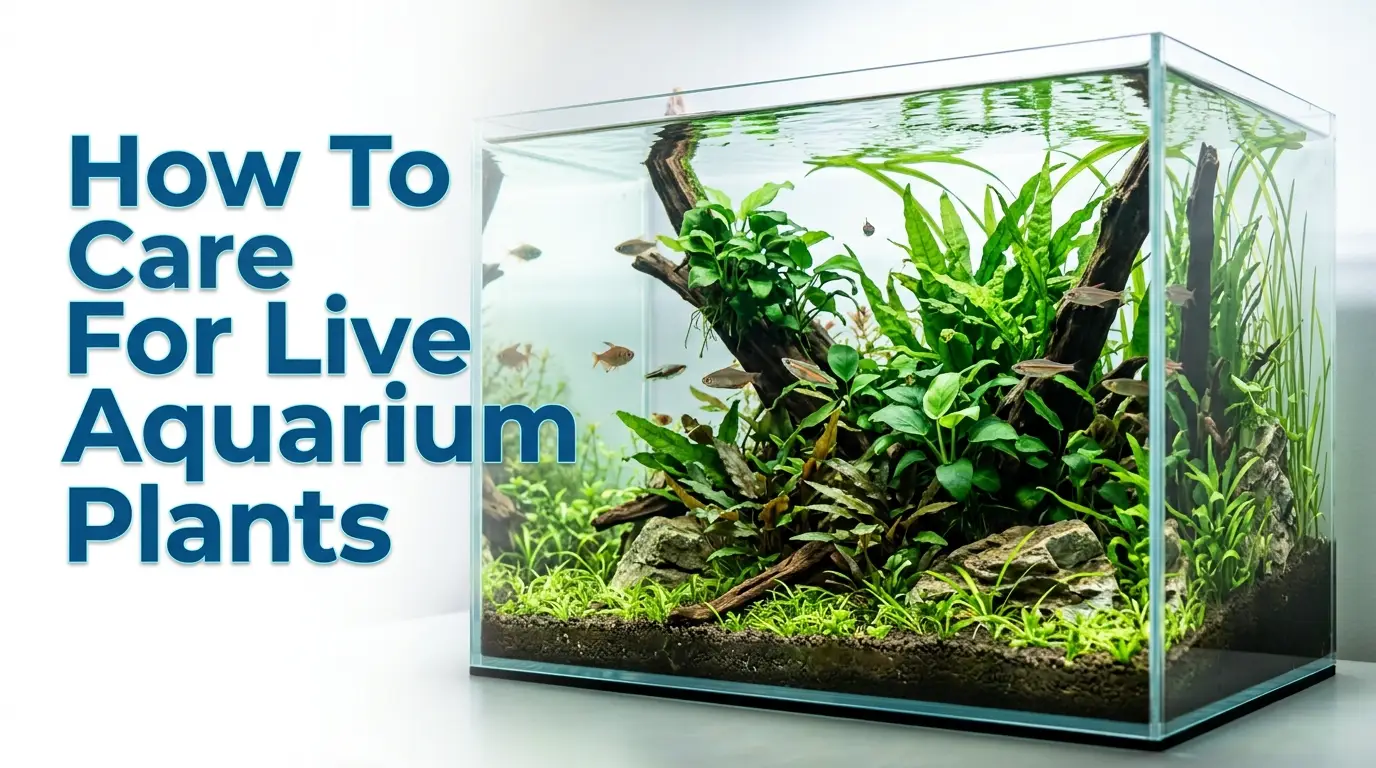
If you want a lush, natural tank, learning How to Care for Live Aquarium Plants is the secret. I’ve grown everything from easy Anubias to demanding carpets across many tanks, and I’ll show you simple, proven steps. This guide breaks down How to Care for Live Aquarium Plants in clear, friendly language so you can avoid algae, keep plants thriving, and enjoy a living aquascape that stays healthy for years.
Why live plants matter in your aquarium
Live plants do more than look pretty. They use fish waste, calm stressed fish, and help stop algae. When you understand How to Care for Live Aquarium Plants, your tank runs smoother and smells cleaner.
Healthy plants act like a natural filter. They absorb ammonia, nitrite, and nitrate. Their leaves offer cover for shy fish and fry. You will also see richer colors and calmer behavior.
Plants also improve oxygen levels and stabilize pH. As they grow, they outcompete algae for light and nutrients. That is why many aquarists call plants the engine of a balanced tank.
Choosing the right plants for your tank
Start with plants that match your setup. If you have low light and no CO2, pick hardy species. As you gain skill, move to moderate and high-demand plants.
Great beginner choices:
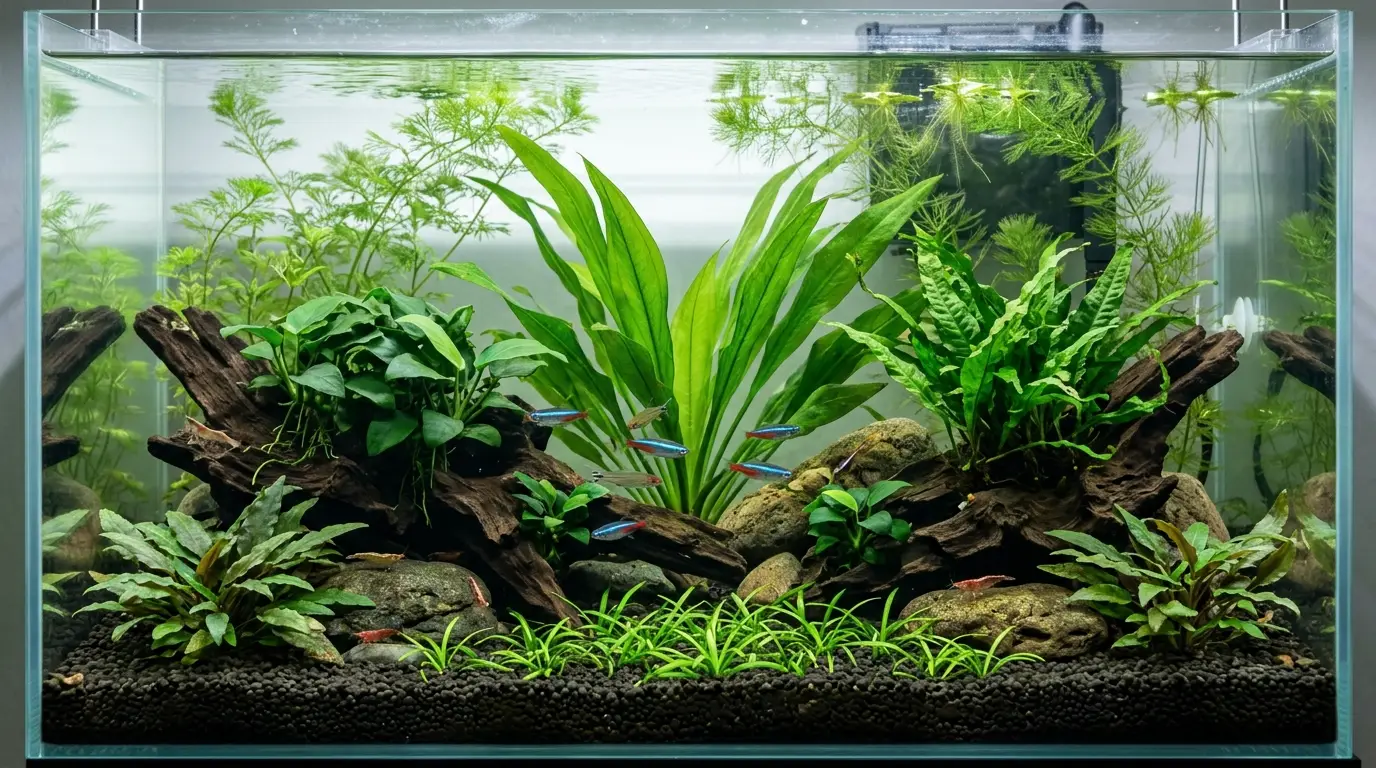
- Java fern, Anubias, and Bolbitis. Attach them to wood or rock. Do not bury their rhizomes.
- Cryptocoryne, Amazon sword, and Vallisneria. These feed from the roots and like a nutrient-rich substrate.
- Water sprite and hornwort. Fast growers that float or root and help control nutrients.
For carpets, try dwarf sag, Marsilea, or Monte Carlo in medium light. Dwarf hairgrass needs more light and often CO2. Matching species to your gear is a core part of How to Care for Live Aquarium Plants.
Lighting essentials for healthy growth
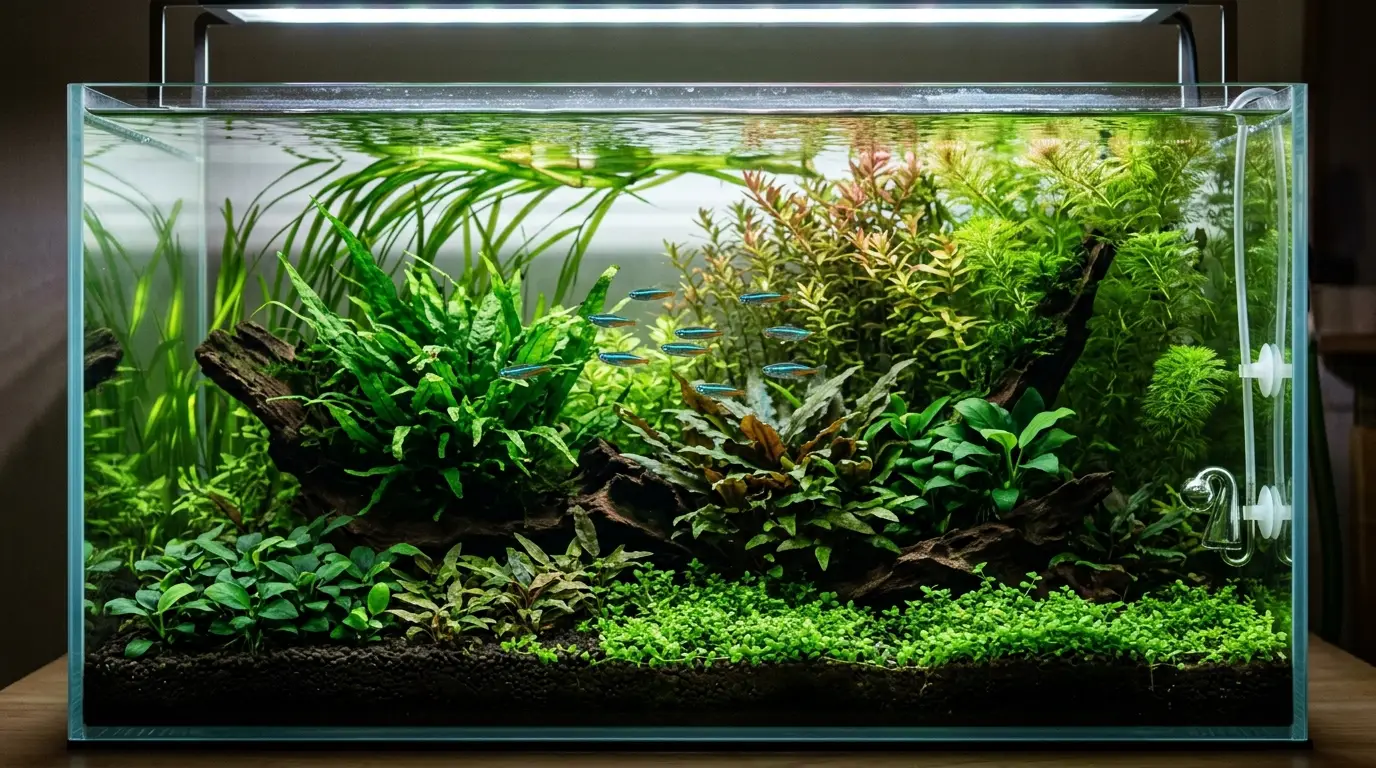
Light is plant food. You need the right intensity and a steady schedule. Most easy plants thrive with 6 to 8 hours of light each day.
Aim for:
- Intensity. Low-tech tanks do well around low to medium PAR at the substrate. Many modern LEDs list tank-size guidance. Stay modest at first.
- Spectrum. A full-spectrum LED (around 6,500–7,500 K) shows true colors and supports growth.
- Control. Add a timer. Start with 6 hours. If plants look hungry and algae is low, add 30 minutes each week.
Signs of trouble:
- Too little light. Long stems, small pale leaves, slow growth.
- Too much light. Algae blooms, leaf burn, fast daytime pH swings.
Calibrate light to your plant mix. That simple step unlocks How to Care for Live Aquarium Plants without constant algae fights.
Substrate, nutrients, and fertilization
Plants eat macronutrients and micronutrients. Macros include nitrogen, phosphorus, and potassium. Micros include iron, manganese, and trace elements.
Pick a substrate plan:
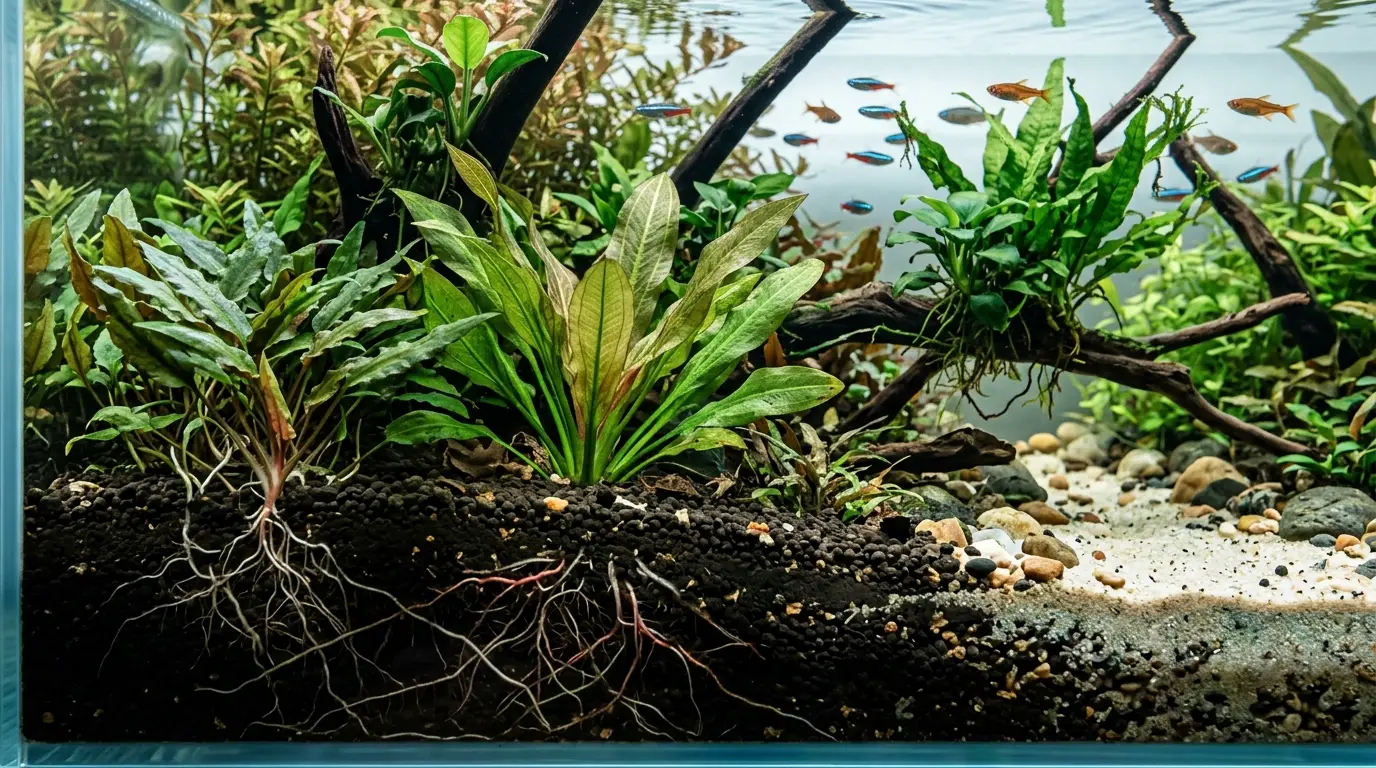
- Inert sand or gravel. Works fine with root tabs for swords, crypts, and bulbs.
- Enriched aquasoil. Feeds root plants well and buffers pH. Great for scapes and carpeting species.
- Mix and match. Use aquasoil in planted zones and sand in open areas for contrast.
Dosing options:
- Water column dosing. Add liquid fertilizers a few times per week for stem and epiphyte plants.
- Root tabs. Push near heavy root feeders every 1 to 3 months.
- Balanced approach. Test nitrates and watch leaves. Pale new leaves often mean iron or micros. Yellow older leaves can mean nitrogen.
I run low to moderate dosing on low-tech tanks. On high-energy setups, I follow a consistent schedule and trim often. This balance is key to How to Care for Live Aquarium Plants long term.
CO2: do you need it?
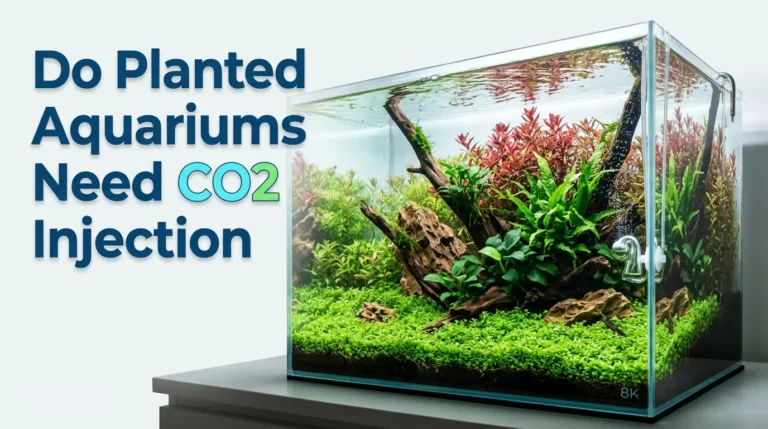
Not every tank needs CO2 injection. Many plants thrive without it if light and nutrients are in line. But CO2 makes growth faster and denser, and it helps carpets spread.
Options:
- No-injection, low-tech. Use modest light, weekly ferts, and hardy plants. Growth is slower but stable.
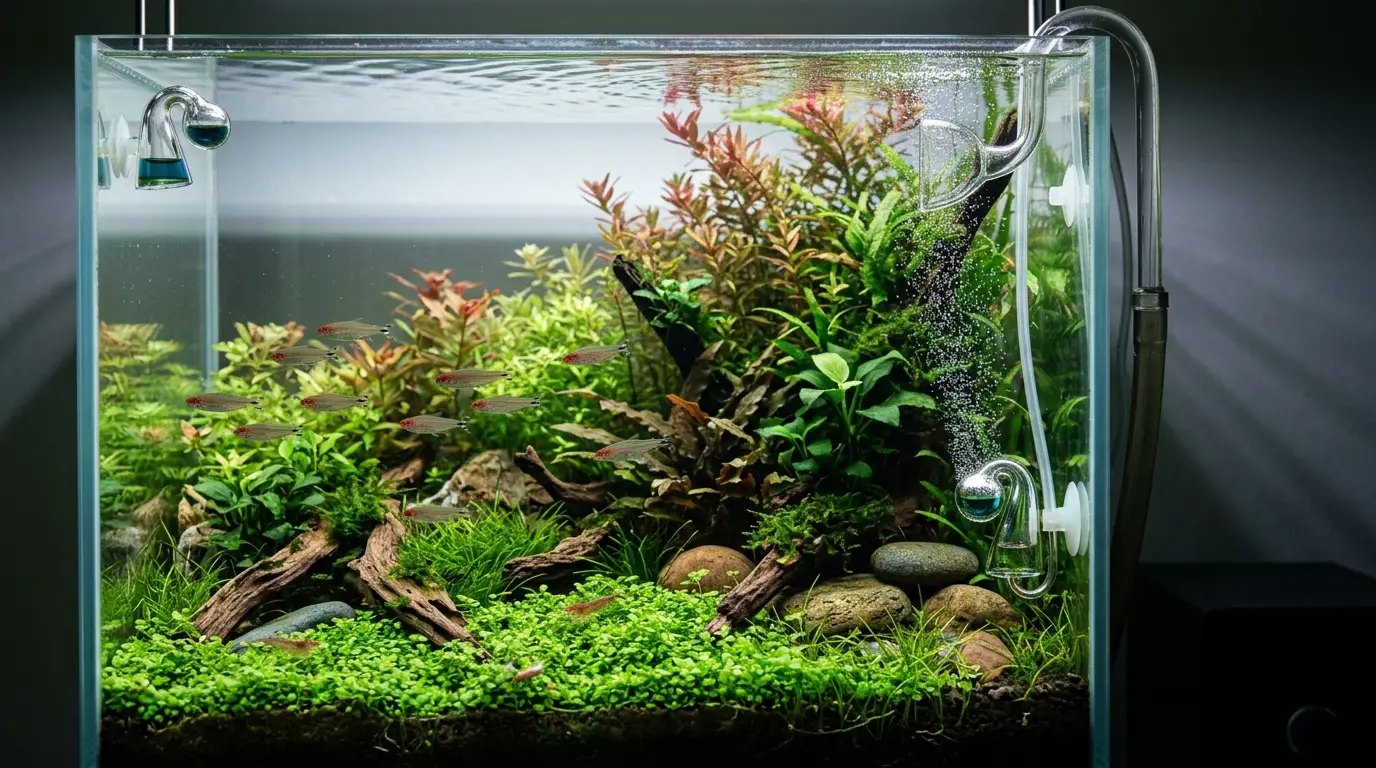
- Pressurized CO2. Best control and steady levels around 20 to 30 ppm. Use a regulator, diffuser, and drop checker.
- Liquid carbon. Can aid algae control but is not the same as real CO2. Some species and shrimp can be sensitive.
I add CO2 to my show tanks and skip it in easy community tanks. Decide based on goals, budget, and time. That is a smart way to approach How to Care for Live Aquarium Plants at any skill level.
Water parameters and filtration
Most tropical plants like stable, middle-of-the-road water. Chasing numbers daily leads to stress. Aim for steady, not perfect.
Targets for many community setups:
- Temperature. 72 to 78°F.
- pH. 6.5 to 7.5.
- GH. 4 to 8 dGH.
- KH. 2 to 6 dKH.
- Nitrate. Under 20 ppm for display tanks; a little is plant food.
Use a gentle filter with good surface ripple for oxygen. Rinse the filter media in tank water, not tap water, to save bacteria. Condition tap water to remove chlorine and chloramine. Stable water is the backbone of How to Care for Live Aquarium Plants.
Planting and aquascaping techniques
Planting style changes how plants grow and how your tank looks. Think in layers: foreground, midground, and background.
Planting basics:
- Stems. Trim to 3 to 6 inches. Plant each stem a little apart so light reaches the base.
- Rhizomes. Java fern and Anubias must sit on wood or rock. Tie with cotton thread or use gel glue.
- Carpets. Split pots into many small plugs. Plant in a grid, a few inches apart.
- Bulbs and tubers. Place with the sprout up and do not bury the growing point.
Aquascaping tips:
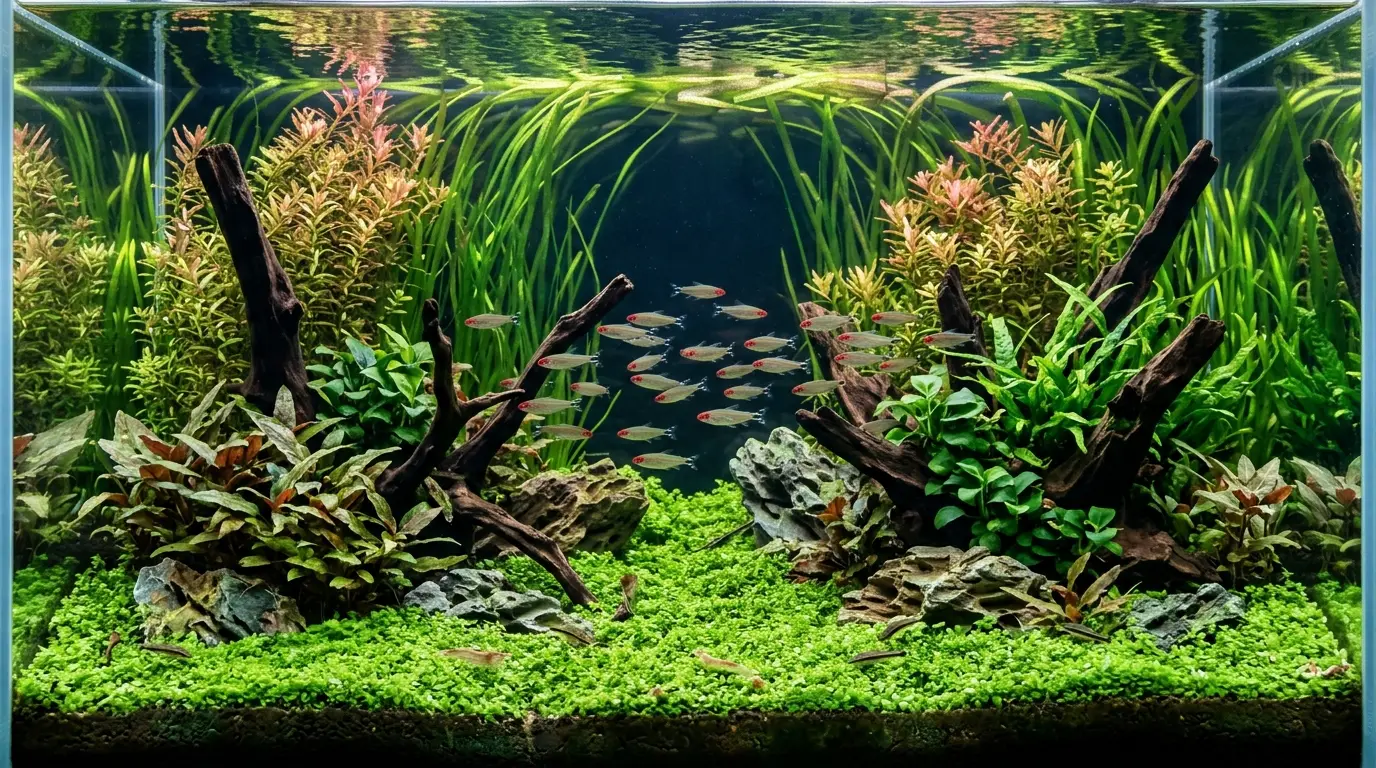
- Create depth with tall background plants like Vallisneria or Rotala.
- Use rocks and wood to make lines that guide the eye.
- Leave swim lanes for fish and flow for plants.
I once buried an Anubias rhizome by mistake. It rotted in two weeks. That small lesson saved me many plants later. Hands-on practice like this shapes How to Care for Live Aquarium Plants with confidence.
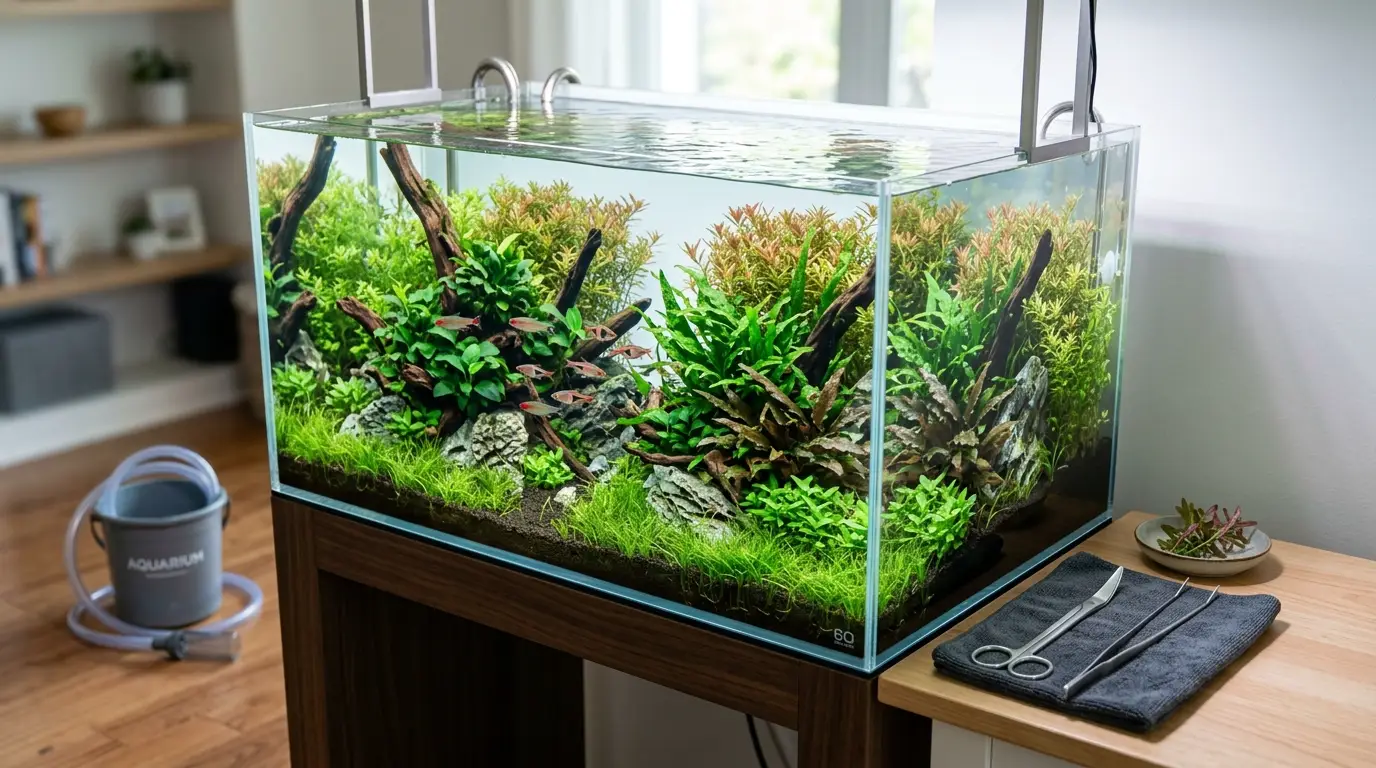
Routine care: pruning, cleaning, and growth control
A weekly routine keeps plants lush and algae light. Short, steady work beats big, rare work.
Weekly steps:
- Water change. 25 to 40 percent to reset nutrients and remove organics.
- Trim. Cut leggy tops and replant the best tips. Remove dying leaves fast.
- Clean. Gently brush leaves, squeeze sponges in tank water, and wipe glass.
Monthly steps:
- Deep check. Vacuum light detritus in open areas. Re-seat plants that float up.
- Fert check. Adjust dosing if plants pale or algae rises.
I keep a plant journal. Simple notes on light time, trims, and doses help me spot trends. That habit is a quiet secret to How to Care for Live Aquarium Plants without stress.
Algae control without drama
Algae is a symptom of imbalance. Fix the cause, not only the symptom.
Most common types and actions:
- Diatoms. Brown dust in new tanks. Improve flow and wait a few weeks. Add nerite snails.
- Green spot algae. Hard dots on glass and slow leaves. Often low phosphate. Clean and adjust dosing.
- Hair or thread algae. Extra light or CO2 swings. Shorten photoperiod and stabilize CO2.
- Black beard algae. Inconsistent CO2 or high organics. Improve flow, prune, and spot treat.
Helpful cleanup crew:
- Amano shrimp and nerite snails for most soft algae.
- Siamese algae eaters for hair algae in larger tanks.
Keep light honest, nutrients steady, and CO2 stable. That three-part balance sits at the heart of How to Care for Live Aquarium Plants.
Troubleshooting common plant problems
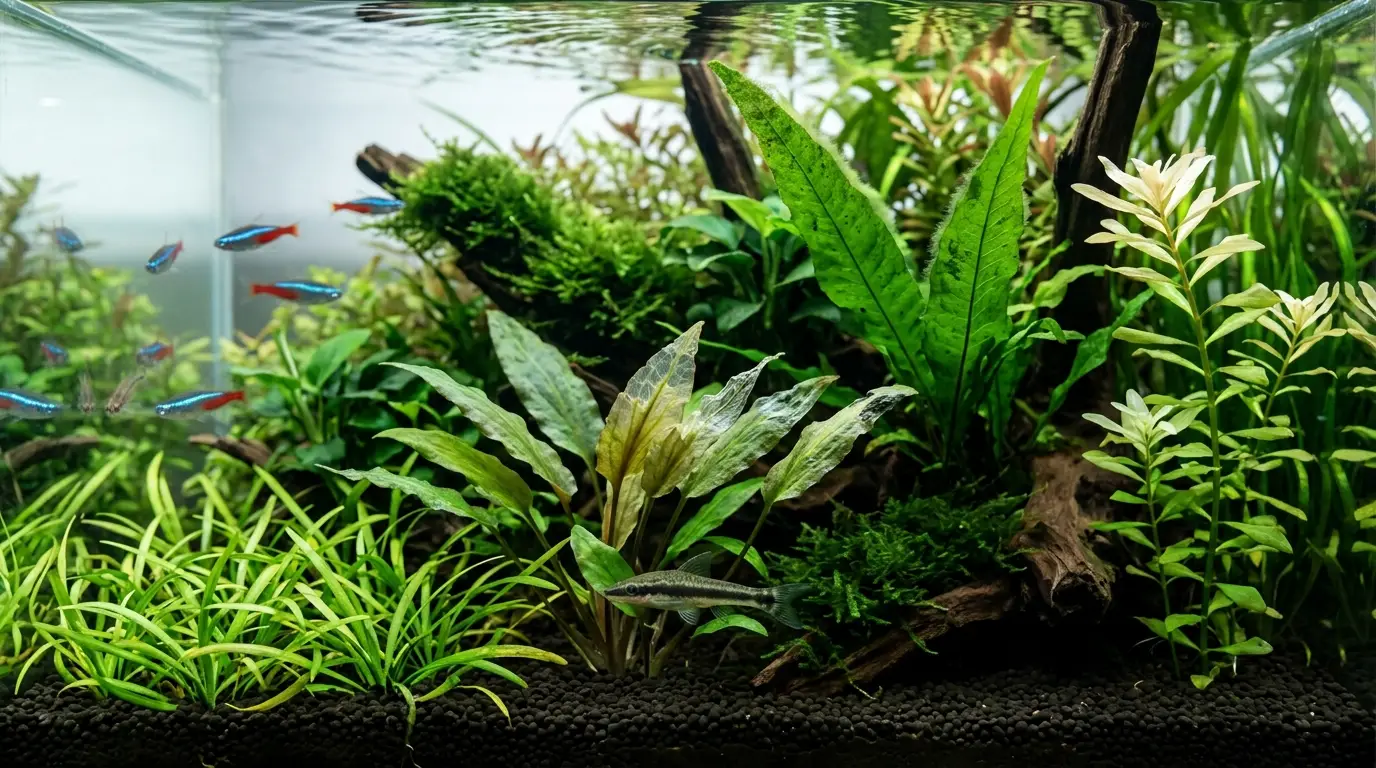
Plants talk through their leaves. Learn the signs and you can act fast.
Frequent issues:
- Melt in crypts. Normal when moved. Trim the mush and wait for new leaves.
- Yellow old leaves. Low nitrogen or potassium. Adjust dosing.
- Pale new growth. Often low iron or micros. Add a small iron dose.
- Holes in leaves. Potassium lack, snails, or older leaves aging.
- Stunting and small tips. Low CO2, low flow, or too much light for the setup.
If a plant fails, swap it for a better match. Success breeds motivation. That mindset keeps you moving forward with How to Care for Live Aquarium Plants.
Quarantine and pest control for new plants
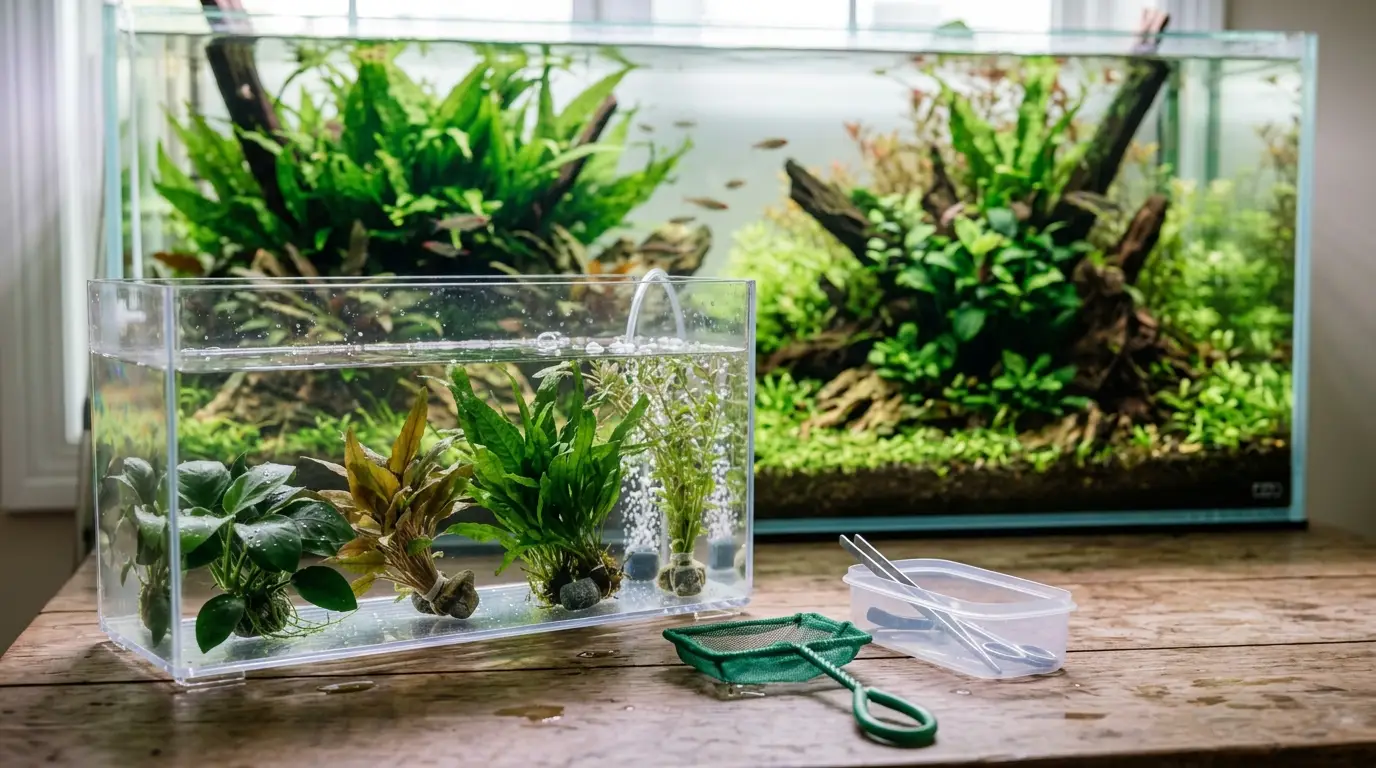
New plants can bring snails, algae, or planaria. Quarantine saves headaches.
Simple steps:
- Rinse plants well in dechlorinated water.
- Quarantine in a bucket or spare tank for 3 to 7 days.
- Use a gentle dip if needed. An alum or diluted bleach dip can help with algae and pests. Rinse very well and research safe ratios first.
Be careful with dips on mosses, delicate stems, and liverworts. When unsure, quarantine only. Thoughtful intake is a quiet win in How to Care for Live Aquarium Plants.
Fish and invertebrates that play nice with plants
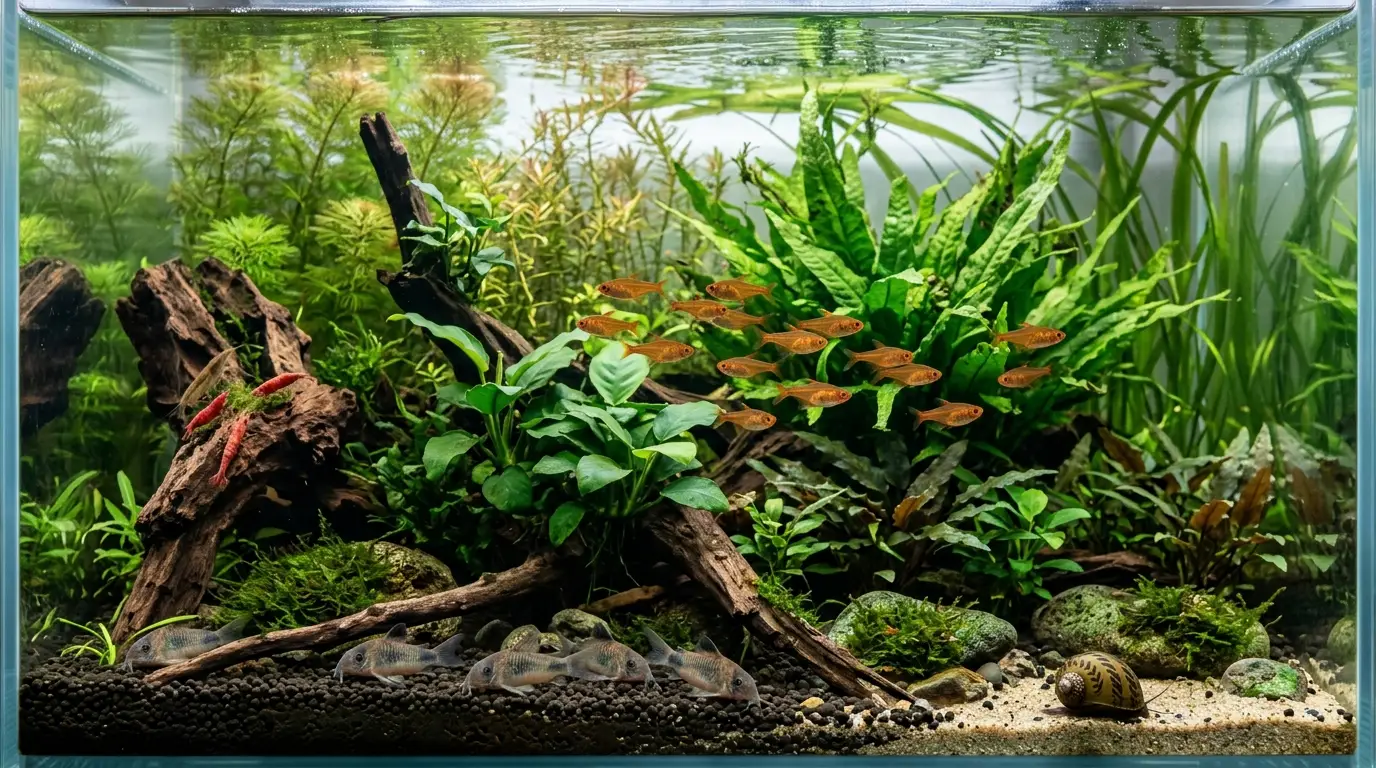
Some fish snack on plants. Others help clean and never nip leaves.
Plant-safe favorites:
- Most tetras, rasboras, corydoras, and dwarf gouramis.
- Shrimp like Amano and cherry shrimp, plus nerite snails.
- Otocinclus for soft algae on leaves.
Use caution with:
- Goldfish, silver dollars, and many cichlids. They dig or eat plants.
- Certain plecos that rasp soft leaves when hungry.
Feed well and offer blanched veggies to distract nibblers. Smart stocking supports How to Care for Live Aquarium Plants and reduces surprises.
Frequently Asked Questions of How to Care for Live Aquarium Plants
Do I need CO2 for live aquarium plants?
No, many plants grow fine without injected CO2 if light and nutrients are balanced. CO2 speeds growth and helps carpets, but it also raises maintenance needs.
How long should I run my aquarium lights?
Start with 6 hours per day and watch for algae. Increase by 30 minutes per week until plants grow steady and algae stays low, usually 7 to 8 hours.
Can I use tap water with live plants?
Yes, most plants do well in conditioned tap water with moderate GH and KH. Always remove chlorine and chloramine, and keep parameters stable.
How often should I fertilize?
Dose small amounts two to three times per week for steady growth. Root feeders may also need root tabs every 1 to 3 months.
Why are my new plants melting?
Plants often melt after a move as they switch to new water and light. Trim dead leaves and give them time to regrow.
What is the best substrate for planted tanks?
Nutrient-rich aquasoil supports strong root growth, but sand or gravel works with root tabs. Choose based on your plant mix and budget.
Conclusion
Live plants thrive on balance and routine. Match plants to your light, feed them well, keep water steady, and trim on schedule. Those simple habits unlock a healthy, green tank.
You can start today. Pick two or three hardy plants, set your light timer, and add a weekly care routine to your calendar. If this guide helped, subscribe for more tips, ask a question, or share your own wins in the comments.