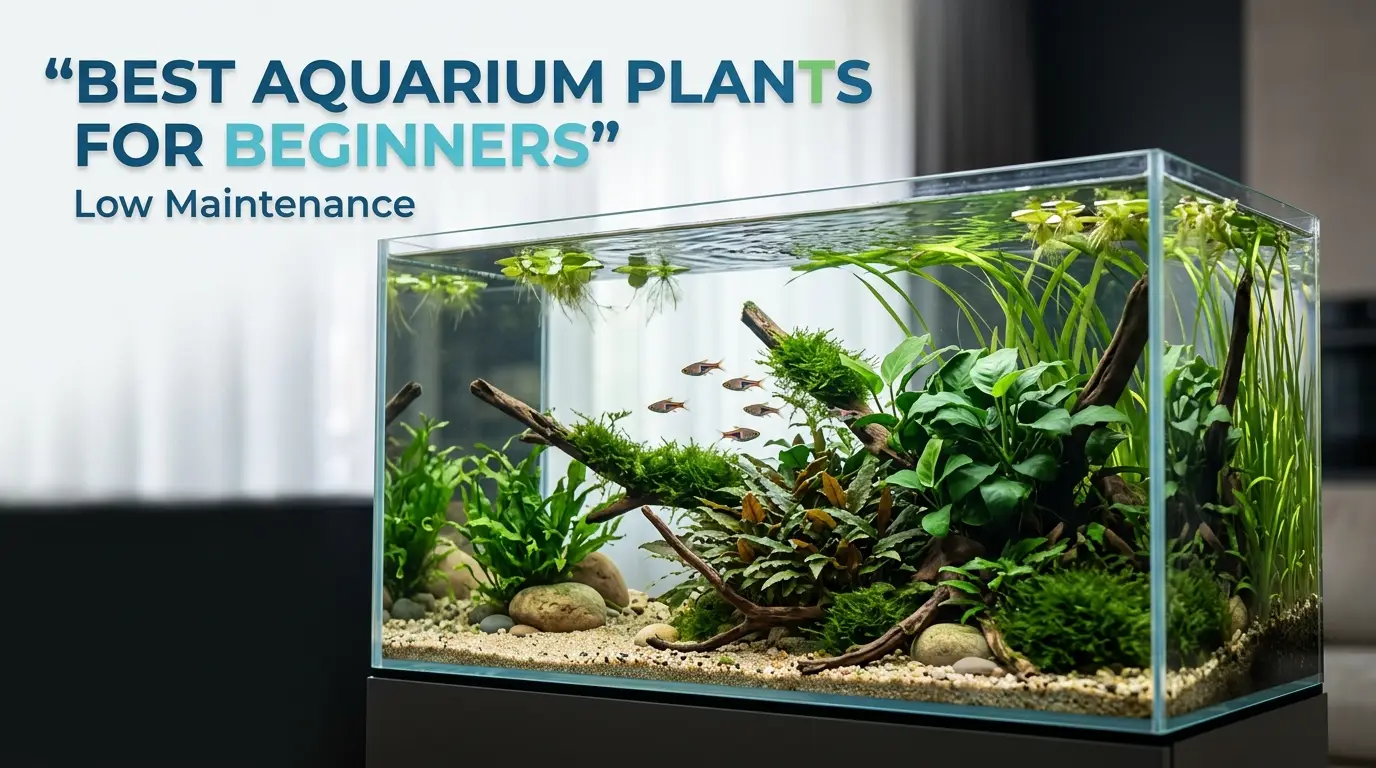
Anubias, Java fern, Java moss, crypts, and vallisneria thrive with little care.
If you want a lush, healthy tank without fuss, you’re in the right place. I’ve spent years testing the best aquarium plants for beginners low maintenance in real home tanks. This guide shares what actually works, why it works, and how you can set it up fast with fewer mistakes and more joy.
Why live plants matter in beginner tanks
Live plants make tanks stable and calm. They eat excess nutrients, release oxygen, and give fish shelter. The best aquarium plants for beginners low maintenance do this with little light and no injected CO2.
What makes a plant low maintenance
- It grows in low to medium light.
- It tolerates a wide range of water values.
- It does not need added CO2.
- It forgives missed water changes and small mistakes.
Common myths to skip
- Plants always need fancy soil. Many do fine in plain gravel with root tabs.
- More light is better. Too much light can trigger algae.
- CO2 is a must. Not for beginner low-tech tanks with hardy plants.
From my experience, easy plants make new tanks stable faster. They buffer small errors and cut algae blooms. That is why I favor the best aquarium plants for beginners low maintenance when helping first-time keepers.
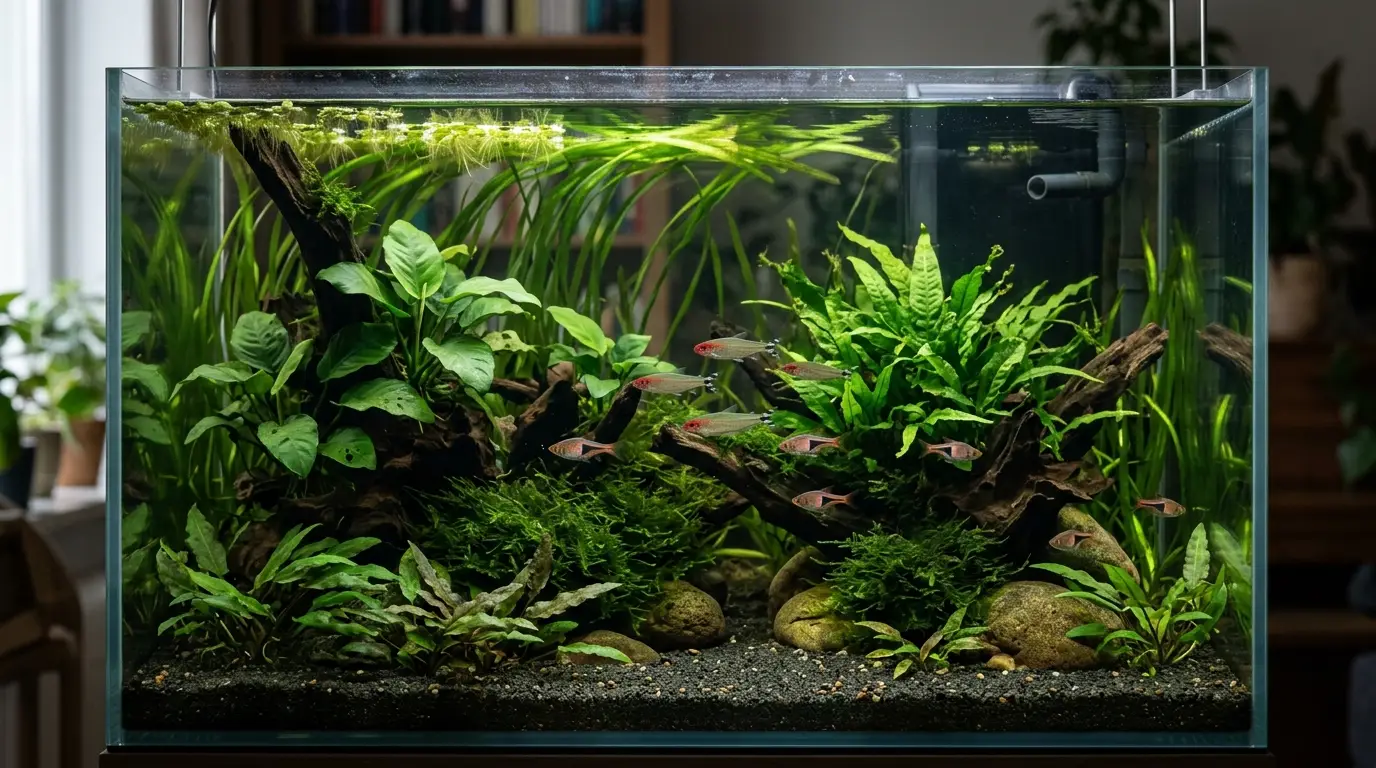
The best low-maintenance aquarium plants for beginners
Below are my proven picks. I chose them for hardiness, looks, and simple care. This list focuses on the best aquarium plants for beginners low maintenance so you get results fast.
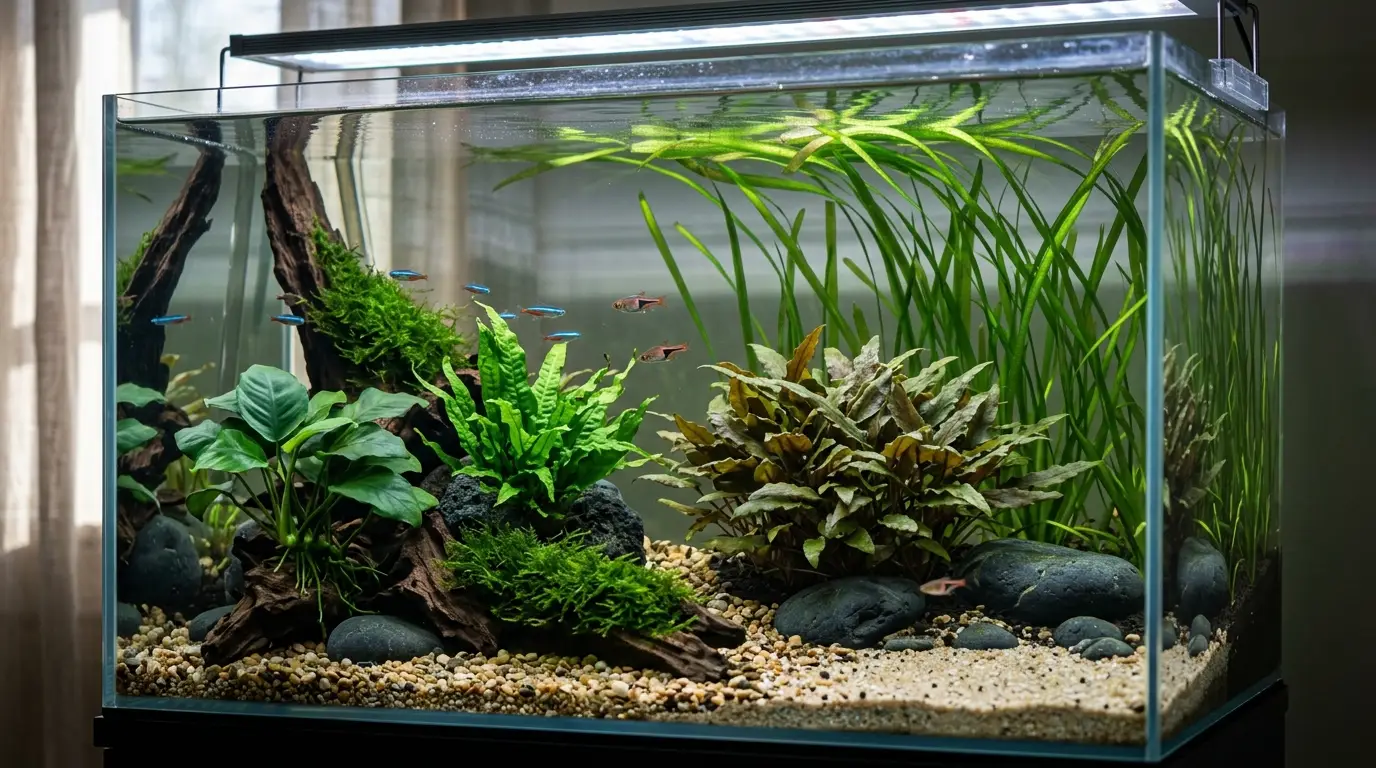
Anubias (barteri, nana)
- Light: Low to medium.
- CO2: Not needed.
- Placement: Attach to wood or rock. Do not bury the rhizome.
- Growth: Slow and steady.
- Tip: Great for bettas and shrimp. Trim old leaves to keep it tidy.
Java fern (Microsorum pteropus)
- Light: Low to medium.
- CO2: Not needed.
- Placement: Tie to hardscape. Keep rhizome above substrate.
- Growth: Moderate with new plantlets on leaves.
- Watch out: Black spots can be spores, not rot.
Java moss (Taxiphyllum barbieri)
- Light: Low.
- CO2: Not needed.
- Placement: Wrap on wood, rock, or mesh.
- Growth: Fast in clean water; great fry and shrimp cover.
- Tip: Trim to keep it dense and neat.
Cryptocoryne wendtii (green, brown)
- Light: Low to medium.
- CO2: Not needed.
- Placement: Midground. Root tabs help.
- Growth: Moderate. Can “melt” at first, then regrow stronger.
- Lesson learned: Do not move it often. Let the roots settle.
Amazon sword (Echinodorus amazonicus)
- Light: Medium.
- CO2: Not needed.
- Placement: Background in medium to large tanks.
- Growth: Fast with root tabs. Big leaves for shy fish.
- Note: Needs food at the roots to avoid yellow leaves.
Water wisteria (Hygrophila difformis)
- Light: Low to medium.
- CO2: Not needed.
- Placement: Background as stems or float it.
- Growth: Fast nutrient sponge. Great for fighting algae.
- Tip: Replant healthy tops. Remove scraggly bases.
Hornwort (Ceratophyllum demersum)
- Light: Low to medium.
- CO2: Not needed.
- Placement: Float or lightly anchor; no true roots.
- Growth: Very fast. Ideal for new tanks.
- Watch out: Can shed needles if light swings a lot.
Vallisneria (spiralis, americana)
- Light: Low to medium.
- CO2: Not needed.
- Placement: Background; sends runners to fill space.
- Growth: Moderate to fast curtains of grass.
- Caution: Sensitive to glutaraldehyde products. Avoid strong doses.
Marimo moss balls (Aegagropila linnaei)
- Light: Low.
- CO2: Not needed.
- Placement: Foreground accents. Roll sometimes to keep shape.
- Growth: Very slow. Helps with small algae control.
- Tip: Rinse gently to remove trapped debris.
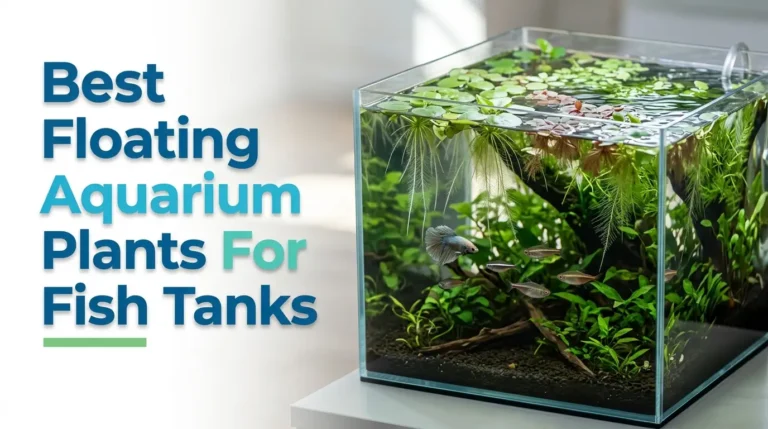
Floating plants (Amazon frogbit, Salvinia)
- Light: Low to medium.
- CO2: Not needed.
- Placement: Surface. Shade fish and reduce algae.
- Growth: Fast. Skim to control spread.
- Note: Keep surface calm so roots stay long and clean.
These are, hands down, the best aquarium plants for beginners low maintenance. They forgive mistakes, grow in simple gear, and still look great.
Simple setup: light, substrate, fertilizer, and CO2
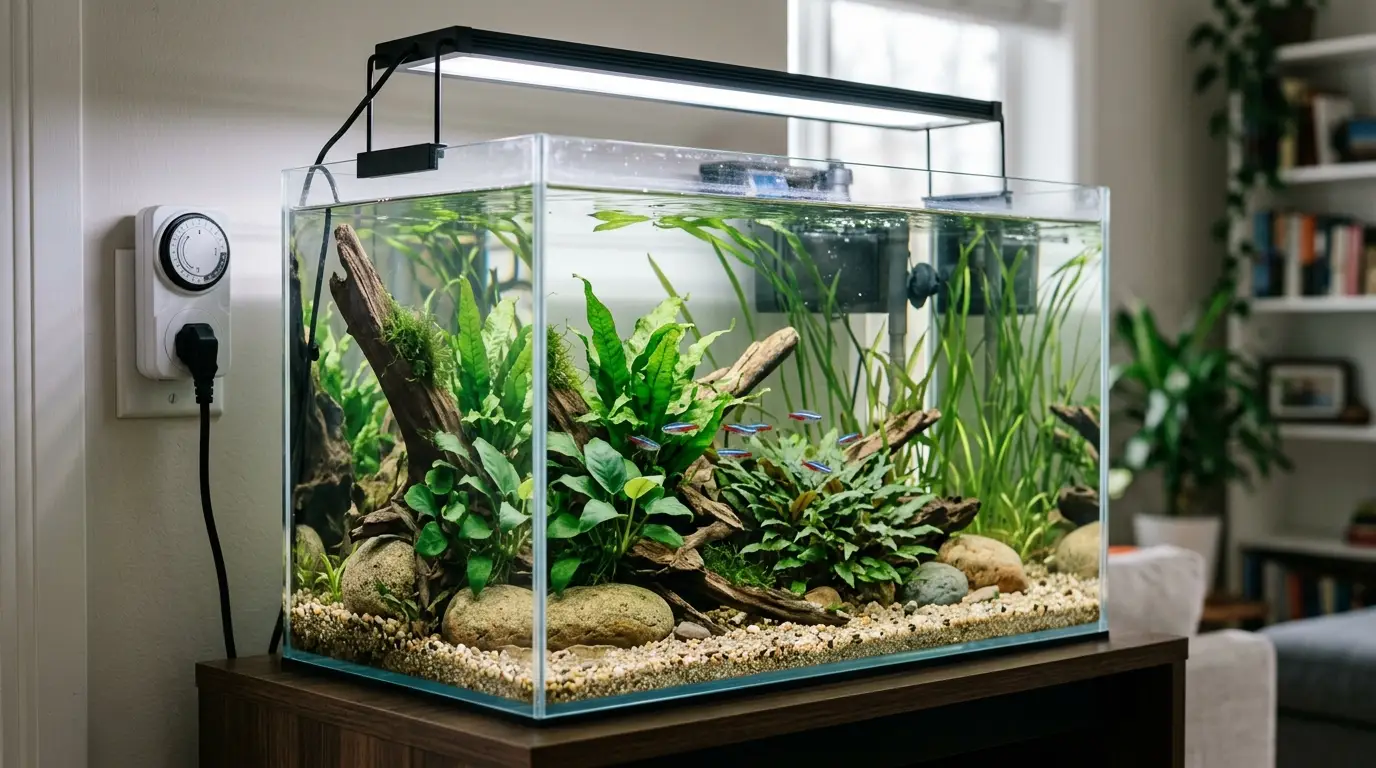
Lighting
- Use a basic 6500K LED. Aim for 6 to 8 hours per day.
- Start low and raise slowly. Use a timer to stay consistent.
- If algae shows up, cut light by an hour and add floating plants.
Substrate
- Plain gravel or sand works. Add root tabs under heavy root feeders like swords, crypts, and vals.
- Planted soil is nice but not required for the best aquarium plants for beginners low maintenance.
Fertilizers
- Use an all-in-one liquid once or twice per week.
- Insert root tabs every 6 to 8 weeks for root feeders.
- Look for slow growth and pale leaves as a sign to increase dose.
CO2
- Not needed here. Good surface ripple and steady light are enough.
- If you add CO2 later, do it slowly and watch fish and pH.
Water parameters
- Most easy plants like pH 6.5 to 8.0.
- Temperature 72 to 80°F suits most community tanks.
- Moderate hardness is fine. Stability beats chasing numbers.
This simple plan is ideal for the best aquarium plants for beginners low maintenance. It keeps costs low and results high.
Easy aquascapes that work
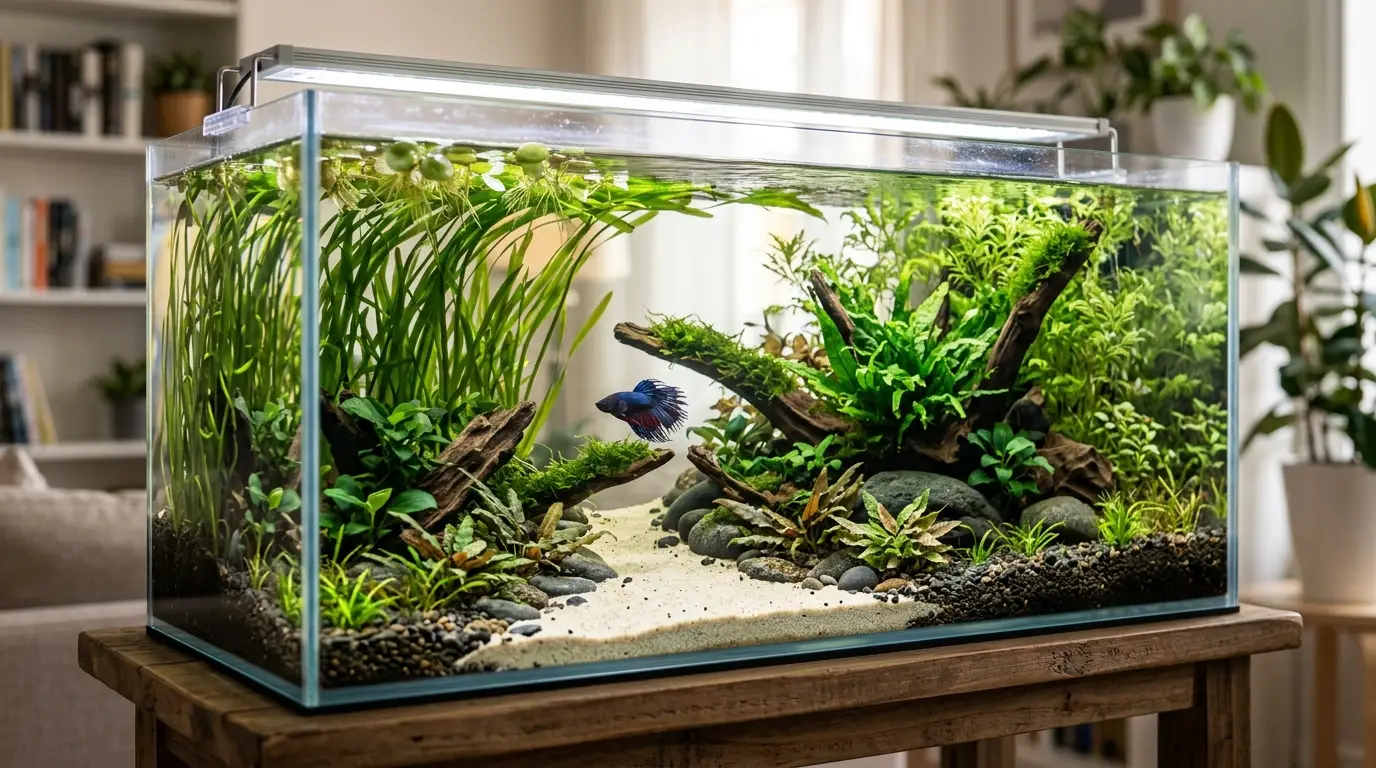
Low-tech jungle for a 10-gallon
- Background: Vallisneria.
- Midground: Crypt wendtii and Anubias.
- Foreground: Marimo or small Anubias nana. Add Java moss on wood.
20-long “river” look
- Create a sand path with gravel banks.
- Plant swords and wisteria in the back. Add Java fern on rock.
- Float frogbit to shade the path and calm skittish fish.
5-gallon betta retreat
- Anubias on a driftwood branch.
- Java fern near the back corner.
- Frogbit overhead for soft light and bubble nests.
All three layouts showcase the best aquarium plants for beginners low maintenance and thrive with a simple timer and weekly care.
Troubleshooting common problems
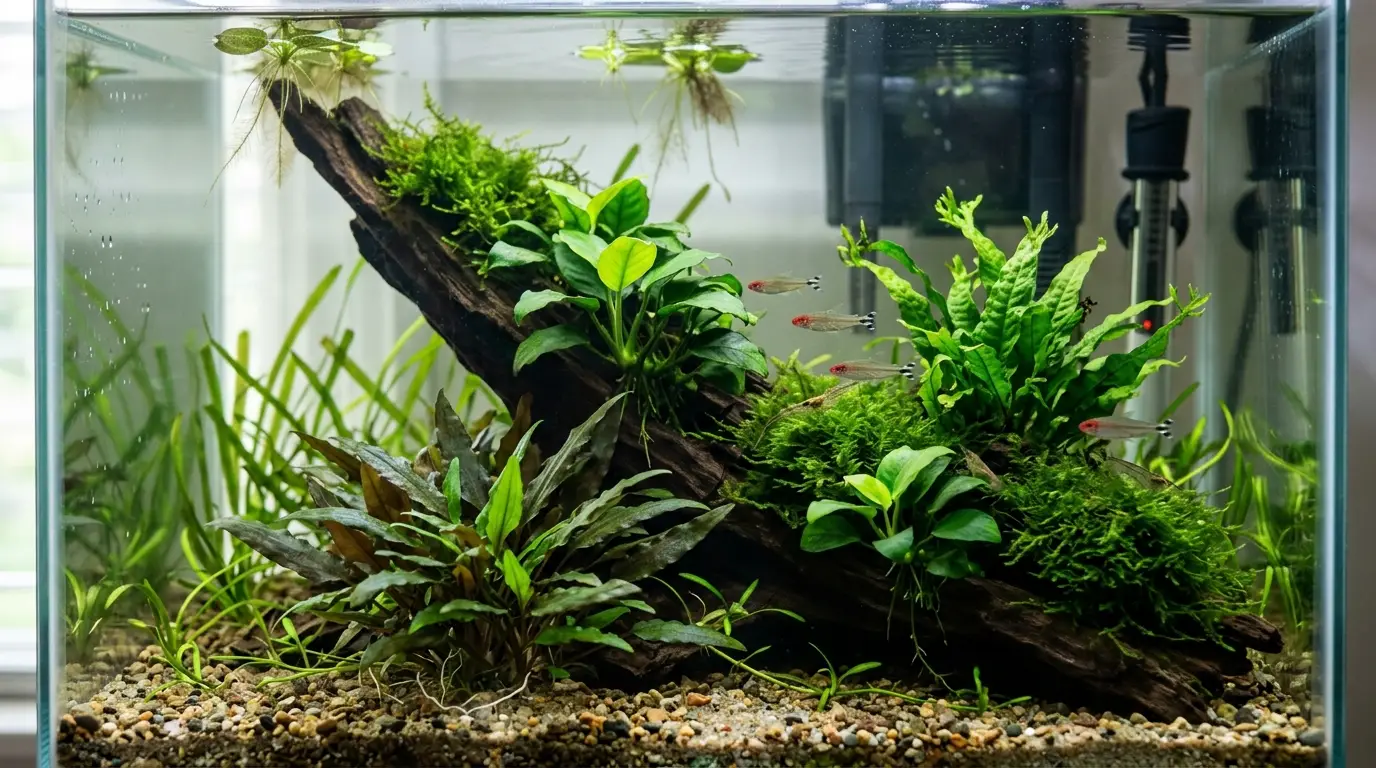
New plant melt
- Crypts and swords can drop leaves after planting.
- Leave the roots in place. Add a root tab. New leaves will form.
Algae showing up
- Brown dust algae in new tanks is normal. Wipe it off and keep up water changes.
- Green hair algae means too much light or extra nutrients. Cut the light hour, add floaters, and keep the filter clean.
Yellow or pinholes in leaves
- Often a sign of low nutrients. Add a root tab or increase liquid ferts a bit.
- Old leaves die off. Focus on new growth quality.
Stunted or melting vallisneria
- Can react to glutaraldehyde-based algaecides. Reduce or stop product use.
- Provide root tabs and gentle light.
Weak growth under bright light
- Strong light needs more nutrients and CO2. For low tech, reduce intensity and time.
- Keep it balanced for the best aquarium plants for beginners low maintenance.
A 15-minute weekly routine
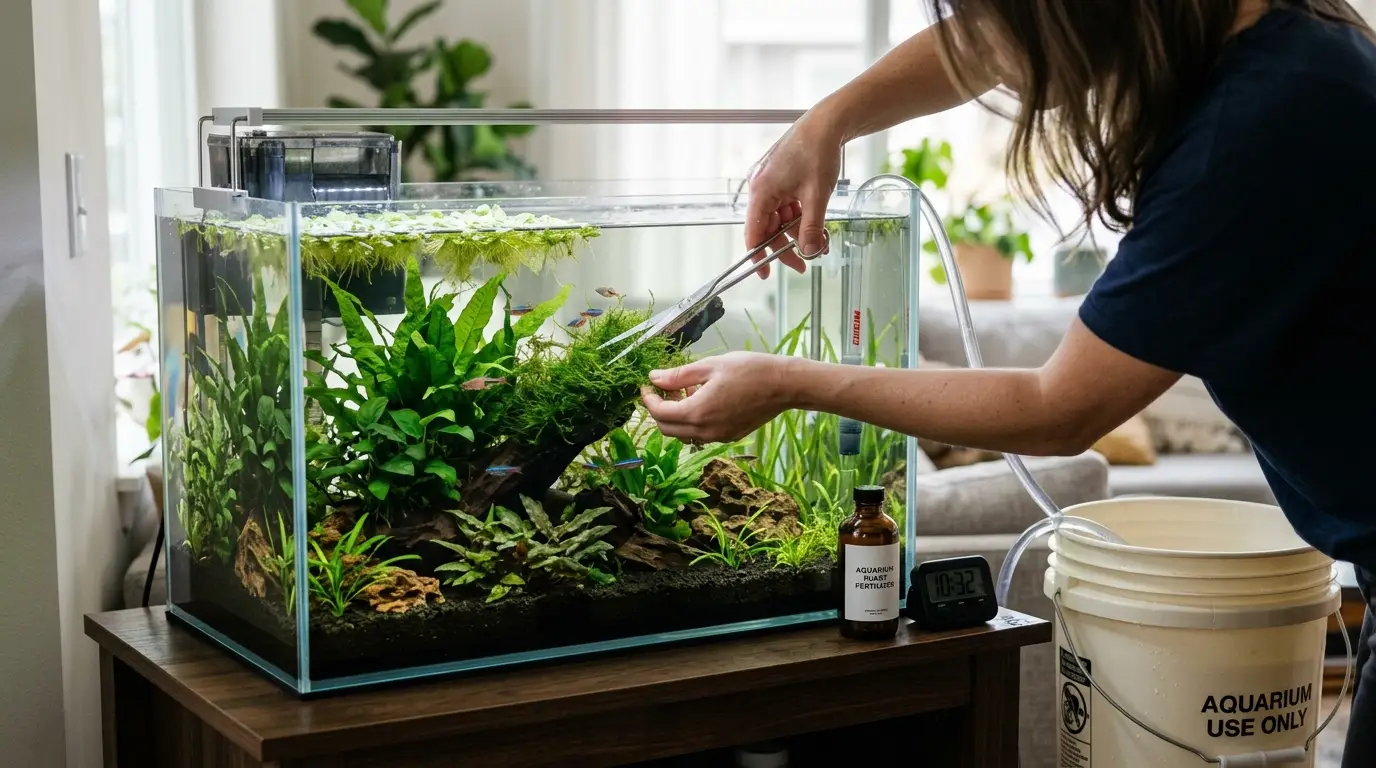
- Top off for evaporation. Wipe glass with a soft pad.
- Do a 20 to 30 percent water change. Vacuum lightly around plants.
- Dose liquid fertilizer as directed. Insert root tabs as needed.
- Trim long stems and moss. Replant healthy tops.
- Check the timer and filter flow. Consistency beats perfect gear.
This is the rhythm I use on client tanks. It keeps the best aquarium plants for beginners low maintenance looking lush with little effort.
Buying, quarantine, and safety
Smart buying
- Choose plants with firm, green leaves and white, crisp roots.
- Avoid bunches with mushy stems or clear, melting leaves.
Quarantine and dips
- Rinse well. Inspect for snails, leeches, or algae.
- Alum dip: 1 tablespoon per gallon for 2 to 3 hours, then rinse.
- Bleach dip for hardy rhizomes only: 1 part bleach to 19 parts water for 1 minute, then dechlorinate and rinse very well.
- Potassium permanganate dips also work at low dose with care.
Fish and shrimp safety
- Most fertilizers are safe as directed. Avoid copper with shrimp.
- Always dechlorinate after any dip. Test in a spare bucket if unsure.
Clean plants and safe dips help protect the best aquarium plants for beginners low maintenance and your livestock.
Budget and starter gear that helps
Core items
- Reliable LED with a timer.
- Liquid all-in-one fertilizer and root tabs.
- Long tweezers and scissors for planting and trims.
- Dechlorinator and a gravel vacuum.
Nice-to-have
- Small powerhead for gentle flow in larger tanks.
- Test kit for nitrate and pH so you can track trends.
With this kit, you can grow the best aquarium plants for beginners low maintenance without pricey extras. Start simple, then scale if you want more.
Frequently Asked Questions of best aquarium plants for beginners low maintenance
Do I need CO2 for these plants?
No. These plants grow well in low-tech tanks without injected CO2. Good light timing and steady water changes are enough.
How long should I run the lights each day?
Aim for 6 to 8 hours. If algae appears, reduce by an hour and add floating plants.
What is the easiest plant to start with?
Anubias and Java fern are the most forgiving. They attach to wood or rock and do not need rich soil.
Why did my crypts melt after planting?
Crypts often melt when moved. Leave the roots in place and add a root tab; new leaves will return.
Can I keep these plants with a betta?
Yes. Bettas love broad leaves and shade from floaters. Use gentle flow and avoid sharp decor.
Will goldfish eat these plants?
Many goldfish nibble soft plants. Try hardy options like Java fern and Anubias attached to hardscape.
Are fertilizers safe for shrimp and snails?
Most are safe if you follow the label. Avoid high copper levels and do small, regular doses.
Conclusion
You can build a lush, stable tank with simple steps and hardy greens. Start with Anubias, Java fern, moss, crypts, and vals, and follow a short weekly routine. The best aquarium plants for beginners low maintenance reward steady habits, not fancy gear.
Set a timer, add root tabs where needed, and trim a little each week. You will see strong new growth and calmer fish. Ready to grow your first planted tank? Try two or three plants from this guide, share your results, and subscribe for more easy aquascape tips.