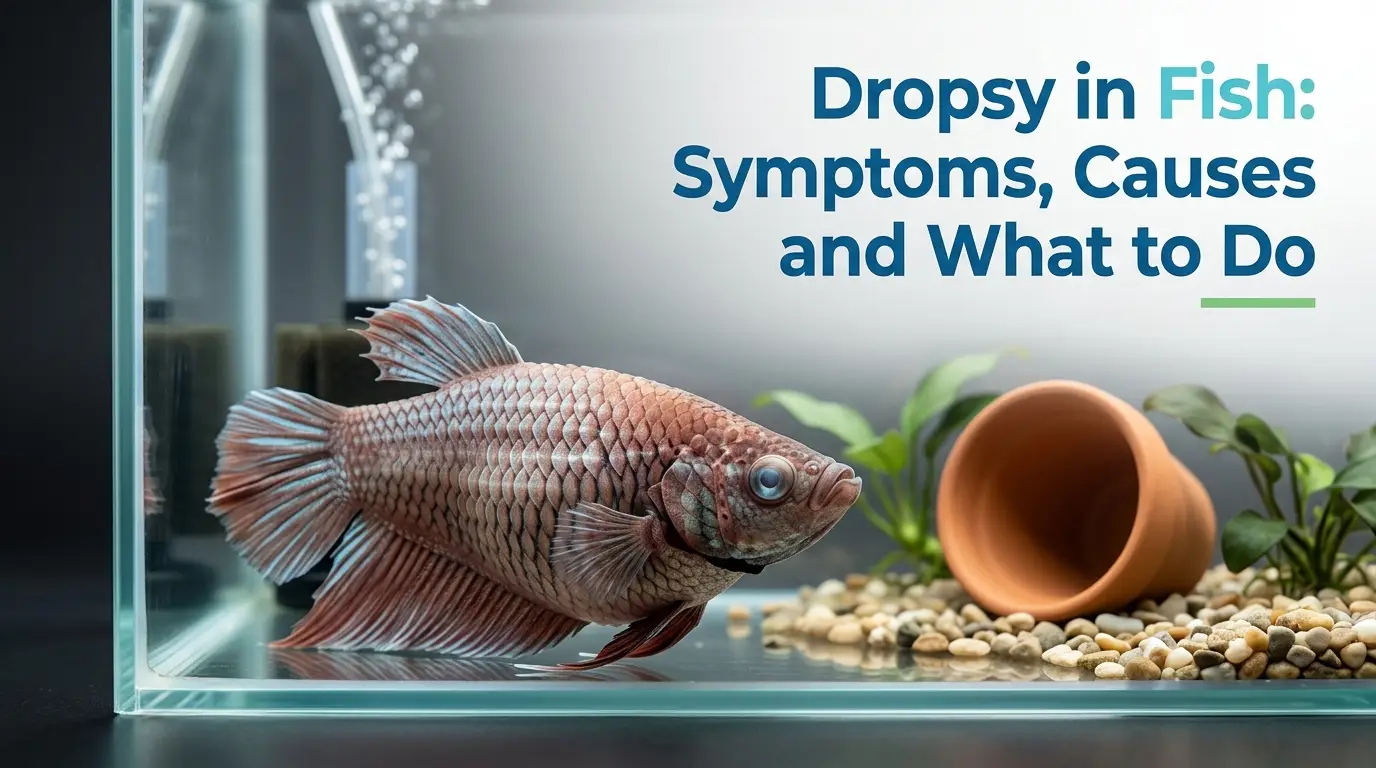
Dropsy in fish is dangerous body swelling from infection; treat fast and gently.
If your fish looks round like a pinecone, you may be facing dropsy in fish. I’ve helped many hobbyists save sick goldfish, bettas, and tetras by acting early and using simple steps. This guide breaks down dropsy in fish, symptoms, causes, and what to do right now. You’ll learn how to spot it, the real reasons it happens, and a safe plan that works at home or with a vet.
What is dropsy in fish?
Dropsy in fish is not a single disease. It is a syndrome. It means your fish is holding fluid inside the body. This fluid builds up due to organ or kidney failure, infection, or severe stress. The classic sign is pineconing, where scales stick out.
Inside the fish, salt and water balance breaks. The liver and kidneys cannot move water out. In most cases, bacteria like Aeromonas hit a stressed fish. The belly swells. The skin stretches. Gills struggle. Without care, the outcome is poor. But early action can help.
Symptoms of dropsy in fish

Look for more than a big belly. One sign alone can mislead you. Stack the signs to be sure.
Common signs you can see
- Swollen belly that looks round or boxy
- Scales that stick out like a pinecone when viewed from above
- Bulging eyes, red veins in fins, or pale gills
- Stringy white poop or no poop at all
- Lethargy, clamped fins, hovering near the surface or bottom
- Loss of appetite or spitting food
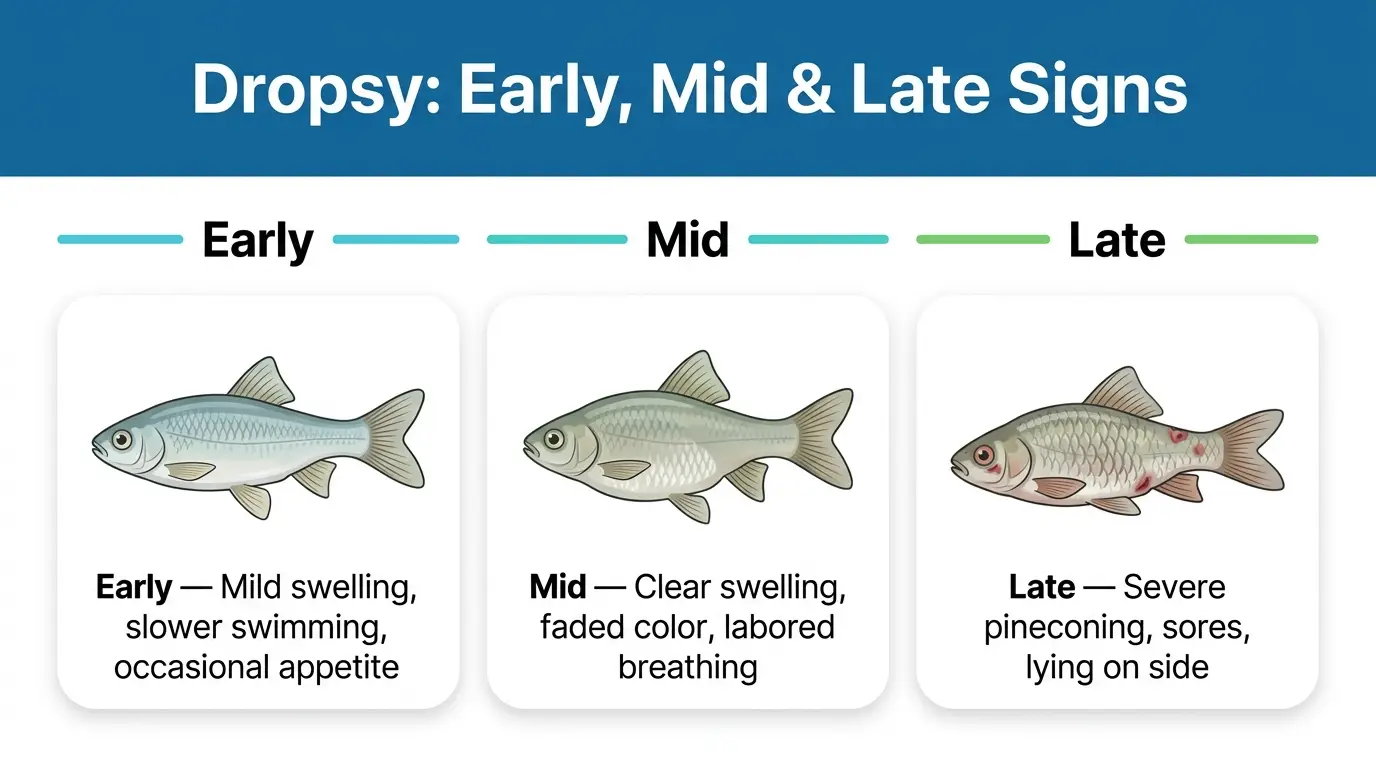
Early vs late signs
- Early: mild bloat, slow swimming, occasional appetite
- Mid: clear swelling, color fades, labored breathing
- Late: severe pineconing, sores, ulcers, lying on the side
I once caught early dropsy in a betta by checking from above each day. The scales had a tiny lift. A fast move to a clean hospital tank and Epsom salt bath stopped it from getting worse.
Causes and risk factors
Dropsy in fish usually comes from more than one cause. Think of it like a “perfect storm.”
Main triggers
- Poor water quality: ammonia or nitrite above 0 ppm, or high nitrate over 40 ppm
- Sudden swings in pH, temperature, or hardness
- Overfeeding and fatty diets that stress organs
- Internal bacterial infection, often gram‑negative like Aeromonas
- Parasites or internal protozoa that damage the gut
- Old age or genetic organ issues
Risky tank habits
- Skipping water tests and rare water changes
- Adding new fish without a 4‑week quarantine
- Overcrowding and low oxygen
- Dirty filters or deep, infrequent cleanings that crash the biofilter
Veterinary texts and fish health studies note that warm, dirty water speeds bacterial growth. Stressed fish lose their mucus barrier and get sick fast.
How to tell dropsy from other problems
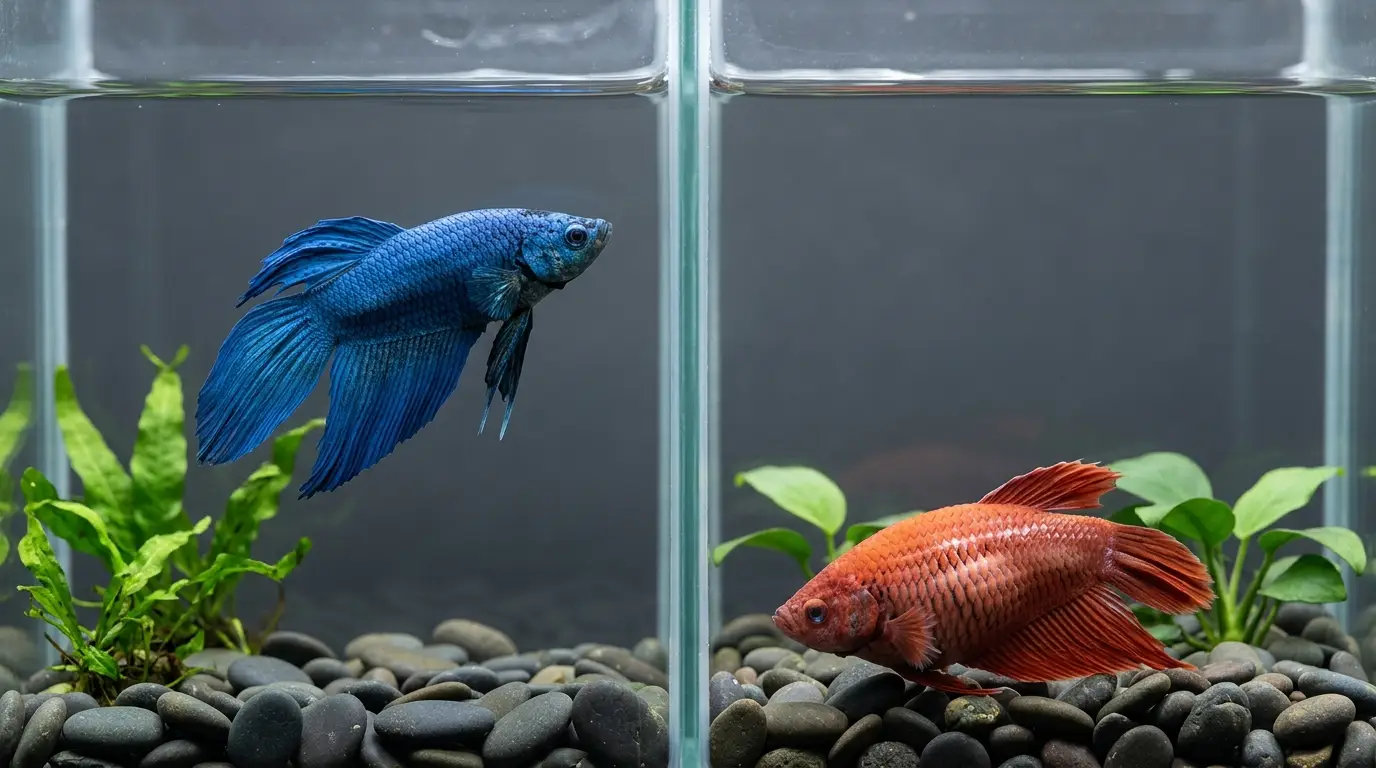
Not all bloat is dropsy in fish. Match the pattern before you treat.
What looks similar
- Constipation: belly big but no pineconing; fish may pass large poop; peas help here
- Egg binding: females swell on one side; scales usually lie flat early
- Tumors or cysts: lump is lopsided; growth is slow
- Swim bladder issues: fish floats odd, but scales often flat unless infection starts
- “New food bloat”: soft swelling right after a heavy dry pellet meal
Key clue: pineconing points to fluid under the skin. That is the hallmark of dropsy in fish. If scales lie flat, think constipation, eggs, or diet first.
What to do: a step‑by‑step treatment plan
Act fast. The first 24–48 hours matter most for dropsy in fish.
Immediate steps
- Move the fish to a hospital tank. Use clean, heated, and aerated water. Match pH and temperature to reduce shock.
- Test water. Keep ammonia and nitrite at 0 ppm. Hold nitrate under 20 ppm.
- Increase oxygen. Add an airstone. Dropsy in fish stresses gills.
- Fast for 24 hours. A full gut adds pressure and waste.

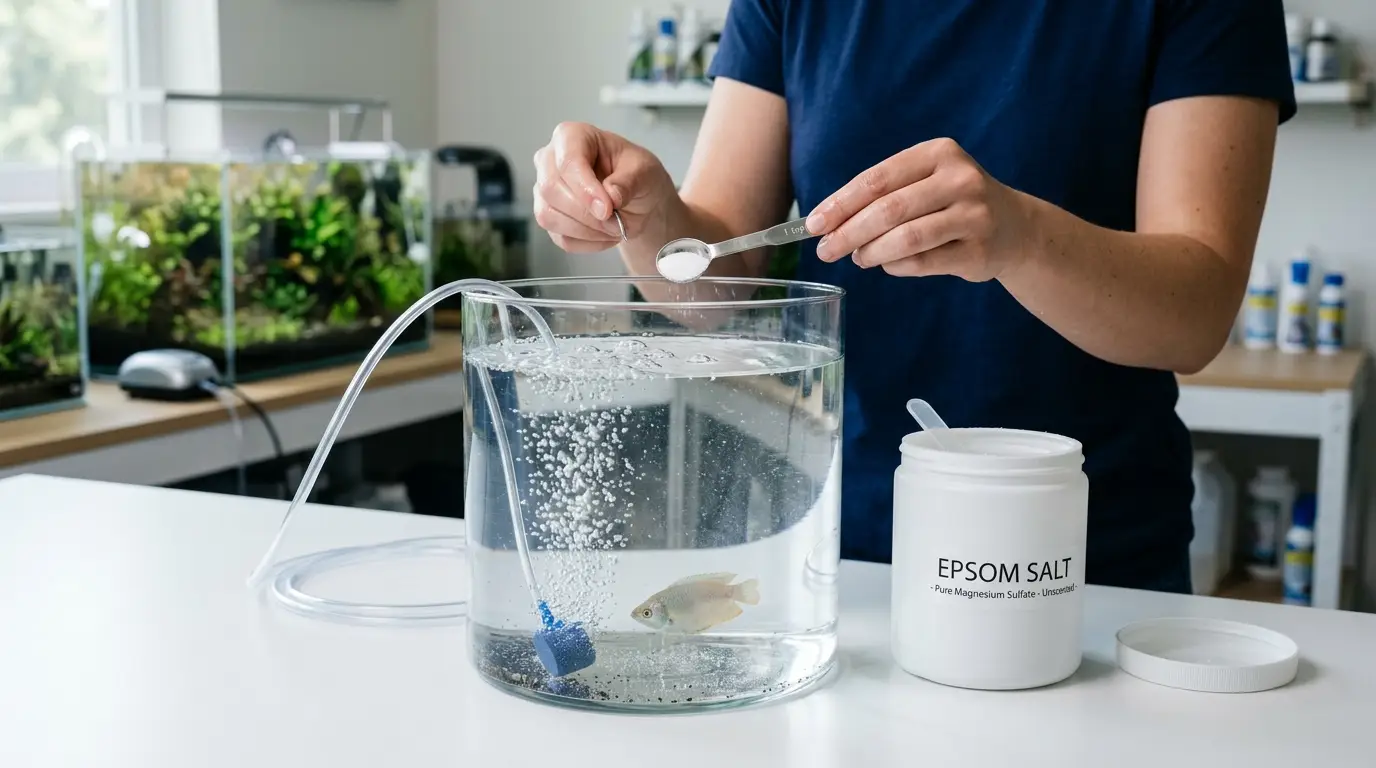
Epsom salt (magnesium sulfate) use
- Purpose: draws out fluid and reduces swelling
- In‑tank: 1 teaspoon per 5 gallons, dissolved first; replace for water changes
- Short bath: 1 teaspoon per 1 gallon for 15 minutes with strong aeration; watch closely; stop if fish stresses
Antibiotics and meds
- Use a broad‑spectrum, gram‑negative antibiotic for internal infection. Options include kanamycin or minocycline. Many pair with nitrofurazone.
- If internal protozoa are suspected (white stringy poop, wasting), add metronidazole per label.
- Feed medicated food if the fish still eats. It targets the gut better than water dosing.
- Follow labels and local laws. Do not medicate the display tank. Remove carbon from filters in the hospital tank.
Daily care routine
- Change 25–50% water daily. Dechlorinate and temperature match.
- Keep warm, stable temps. For tropical fish, 78–80°F helps immunity. For goldfish, stay near their normal range and prioritize oxygen.
- Keep lights low and reduce stress. Quiet helps recovery.
When to call a vet
- Koi, large goldfish, or rare stock may need culture and targeted drugs
- Severe ulcers or no response in 48–72 hours
- Suspected mycobacteriosis (fish TB) or organ failure
Supportive care during recovery
Small habits make a big difference with dropsy in fish.
Feeding tips
- Start slow after the fast. Offer small, soft meals once daily.
- Use high‑quality frozen or gel foods that are easy to digest.
- Skip fatty treats. Avoid bloating pellet binges.
Comfort and stress control
- Use hides and plants for line‑of‑sight breaks
- Keep tank mates away until the fish is strong
- Maintain stable pH and temperature
Observation
- Check from above for changes in pineconing
- Watch gills and swimming effort
- Track poop and appetite daily
Prevention and long‑term care
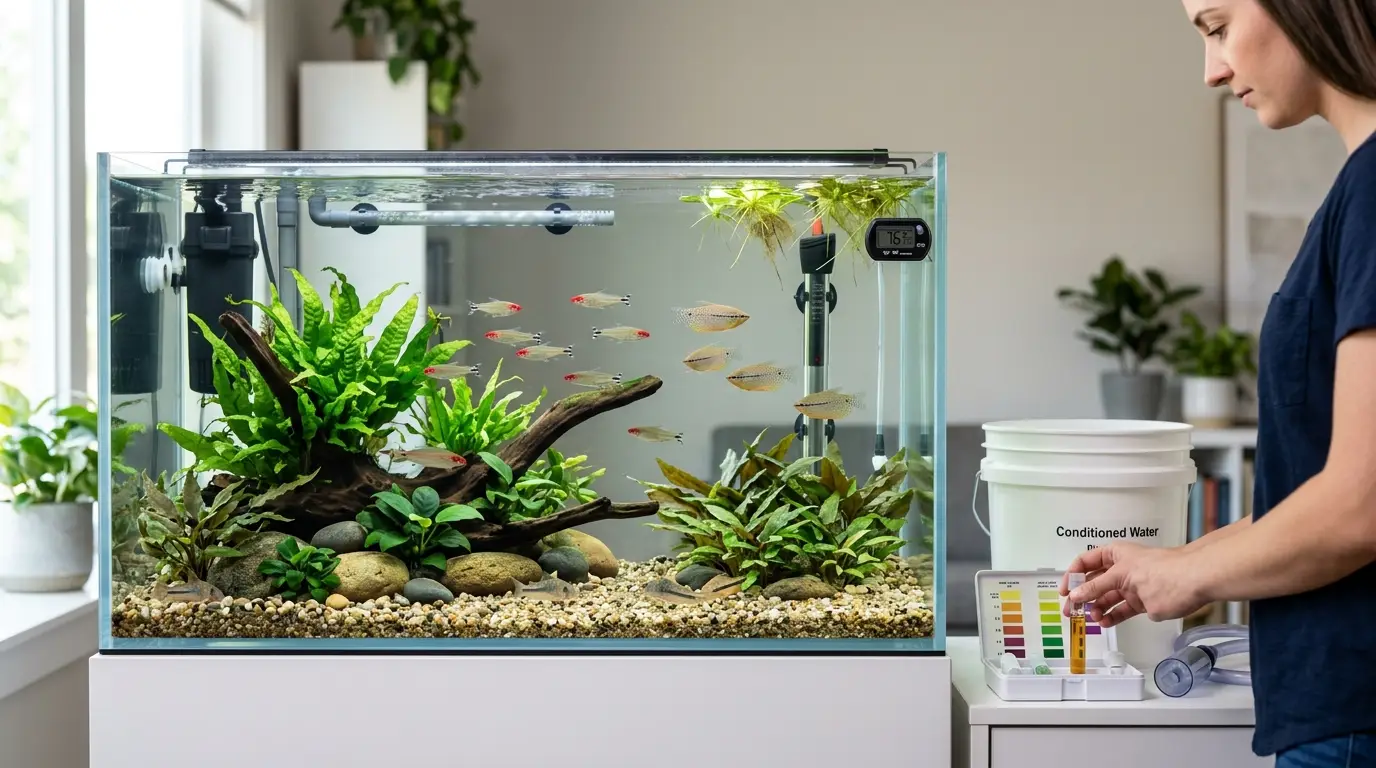
Prevention beats cure with dropsy in fish. Make health your routine.
Water and tank care
- Cycle the tank before adding fish
- Test weekly for ammonia, nitrite, nitrate, and pH
- Change 25–40% water weekly, more for heavy‑fed tanks
- Rinse filter media in tank water to protect bacteria
Stocking and feeding
- Quarantine all new fish for 4 weeks
- Do not overcrowd; follow inch‑per‑gallon rules as a soft guide
- Feed small meals; aim for fish to finish in under 2 minutes
- Use varied foods for vitamins and fiber
Stress control
- Keep temperature steady within the species range
- Avoid mixing aggressive and shy fish
- Provide cover and correct water hardness
I once stopped recurring dropsy in a goldfish tank by lowering nitrate from 60 ppm to under 20 ppm with bigger weekly water changes and lighter feeding. No new cases after that shift.
Common mistakes and myths
Avoid these traps. They waste time when dropsy in fish moves fast.
Mistakes
- Treating the whole display tank and crashing the biofilter
- Skipping tests and assuming the water is fine
- Overusing salt mixes or random meds without a plan
- Feeding peas as a cure for all bloat
Myths
- “Dropsy is a specific disease.” It is a symptom set.
- “Salt alone will fix dropsy.” Epsom can help fluid, but infection needs more.
- “If the fish eats, it is not sick.” Many sick fish still eat early on.
When humane euthanasia is considered
Sometimes the kindest choice is to end suffering. Late‑stage dropsy in fish can be painful.
Consider euthanasia if
- Severe pineconing, open sores, and no eating for a week
- The fish cannot swim or breathe well even with care
- No response after several days of correct treatment
Use humane methods only. Many keepers use clove oil sedation followed by an overdose in a separate container. Do not freeze or flush fish. If you are unsure, ask a vet who treats fish.
Frequently Asked Questions of Dropsy in Fish: Symptoms Causes and What to Do
Is dropsy in fish contagious?
Dropsy itself is a symptom, but the cause can spread. Bacteria or parasites may infect others, so quarantine the sick fish and boost care for the main tank.
How fast does dropsy progress?
It can move in days if water is poor and fish are stressed. Early action within 24–48 hours can change the outcome.
Can peas cure dropsy in fish?
Peas help constipation, not fluid buildup from infection. For dropsy in fish, you need water fixes, Epsom help, and often antibiotics.
Which antibiotic works best for dropsy?
Use a gram‑negative, internal‑targeting antibiotic like kanamycin or minocycline. Many keepers add nitrofurazone or metronidazole when gut issues are likely.
Should I raise the temperature for dropsy in fish?
For tropical fish, a slight raise to 78–80°F can help the immune system. Keep strong aeration, and do not overheat goldfish or cool‑water fish.
How do I know if it’s dropsy or constipation?
Check scales from above. Pineconing points to dropsy in fish; flat scales with large poop suggests constipation.
Will aquarium salt help dropsy?
Aquarium salt can ease stress but does not pull fluid like Epsom salt. Use Epsom for swelling and antibiotics for infection.
Conclusion
Dropsy in fish looks scary, but you are not helpless. Confirm the signs, fix the water, isolate the fish, use Epsom salt right, and start targeted meds fast. Support with oxygen, calm space, and simple, gentle feeding.
Build a routine that prevents the next case: test weekly, change water often, quarantine new fish, and feed less but better. Your fish rely on you for stable, clean water and quick care.
If this guide helped, share it with a fellow aquarist, subscribe for more fish health tips, or drop your questions and results in the comments. Your story could save a fish tomorrow.



3 Comments