White spot disease spreads fast but is curable with prompt, correct treatment.
If your fish look like they were dusted with salt, you need clear steps now. In this White Spot Disease in Fish Complete Guide, I share science-backed methods, simple routines, and lessons from real tanks. You will learn what causes ich, how to treat it, and how to keep it from coming back. Read on for a calm, complete path to healthy fish.
What Is White Spot Disease (Ich) and Why It Spreads
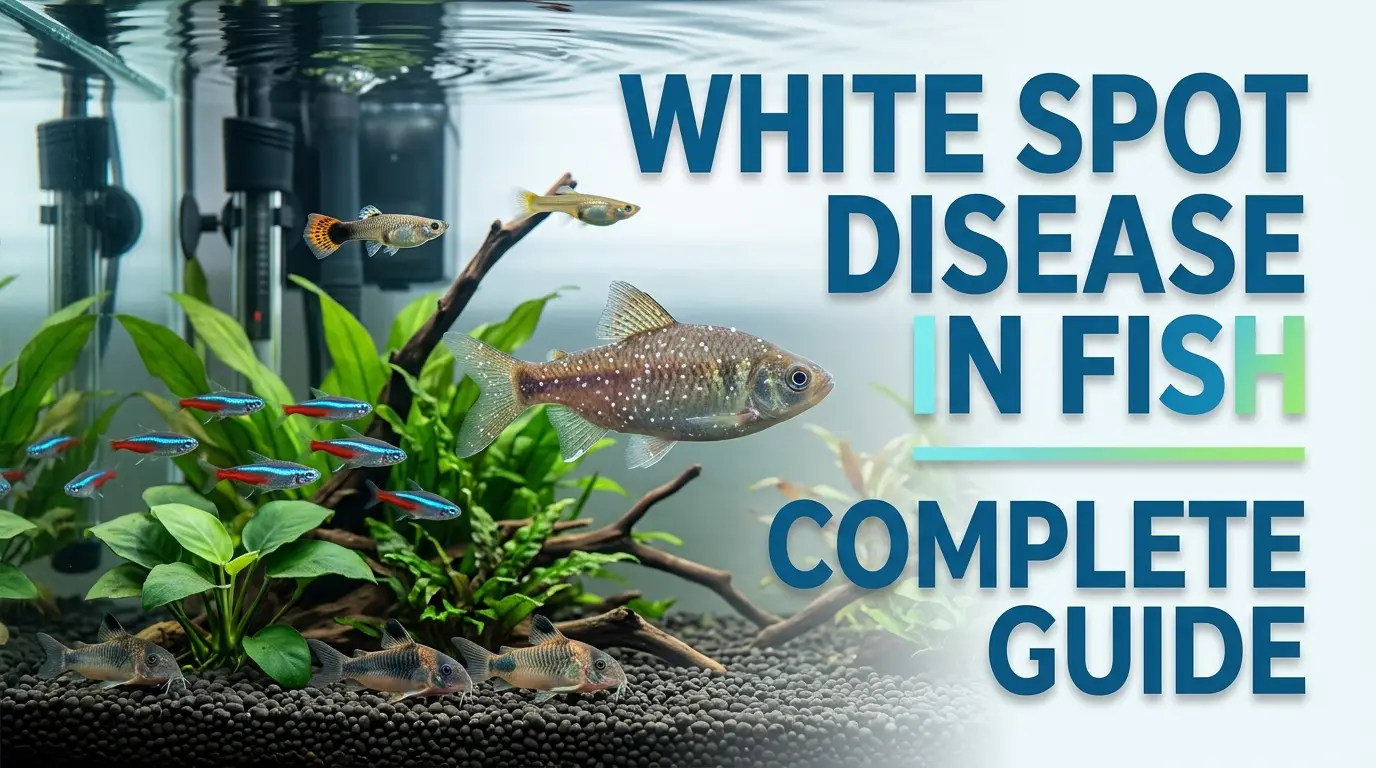
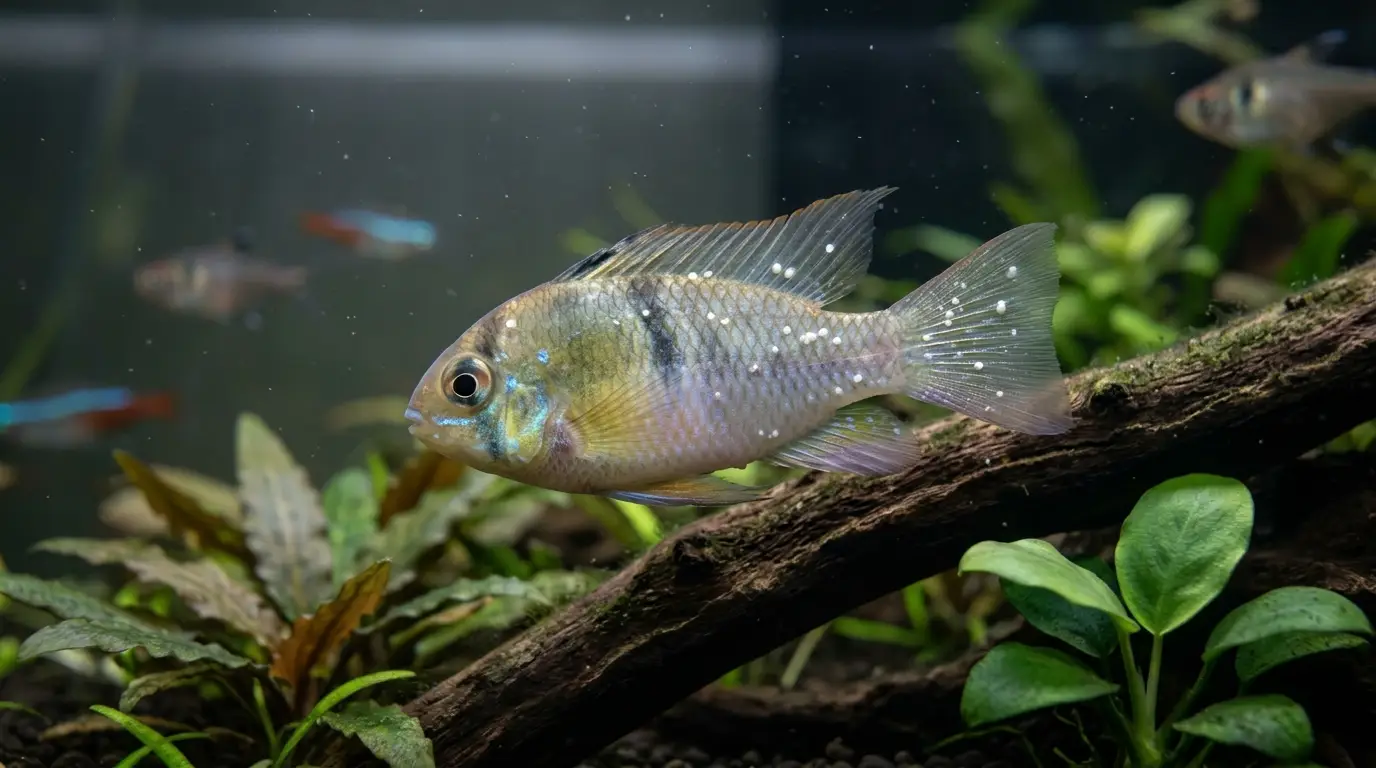
White spot disease is a parasitic infection that hits both freshwater and marine fish. In freshwater, the parasite is Ichthyophthirius multifiliis. In saltwater, it is Cryptocaryon irritans, also called marine ich. Both show as tiny white cysts on the skin, fins, and gills.
The parasite has a simple aim: find a host, feed, multiply, and repeat. It rides in with new fish, water, plants, or gear. It thrives when fish are stressed. That stress can be transport, poor water, low oxygen, or a sudden chill. The parasite cycles faster in warm water, so an outbreak can explode in days.
Untreated ich can kill. It blocks gills, wrecks the slime coat, and opens doors to bacteria. The good news is that ich is beatable with set methods and steady care. This White Spot Disease in Fish Complete Guide keeps the focus on why it spreads and how to stop it.
Recognizing Symptoms Early
Catching ich early saves fish and time. Look for these clear signs:
- White pinhead dots on skin, fins, and gills that look like salt
- Flashing, which is rubbing or scratching on objects
- Clamped fins and a dull or milky slime coat
- Gasping at the surface or rapid gill movement
- Lethargy and hiding more than usual
- Loss of appetite and weight loss
Conditions that look similar:
- Velvet disease shows a fine gold or dusty sheen, not crisp dots.
- Lymphocystis makes larger, cauliflower-like bumps.
- Sand grains can stick to wet fish after digging, then wash off.
If in doubt, assume ich and act. Use this White Spot Disease in Fish Complete Guide to spot signs early and respond fast.
The Parasite Lifecycle Explained (Timing Matters)
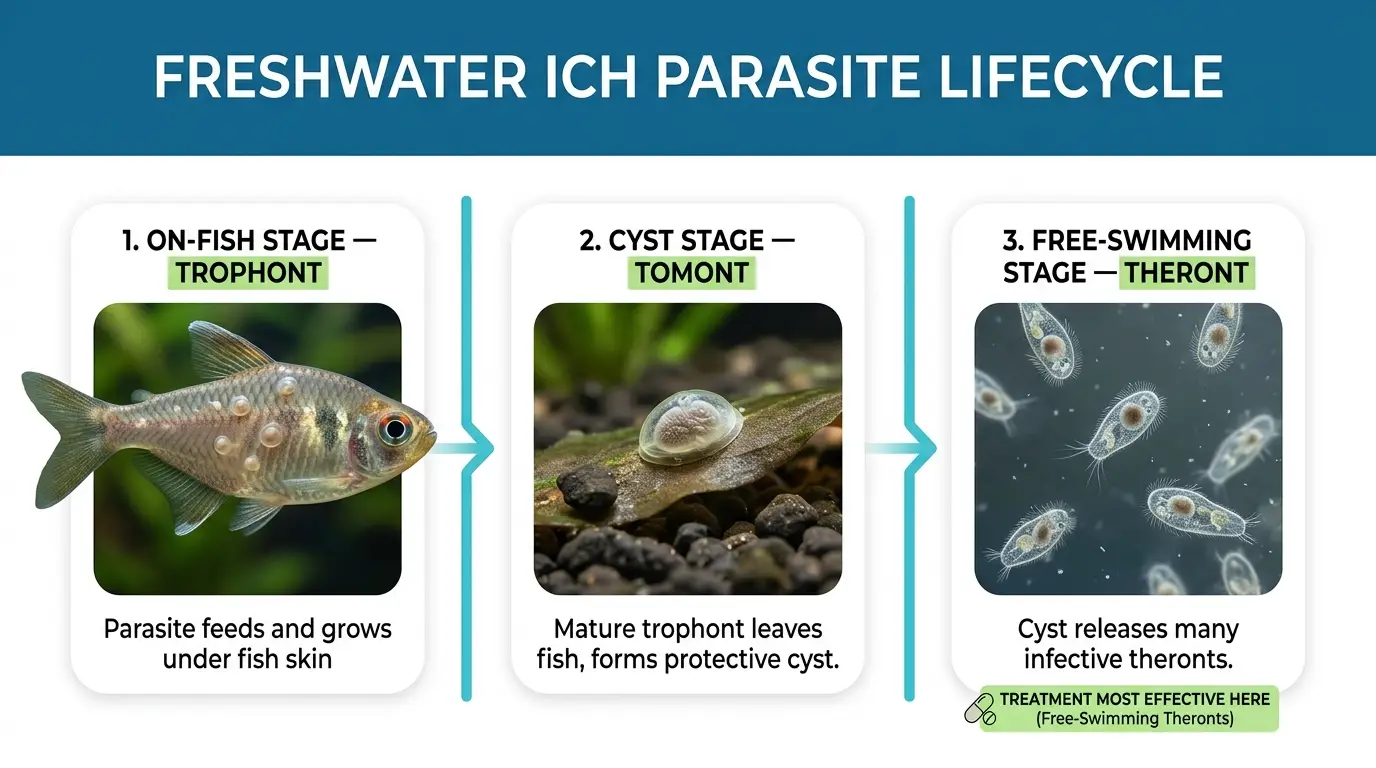
Treatment works when the parasite is free-swimming. That is the key. Here is the simple cycle:
- On-fish stage (trophont). It sits under the skin or in gills. Meds cannot reach it here.
- Cyst stage (tomont). It drops off and forms a capsule on surfaces. It divides many times.
- Free-swimming stage (theront). Tiny swimmers burst out to find a fish host. Meds and UV can kill them now.
Timing varies with temperature:
- Warmer water speeds the cycle. In tropical tanks, it can be 3 to 7 days.
- Cooler water slows it. In ponds or unheated tanks, it can take weeks.
This is why treatment must continue past the last visible spot. You are targeting waves of new theronts. Timing is the thread in this White Spot Disease in Fish Complete Guide.
Causes and Risk Factors
Ich often appears right after a change. Reduce these triggers:
- No quarantine for new fish or plants
- Sudden temperature swings or poor acclimation
- High ammonia or nitrite, or high nitrate for long periods
- Overcrowding and low oxygen
- Stress from bullying or poor tank mates
- Dirty filters or a stalled cycle
- Cross-use of nets, buckets, or hands between tanks
You can manage most risks with steady habits and clean gear. Reduce risks with help from this White Spot Disease in Fish Complete Guide.
How to Diagnose Ich at Home (And When to Get Help)
Most hobbyists diagnose ich by sight. White dots plus flashing is a strong clue. But also check the basics first:
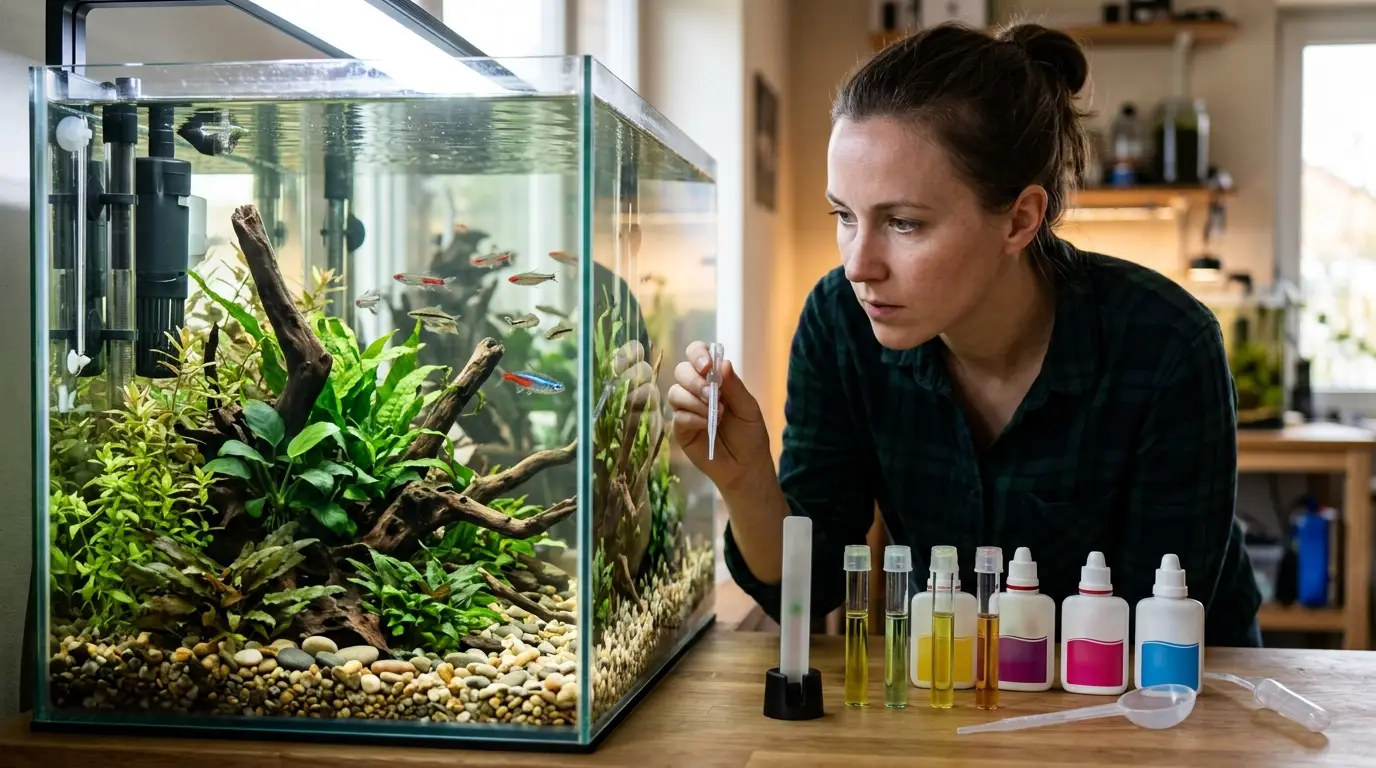
- Test water for ammonia, nitrite, nitrate, pH, and temperature.
- Fix water issues before or during treatment to cut stress.
Advanced checks if you have the tools:
- A skin or gill scrape under a microscope can confirm the parasite. Freshwater ich looks large and ciliated.
Call a fish vet or experienced shop if:
- Fish gasp hard, cannot swim well, or show heavy gill damage.
- Spots return each time you stop treatment.
- You keep a reef or rare fish and need species-safe options.
This White Spot Disease in Fish Complete Guide helps you choose next steps with calm and care.
Proven Treatments That Work
Use a plan that matches your setup and species. Do not mix meds unless a label says it is safe.
Freshwater options:
- Heat and salt. A classic first-line method for many community fish.
- Formalin–malachite green. Follow the label. Increase aeration. Avoid with sensitive fish.
- Commercial ich meds. Many blend malachite green or formalin. Read labels for dosage.
Marine options:
- Copper treatment in a separate quarantine tank. Use daily testing. Never dose copper in a reef.
- Chloroquine phosphate (by prescription in many areas). Use in quarantine. Remove lights and carbon.
General rules:
- Treat the whole tank in freshwater, since ich is everywhere in the system.
- In marine, remove fish to quarantine and run the display tank fallow.
- Keep treatment going 10 to 14 days after the last spot for freshwater ich.
- For marine ich, hold copper or chloroquine at full strength for 14 to 30 days.
Follow this White Spot Disease in Fish Complete Guide for safe, proven care that lasts.
Heat-and-Salt Method: Step-by-Step (Freshwater)
This is gentle and effective when done right. Check species limits first. Corydoras, loaches, and fry may need lower salt and lower heat.
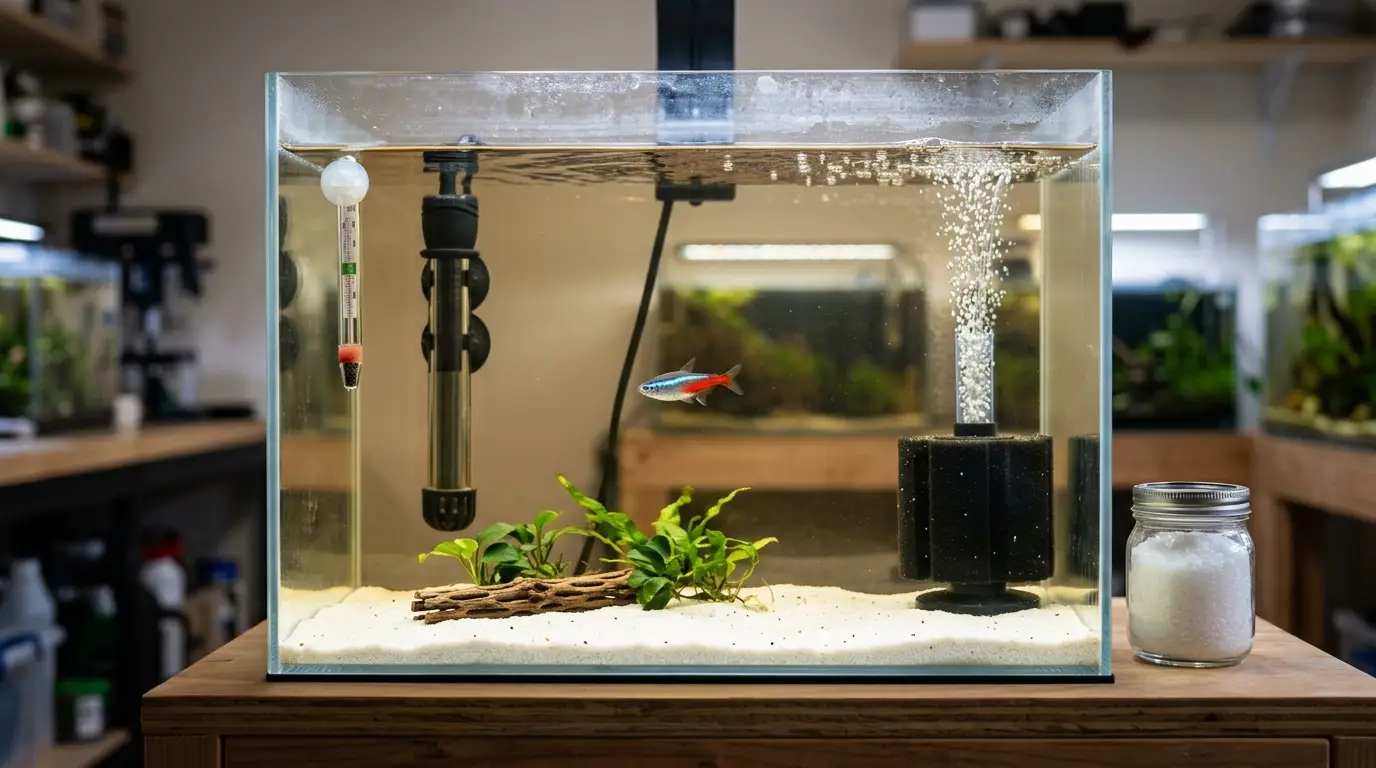
- Raise heat slowly. Increase 1 to 2°F per day to 82 to 86°F if safe for your fish.
- Add plain aquarium salt. Dose 1 to 2 grams per liter. As a simple guide, use 1 tablespoon per 2 gallons for most hardy fish.
- Boost oxygen. Add an airstone. Warmer water holds less oxygen.
- Do partial water changes. Change 25 to 50% every 48 hours. Redose only the salt removed.
- Vacuum the substrate. Remove cysts resting on the bottom.
- Keep it steady. Hold the plan for at least 10 to 14 days after the last spot clears.
Stop if fish show stress. Lower salt and heat, then switch to a labeled med if needed. This White Spot Disease in Fish Complete Guide favors simple, repeatable steps that spare fish and filters.
Copper and Chloroquine in Marine Systems
Marine ich needs a strict plan. Many reef fish tolerate copper and chloroquine well in quarantine. Corals and inverts do not.
Copper basics:
- Use a quarantine tank with bare bottom, heater, and sponge filter.
- Remove carbon and any rock. They bind copper.
- Dose to 0.18 to 0.22 mg/L free copper for ionic copper. For chelated copper, hold at 0.35 to 0.50 mg/L as per the brand and test kit.
- Test copper daily. Top up after water changes. Treat 14 to 30 days.
- Watch fish appetite, gills, and behavior.
Chloroquine basics:
- Dose 10 mg/L in quarantine. Many use a single dose for 10 to 14 days.
- Turn off UV and remove carbon. Light and carbon break it down.
- Re-dose after large water changes if needed.
Run the display tank fallow:
- Leave the main tank fishless for at least 6 to 8 weeks. Many aim for 9 to 10 weeks for best odds.
- Keep normal feeding off to reduce waste.
Use this White Spot Disease in Fish Complete Guide to run marine care with care and control.
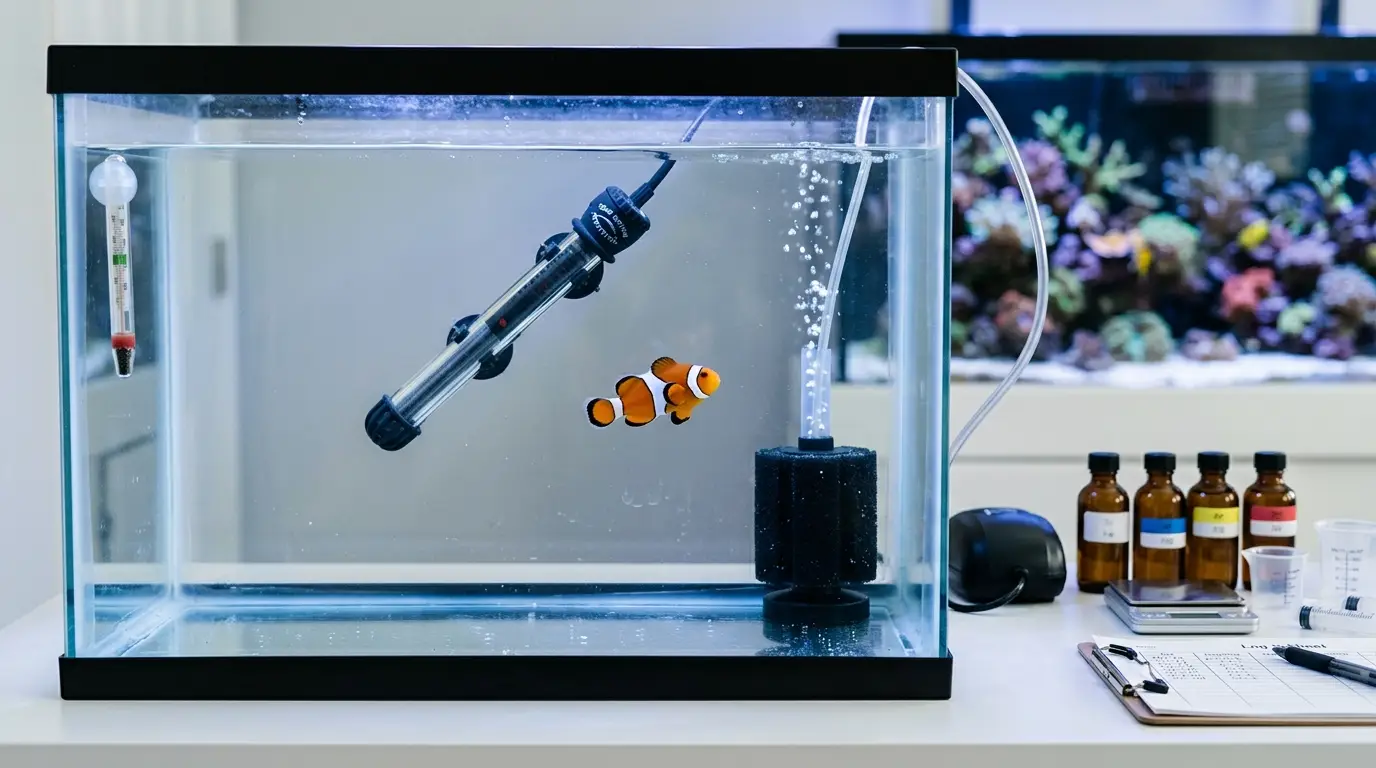
Supportive Care During Treatment
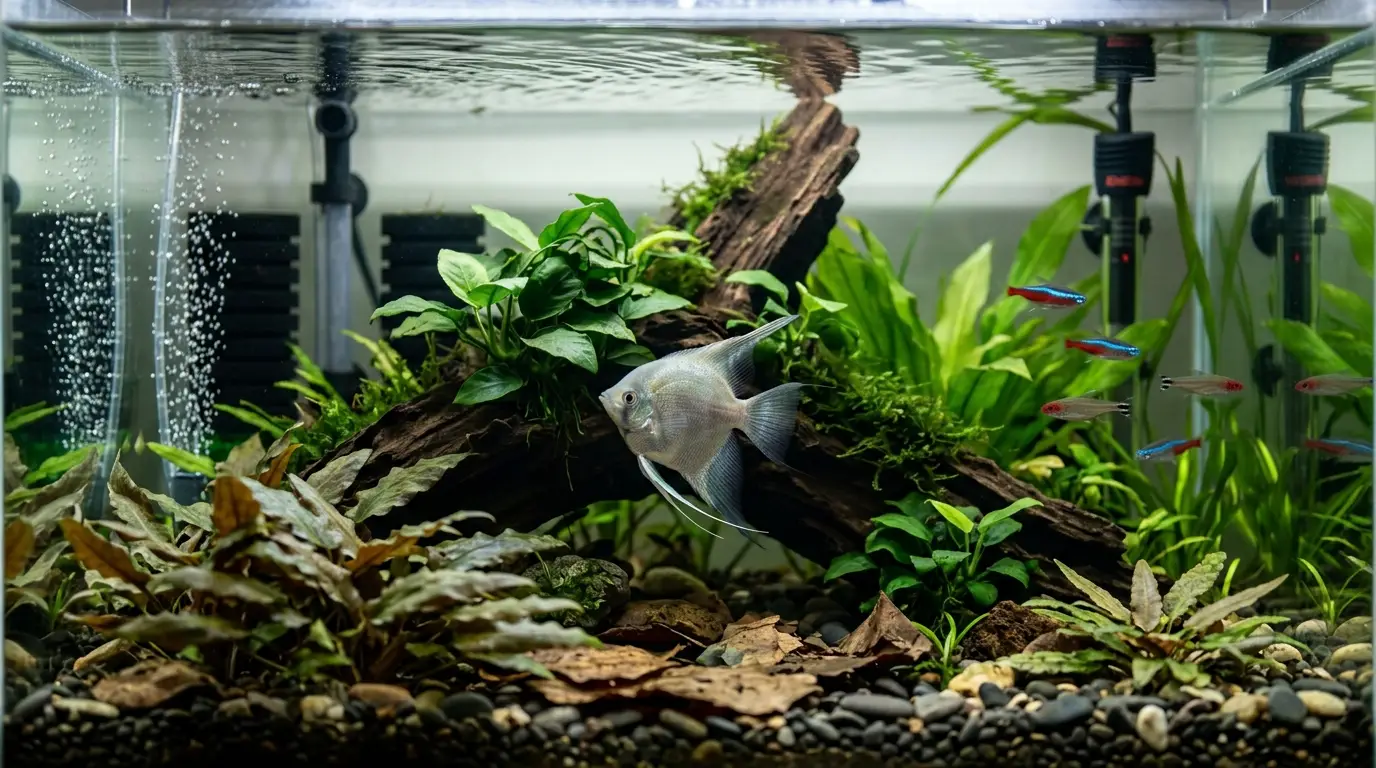
Good support helps fish fight back and heal. Keep stress low.
- Keep water clean. Test daily. Keep ammonia and nitrite at zero.
- Increase aeration. Both heat and meds lower oxygen.
- Feed small, high-quality meals. Offer soaked pellets or frozen foods.
- Dim lights and add hides. Calm fish recover faster.
- Do not add new fish. Pause all stocking until the outbreak ends.
Small changes stack up fast. Small changes in this White Spot Disease in Fish Complete Guide add big wins for recovery.
Prevention and Biosecurity
Strong habits beat ich before it starts. Build these into your weekly flow:
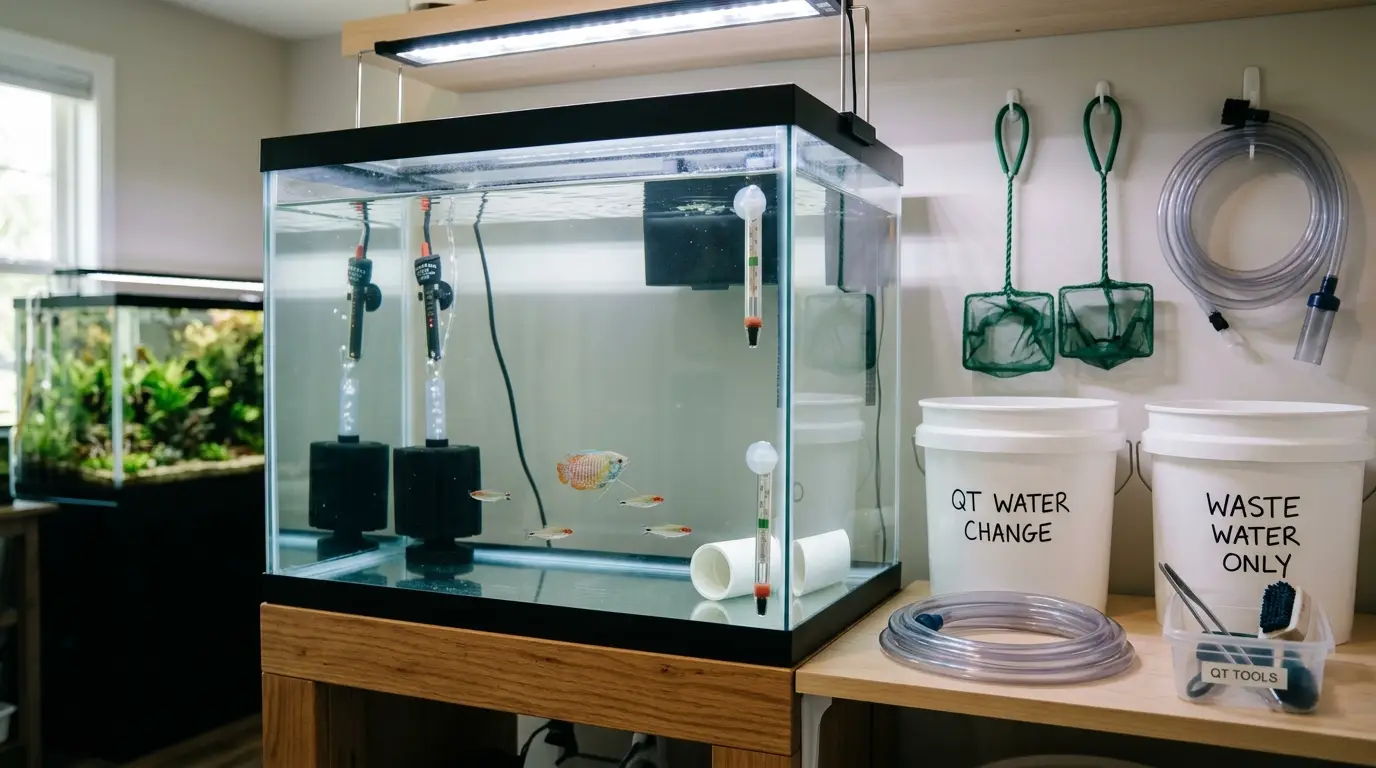
- Quarantine all new fish for 4 to 6 weeks. Watch for spots, flashing, and appetite.
- Use separate nets and buckets for each tank. Disinfect with a 1:20 bleach dip. Rinse and air-dry.
- Keep temperature stable. Use a reliable heater and thermometer.
- Avoid overcrowding. Stock slow and match species well.
- Use a UV sterilizer if you have many fish. It can cut free swimmers but does not replace quarantine.
- For marine fish, give a freshwater dip for 3 to 5 minutes before quarantine. Match pH and temperature.
Biosecurity is the heart of this White Spot Disease in Fish Complete Guide. It keeps your system safe long term.
Special Notes for Different Setups and Species
Species and setups change your plan. Make small tweaks for safety.
- Goldfish and koi. Heat to the mid-70s°F if possible. Use salt at the lower end. Formalin–malachite is common in ponds. Aerate well.
- Catfish, loaches, and other scaleless fish. Use less salt and lower med doses. Go slow and watch closely.
- Planted tanks. High salt can harm some plants. Consider targeted meds and spot vacuuming.
- Shrimp and snails. Many meds harm inverts. Treat fish in a hospital tank.
- Reef tanks. Never add copper to the display. Treat fish in quarantine and run fallow in the reef.
Species notes round out this White Spot Disease in Fish Complete Guide so you can adapt with confidence.
Costs, Products, and What I Keep on Hand
You do not need a lab to beat ich. A simple kit covers most cases.
- Quarantine tank. A 10 to 20-gallon tank, heater, air pump, and sponge filter.
- Test kits. Ammonia, nitrite, nitrate, pH, copper (for marine).
- Meds. Aquarium salt, formalin–malachite green, and a copper med for marine quarantine.
- Gear. Extra nets, dedicated buckets, airline tubing, and a siphon.
- Add-ons. UV sterilizer for big systems, and a reliable thermometer.
Basic gear lowers panic and guesswork. Gear picks in this White Spot Disease in Fish Complete Guide save time and money.
Real-World Case Study and Lessons Learned
A few winters ago, I rushed new tetras into a warm community tank. Two days later, spots showed up. I raised heat, added salt at 1.5 g/L, and boosted air. I vacuumed the bottom and kept water clean. Spots faded in four days, but I held the plan for two more weeks. Losses were zero.
In a reef system, I once skipped quarantine for a single clownfish. I pulled all fish to quarantine and used copper for 21 days. The display ran fallow for nine weeks. It was a pain, but it worked. The lesson is simple: do not skip quarantine. Lessons here anchor this White Spot Disease in Fish Complete Guide in real results.
Myths and Mistakes to Avoid
Avoid traps that slow or stop recovery.
- Stopping treatment when spots vanish. The parasite is still cycling. Hold the plan.
- Mixing meds at random. This can stress fish and filters.
- Treating a reef display with copper. This ruins rock and kills inverts.
- Ignoring oxygen. Heat and meds need extra air.
- Skipping water tests. Poor water blocks healing.
Bust myths with this White Spot Disease in Fish Complete Guide and keep your plan clean and simple.
Frequently Asked Questions of White Spot Disease in Fish Complete Guide
How long does it take to cure ich?
Most freshwater cases clear in 10 to 14 days with steady care. Marine ich needs 14 to 30 days in quarantine plus a fallow period for the display.
Can ich survive without fish?
Yes, but not forever. Without hosts, freshwater ich dies off in a few days to weeks, while marine ich can persist longer, so plan a 6 to 10-week fallow.
Will heat alone cure ich?
Usually not. Heat speeds the cycle and helps meds or salt work. Use heat with salt or a labeled med for best results.
Is aquarium salt safe for all fish?
No. Scaleless fish, some catfish, loaches, and plants can be sensitive. Start low, watch closely, and switch methods if needed.
Do UV sterilizers stop ich?
They can reduce free-swimming stages that pass the unit. UV helps but does not replace quarantine or treatment.
Can ich infect humans or pets?
No. Ich is a fish-specific parasite and does not infect humans, cats, or dogs.
When should I call a vet?
If fish show severe gill damage, stop eating, or fail to improve after a full treatment course, seek expert help.
Conclusion
You can beat white spot disease with calm steps and steady timing. Target the free-swimming stage, support your fish, and keep going past the last spot. Then lock in prevention with quarantine and clean habits.
Start today. Test your water, pick a matching treatment, and set a timer for follow-up. If this guide helped, subscribe for more care tips, or leave a comment with your setup and questions.