
Raise aquarium pH slowly with testing, buffering your water, and steady upkeep.
If your tank runs acidic, you can fix it without stress. In this guide, I show how to raise ph in aquarium water the safe way. I cover what pH means, how buffers work, and what steps to take. I share real examples, simple tips, and mistakes to avoid. You will learn how to raise ph in aquarium setups of any size and keep it stable long term.
What pH Means and Why It Drops

pH measures how acidic or basic your water is. Lower than 7 is acid. Higher than 7 is basic. Most community fish live best between 6.8 and 7.8.
In tanks, pH often falls over time. Waste turns to acids. CO2 builds up. Driftwood and soft water push it lower. Knowing this helps you plan how to raise ph in aquarium care without shocks.
Key terms to know:
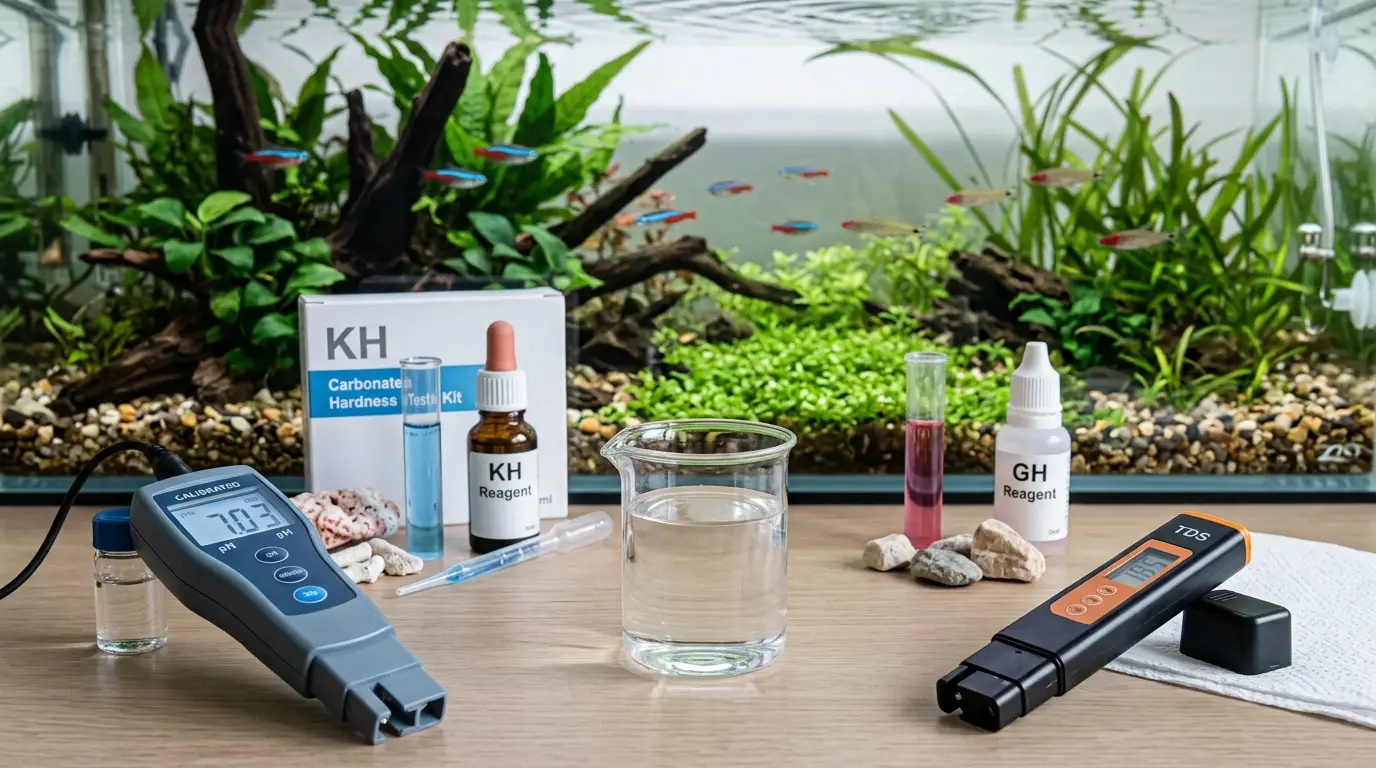
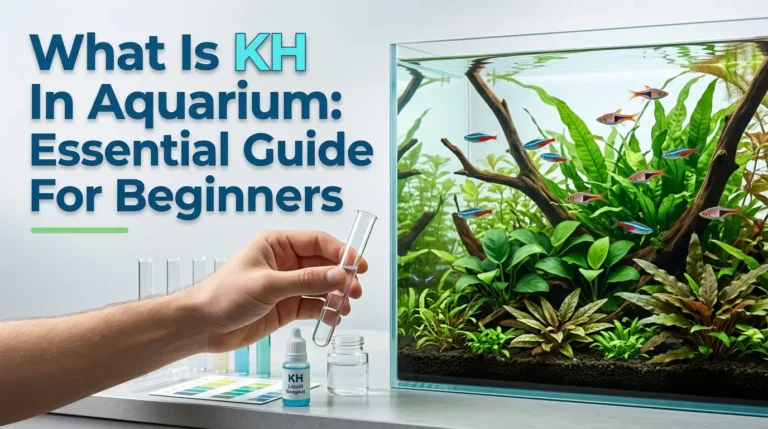
- KH is carbonate hardness. It is your buffer. Higher KH resists pH swings.
- GH is general hardness. It is calcium and magnesium. It helps fish health but does not set pH by itself.
- TDS is total dissolved solids. It is a rough count of minerals.
If KH is low, pH is easy to move and can crash. That is why most methods for how to raise ph in aquarium water focus on raising KH first.
When You Should Raise pH (And When You Should Not)
Not every tank needs a higher pH. Some fish love soft, acid water. Before you change things, ask why you want to do it.
Good reasons to raise pH:
- Your fish species prefer higher pH. Livebearers, rift lake cichlids, and many snails do better above 7.2.
- Your KH is near zero and pH swings a lot. A stable pH is safer than the “perfect” number.
- You see signs of stress. Fish gasp, hide, or have poor growth in very low pH water.
Times to hold off:
- You plan a big jump in one day. Fast change harms gills and biofilter.
- Your test kit is old or off. Always confirm with fresh tests.
- Your fish are acid lovers. Wild-caught tetras, rasboras, and some shrimp like pH near 6.
Think health first. Stability beats exact targets. This is core to how to raise ph in aquarium water and keep fish safe.
Test First: The Numbers That Matter
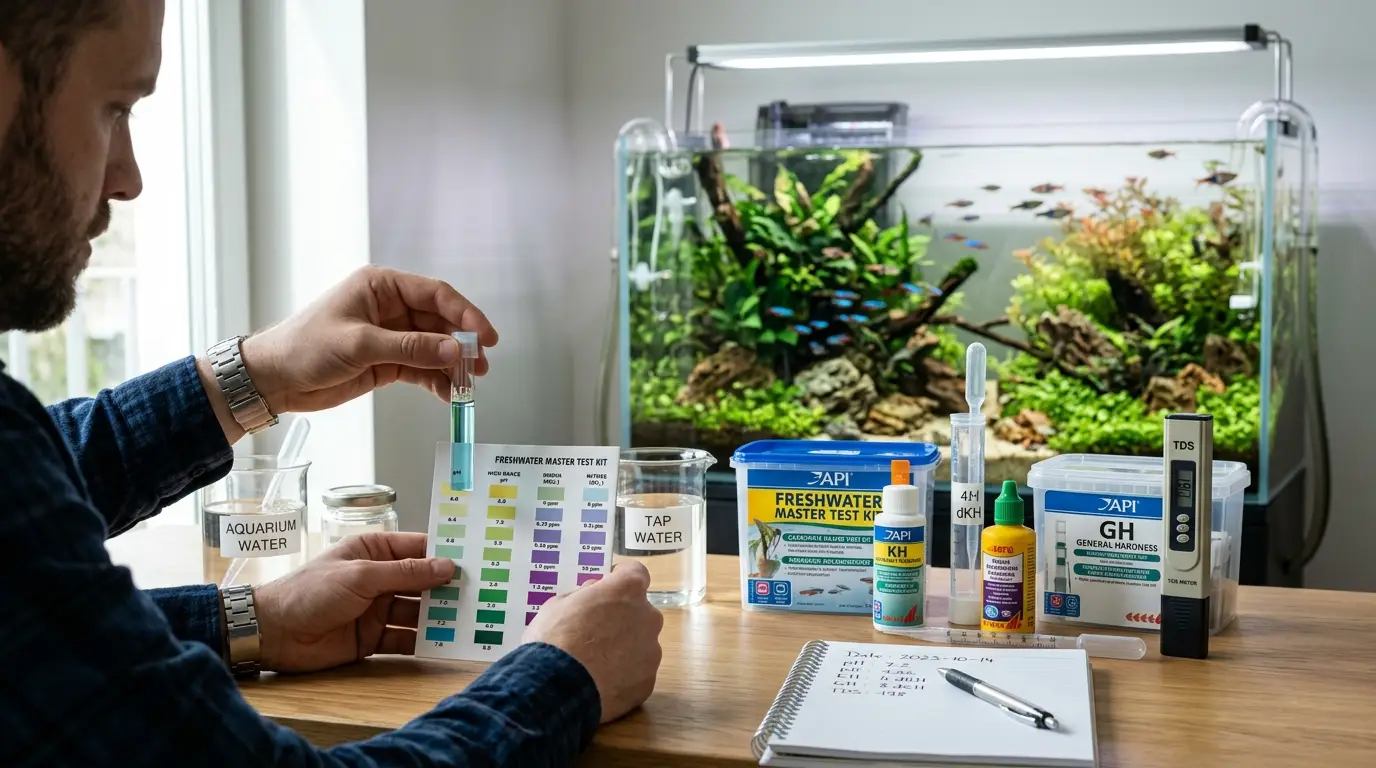
Before you act, test your water. This is how you base moves on facts, not guesses.
What to test:
- pH with a reliable kit or a calibrated meter.
- KH in degrees (dKH). Aim for at least 3–5 dKH in most community tanks if you want stable pH.
- GH for mineral support. Good for livebearers and plants.
- TDS to track big shifts over time.
How I test in my tanks:
- I check pH and KH each week, and 24 hours after any change.
- I test tap water and tank water. Tap can swing by city or season.
- I log results. Trends help me decide how to raise ph in aquarium water at the right pace.
Clear data guides smart steps. It also keeps you from overdoing buffers.
Safe, Proven Ways: How to Raise pH in Aquarium Water
There are many routes. Pick one or two and go slow. Here is what works and what to watch.
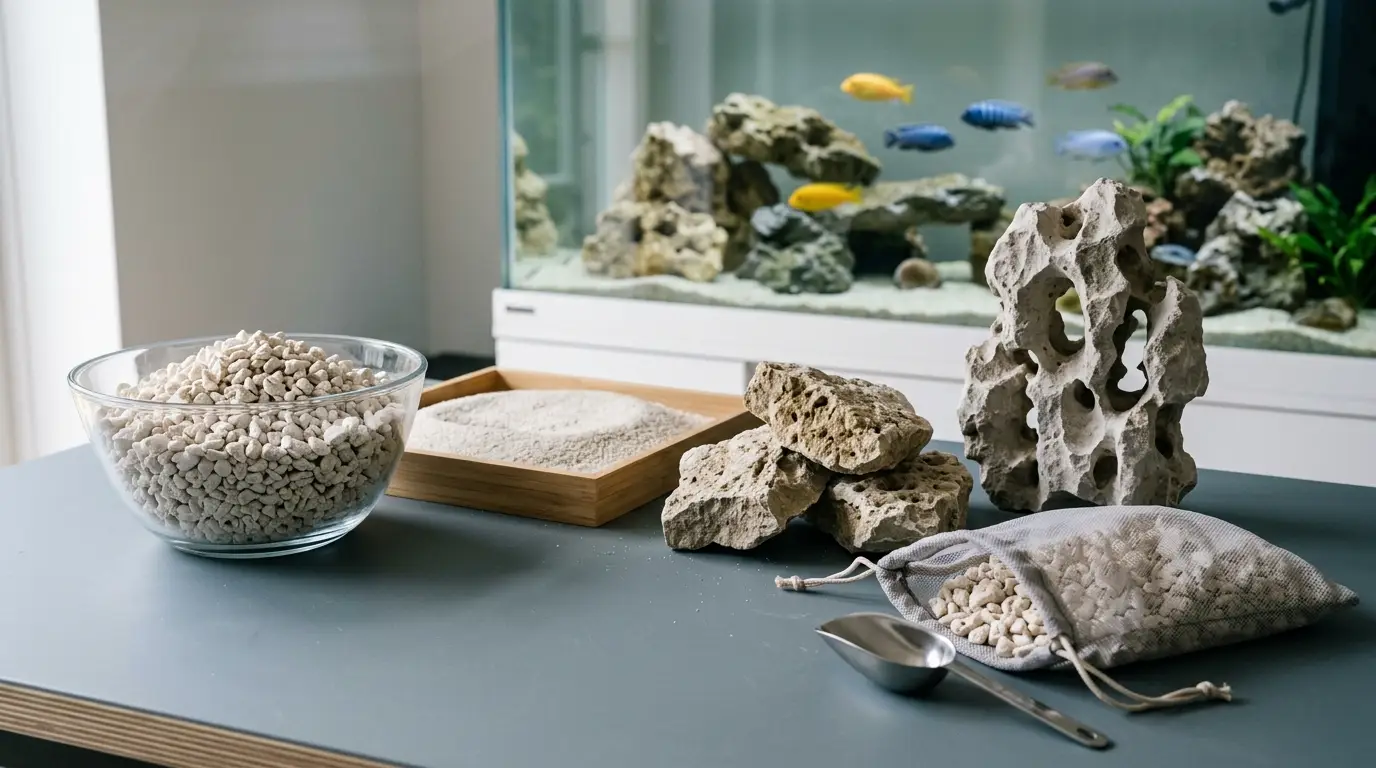
Crushed coral or aragonite
- Rinse and place in a filter bag or in the substrate.
- Start with about 0.5 pound per 10 gallons.
- It raises KH and pH over days to weeks. Remove some if pH climbs too fast.
Limestone or Texas holey rock
- Adds carbonate. Looks great in cichlid tanks.
- Test weekly. It keeps working for months.
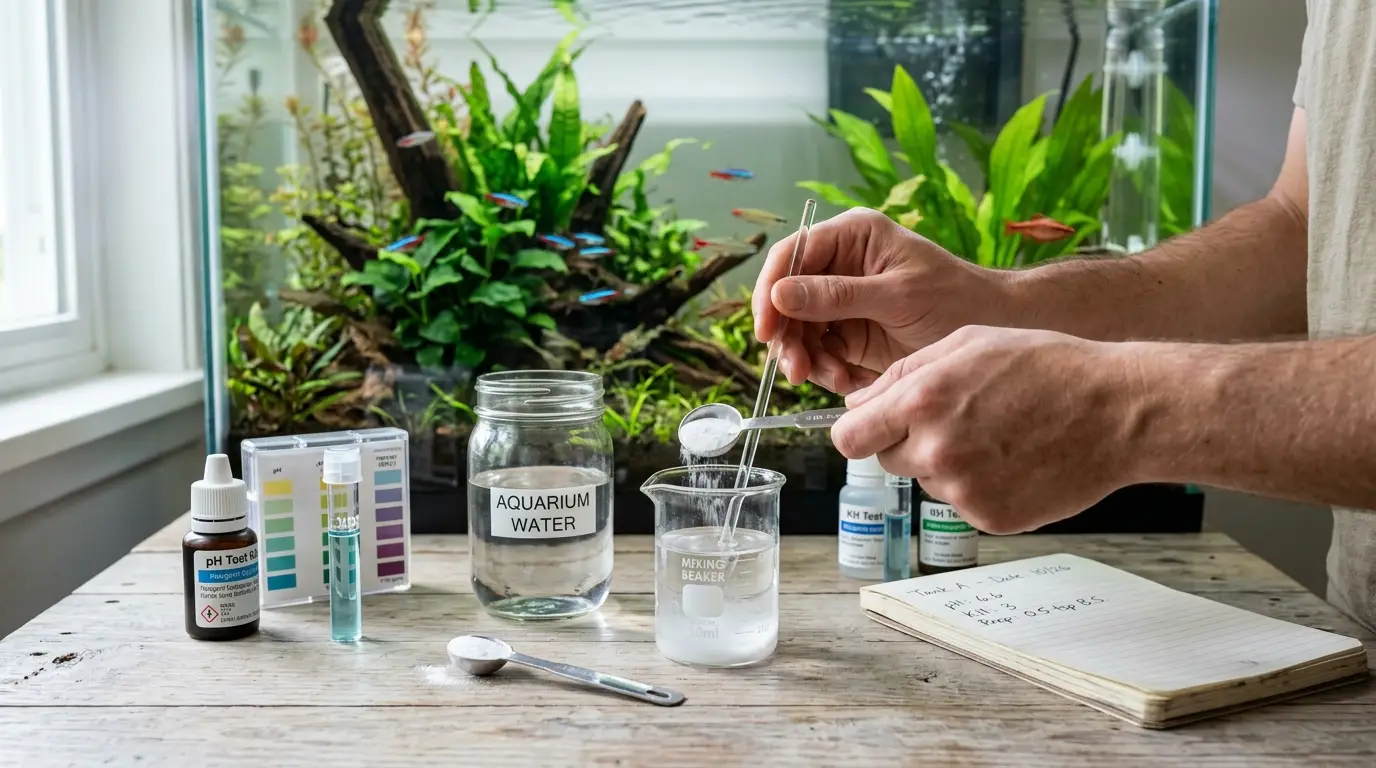
Baking soda (sodium bicarbonate)
- Use for quick, small boosts to KH and pH.
- Start low: 1/2 teaspoon per 10 gallons. Dissolve in tank water, add slowly, wait 24 hours, retest.
- Repeat in small steps. This is key in how to raise ph in aquarium setups without shock.
Commercial alkaline buffers
- Follow the label. They set KH and push pH up.
- Good for RO/DI users who need set values.
Water changes with a harder source
- Mix tap and RO/DI to a target KH and pH before adding to the tank.
- Keep the mix the same each week for steady results.
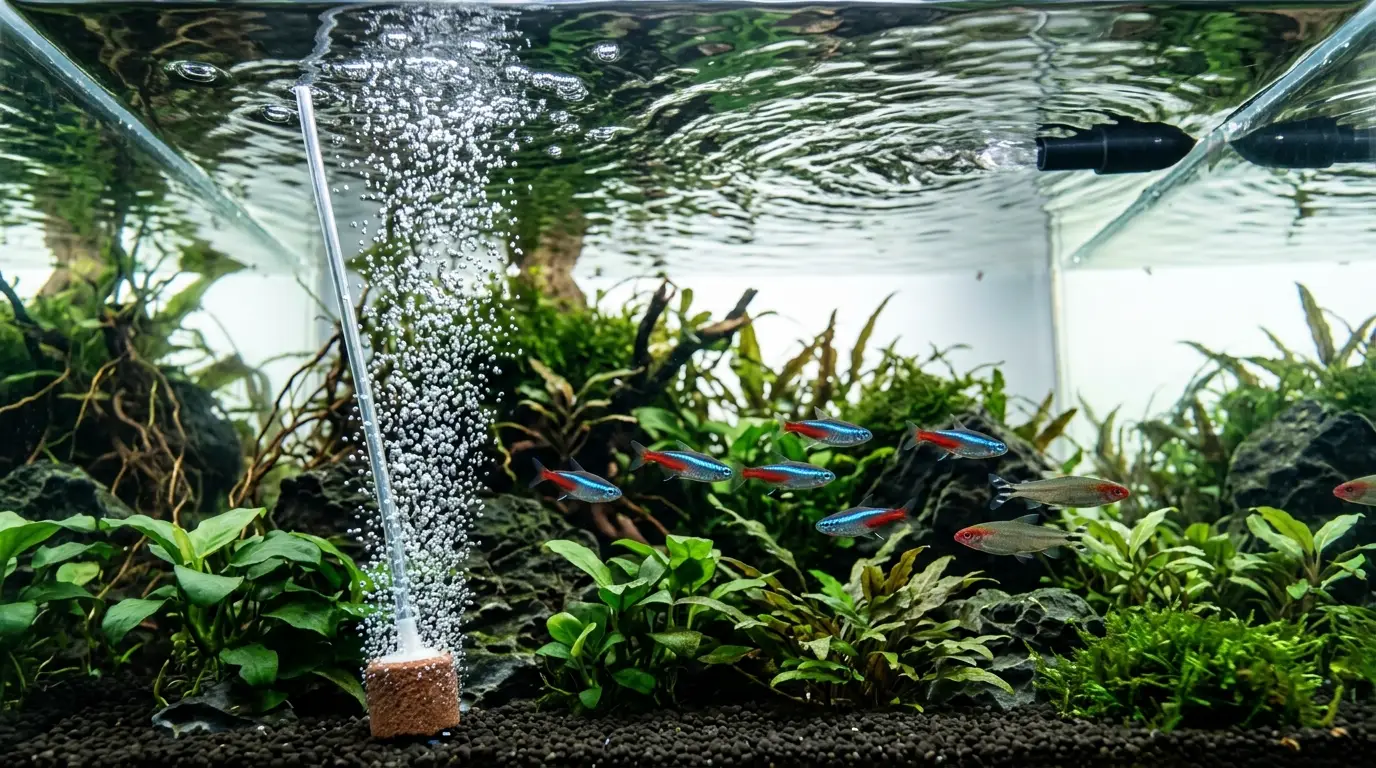
More surface agitation and air
- CO2 lowers pH. More air drives CO2 out and pH goes up a bit.
- Add an airstone or raise filter outflow to ripple the surface.
Remove acid sources if needed
- Heavy driftwood and peat release tannins. If your pH keeps dropping, reduce them.
- Clean filters and gravel to cut organic acids.
Live plants and light cycles
- Plants take up CO2 in light, which can raise daytime pH a touch.
- This is mild, but it helps along with other steps.
Pick methods that fit your fish and your plan. This is the heart of how to raise ph in aquarium water with care.
A Simple Step-by-Step Plan

Follow this plan to raise pH with low risk. I use this in client tanks and my own.
Step 1: Test baseline
- Measure pH, KH, GH, and TDS. Write them down.
Step 2: Set a realistic target
- Aim to change pH by no more than 0.2–0.3 per day.
Step 3: Boost KH first
- Add crushed coral to the filter, or dose a small amount of baking soda.
- Wait 24 hours, retest KH and pH.
Step 4: Adjust in small steps
- Repeat small doses or add a bit more coral if needed.
- Keep notes so you learn your tank’s response.
Step 5: Stabilize with routine
- Do weekly water changes with water prepped to the same KH and pH.
- Use the same source and mix each time.
Step 6: Watch your fish
- Signs of stress mean slow down. Hold the line or do a small water change.
Step 7: Lock in long term
- Once you reach target pH, keep the buffer source steady.
- Retest weekly for the next month.
This steady plan is my go-to for how to raise ph in aquarium water without drama.
Real-World Examples and Lessons Learned
From my 75-gallon community tank
- Start: pH 6.4, KH 1 dKH. Fish showed stress after water changes.
- Fix: I added 1 pound of crushed coral in the canister filter and raised surface flow.
- Result: pH rose to 7.2 and KH to 4 dKH over three weeks. Fish ate well, filter ran smooth, no shock.
From a client’s 20-gallon guppy tank
- Start: pH 6.6 after heavy driftwood.
- Fix: Removed one large wood piece. Dosed 1/2 teaspoon baking soda, waited 24 hours, retested. Repeated every other day for one week.
- Result: pH held at 7.4, KH at 5 dKH. Clear water, strong fry growth.
Big lessons in how to raise ph in aquarium care:
- Go slow. Quick jumps cause more harm than low pH.
- Test often. Guessing leads to swings.
- Build a buffer. KH is your friend.
Common Mistakes and How to Avoid Them
Raising pH too fast
- Keep increases under 0.3 per day. If you overshoot, stop. Let it settle.
Ignoring KH
- If KH is near zero, pH will not stay up. Fix KH first.
Overusing baking soda
- Big single doses can spike pH. Use small, spaced doses and test.
Skipping water prep
- Top off or change water that does not match your tank, and pH will swing. Match KH and pH before it goes in.
Chasing exact numbers
- Aim for a safe range, not a perfect figure. Stability is the goal in how to raise ph in aquarium water that fish can trust.
Target Ranges by Setup

Community tank (livebearers, danios, barbs)
- pH 7.0–7.6, KH 3–6 dKH, GH 6–12 dGH.
African rift lake cichlids
- pH 7.8–8.6, KH 8–12 dKH, GH 10–20 dGH. Use aragonite sand and rock.
Planted tanks with CO2
- pH can swing by day and night. Keep KH 3–5 dKH to prevent drops.
Shrimp and snail tanks
- Neocaridina like pH 6.8–7.6. Snails need calcium and steady KH.
These ranges guide how to raise ph in aquarium plans for each group. Always check the needs of your species.
Long-Term Stability Tips
Set a routine
- Same day each week. Same water mix. Same dose.
Pre-condition change water
- Warm, dechlorinate, and buffer it to target KH and pH in a bucket before use.
Mind your filter and bio-load
- Rinse media in old tank water. Do not overfeed. Less waste means less acid.
Log your data
- Note pH, KH, GH, TDS, changes made, and results.
- This makes how to raise ph in aquarium care repeatable and calm.
Frequently Asked Questions

How fast can I raise pH safely?
Aim for no more than 0.2–0.3 pH per day. Slow change keeps fish and the biofilter safe.
Is baking soda safe for fish?
Yes, in small, measured doses with testing. Start with 1/2 teaspoon per 10 gallons, wait 24 hours, and retest.
Why does my pH keep dropping back down?
Your KH may be too low, or organics may add acids. Raise KH and clean waste to hold pH steady.
Will crushed coral make my pH too high?
It can if you add too much or your water is very soft. Start small, test weekly, and remove some if pH climbs too fast.
Can I raise pH without chemicals?
Yes. Use crushed coral, aragonite sand, limestone, and more surface agitation. Match your water change mix to your target KH and pH.
Do plants raise or lower pH?
Both, in a way. They raise pH slightly in light by using CO2, and pH can dip at night when CO2 rises.
Should I adjust pH for every fish?
No. Many fish adapt if the pH is stable within a safe range. Change pH only if species needs demand it or pH swings a lot.
Conclusion
Raising pH is not hard when you plan it. Test first, boost KH, and make small moves. Hold your routine, and your fish will thank you.
Use what fits your tank. Try crushed coral, a bit of baking soda, or a better water mix. Keep notes so how to raise ph in aquarium work becomes simple and repeatable. Ready to tune your water? Start with a test today, and share your results or questions in the comments.