
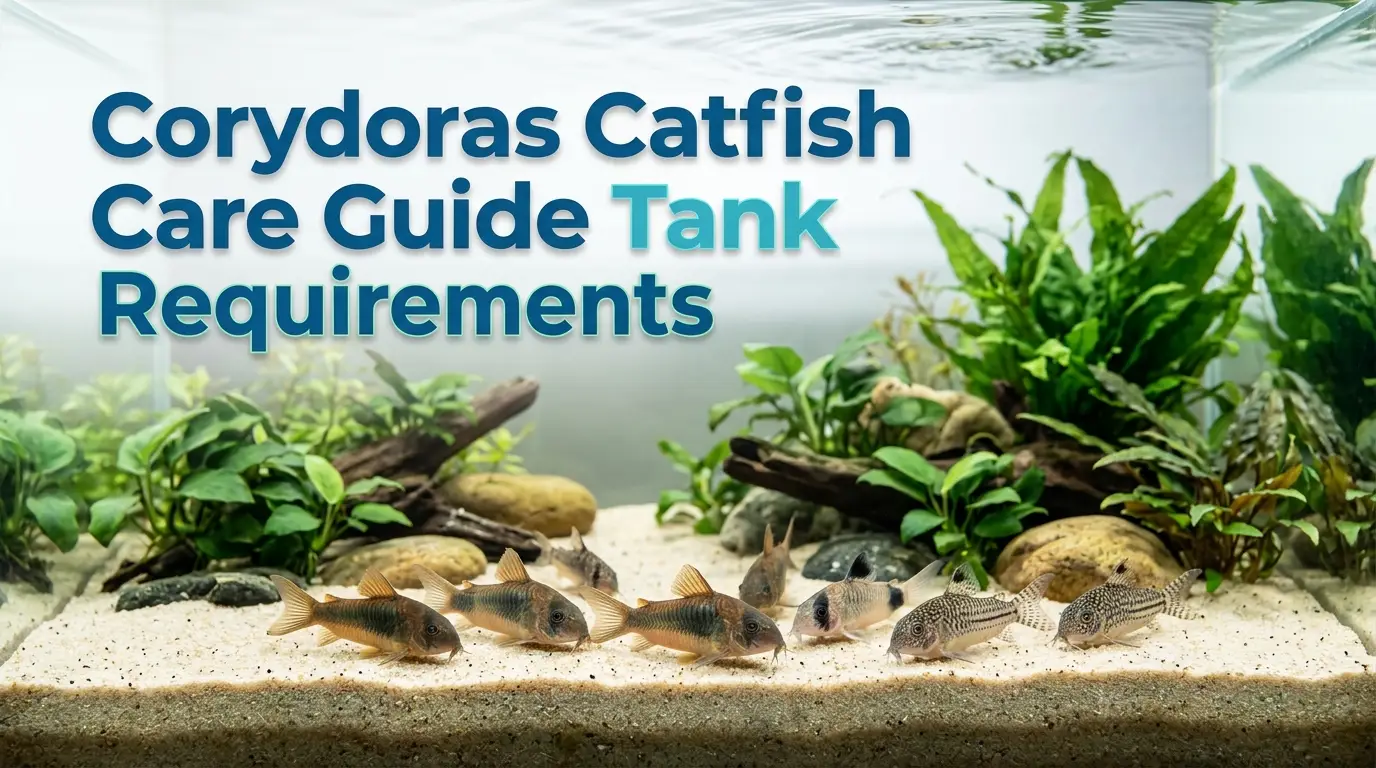
Provide soft sand, steady cool water, gentle flow, and keep them in groups.
If you love calm, hard‑working bottom dwellers, Corydoras are a joy. I’ve kept and bred them for years, and this corydoras catfish care guide tank requirements article gives you clear steps you can trust. From tank size to water care, you will learn what works, what to avoid, and how to help your Corys thrive.
Meet Corydoras: behavior, lifespan, and what they need most
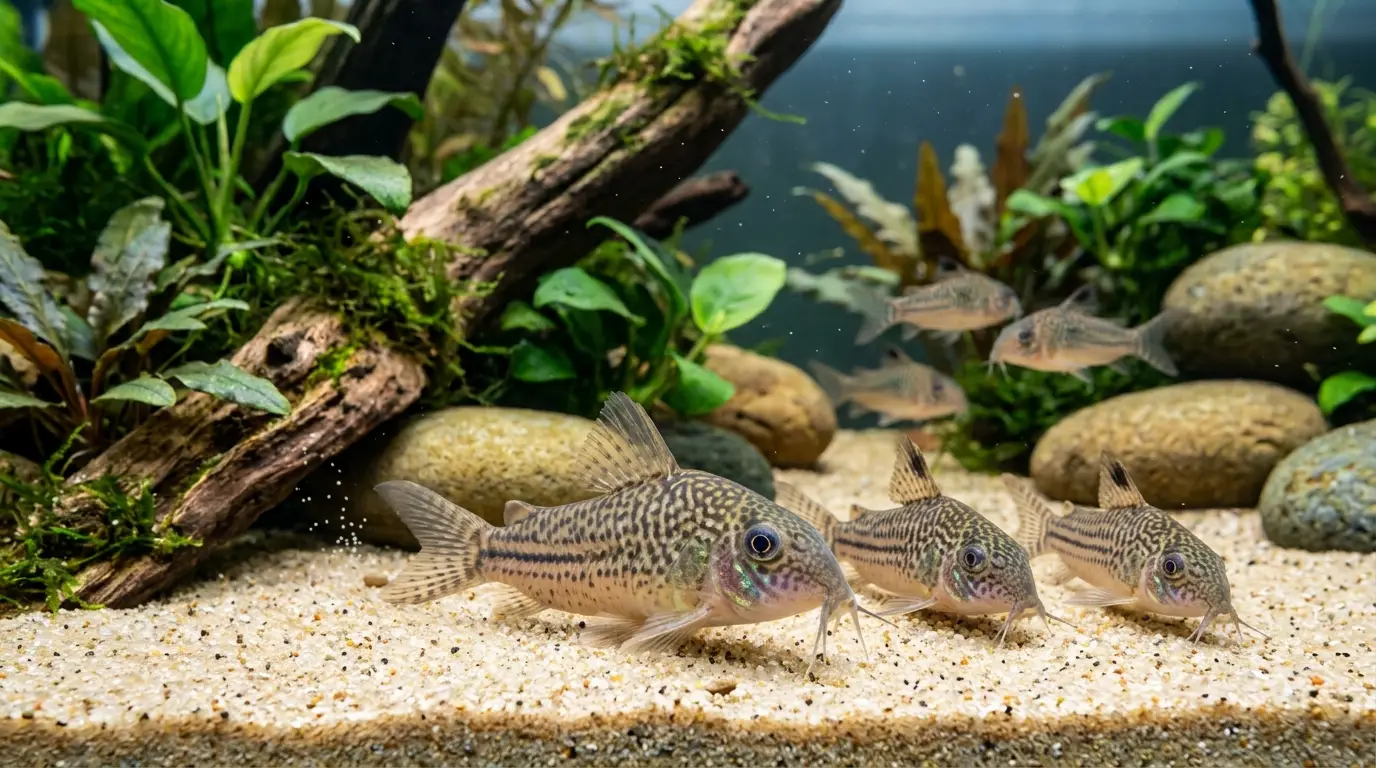
Corydoras are small South American catfish that live in shoals. Most grow to 2–3 inches and live 5–8 years with good care. This corydoras catfish care guide tank requirements article starts with behavior, because it shapes everything else.
They are social. Keep at least six, but eight to twelve is better. They breathe air sometimes, so a lid helps. They sift sand for food, so a soft bed is key. I learned this the hard way with gravel that dulled their barbels.
Popular beginner species include bronze Corydoras aeneus, peppered Corydoras paleatus, panda Corydoras panda, and sterbai Corydoras sterbai. Each has similar needs, with slight changes to temperature.
Tank size and smart stocking
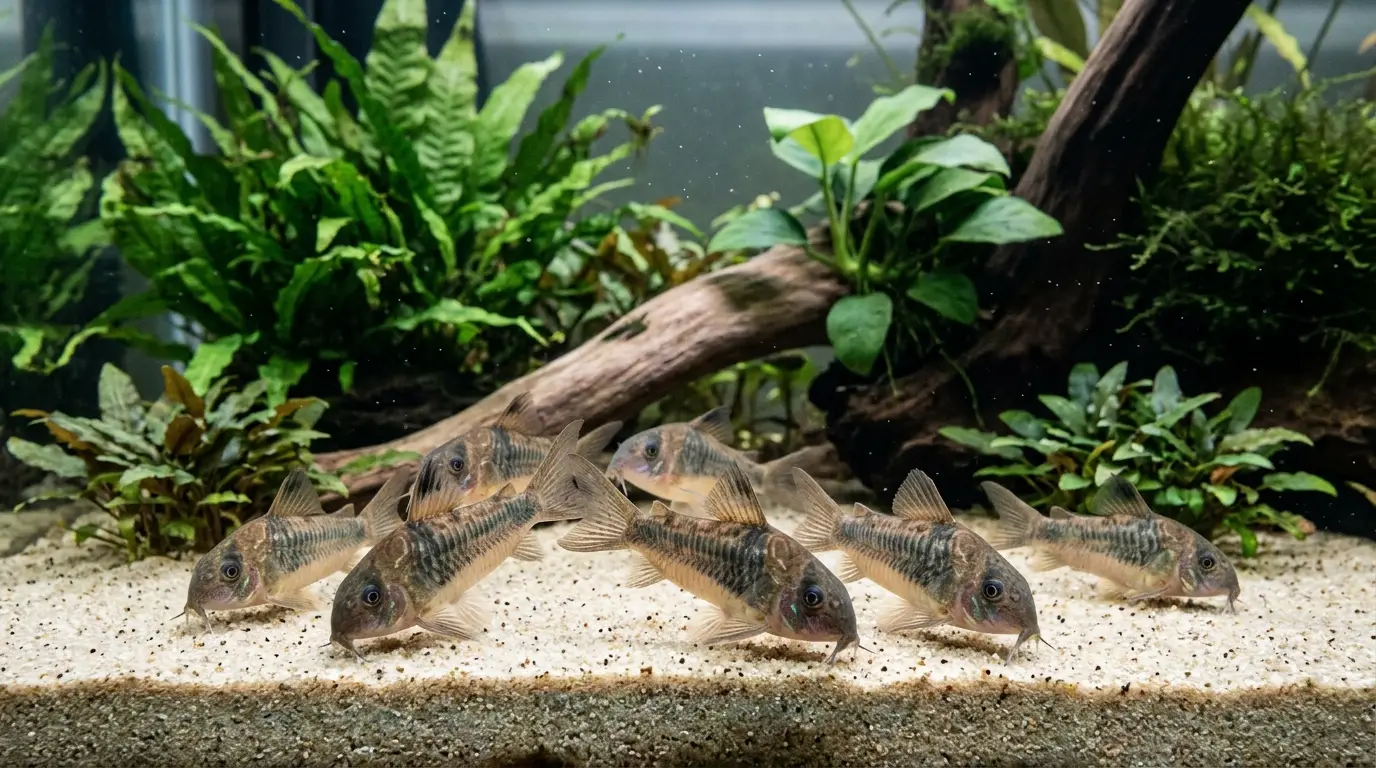
Space matters more than many think. This corydoras catfish care guide tank requirements section keeps it simple. For small to mid species, start with a 20‑gallon long for a group of six to ten. Long tanks give floor space for foraging.
Use these tips to plan:
- Aim for groups. Six is the floor, ten feels natural.
- For dwarf species like C. pygmaeus or C. hastatus, a 10‑gallon works for eight to twelve.
- For larger Corys like sterbai, a 29‑gallon is safer for a big group.
- Avoid the “one inch per gallon” rule. Think in floor space and group size.
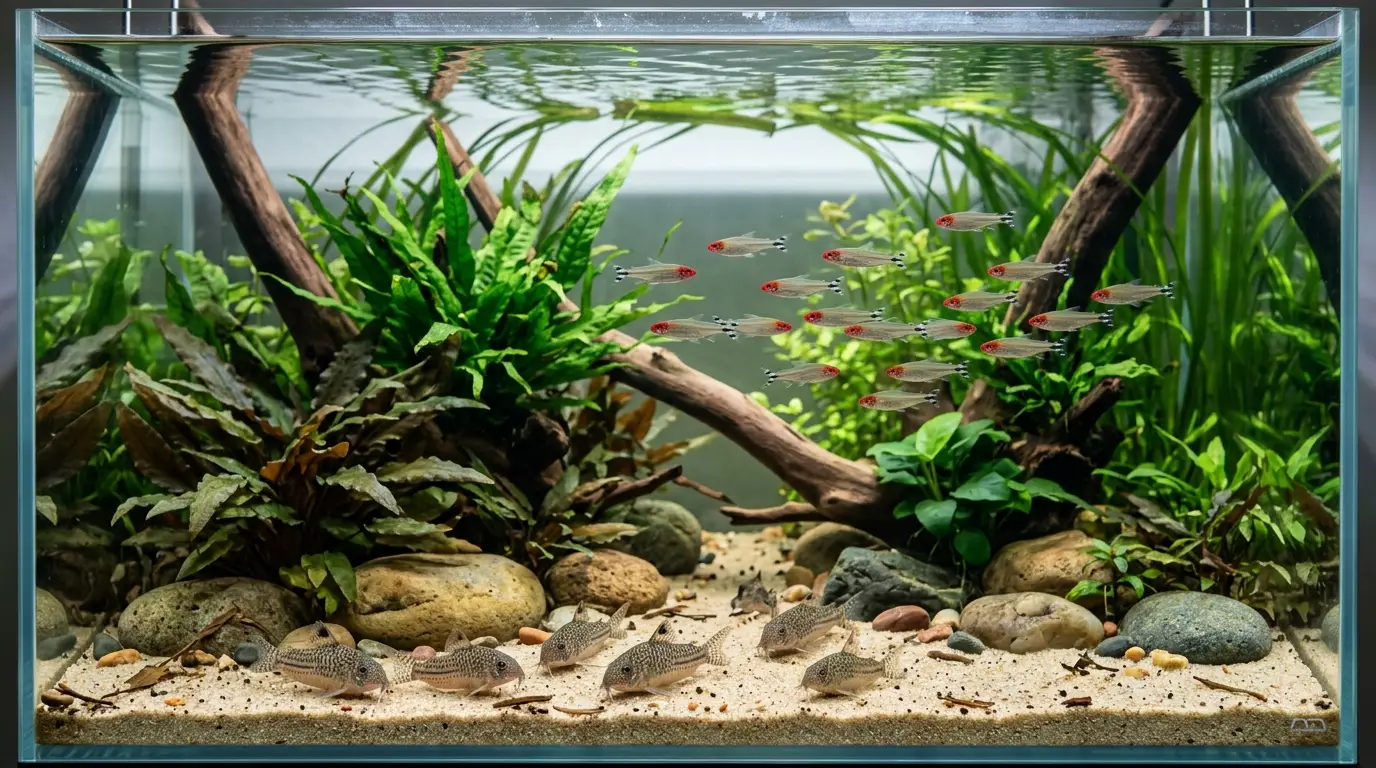
I stock communities by bio‑load and behavior. A peaceful school of tetras above, Corys below, and a calm center fish is a classic, stable setup.
Substrate, decor, and plants
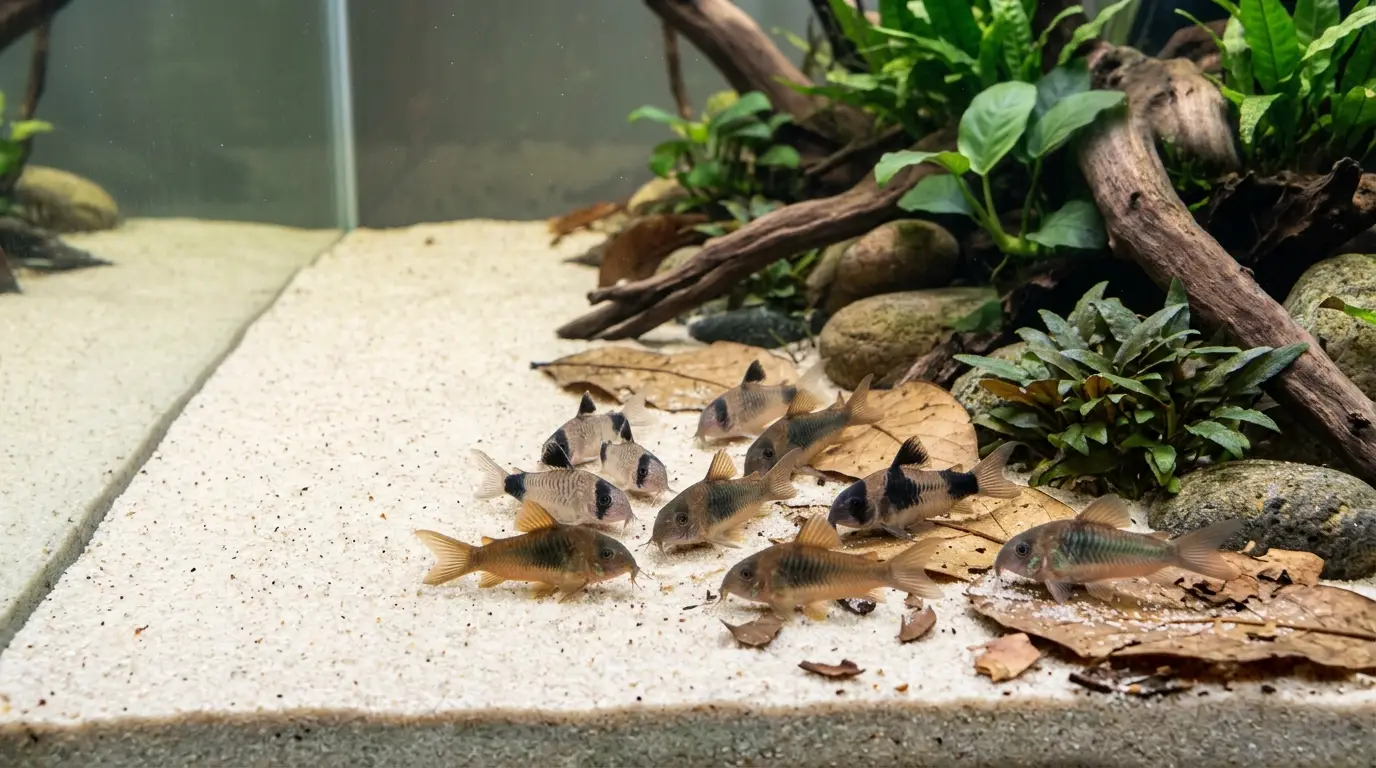
Here is where comfort starts. This corydoras catfish care guide tank requirements advice is direct: use fine sand. It protects barbels, helps natural sifting, and looks great. Smooth silica sand or aquarium‑safe sand is ideal.
Build a stress‑free layout:
- Add leaf litter or Indian almond leaves for cover and tannins.
- Use smooth driftwood and rounded stones. No sharp edges.
- Plant easy, low‑light species like Anubias, Java fern, and crypts.
- Create open sand lanes where Corys can graze together.
Personal tip: I keep one third of the tank as open sand. Feeding is simple, and the group behavior shines there.
Water parameters and filtration
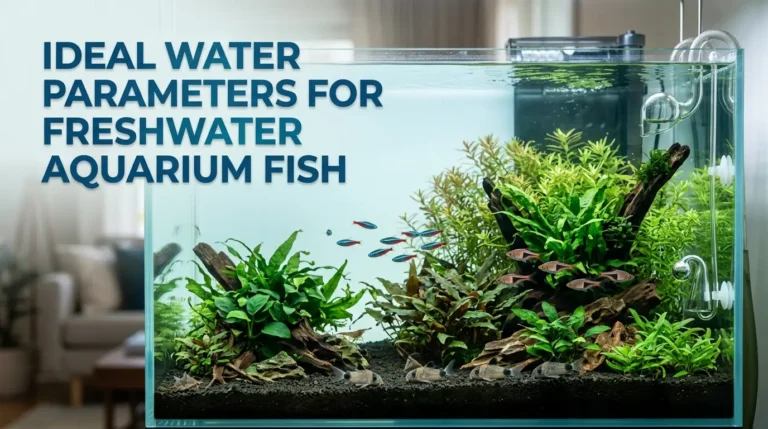
Clean, steady water beats “perfect” numbers. This corydoras catfish care guide tank requirements advice sets safe ranges most species handle well:
- Temperature 72–78°F (22–26°C). Panda prefer the cool end. Sterbai do well at 76–80°F.
- pH 6.0–7.5. Aim near neutral if you can.
- General hardness 2–12 dGH. Keep it moderate and stable.
- Ammonia and nitrite 0 ppm. Nitrate under 20 ppm.
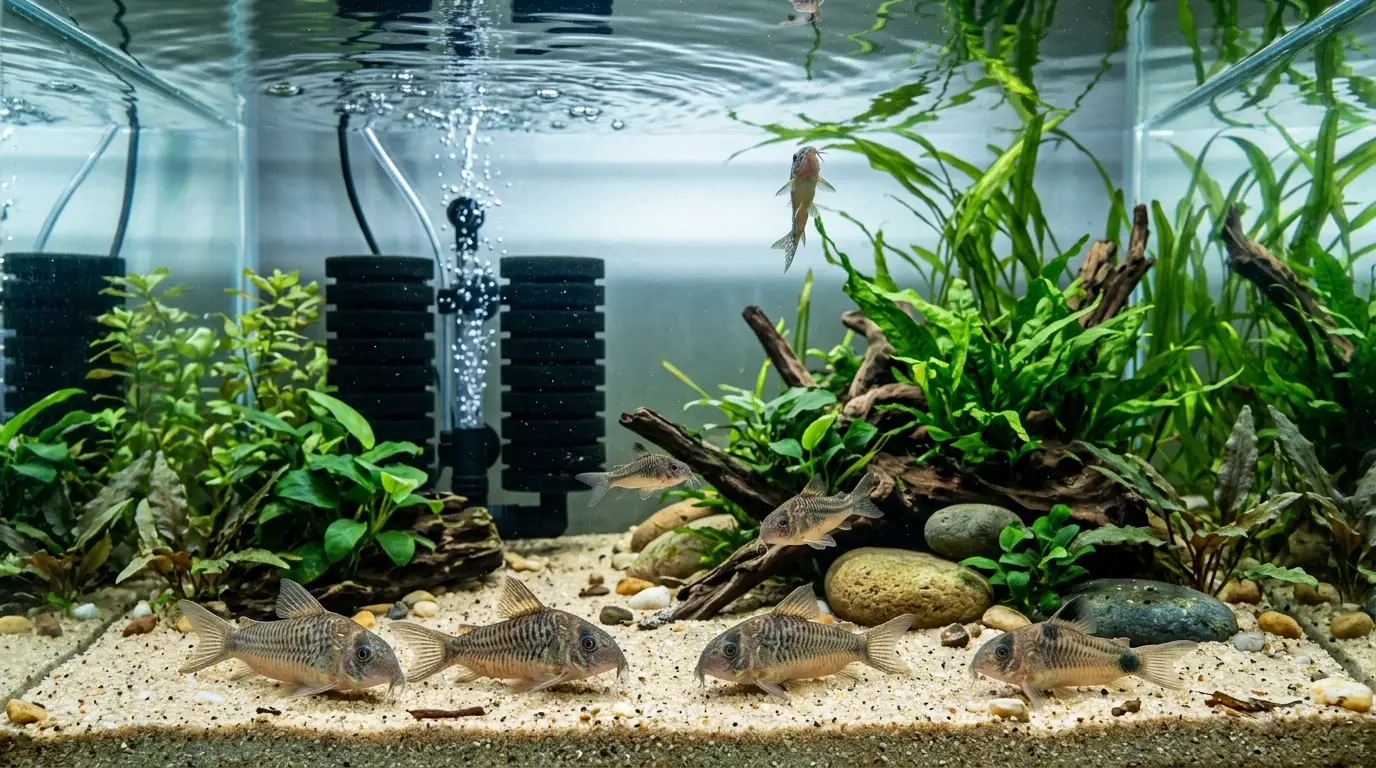
Use gentle, high‑oxygen filtration:
- Sponge filters are Cory‑friendly and safe for fry.
- Hang‑on‑back filters work if you use a pre‑filter sponge and baffle the output.
- Target 5–8x tank turnover per hour with a calm flow pattern.
Always dechlorinate water. Float and drip acclimate new fish. Corys are armored but sensitive to swings and copper meds.
Diet and feeding routine
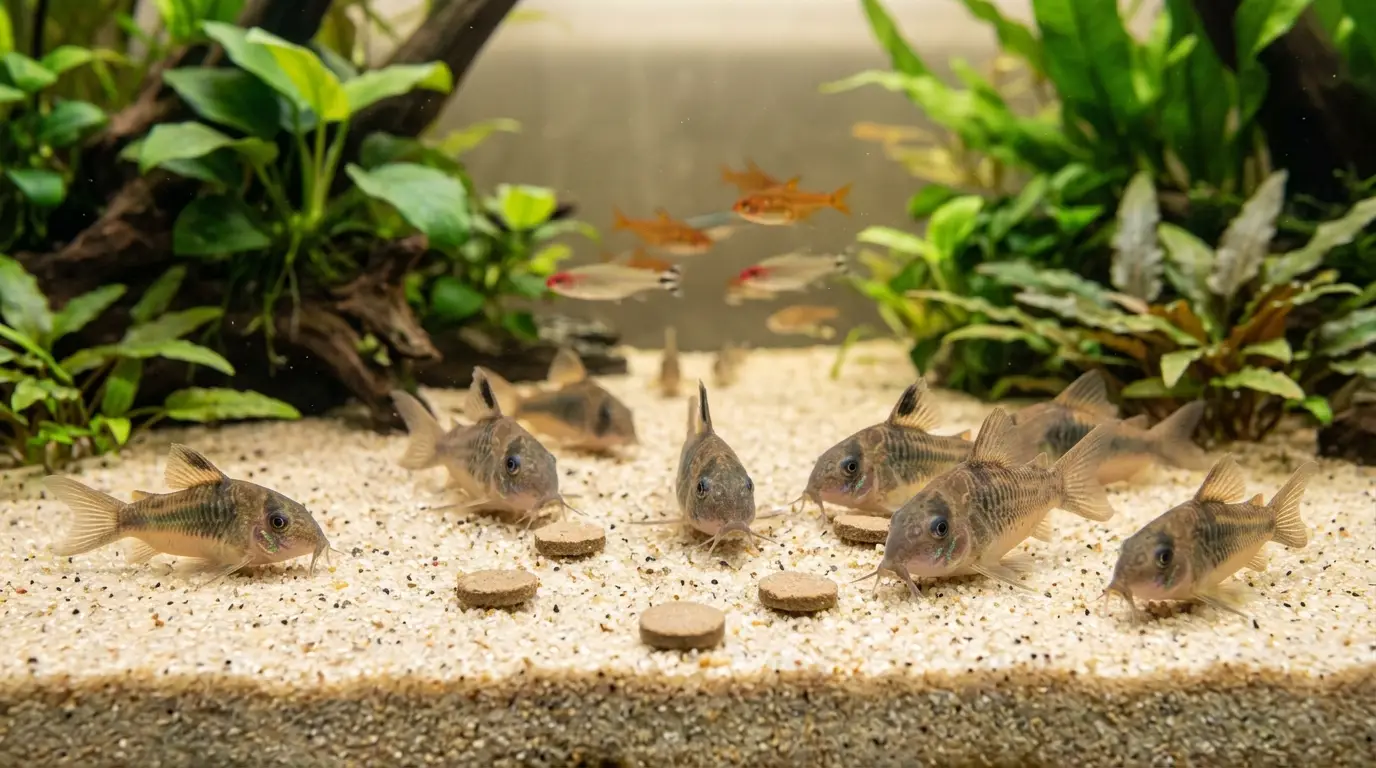
Good food shows in bright eyes and full bellies. This corydoras catfish care guide tank requirements plan favors variety. Use quality sinking wafers as a base. Rotate with frozen or live bloodworms, daphnia, and blackworms. Add blanched veggies like zucchini now and then.
Feeding keys:
- Feed once or twice a day. Small portions the group can finish in a few minutes.
- Target feed to the same sand lane so shy fish get their share.
- Remove leftovers so the sand stays clean.
My best growth came when I added a small second feeding at lights out. Night snacks let the whole group eat without pressure from midwater fish.
Peaceful tank mates and community planning
Corys are peaceful and ignore other fish. This corydoras catfish care guide tank requirements tip is simple: pick calm friends that enjoy the same cooler, soft water.
Great matches:
- Small tetras, rasboras, ricefish, and pencilfish
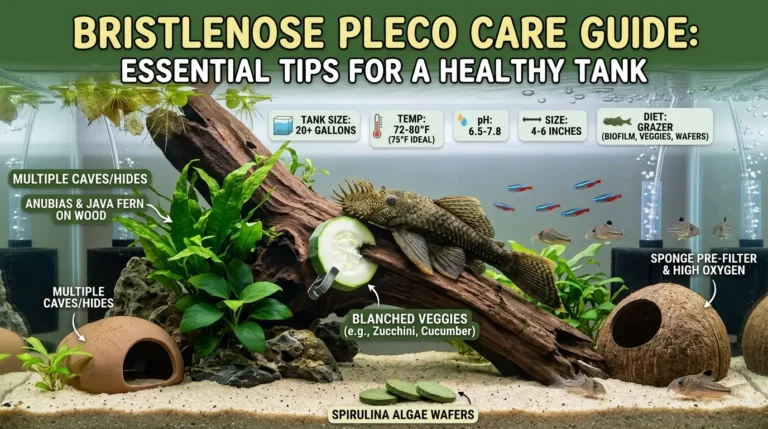
- Otocinclus and small bristlenose plecos
- Dwarf gourami types like honey gourami
- Shrimp and snails, if you feed well
Avoid boisterous or predatory fish like large cichlids, big barbs, or loaches that may outcompete or nip. Keep salt use low and brief, as Corys dislike it.
Maintenance schedule and water change strategy
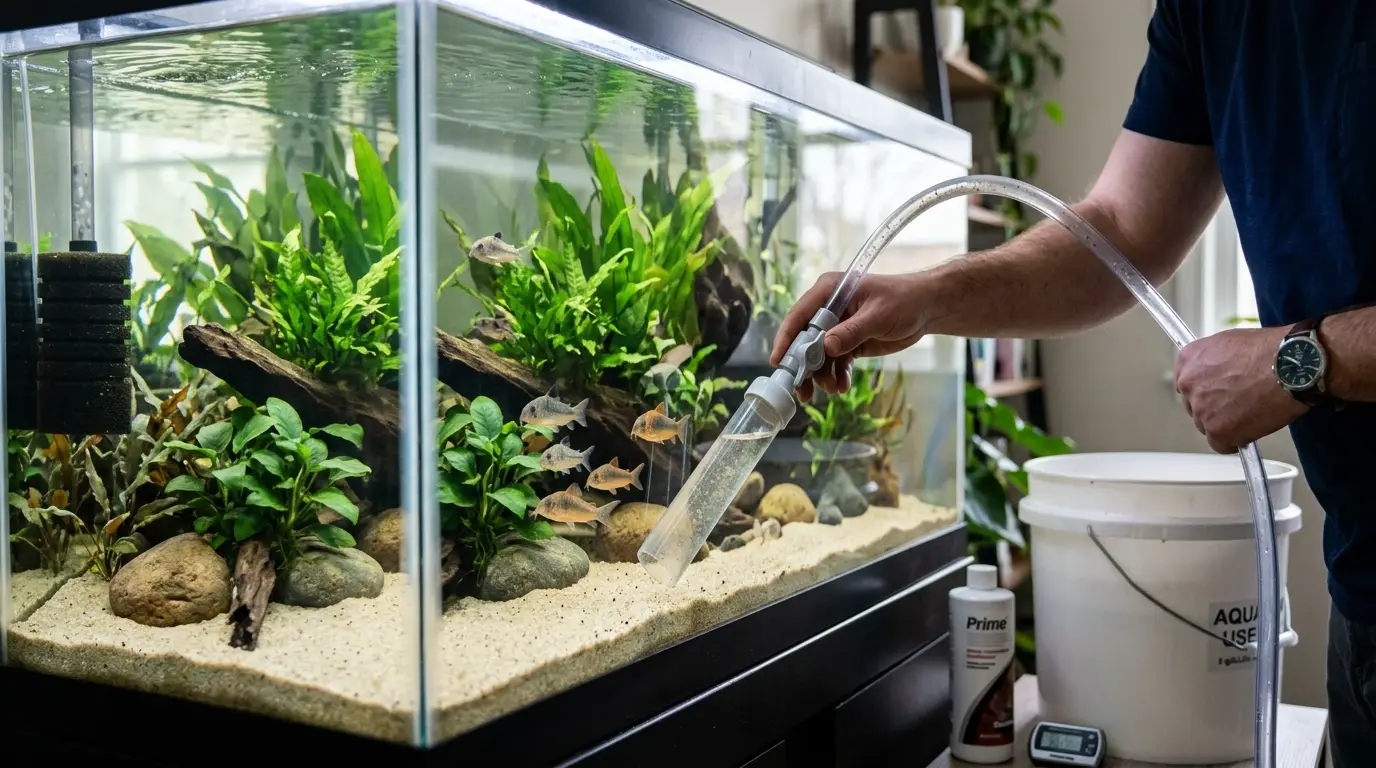
Consistency is your best tool. This corydoras catfish care guide tank requirements routine keeps barbels clean and water safe:
- Change 30–50% weekly, or split into two smaller changes.
- Lightly stir or hover the siphon over sand. Do not jam into the bed.
- Rinse sponge filters in old tank water, never under the tap.
- Test nitrate and watch your trend, not just a single number.
I track a quick checklist on water‑change day: temperature match, dechlorinate, pre‑filter rinse, and an eyeball check for torn fins or lethargy.
Health, stress signs, and prevention
Healthy Corys school tight, sift sand, and dash up for air. This corydoras catfish care guide tank requirements section flags red signs:
- Frayed barbels, red patches, or labored breathing
- Clamped fins, hiding, or refusing food
- Flashing on décor or rapid gill beats
Prevention beats treatment:
- Sand substrate and clean water stop barbel erosion.
- Quarantine all new fish for two to four weeks.
- Dose meds carefully. Corys are sensitive. Start low and raise slowly if needed.
- Keep copper and harsh dyes out unless a vet or expert guides you.
Breeding basics for curious keepers
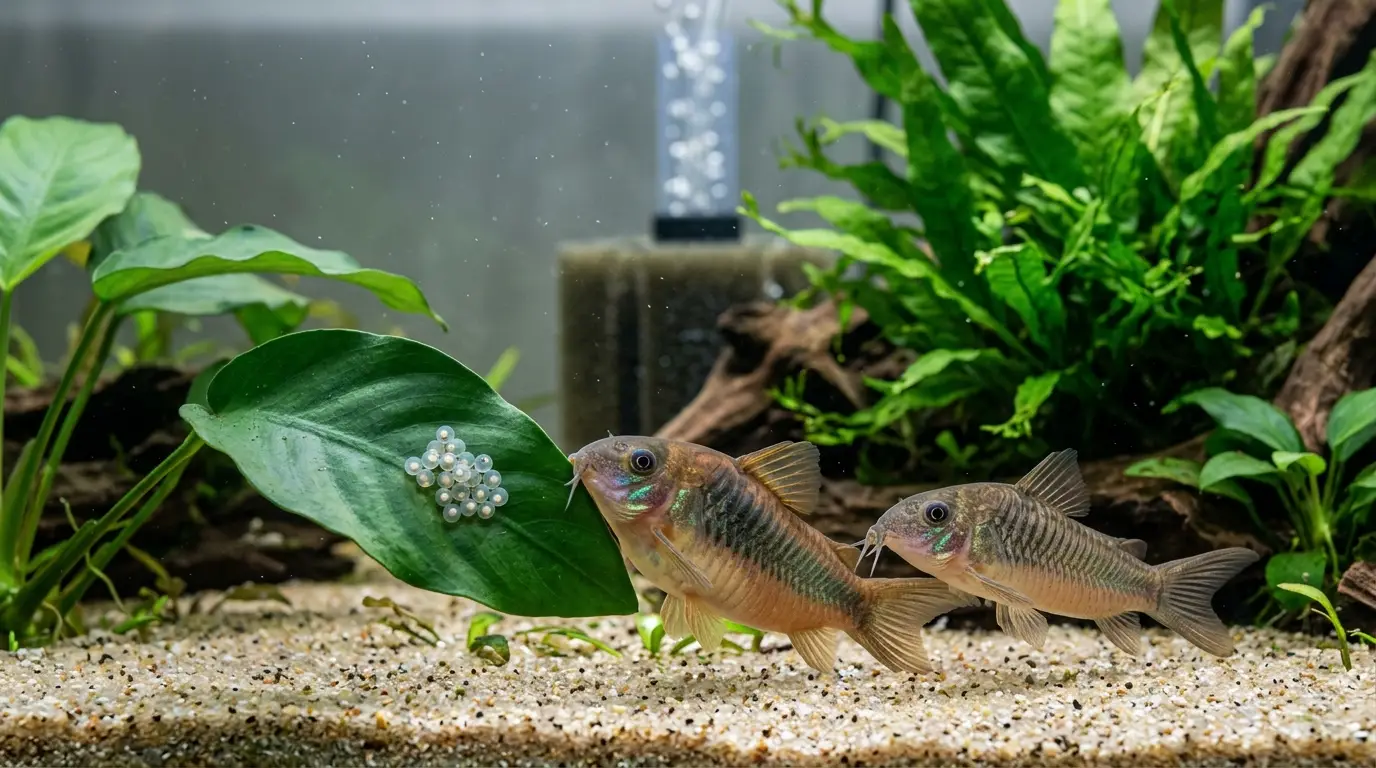
You can breed them at home with a little planning. This corydoras catfish care guide tank requirements note: give them clean, oxygen‑rich water and cool rain cues. Condition with frozen foods for one to two weeks. Then do a 20–30% cooler water change to mimic storms.
Watch for the T‑position and eggs on glass or leaves. Move eggs to a small, air‑driven tank with methylene blue alternative if you use meds safe for catfish. Feed fry with baby brine shrimp once they absorb yolk.
Budget, gear checklist, and setup steps
A smooth setup saves time and money. This corydoras catfish care guide tank requirements checklist keeps you on track.
Core gear:
- 20‑gallon long tank or larger
- Fine sand substrate
- Sponge filter or HOB with pre‑filter
- Adjustable heater and thermometer
- Test kit for pH, ammonia, nitrite, nitrate
- Dechlorinator
- Plants, wood, and smooth rocks
- LED light with a timer
- Tight lid
Quick setup steps:
- Rinse sand until water runs clear. Add 1–2 inches.
- Place wood and plants. Leave open sand lanes.
- Install filter and heater. Cycle the tank until ammonia and nitrite read zero.
- Add your group of Corys. Keep lights low the first day.
- Start a simple feeding and water change routine.
Frequently Asked Questions of corydoras catfish care guide tank requirements
How many Corydoras should I keep together?
Keep at least six. Eight to twelve brings out natural schooling and reduces stress.
Can Corydoras live on gravel?
They can, but fine sand is far better. Sand protects barbels and lets them feed in a natural way.
What temperature is best for Corydoras?
Most do well at 72–78°F. Cooler for panda, a bit warmer for sterbai, but keep it stable.
Do Corydoras clean up leftover food?
They help, but they are not janitors. You still need to feed them on purpose and remove excess food.
Are Corydoras sensitive to salt or meds?
Yes, use salt and meds with care. Start with half doses and increase only if needed.
What should I feed Corydoras daily?
Use sinking pellets or wafers as a base. Rotate with frozen or live foods for protein and variety.
Can I keep Corydoras with shrimp?
Yes, with good cover and steady feeding. Corys may eat tiny shrimplets, so add moss and hideouts.
Conclusion
Corydoras thrive with soft sand, calm flow, steady water, and friends of their own kind. Follow the simple steps in this guide to set the stage for long, active lives. Start with the right tank, keep a routine, and feed a varied diet.
If this helped, try one tip this week: switch to fine sand or add an extra water change. Want more? Subscribe, ask a question, or share your setup so we can build better Cory homes together.

One Comment