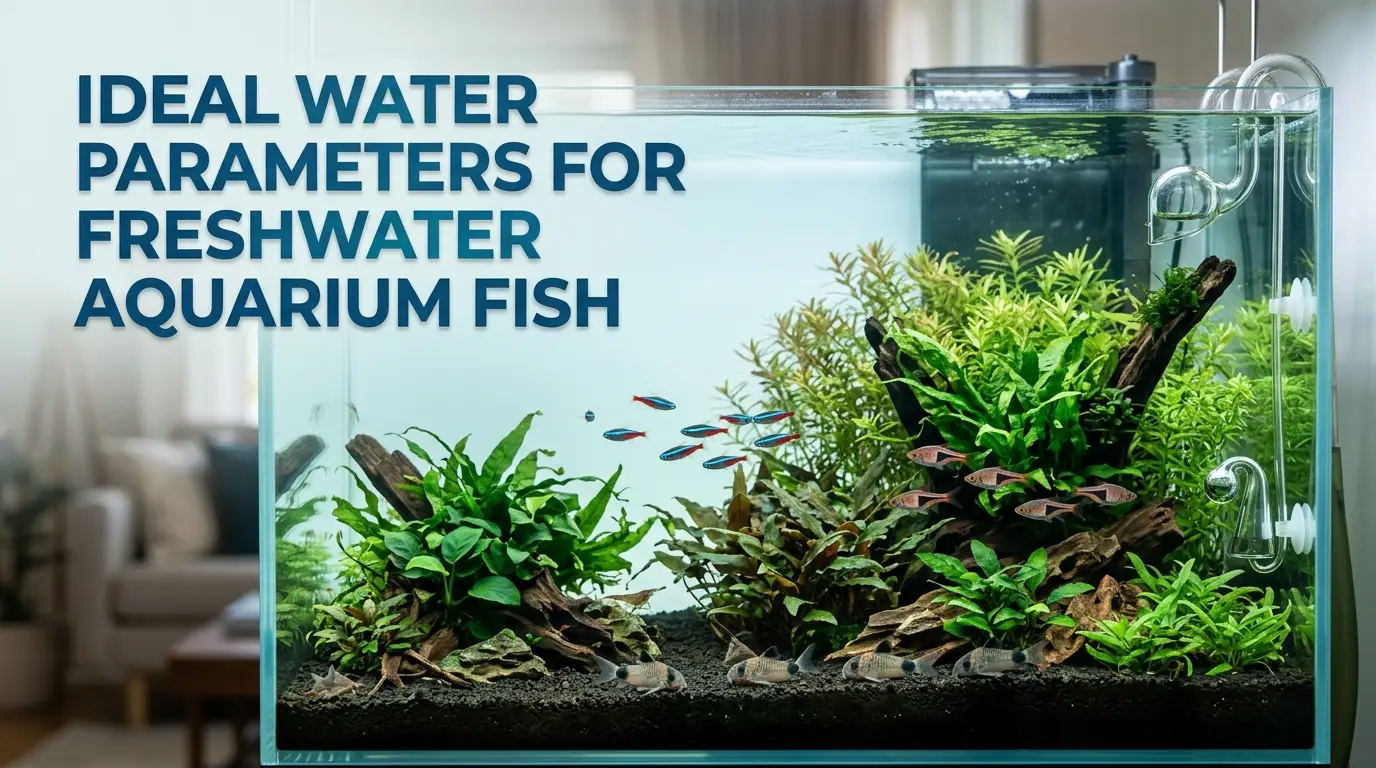
Most freshwater fish thrive at 75–80°F, pH 6.5–7.8, 0 ammonia/nitrite, moderate hardness.
You can keep fish healthy with steady water chemistry. In this guide, I share what works, why it works, and how to dial it in. I cover Ideal Water Parameters for Freshwater Aquarium Fish in clear steps, with ranges, tools, and fixes I use in real tanks. Read on to avoid guesswork and enjoy a stable, low-stress aquarium.
Water Chemistry Basics: The Foundations You Need
Great tanks start with stable water. Fish can adapt to a range, but they cannot handle fast swings. Learn the basics, then match them to your fish.
Key terms you will use:
- Temperature. Heat affects metabolism and oxygen. Warmer water holds less oxygen.
- pH. A measure of acidity or alkalinity. The scale is 0 to 14.
- KH. Carbonate hardness. It buffers pH against swings.
- GH. General hardness. It measures calcium and magnesium levels.
- Ammonia, nitrite, nitrate. Waste products. Ammonia and nitrite must be zero. Keep nitrate low.
- TDS. Total dissolved solids. A quick snapshot of minerals and wastes.
Good water is not perfect. It is steady and clean. These basics drive Ideal Water Parameters for Freshwater Aquarium Fish.
Ideal Ranges by Popular Fish Groups
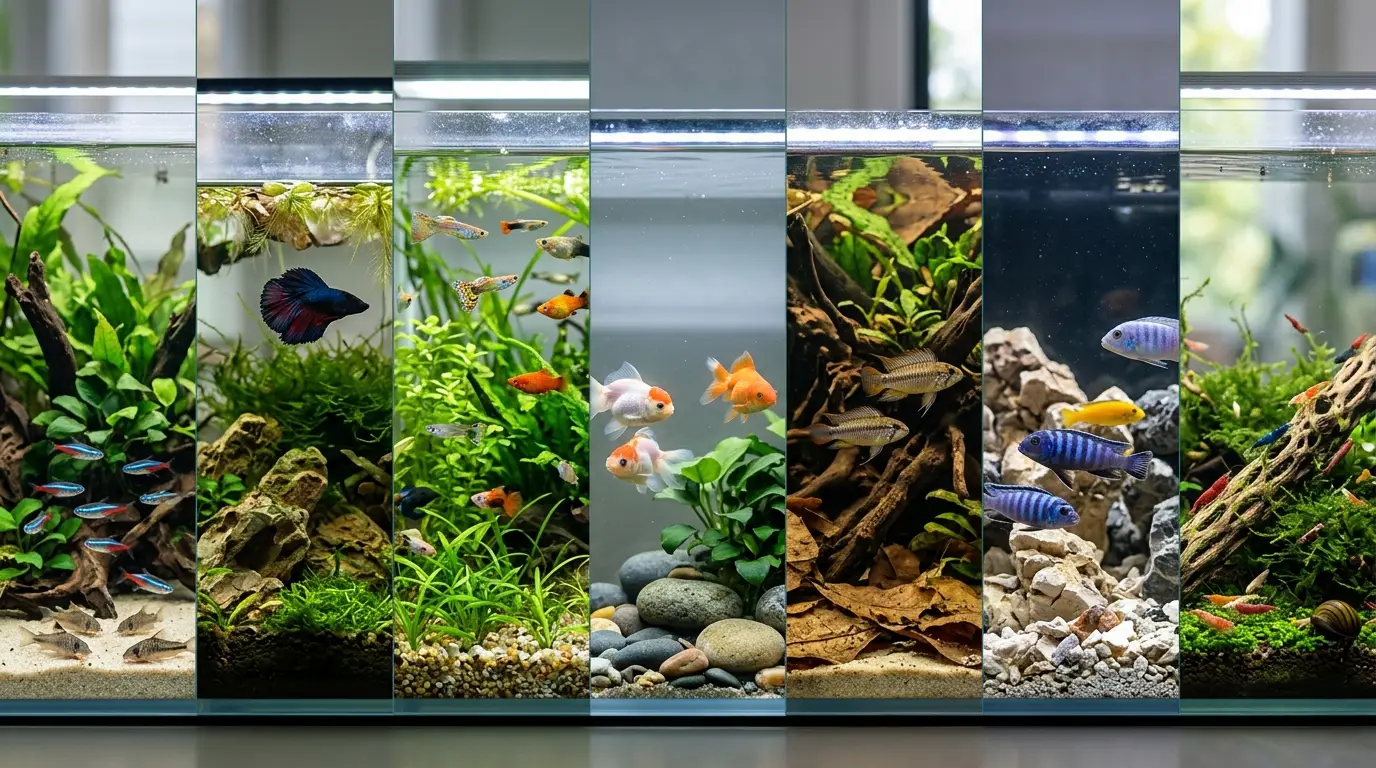
You do not need lab water. You need the right range and consistency. Use these targets as a starting point. Always confirm the species you keep.
Community tropics like tetras, rasboras, corydoras:
- Temperature. 74–78°F.
- pH. 6.2–7.4.
- GH. 3–8 dGH.
- KH. 1–5 dKH.
- Ammonia and nitrite. 0 ppm. Nitrate under 20 ppm.
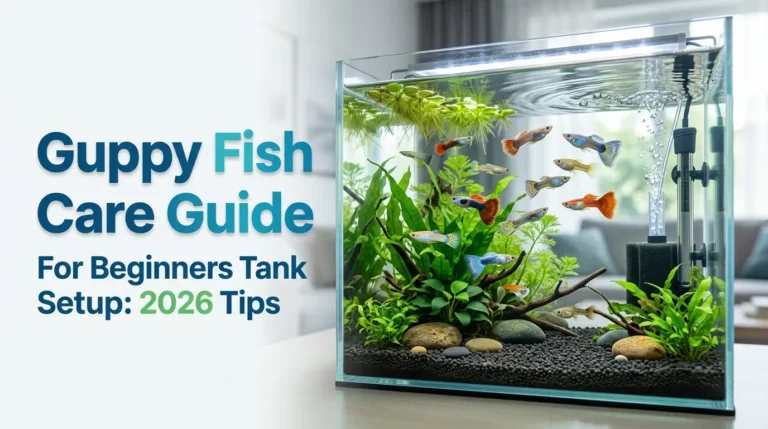
Livebearers like guppies, platies, mollies:
- Temperature. 75–80°F.
- pH. 7.2–8.2.
- GH. 8–15 dGH.
- KH. 6–12 dKH.
- Nitrate under 30 ppm.
Betta fish:
- Temperature. 78–82°F.
- pH. 6.5–7.5.
- GH. 4–8 dGH.
- KH. 2–6 dKH.
- Gentle flow for easy breathing.
Goldfish:
- Temperature. 65–72°F.
- pH. 7.0–8.0.
- GH. 6–12 dGH.
- KH. 4–10 dKH.
- Nitrate under 20–30 ppm due to heavy waste.
Dwarf cichlids and soft-water South Americans:
- Temperature. 76–82°F.
- pH. 5.5–7.0.
- GH. 1–6 dGH.
- KH. 0–4 dKH.
- Leaf litter and wood help.
African rift lake cichlids:
- Temperature. 75–80°F.
- pH. 7.8–8.6.
- GH. 10–20 dGH.
- KH. 8–20 dKH.
- Crushed coral or aragonite sand helps.
Shrimp and snails:
- Neocaridina shrimp. pH 6.5–7.8, GH 6–12, KH 2–6, 68–76°F.
- Caridina shrimp. pH 5.8–6.8, GH 4–6, KH 0–2, 68–74°F.
- Keep nitrate under 10–20 ppm.
These targets form the Ideal Water Parameters for Freshwater Aquarium Fish across common species.
How to Test and Track Your Water Like a Pro
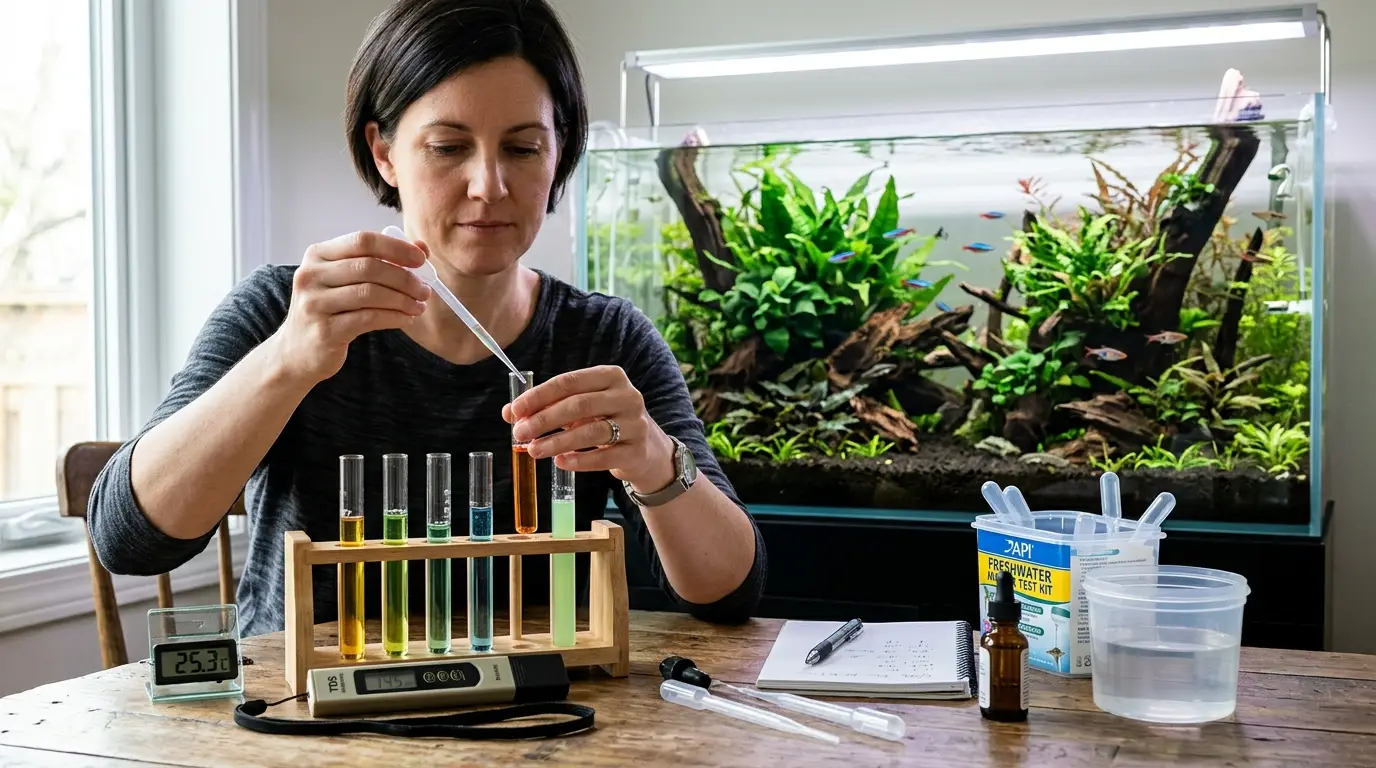
Test kits save fish. Strips are fast. Liquid kits are more precise. Use both if you can.
What to test and how often:
- Weekly. Ammonia, nitrite, nitrate, pH, temperature.
- Monthly. GH, KH, TDS.
- After big changes. Always retest.
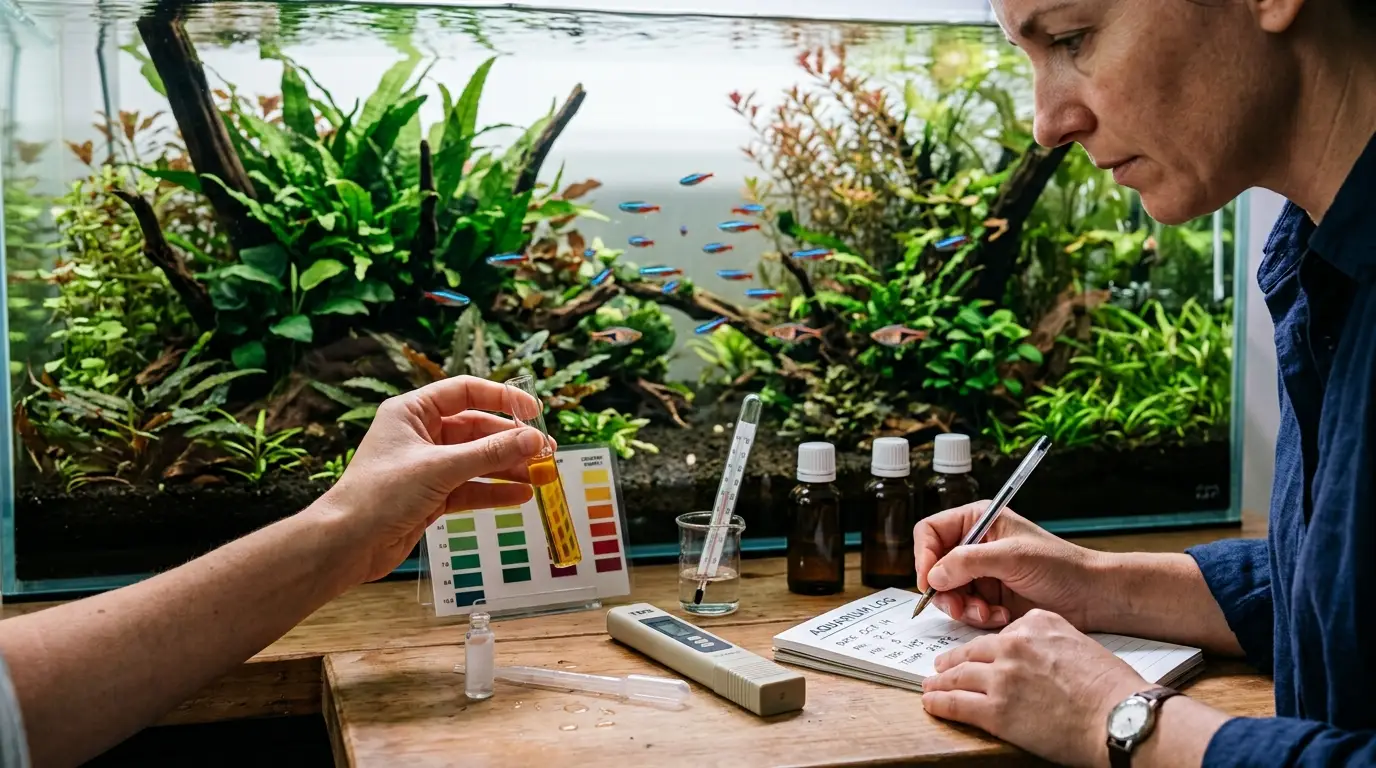
Helpful tools:
- Liquid kits for accuracy.
- Digital thermometers for stable heat.
- TDS meters for a quick read on minerals and organics.
- A simple log. I use a small notebook and note fish behavior too.
I learned to trust trends, not single tests. If nitrate creeps up week by week, I act. That habit protects the Ideal Water Parameters for Freshwater Aquarium Fish.
Adjusting pH, GH, and KH Safely
Make slow, small changes. Fast shifts stress gills and immune systems.
Gentle ways to lower pH and KH:
- Use driftwood, almond leaves, or peat. They release tannins and mild acids.
- Mix in reverse osmosis water. Then remineralize to the target.
- Add CO2 in planted tanks. It can nudge pH down during the day.
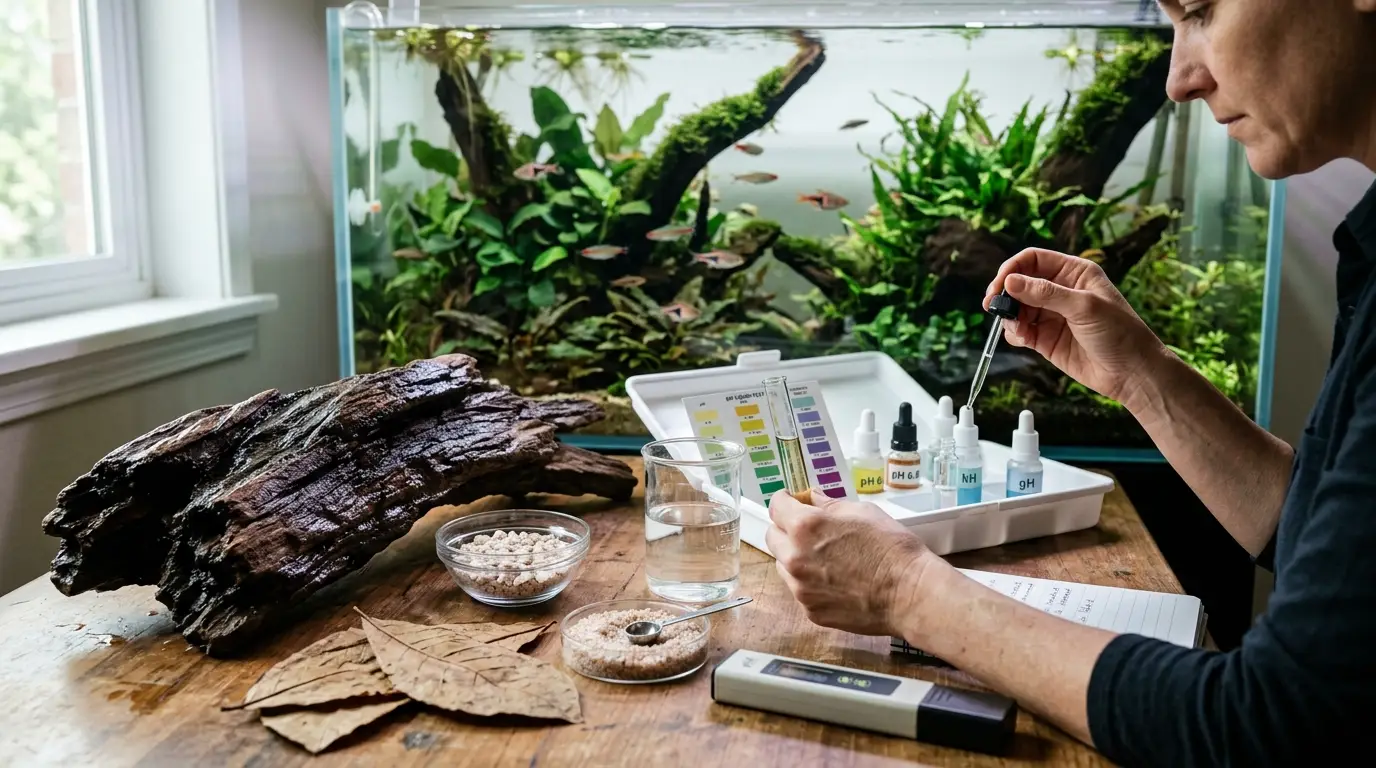
Ways to raise pH and KH:
- Add crushed coral or aragonite to the filter or substrate.
- Use baking soda in tiny measured doses. Test and go slow.
- Use commercial buffers with care. Follow the label and test often.
Ways to raise GH:
- Use mineral salts. Many shrimp and livebearers need added calcium and magnesium.
- Add crushed coral or wonder shells to add minerals over time.
Rules that saved me many times:
- Do not change pH by more than 0.2–0.3 in a day.
- Change KH first if pH swings. Buffers stabilize pH.
- Always pre-treat new water to match the tank.
Steady hands and tests keep the Ideal Water Parameters for Freshwater Aquarium Fish on track.
Temperature and Oxygen Management
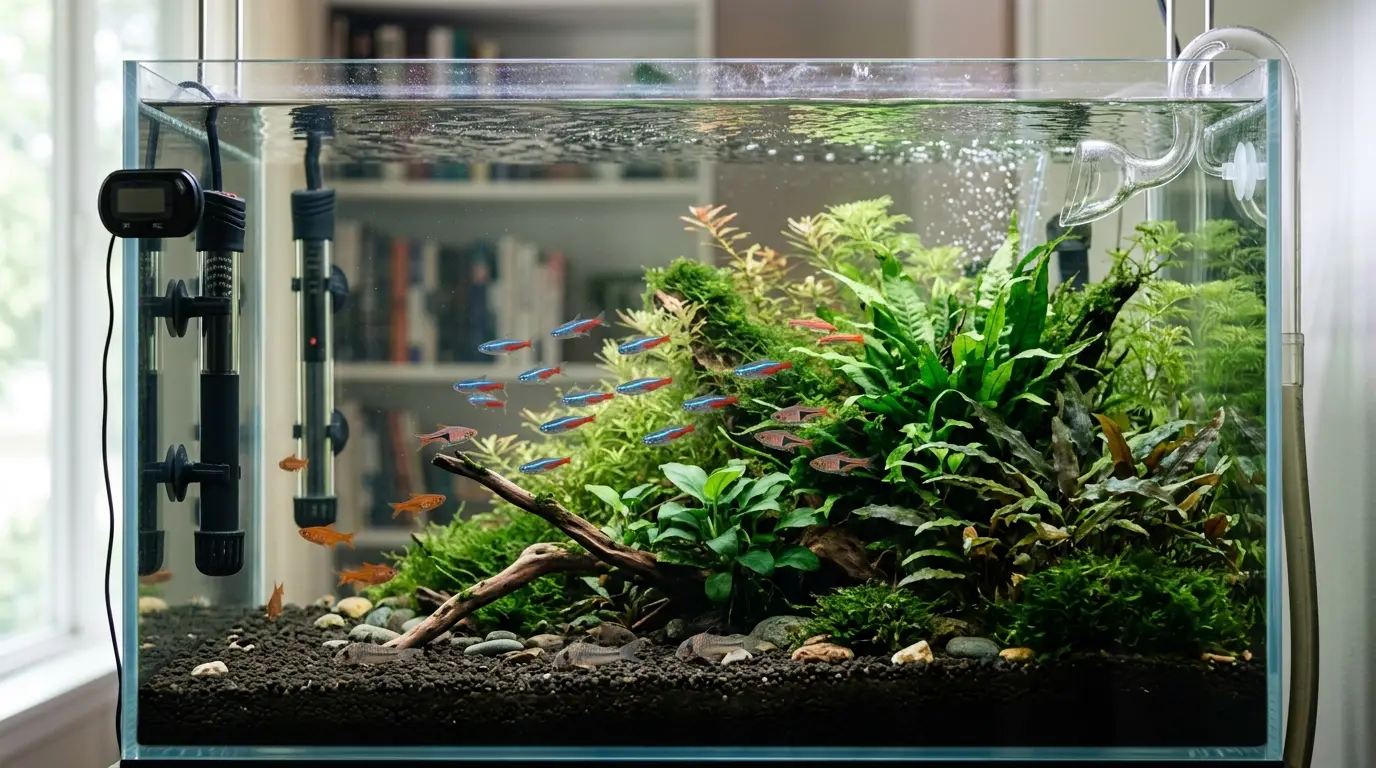
Heat is the heartbeat of your tank. Oxygen is the breath.
Best practices:
- Use a reliable heater with a thermostat. Add a second thermometer to verify.
- Create surface ripple with your filter return. Gas exchange raises oxygen.
- In heat waves, float ice packs in a bag or use a fan across the surface.
- In cold snaps, insulate the tank sides with a towel.
Target zones:
- Most tropical community fish. 74–78°F.
- Bettas and discus. 78–86°F depending on species.
- Goldfish. 65–72°F.
Good heat control supports the Ideal Water Parameters for Freshwater Aquarium Fish.
The Nitrogen Cycle and Safe Levels
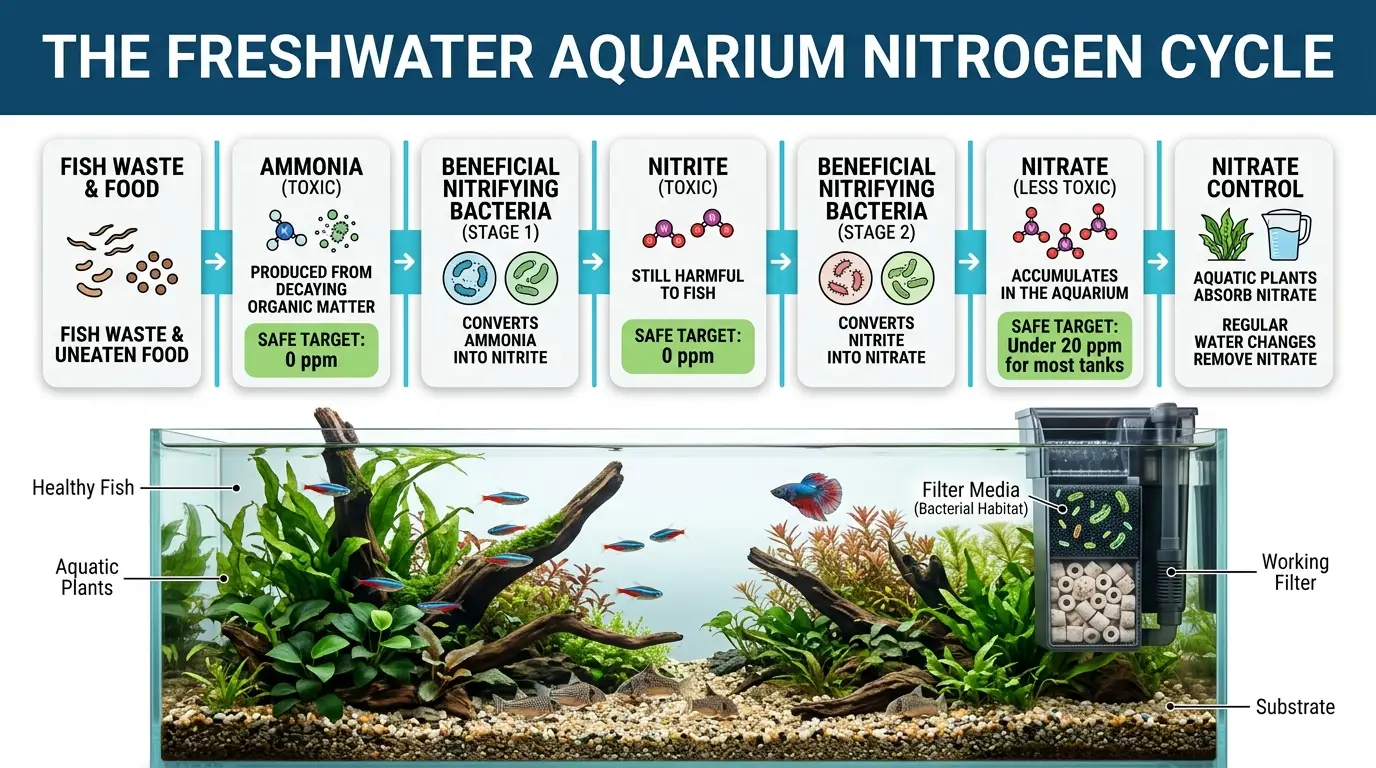
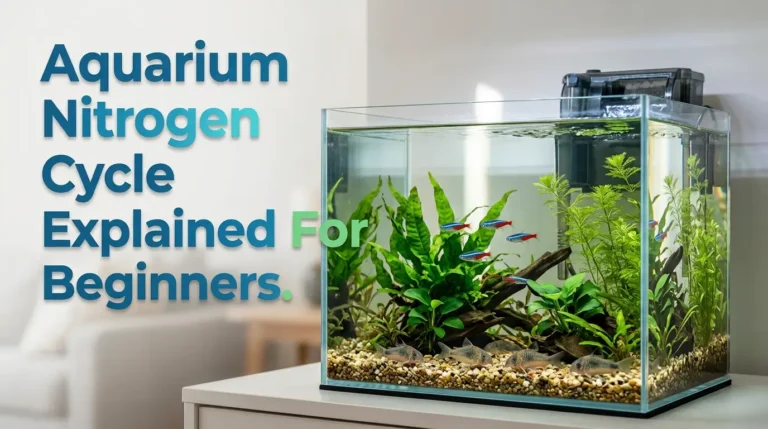
The cycle turns deadly waste into safer nitrate. You cannot skip it.
Core targets:
- Ammonia. 0 ppm.
- Nitrite. 0 ppm.
- Nitrate. Under 20 ppm for most tanks.
How to start a cycle:
- Dose pure ammonia to about 2 ppm in an empty tank.
- Add seeded media from a mature filter if you can.
- Keep the filter running with good oxygen.
- Test daily. When ammonia and nitrite both hit zero in 24 hours, you are ready.
If waste spikes:
- Change 50–80% of the water.
- Add a conditioner that binds ammonia and nitrite for a short time.
- Stop feeding for a day or two. Check your filter flow.
A strong cycle is the backbone of the Ideal Water Parameters for Freshwater Aquarium Fish.
Troubleshooting and Common Mistakes
Most problems come from fast changes or missed tests. Watch the fish. They speak with their fins and breath.
Warning signs:
- Gasping at the surface. Low oxygen or high ammonia.
- Clamped fins and hiding. pH or hardness stress.
- Rapid gill movement. Ammonia or nitrite burn.
Fixes that work:
- Do a big water change right away.
- Match temperature and dechlorinate new water.
- Clean filter media in tank water, not tap water.
- Recheck KH if pH swings between morning and night.
Mistakes I learned to avoid:
- Chasing exact numbers daily. Aim for stable ranges instead.
- Adding many fish at once. The biofilter cannot keep up.
- Using chemicals to swing pH fast. The bounce back is worse.
This calm plan helps keep Ideal Water Parameters for Freshwater Aquarium Fish without drama.
A Simple Weekly Maintenance Blueprint
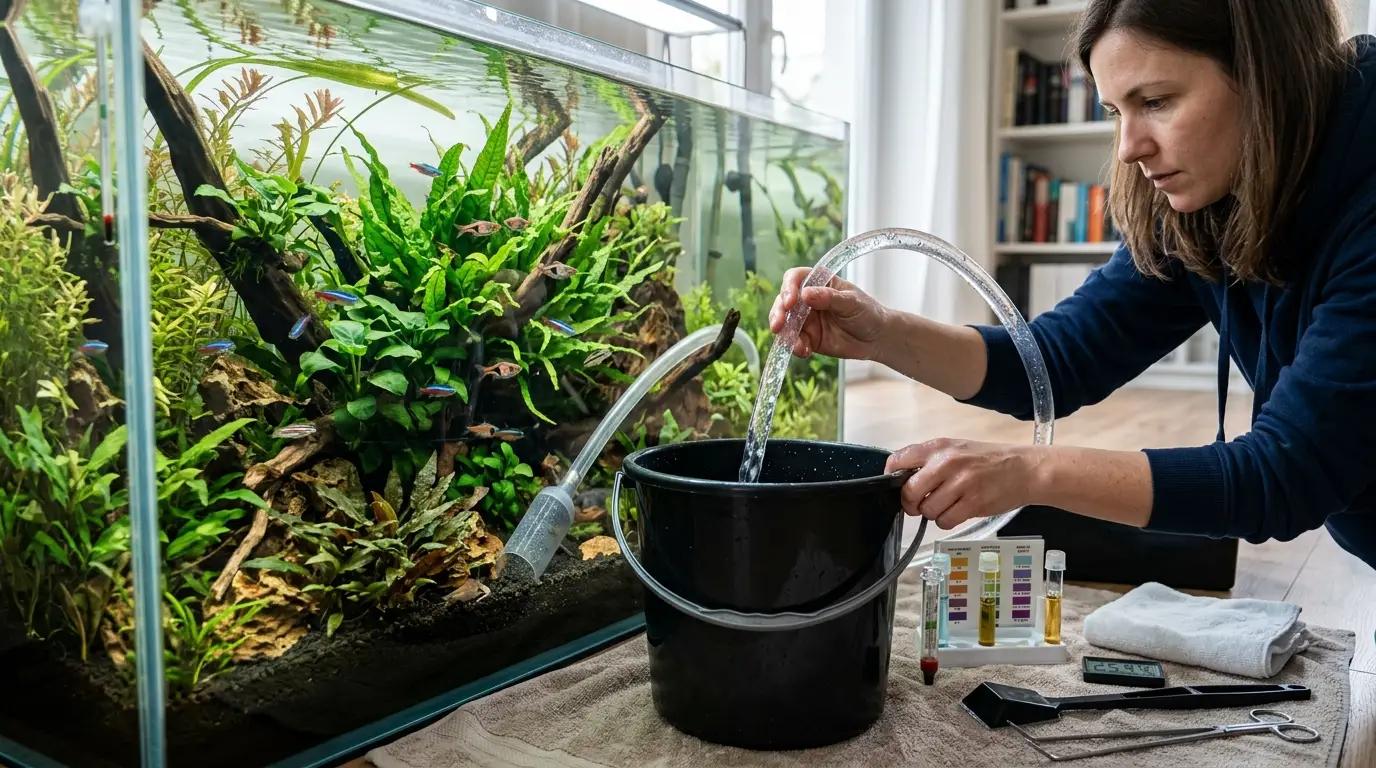
Small, steady habits beat rare deep cleans. Set a day and stick to it.
Do this each week:
- Test ammonia, nitrite, nitrate, and pH.
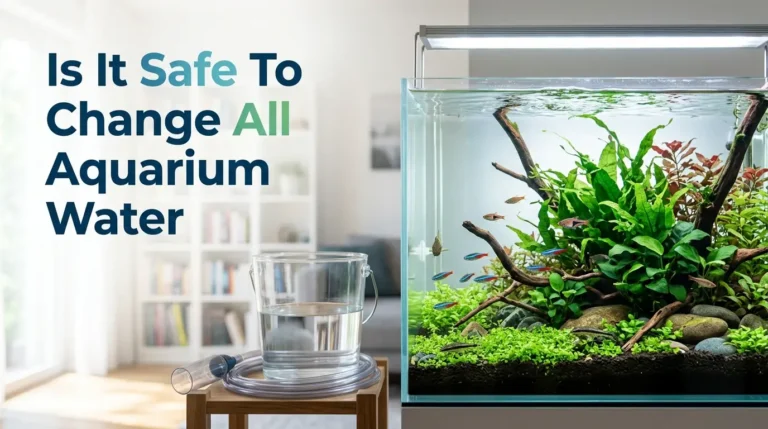
- Change 25–40% of the water based on nitrate levels.
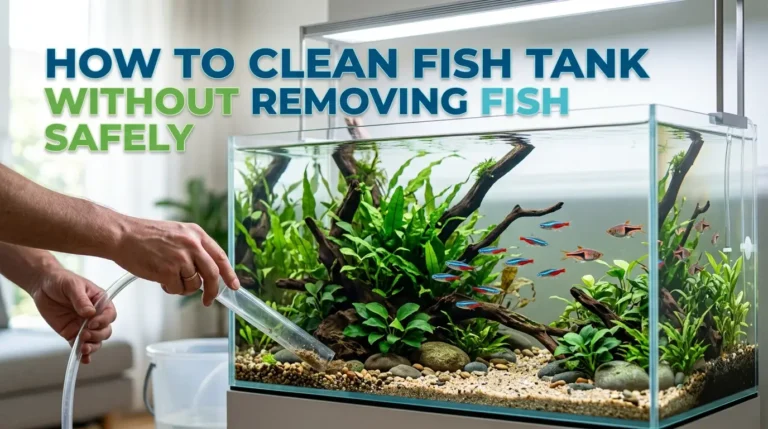
- Vacuum the substrate in sections.
- Wipe glass and check all gear.
Do this each month:
- Rinse filter media in a bucket of tank water.
- Check heater accuracy against a second thermometer.
- Review your log and adjust feeding if waste runs high.
Stocking and acclimation tips:
- Quarantine new fish for 2–4 weeks.
- Drip acclimate shrimp and delicate fish for 45–90 minutes.
- Feed less than you think. Clear food in two minutes.
This routine locks in the Ideal Water Parameters for Freshwater Aquarium Fish.
How Plants, Wood, and Substrate Change Your Water
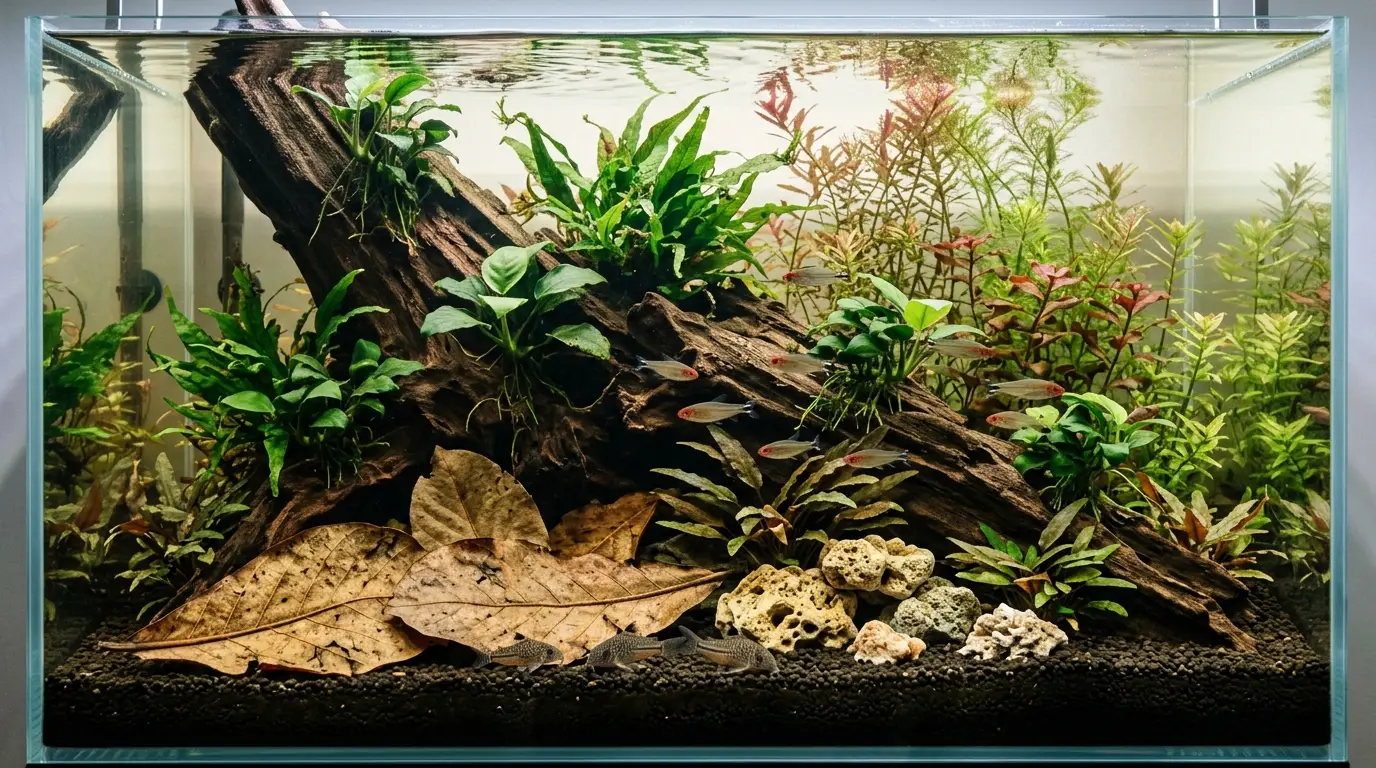
Your aquascape is part of your chemistry. Plan it like a recipe.
Effects to expect:
- Driftwood and leaves. Lower pH a bit and tint the water.
- Limestone and aragonite. Raise KH, GH, and pH.
- Active planted substrates. Lower KH and stabilize a mild acidic pH.
- Fast-growing plants. Eat nitrate and improve oxygen by day.
Tips from my tanks:
- I pre-soak wood to reduce the first tannin dump.
- I add a small bag of crushed coral when my KH is under 2 dKH.
- I test morning and evening in CO2 tanks to watch the daily pH swing.
Use the scape to support the Ideal Water Parameters for Freshwater Aquarium Fish.
Frequently Asked Questions of Ideal Water Parameters for Freshwater Aquarium Fish
What is the best pH for a community freshwater tank?
Aim for 6.5–7.5 and keep it steady. Most tetras, rasboras, and corydoras do well in that range.
How often should I test my aquarium water?
Test weekly for core values and after any change. During cycling or problems, test daily until stable.
What nitrate level is safe for fish and shrimp?
Keep nitrate under 20 ppm for fish and under 10–20 ppm for shrimp. Lower is better if you can hold it steady.
Can I use RO water for my tank?
Yes, but always remineralize. Add GH and KH back to match your fish needs.
How fast can I change pH or hardness?
Go slow and small. Keep pH shifts under 0.2–0.3 per day and match temperature and dechlorination.
Conclusion
Healthy fish come from stable water, not perfect numbers. Test often, make small moves, and match your fish to the right range. Build simple habits, and your tank will reward you with color, growth, and calm behavior.
Start today. Test your tank, note the numbers, and pick one small tweak. If this helped, subscribe for more guides or drop a question in the comments.