Swim bladder disease makes fish float wrong due to buoyancy and organ issues.
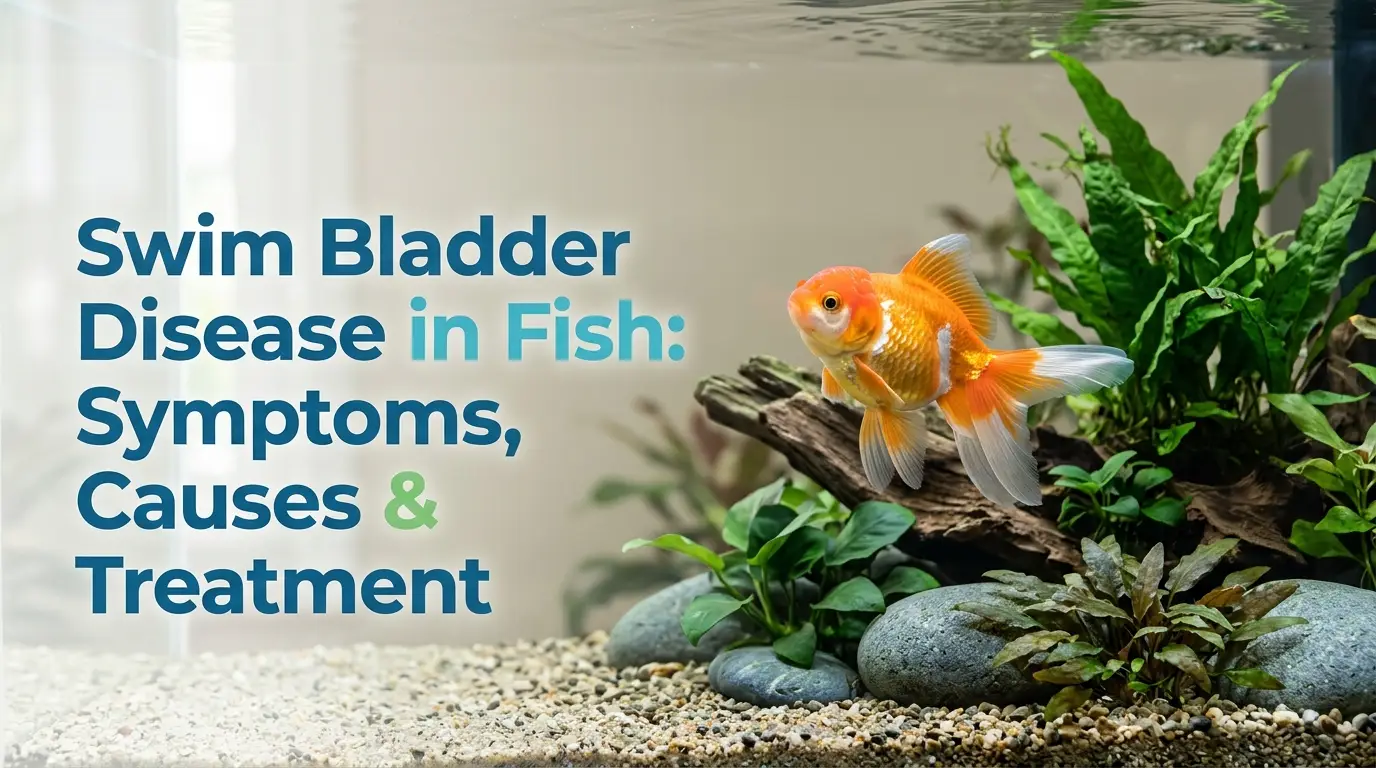
If your fish tilts, floats upside down, or sinks like a stone, you might be dealing with Swim Bladder Disease in Fish: Symptoms Causes and Care. I’ve guided many home aquarists through this problem with clear steps, science-backed advice, and gentle care. This guide breaks down what to look for, how to fix it, and how to prevent it for good.
What Is Swim Bladder Disease in Fish?
Swim Bladder Disease in Fish is not one single disease. It is a set of signs linked to the swim bladder, an internal organ that helps fish control buoyancy. When the bladder cannot fill or release gas as it should, the fish loses balance.
Think of the swim bladder like a tiny balloon. If it is squeezed, blocked, inflamed, or full of the wrong gas, the fish either floats too much or not at all. The root cause can be diet, injury, infection, or body shape in some breeds.
You will also hear terms like buoyancy disorder, floating disorder, or gas bladder disease. These all point to the same problem: the fish struggles to stay level in the water.
Key Symptoms to Watch For
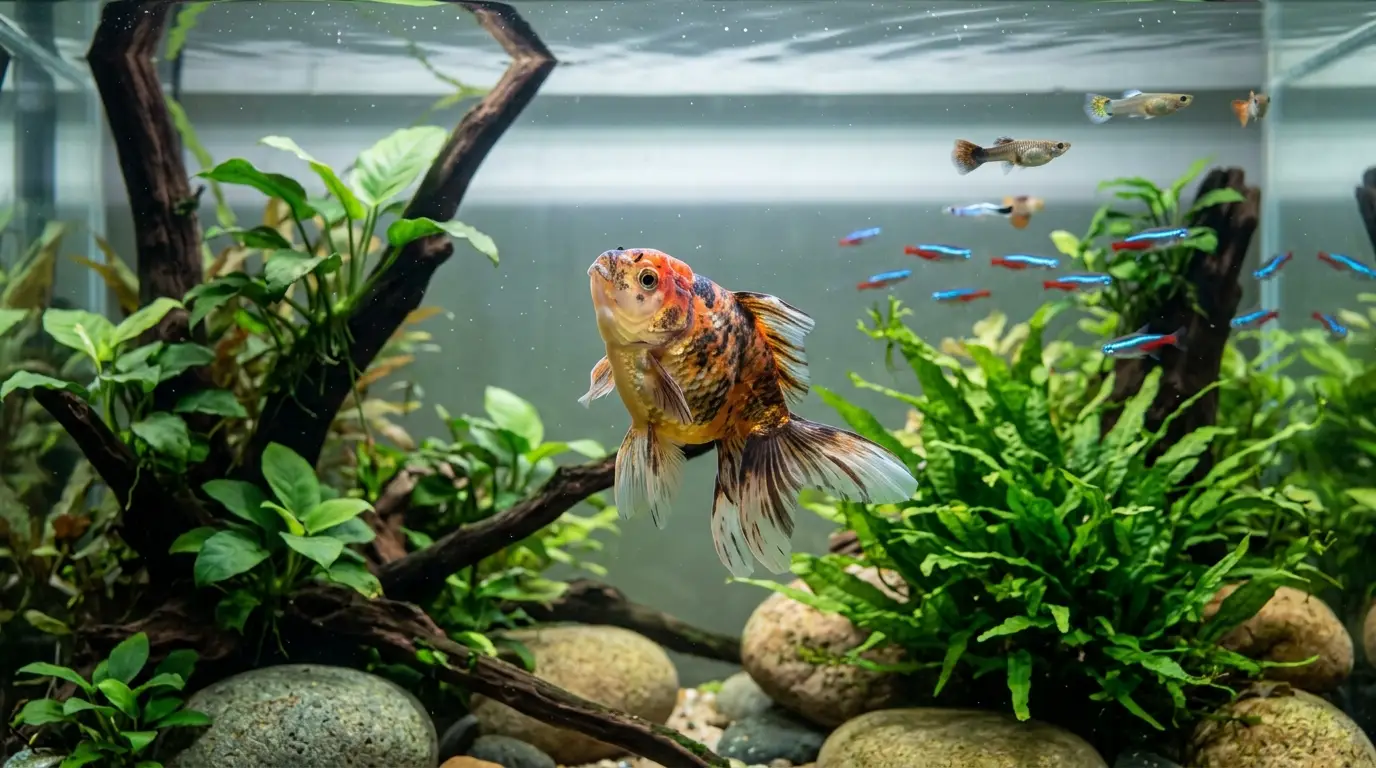
Swim Bladder Disease in Fish shows up in simple, clear ways. Look for changes in swimming and posture.
Common signs include:
- Floating at the surface and unable to sink
- Sinking to the bottom and struggling to rise
- Head-up tail-down or head-down tail-up posture
- Rolling, tilting, or swimming on one side
- Bloating, curved back, or a swollen belly
- Loss of appetite, stress, or clamped fins
If one fish shows these signs while others do not, act fast. Early action often leads to a full recovery.
Common Causes and Risk Factors

Swim Bladder Disease in Fish has many triggers. Pinpointing the cause helps you pick the right fix.
Frequent causes:
- Overeating or gulping air while feeding
- Constipation from dry flakes or pellets
- Sudden temperature shifts that slow digestion
- Bacterial infection or internal parasites
- Injury from netting, fights, or sharp decor
- Congenital defects in fancy breeds
- Barotrauma from transport or rapid depth changes
- Poor water quality causing stress and swelling
High-risk fish include goldfish (especially fancy types like orandas and ryukins) and bettas. Their body shapes make them more prone to buoyancy trouble.
How to Diagnose at Home (and When to See a Vet)
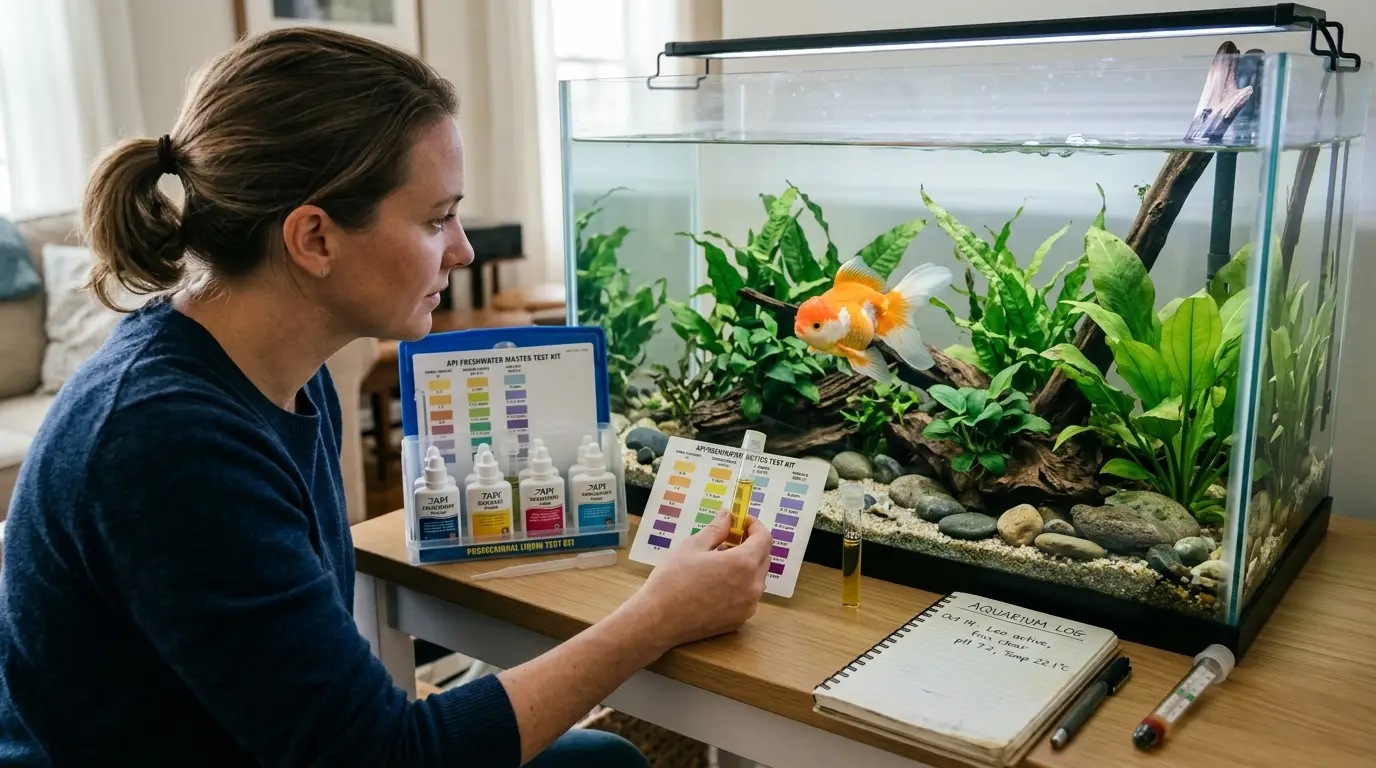
You can do a simple step-by-step check before starting treatment.
Try this:
- Test the water. Aim for 0 ppm ammonia and nitrite, and low nitrate. Keep pH stable for your species.
- Watch feeding. Note if the fish gulps air at the surface or eats too fast.
- Check the belly shape. Look for bloat or pineconing scales.
- Try a short fast. If the fish improves after a day or two, food was likely the issue.
- Observe poop. Long, stringy waste can point to diet issues or parasites.
Seek a vet if:
- There is no change after 3 to 5 days of care
- You see rapid swelling, red patches, or open sores
- The fish cannot right itself at all
- More than one fish shows symptoms at once
A vet can do imaging and targeted meds. That is the best route if infection is likely.
Immediate Care and Treatment Options
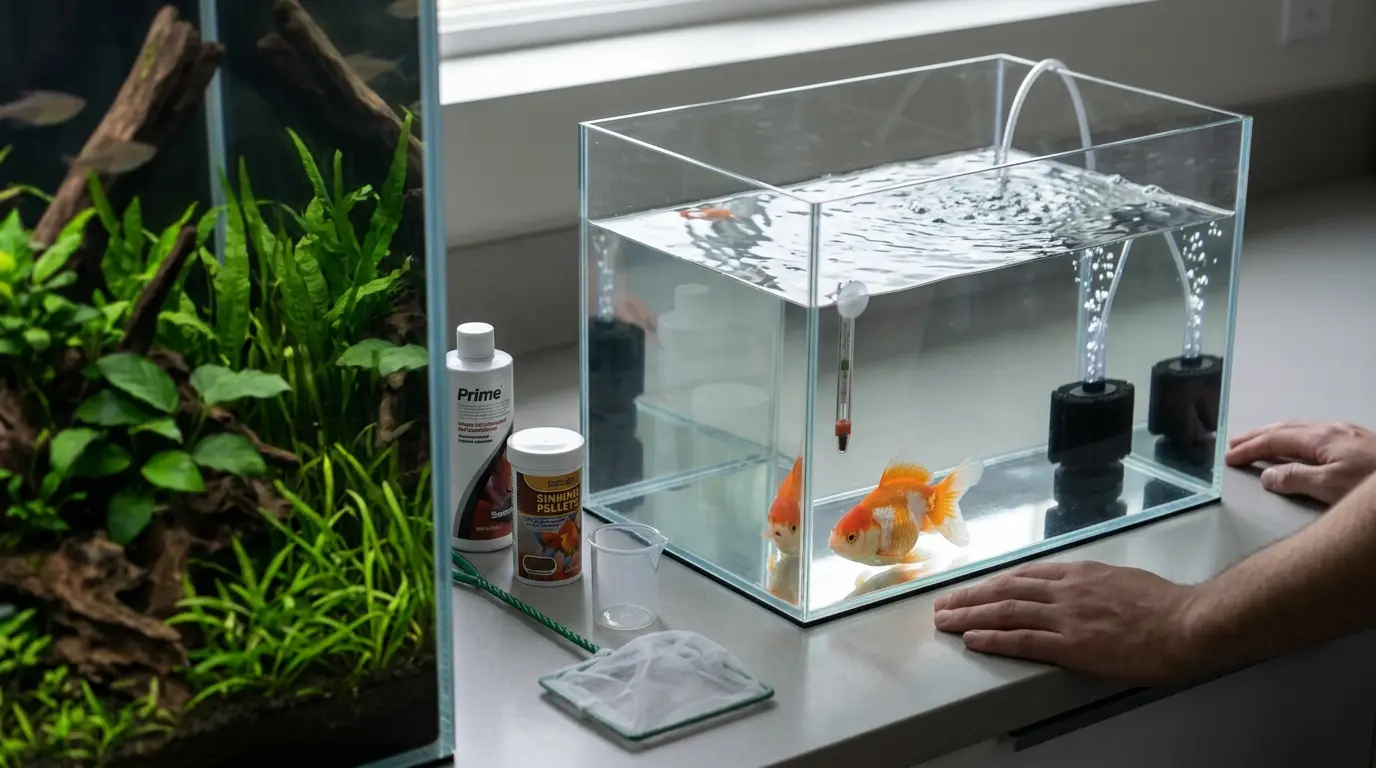
Start with safe, simple steps. Many cases of Swim Bladder Disease in Fish resolve with home care.
Do this first:
- Fast for 24 to 48 hours. This reduces gut gas and pressure.
- Offer a small, soft pea to omnivores and goldfish. Peel, mash, and feed a tiny bit. Skip for strict carnivores like some bettas.
- Switch to sinking, soaked pellets. Pre-soak pellets for 1 to 2 minutes to reduce air.
- Raise temperature slightly for tropical fish, to 78 to 80°F. For goldfish, keep it gentle at 72 to 74°F. Avoid big jumps.
- Lower current and keep lights calm. Cut stress while the fish recovers.
Supportive options:
- Epsom salt bath in a separate container at about 1 teaspoon per gallon for up to 10 minutes. Watch closely and stop if stress appears. This can ease swelling.
- Targeted meds if infection or parasites are likely. A vet may advise antibiotics for bacterial issues or praziquantel for flukes and worms. Use only as directed.
Avoid common mistakes:
- Do not overuse table salt. It does not fix all cases.
- Do not feed a lot of peas to every species.
- Do not chase the fish with a net. Gentle handling only.
Long-Term Prevention and Tank Management
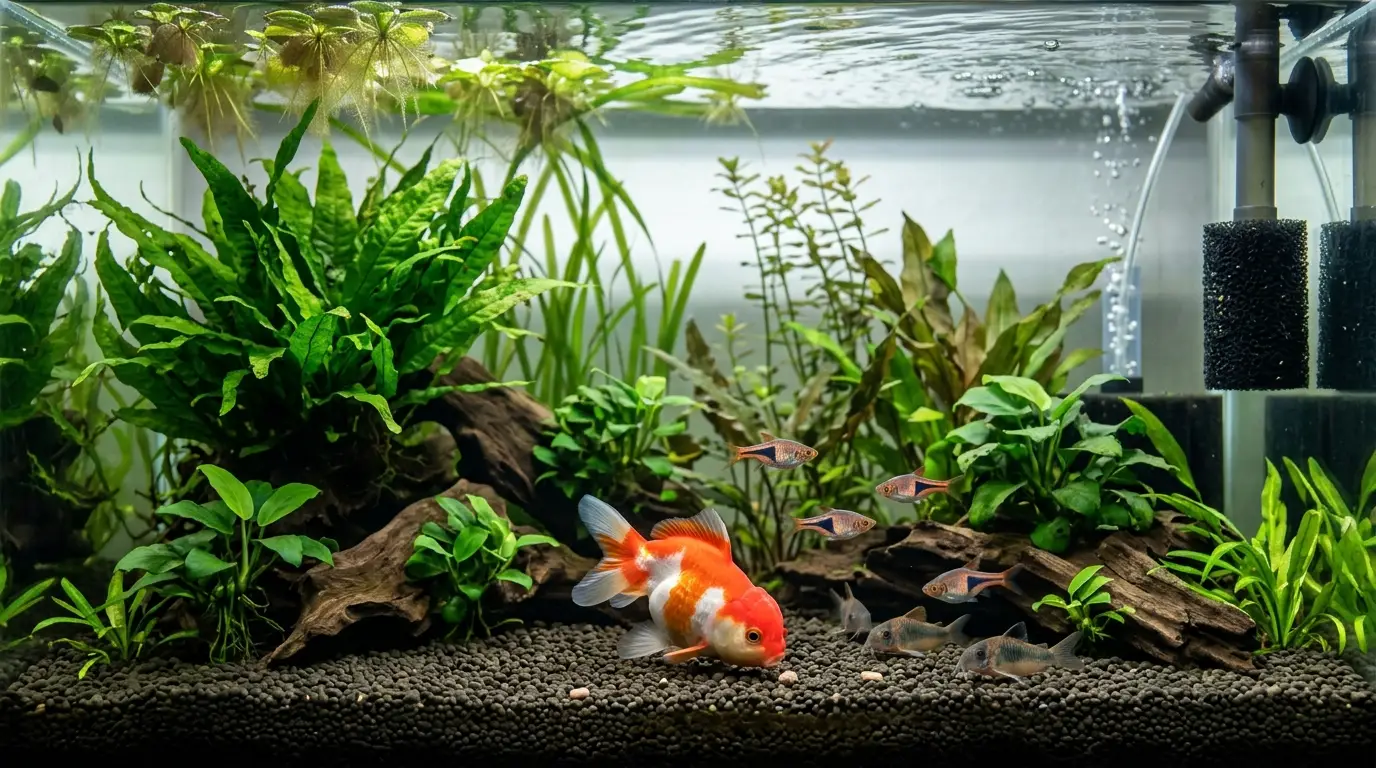
Most cases of Swim Bladder Disease in Fish can be prevented with good habits.
Daily and weekly habits:
- Feed small portions that the fish can finish in under two minutes
- Use a varied diet: quality pellets, gel food, live or frozen daphnia, and veggies for omnivores
- Soak dry food and avoid only floating pellets for gulping species
- Keep ammonia and nitrite at 0 ppm; keep nitrate as low as you can
- Do weekly water changes of 25 to 40 percent
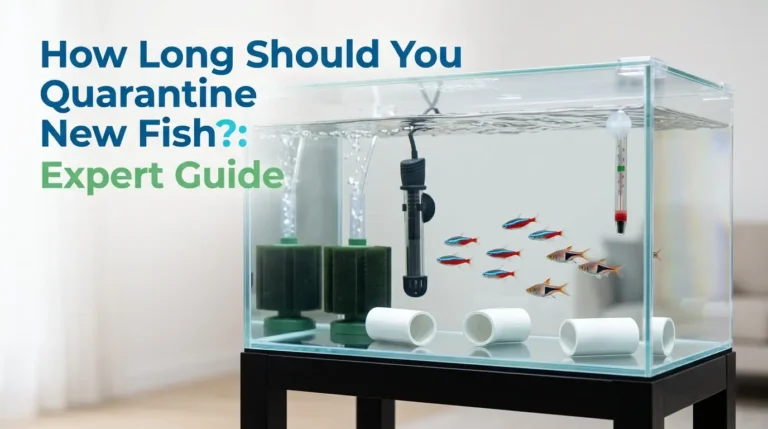
- Quarantine new fish for 2 to 4 weeks
- Maintain stable temperature and a gentle, even flow
Tank tweaks that help:
- Add plants for cover and calm
- Use a sponge pre-filter to reduce suction injuries
- Round off sharp decor
- Offer broad leaves or platforms for bettas to rest
Special Cases: Goldfish, Betta, and Fancy Varieties
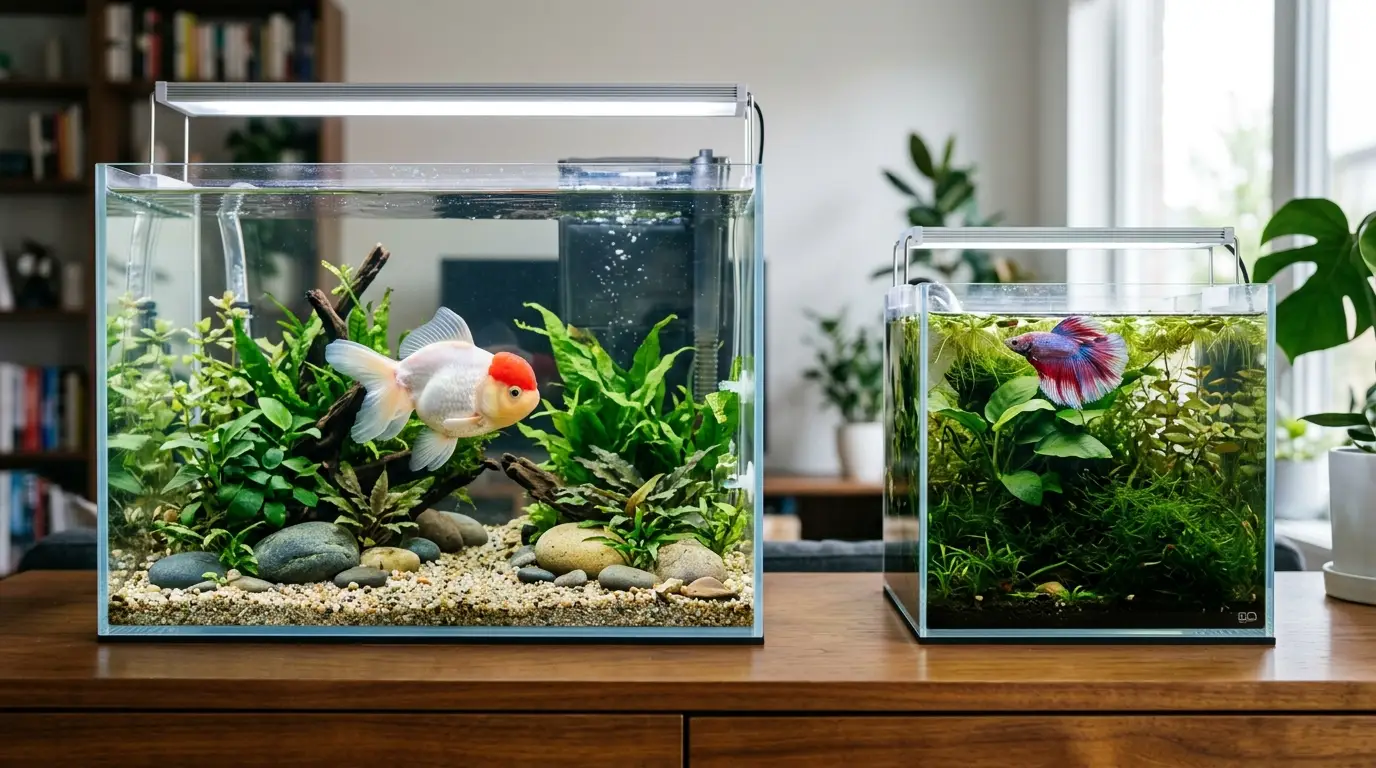
Swim Bladder Disease in Fish looks a bit different in certain species.
Goldfish:
- Fancy goldfish have short, round bodies. Their organs crowd the swim bladder.
- Feed sinking gel food when you can. Avoid lots of dry flakes.
- Keep them cooler than tropical fish, but stable.
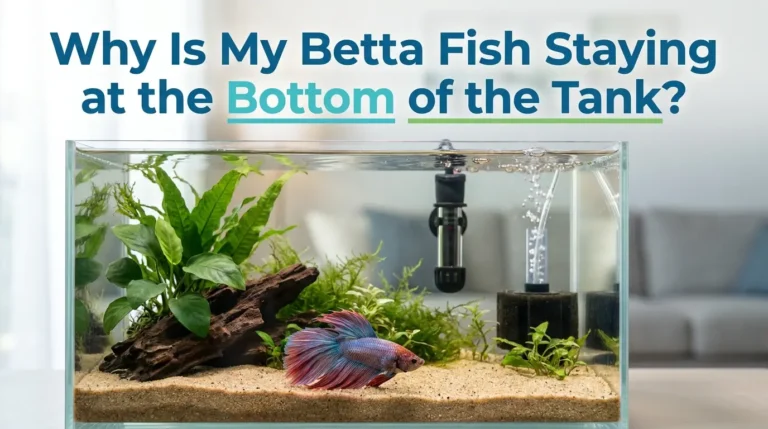
- Bettas often rest near the top. That is normal.
- Trouble starts when they float sideways or struggle to dive.
- Use gentle flow and a resting leaf near the surface.
Other float-prone fish:
- Balloon mollies and certain cichlids can have congenital issues.
- Breeds with extreme shapes are at higher risk. Prevention is key.
My Experience: What Worked and What Did Not
A client’s fancy goldfish once floated head-up for three days. Water tests showed 0 ppm ammonia and nitrite, but nitrate was high. We fasted the fish for 36 hours, offered a tiny mashed pea, and switched to soaked sinking gel food. We also did a short Epsom salt bath. Within two days, the posture improved, and feeding stayed gentle and small. That fish stayed stable after we cut back portions and raised the weekly water change.
What did not help:
- Dumping salt into the main tank without a diagnosis
- Feeding many peas for a betta that needed a protein-led diet
- Big temperature jumps in a rush to fix things
The lesson: go slow, test water, and treat the cause you see.
Myths, Facts, and Limitations
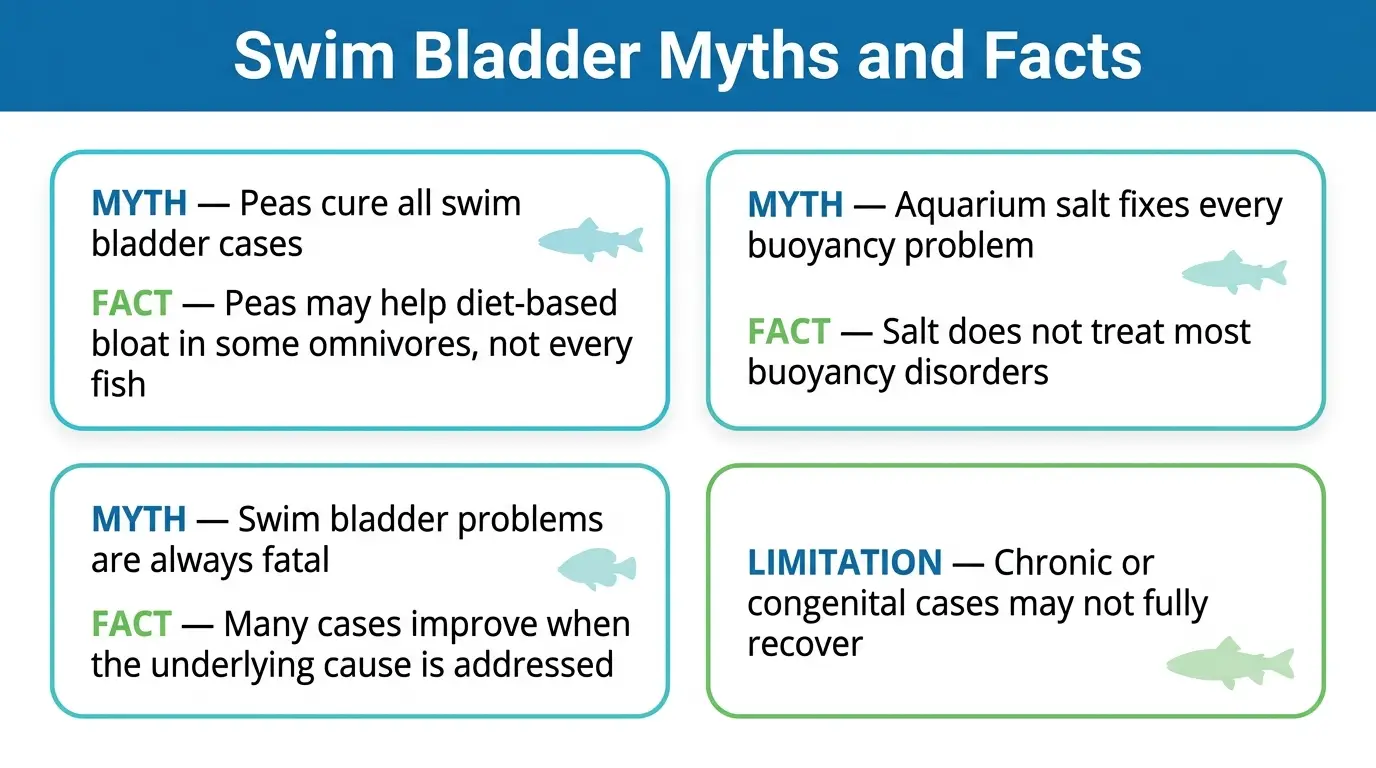
Swim Bladder Disease in Fish comes with many myths. Here are clear truths.
- Myth: Peas cure all swim bladder cases. Fact: Peas can help diet-based bloat in omnivores, not in all fish.
- Myth: Aquarium salt fixes everything. Fact: Salt can help with some external issues, but not most buoyancy disorders.
- Myth: It is always a death sentence. Fact: Many cases resolve with fasting, better diet, and clean water.
- Limitation: Chronic or congenital cases may not fully recover. Focus on comfort and quality of life.
When to Consider Humane Choices
Sometimes a fish has a birth defect or long-term damage. If the fish cannot swim, eat, or rest with comfort, think about quality of life. A vet can guide you on gentle options, including sedation and humane euthanasia.
If you choose palliative care, make the tank calm, shallow, and safe. Offer easy food and resting spots. Your care still matters.
Frequently Asked Questions of Swim Bladder Disease in Fish: Symptoms Causes and Care
Is Swim Bladder Disease in Fish contagious?
No, the problem itself is not contagious. If the cause is infection, that infection can spread, so quarantine is wise.
How long does recovery from Swim Bladder Disease in Fish take?
Diet-based cases can improve in 24 to 72 hours with fasting and clean water. Infections or injuries may take one to two weeks under proper care.
Can I feed peas to my betta for Swim Bladder Disease in Fish?
Use peas with caution for bettas, as they are carnivores. A small amount once is fine, but focus on high-quality, soaked protein food and clean water.
What water parameters help prevent Swim Bladder Disease in Fish?
Keep ammonia and nitrite at 0 ppm and nitrates low. Maintain a steady temperature and pH that fit your species.
Do floating pellets cause Swim Bladder Disease in Fish?
They can if your fish gulps air while eating. Switch to soaked sinking pellets or gel food to reduce risk.
When should I use Epsom salt for Swim Bladder Disease in Fish?
Use a short bath in a separate container to ease swelling. Watch the fish closely and stop if stress appears.
Can a fish live with chronic Swim Bladder Disease in Fish?
Yes, many can with tank tweaks and gentle care. Lower water level, reduce flow, and give easy access to food.
Conclusion
Swim Bladder Disease in Fish is a buoyancy problem with many causes, but most cases respond to simple fixes. Fast for a day or two, soak and switch food, test water, and keep stress low. When signs point to infection, seek a vet and use targeted treatment.
Take one action today: test your water and adjust feeding. Small, steady steps will protect your fish and your peace of mind. If this guide helped, share it with a fellow fish keeper or leave a comment with your questions.