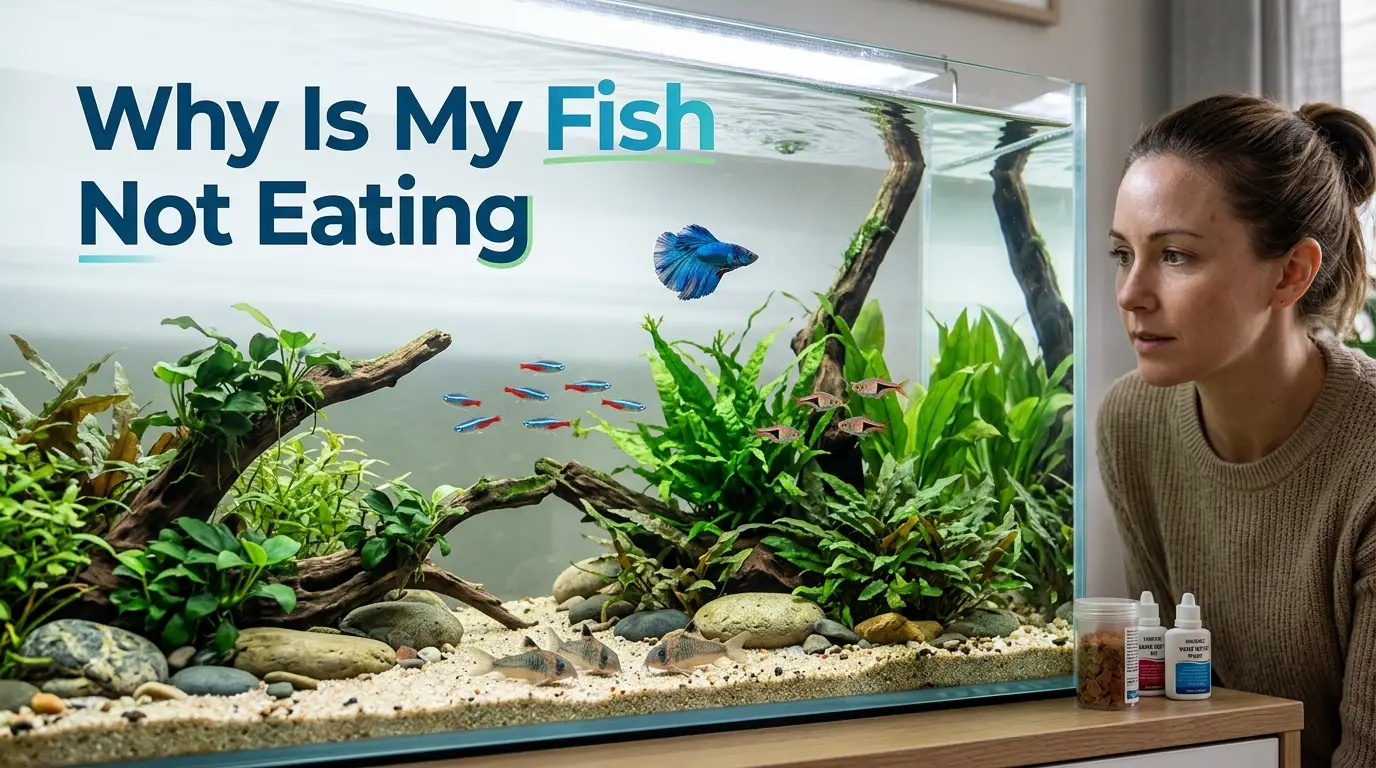
Most fish stop eating due to stress, poor water quality, or unsuitable food.
You are not alone if you are asking why is my fish not eating. As an aquarist and care coach, I have helped many owners fix feeding issues fast. This guide unpacks Why Is My Fish Not Eating? Common Causes and What to Check with clear steps, checklists, and real examples you can use today.
What to Check First When Your Fish Stops Eating

Start simple. Check the basics before you change food or add medicine. Most cases improve once these quick wins are in place.
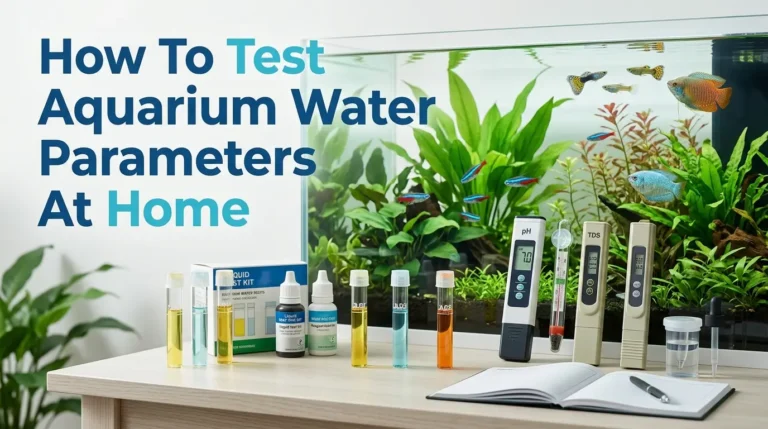
- Test water. Ammonia and nitrite must be zero. Nitrate should be low, under 20–40 ppm.
- Match temperature to your species. Bettas like 78–80°F, goldfish prefer 68–74°F, most tetras do well at 75–78°F.
- Watch behavior. Is the fish hiding, gasping, clamped, or bullied?
- Review your last change. New filter, new tank mates, or deep clean can cause stress.
If you wonder why is my fish not eating, start with these checks. Small fixes often bring appetite back within a day.
Top Common Causes of Appetite Loss in Aquarium Fish
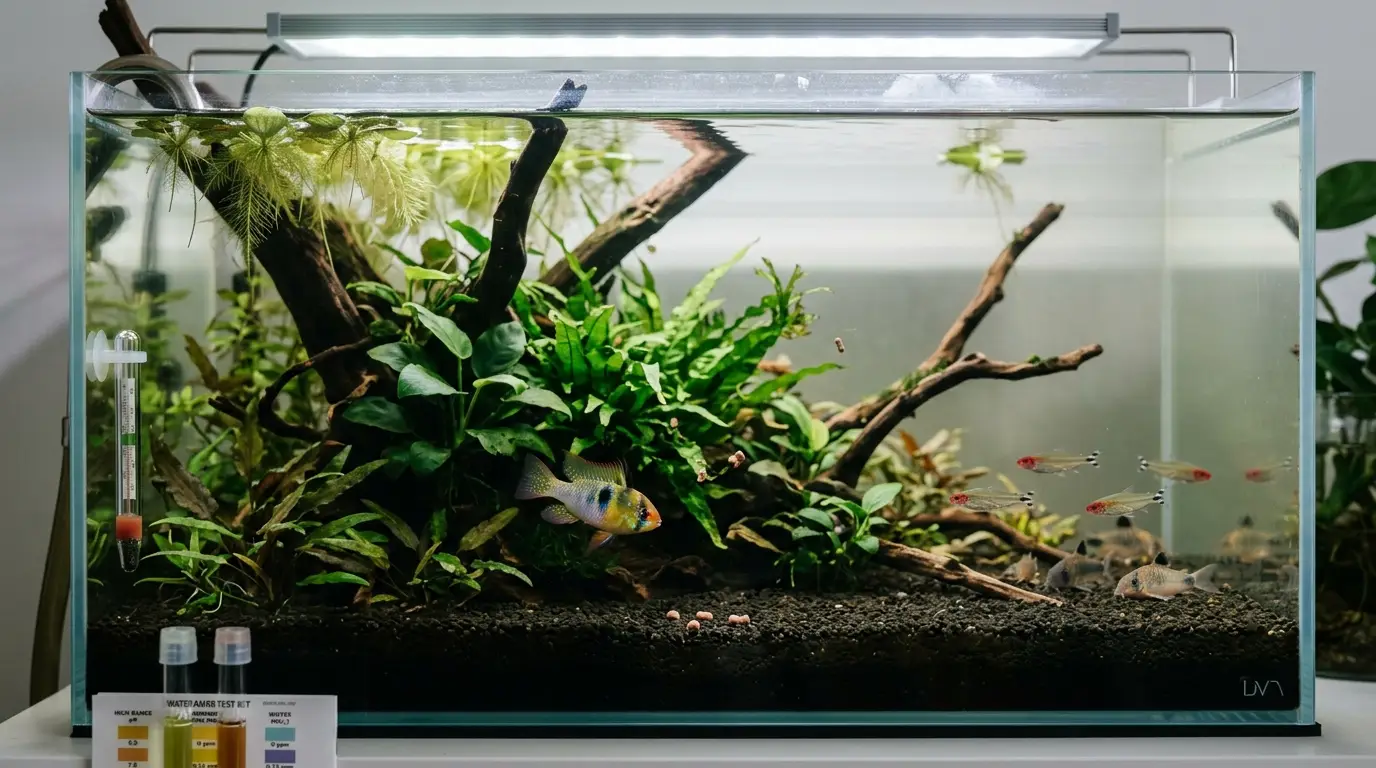
There is a short list that explains most cases. You can scan it to spot your likely cause.
- Poor water quality. Even a small ammonia spike burns gills and stops feeding.
- Wrong temperature. Cold water slows metabolism. Warm water reduces oxygen.
- Stress from transport or new tank. Many fish fast for 24–72 hours after a move.
- Bullying or overcrowding. Shy fish may not reach food at all.
- Food mismatch. Food is too big, too hard, or sinks when it should float.
- Illness or parasites. White spots, flashing, or bloat can all curb appetite.
- Old or spoiled food. Vitamins degrade fast once a container is opened.
Asking why is my fish not eating often points to one of these. Fix the root cause rather than forcing food.
Water Quality and Tank Conditions to Verify
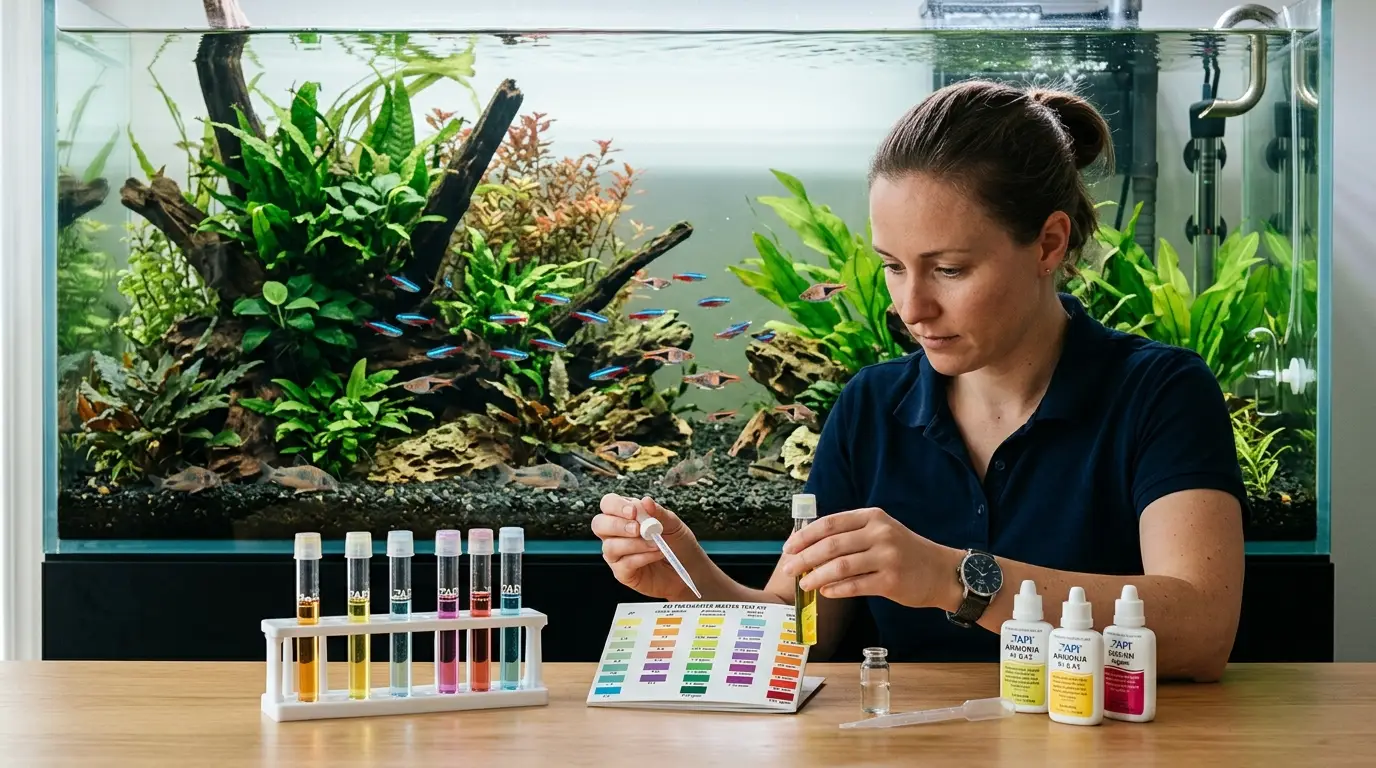
Clean, stable water is the biggest driver of appetite. Test, record, and act on the numbers.
- Aim for ammonia 0 ppm, nitrite 0 ppm, and low nitrate.
- Keep pH stable for your species. Big swings are worse than a non-perfect value.
- Dechlorinate every time. Chlorine and chloramine harm gills and gut flora.
- Boost oxygen. Add surface agitation or an airstone if fish hang near the top.
- Avoid sudden deep cleans. Preserve filter bacteria to prevent mini-cycles.
If you still ask why is my fish not eating, recheck the filter and flow. A clogged filter or strong current can spook feeders.
Feeding Mistakes and Food Issues

Food problems are common and easy to fix. Look at size, type, and freshness.
- Use the right form. Surface feeders take flakes or floating pellets. Bottom dwellers like sinking wafers.
- Size matters. Pellets should be no bigger than the fish’s eye.
- Rotate foods. Offer high-quality pellets, frozen daphnia, brine shrimp, or bloodworms.
- Soak dry food briefly. It helps avoid bloat and makes the smell stronger.
- Check dates. Use small containers and finish within 6–8 weeks after opening.
Why is my fish not eating could be simple taste. Some fish ignore bland pellets but jump at frozen food with smell.
Illness, Parasites, and Stress Signs
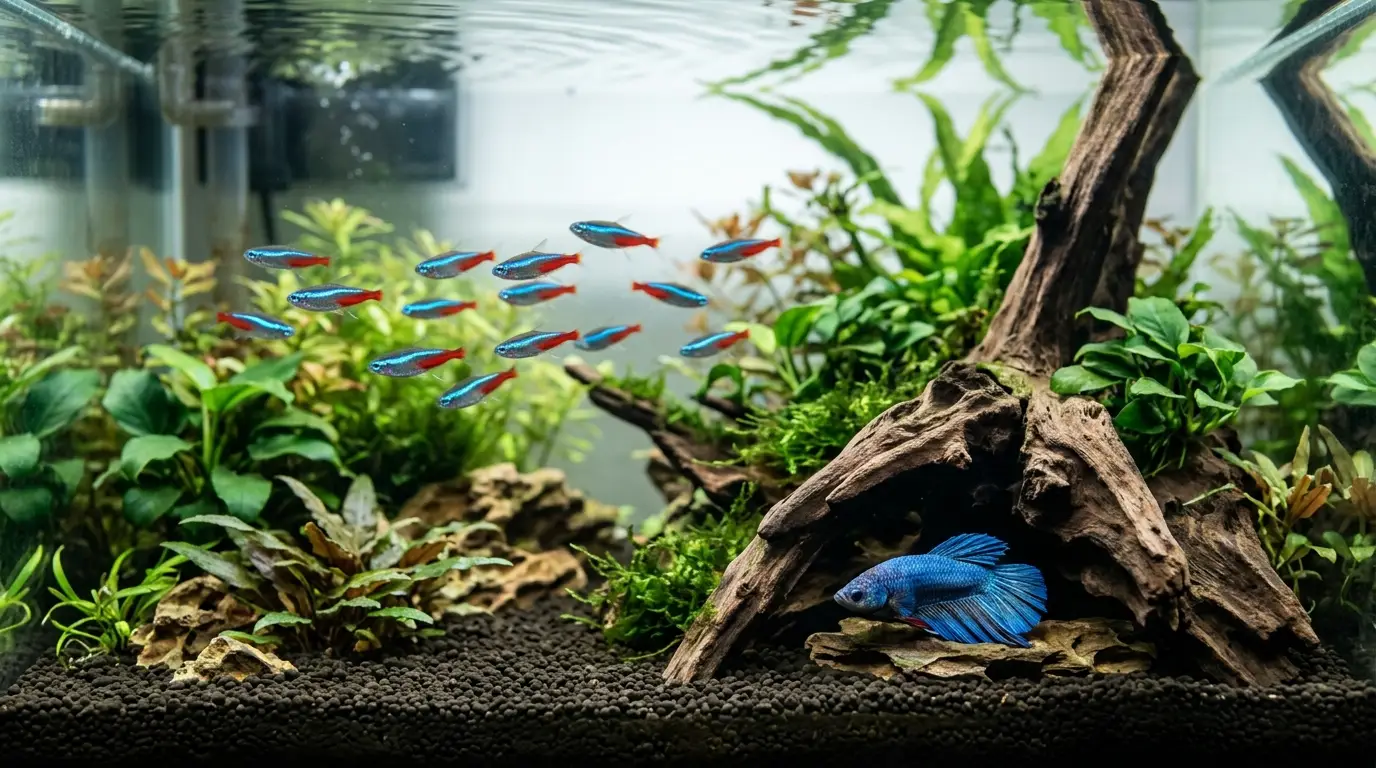
Sick fish often refuse food. Look for clear clues and act with care.
- Ich or velvet. White grains or gold dust on the skin and fins.
- Internal parasites. Stringy white poop, weight loss, and poor appetite.
- Bacterial issues. Red sores, cloudy eyes, fin rot, or lethargy.
- Constipation. Swollen belly, no poop, interest in food but spitting it out.
- Stress. Clamped fins, hiding, flashing, or rapid breathing.
My rule when clients ask why is my fish not eating: treat the water first, then treat the fish. Use a hospital tank when you must medicate, and follow label doses.
Species-Specific Behavior and New Fish Adjustments
Some fish are picky by nature. Others need time to settle in.
- Bettas may refuse pellets but take frozen foods first. Transition back over days.
- Goldfish are eager but can gulp air with floating foods. Pre-soak or use sinking types.
- Plecos and corydoras feed at night. Add sinking wafers after lights go off.
- Wild-caught fish might only recognize live prey at first.
- New fish may fast for a few days. Keep lights dim and reduce traffic near the tank.
It is normal to ask why is my fish not eating right after a move. Offer small meals and keep the room calm.
Step-by-Step Troubleshooting Checklist
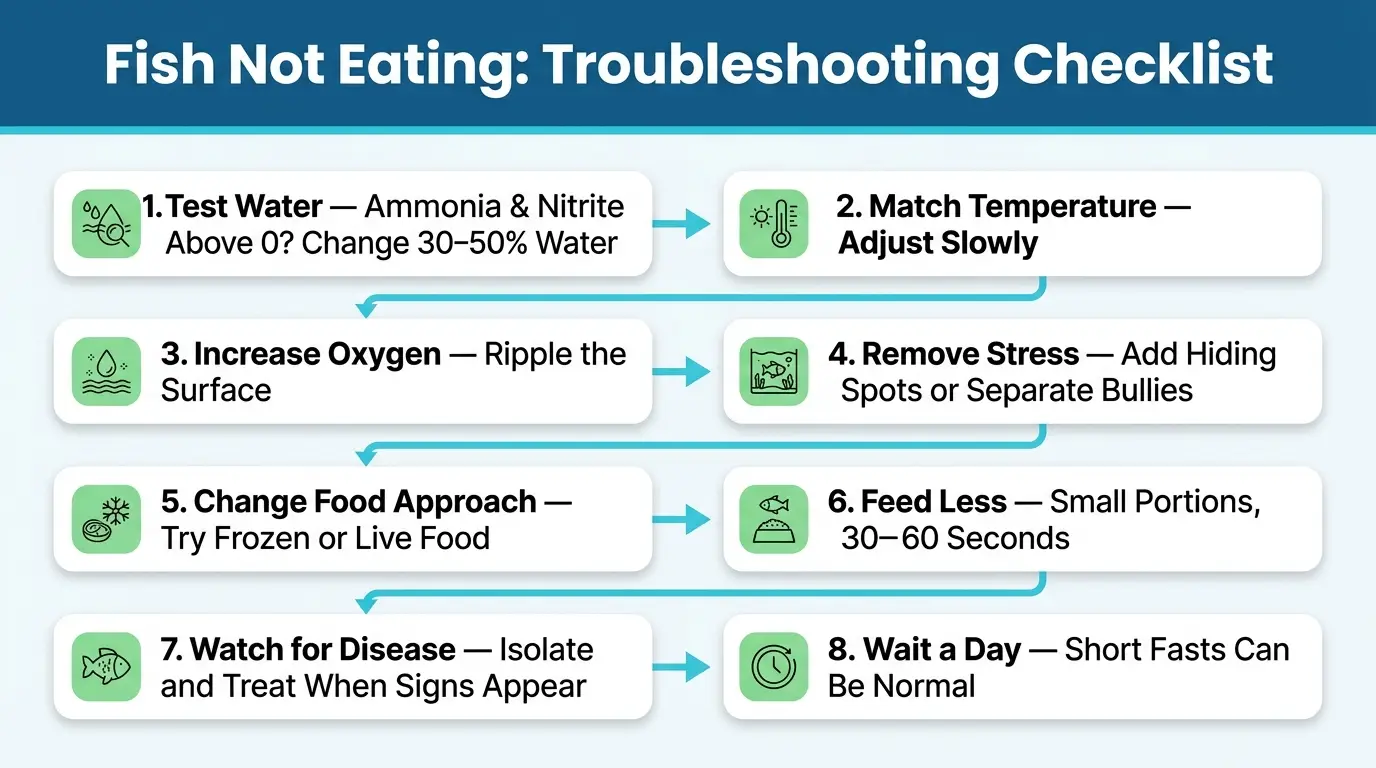
Follow this path to find the cause and fix it fast.
- Test water. If ammonia or nitrite is above zero, do a 30–50% water change.
- Match temperature. Adjust slowly, 1–2°F per hour at most.
- Increase oxygen. Angle the filter output to ripple the surface.
- Remove stress. Add hiding spots or separate bullies.
- Change food approach. Try a small amount of frozen or live food.
- Feed less. Offer what is eaten in 30–60 seconds, once or twice daily.
- Watch for disease. If signs appear, set up a hospital tank and treat.
- Wait a day. Short fasts are normal and can reset appetite.
If you still wonder why is my fish not eating after this list, document what you see. A short video can help a professional give a quick answer.
Prevention Tips for Steady Appetite
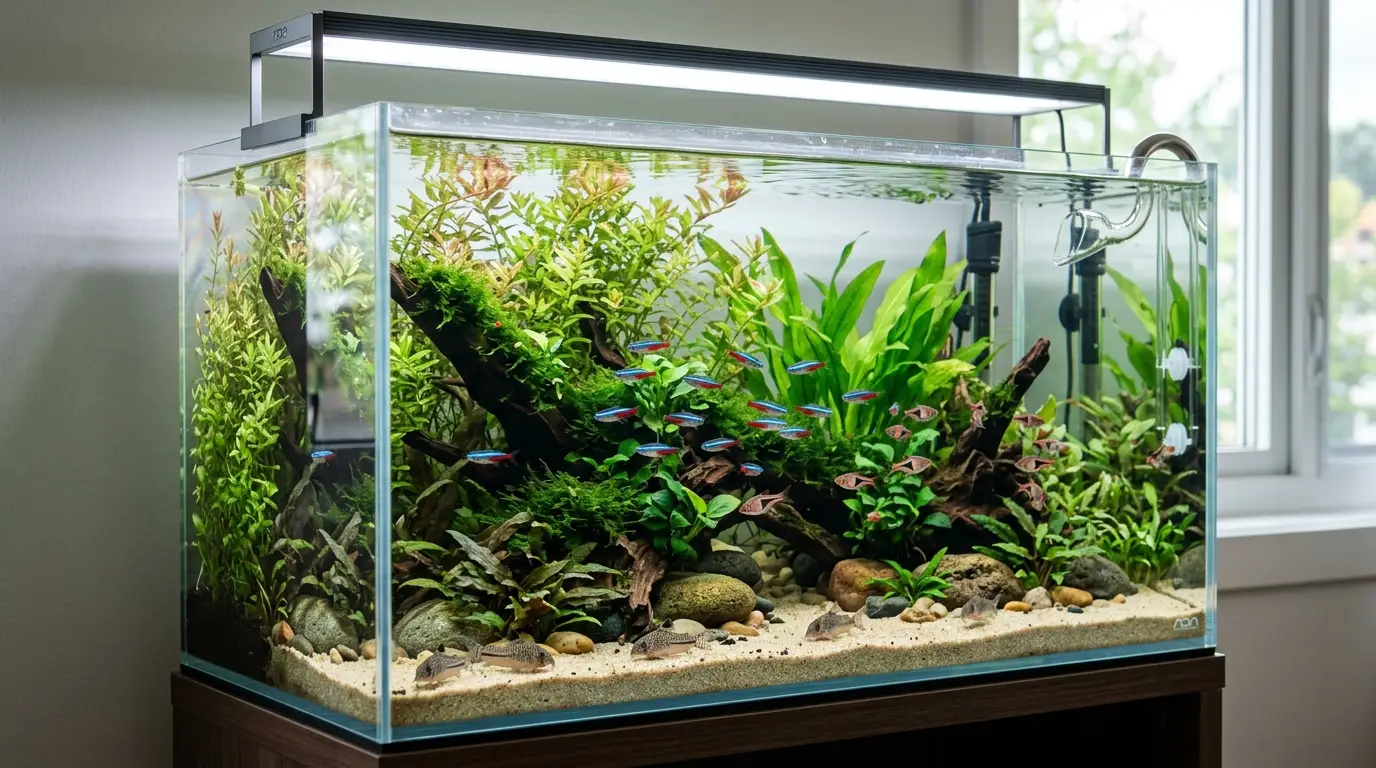
Stable habits keep fish eating well. Think rhythm and routine.
- Keep a steady light schedule. Use a timer for 8–10 hours of light.
- Do small weekly water changes. Aim for 20–30%.
- Quarantine new fish for at least 2–4 weeks.
- Do not overstock. Research adult sizes and space needs.
- Feed variety and quality. Rotate brands and types to cover nutrients.
This reduces the chance you will ask why is my fish not eating in the future. Healthy systems feed healthy appetites.
When to Seek Professional Help
Get help when problems persist. Speed matters with disease and severe stress.
- Appetite loss for more than 3–5 days despite good water.
- Clear disease signs or fast breathing.
- Rapid weight loss or pineconing scales.
- Multiple fish off food at the same time.
Bring test results, photos, and a timeline. Saying why is my fish not eating with this info lets a vet or expert act fast.
Frequently Asked Questions of Why Is My Fish Not Eating? Common Causes and What to Check
How long can a healthy fish go without eating?
Most adult fish can go 2–3 days without food, some even a week. Young or thin fish need food more often, so watch body shape.
Should I feed more if my fish ignores food?
No. Remove uneaten food and reduce feeding. Extra food rots, harms water, and makes the problem worse.
Can changing food brands fix appetite loss?
Sometimes, yes. High-quality or frozen foods often restart feeding, but always fix water and stress first.
Do fish stop eating after a water change?
They can if parameters shift fast. Match temperature, dechlorinate, and do smaller, regular changes to reduce stress.
Are peas safe for constipation?
For goldfish and some omnivores, a small piece of blanched, de-skinned pea can help. Do not use peas for strict carnivores.
Why does my new fish not eat on day one?
Moves are stressful. Dim lights, provide cover, and try a tiny, smelly food after 24 hours.
Can strong current reduce feeding?
Yes. Some fish avoid food in high flow. Baffle the filter or create calm zones.
Conclusion
Most appetite issues come down to water, stress, or food mismatch. Work through the simple checks first, then adjust feeding, and treat illness only when you see clear signs. With a calm plan and small steps, your fish will likely resume eating soon.
Put today’s checklist into action and keep notes. If you found this guide helpful, subscribe for more home-aquarium tips, and share your why is my fish not eating story in the comments so we can help.