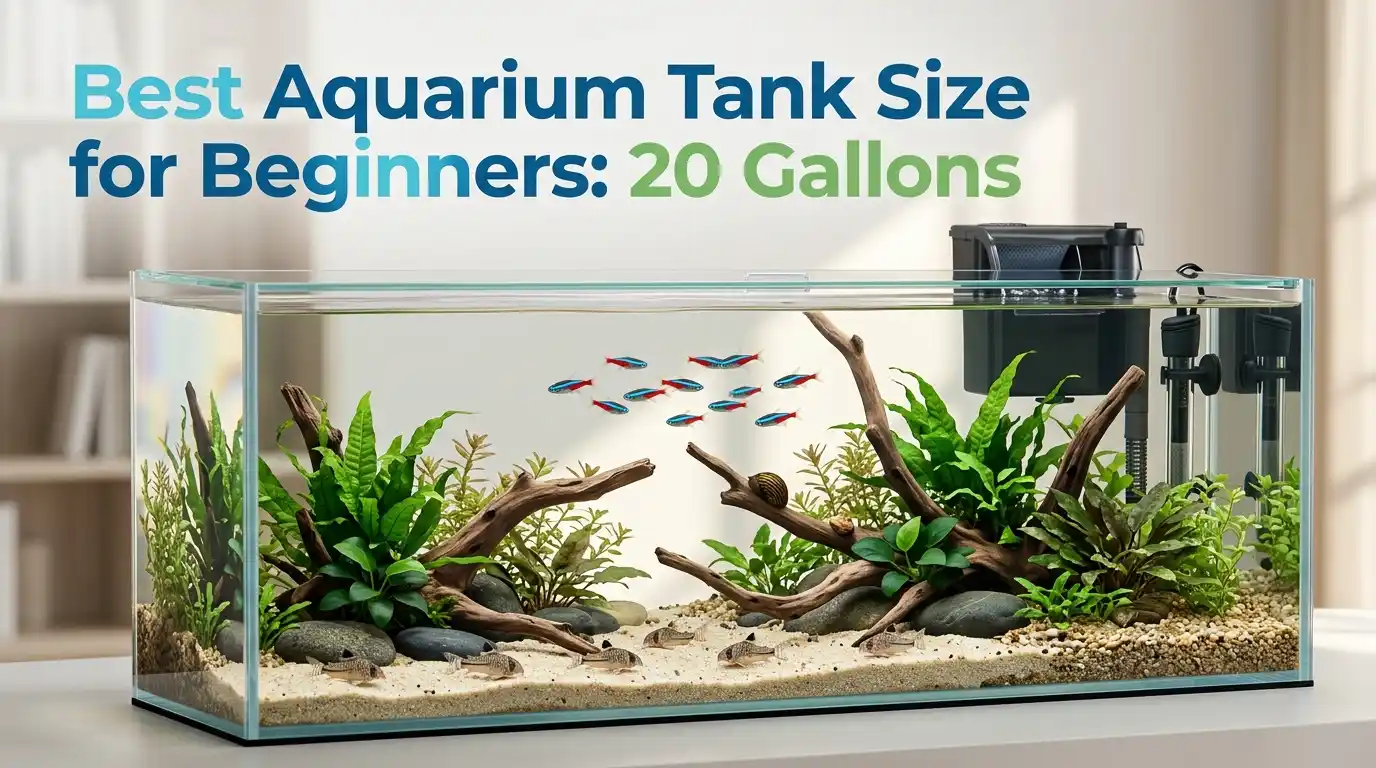
Start with a 20-gallon long tank; it’s stable, forgiving, and affordable.
If you want a smooth first aquarium, tank size matters more than anything. I’ve helped many new keepers set up their first tank, and the best aquarium tank size for beginners is the one that stays stable and easy to manage. This guide breaks down why size matters, what to buy, what to stock, and how to avoid the classic mistakes that lead to stress and fish loss.
What size tank should a beginner start with?
The best aquarium tank size for beginners is a 20-gallon long. It has enough water volume to buffer mistakes. It fits in most rooms. It keeps costs low and maintenance simple.
A 10-gallon can work, but it swings fast. Ammonia spikes are harsher. Temps change faster. A 29-gallon is also great if you have space and budget.
Think of water as your safety net. More water means fewer swings in pH, ammonia, and temperature. The best aquarium tank size for beginners is big enough to be stable, yet small enough to handle. That sweet spot is the 20-gallon long.
How tank size affects stability, costs, and success
Water chemistry stability
Small tanks swing like a seesaw. A tiny extra pinch of food can shift ammonia. A warm day can raise temp fast. Larger tanks dilute these shifts, so your fish feel fewer shocks.
Space for fish behavior
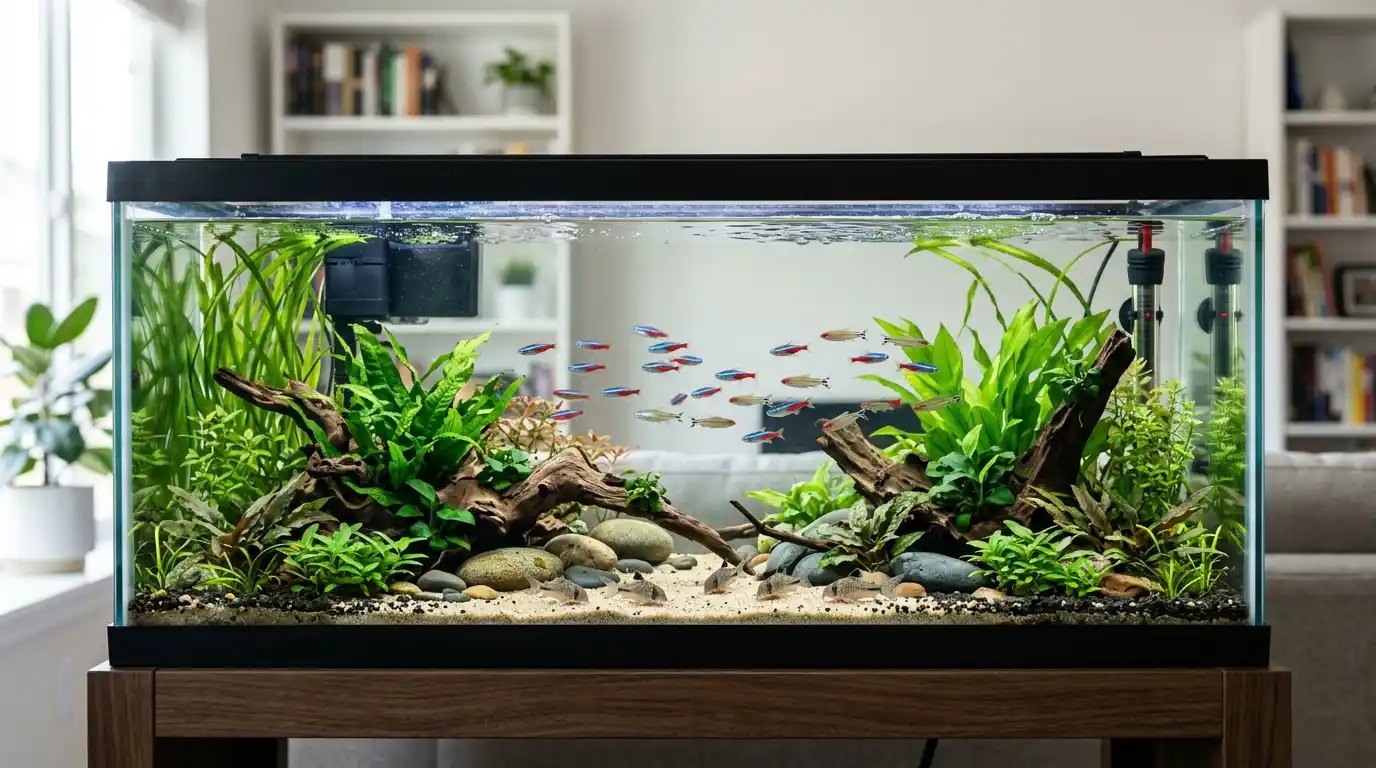
Fish need room to swim, hide, and claim space. A longer tank gives more horizontal room. This lowers stress and aggression. It also opens your options for community fish.
Cost and maintenance time
The best aquarium tank size for beginners should not blow your budget. The 20-gallon long uses mid-size gear that is common and cheap. It takes a bit more water to change, but it saves you time in crisis control.
Popular beginner sizes compared
10-gallon
Good for a single betta or a shrimp colony. It is compact and cheap. The downside is fast swings. Many beginners overstock it and run into algae and stress.
Best simple stock idea:
- One betta with snails or shrimp
- A small school of nano fish with lots of plants
15–20-gallon (standard or long)
This is where the best aquarium tank size for beginners shines. The 20-long offers extra swim room and stable water. Gear is affordable and easy to find.
Best simple stock ideas:
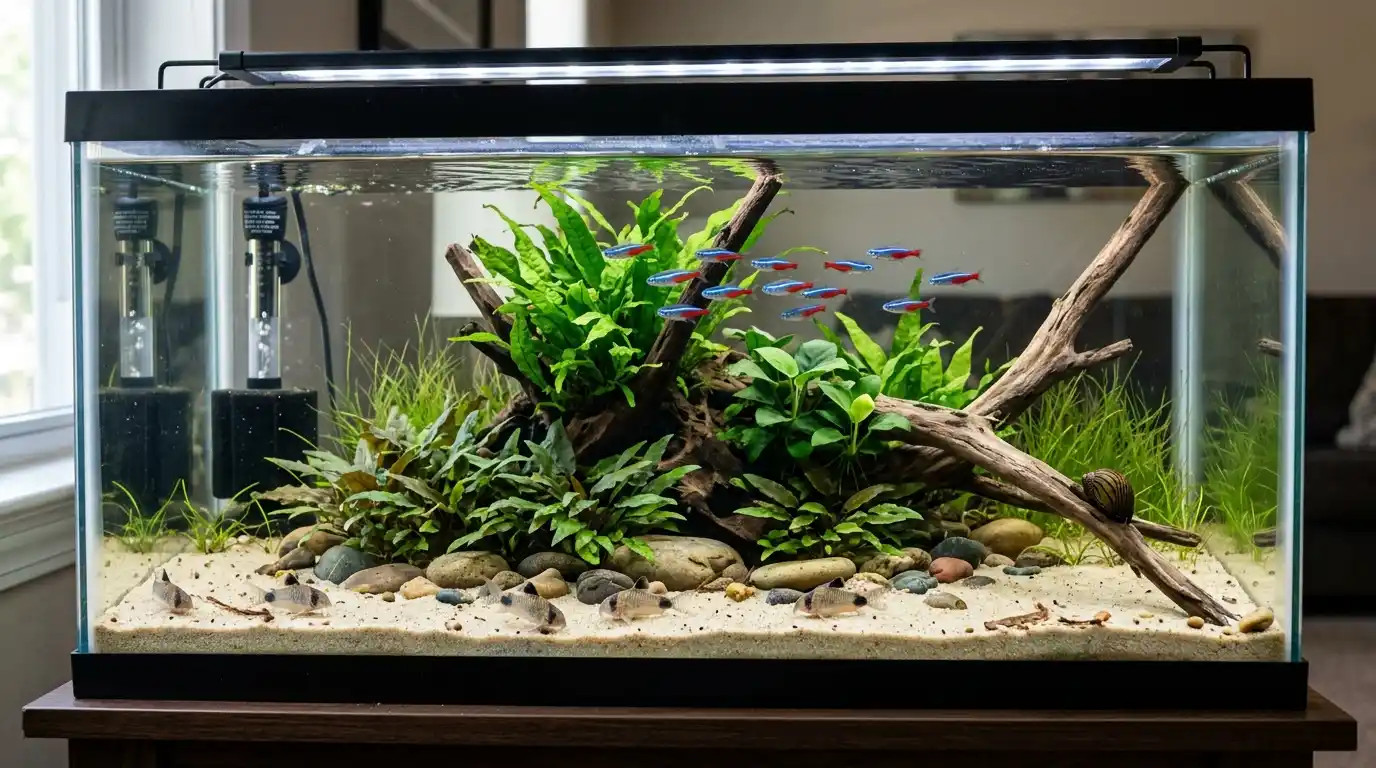
- A peaceful community: 8–10 small tetras, 6–8 corydoras, 1 mystery snail
- Livebearer trio: 6–8 platies, plus 6 pygmy corydoras
29–30-gallon
Room to grow and more stable. Great for a larger school and a centerpiece fish. Costs a bit more. Still beginner-friendly.
Best simple stock ideas:
- 12–15 tetras, 8 corydoras, 1 bristlenose pleco
- Dwarf gourami, 10 rasboras, 8 kuhli loaches
40-breeder
Bigger footprint, very stable. If you have space and budget, it is a dream to work with. It is heavy, so plan your stand and floor.
Best simple stock ideas:
- 15–20 small schooling fish, 10 corydoras, 1–2 centerpiece fish
- Planted community with shrimp and snails
Stocking ideas that work
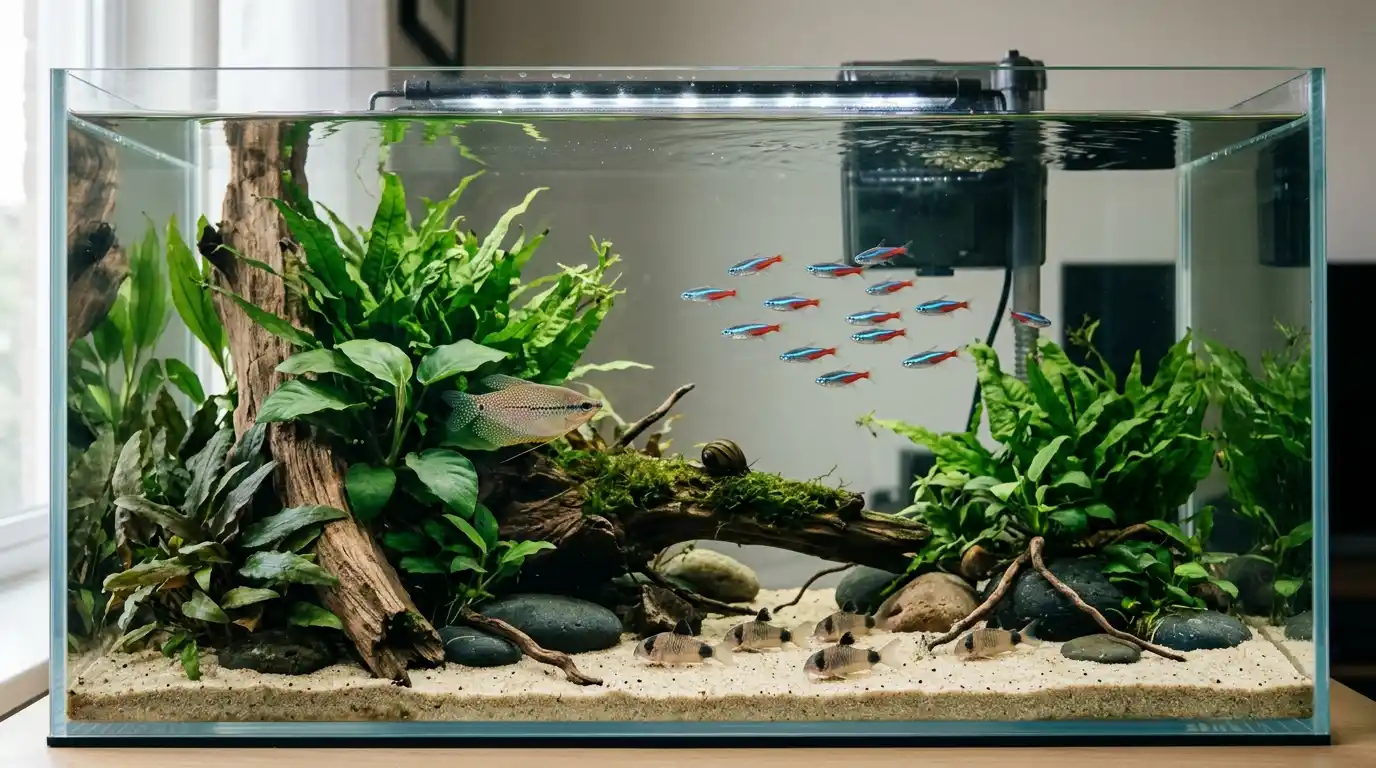
Good stocking makes or breaks the best aquarium tank size for beginners. Aim for light to medium stock. Let your filter and plants help.
Freshwater community ideas:
- 20-gallon long
- 10 neon tetras, 6 panda corydoras, 1 nerite snail
- 8 harlequin rasboras, 1 honey gourami, 6 cherry shrimp
- 29-gallon
- 12 ember tetras, 8 corydoras, 1 bristlenose pleco, 1 honey gourami
- 10 platies (mixed sex will breed), 6 kuhli loaches, lots of plants
Notes from experience:
- The old “one inch per gallon” rule is too rough. Think adult size and bio-load. A 3-inch messy fish is not equal to three 1-inch nanos.
- Choose fish for your water. Hard water favors livebearers. Soft water favors tetras and rasboras.
- Add fish slowly. Test weekly. Your filter needs time to grow bacteria.
Real-world costs by size
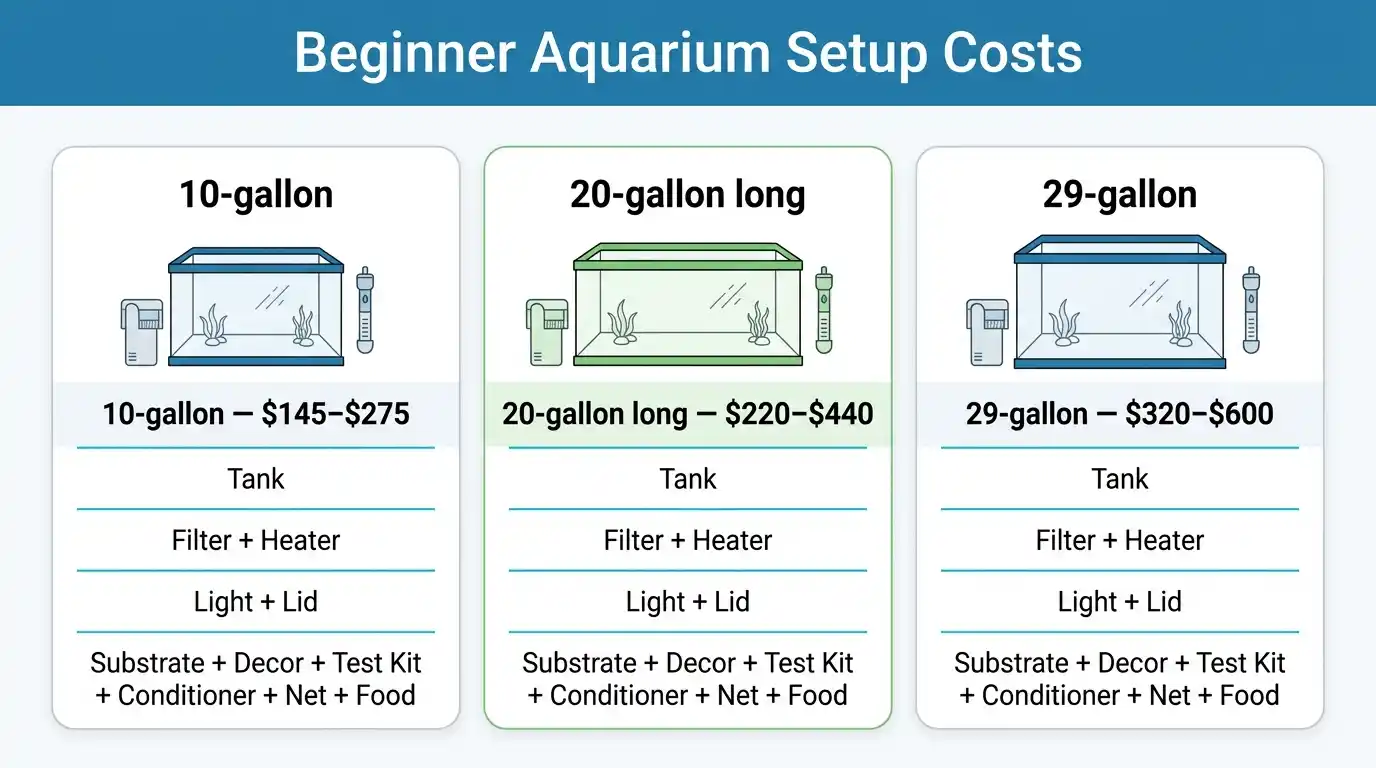
Prices vary by brand and region. Here are ballpark ranges that match what I see in stores and clubs. This helps you plan the best aquarium tank size for beginners without surprises.
- 10-gallon setup
- Tank: 15–25 USD
- Filter and heater: 40–70 USD
- Light and lid: 30–60 USD
- Substrate, décor, test kit, water conditioner, net, and food: 60–120 USD
- Typical total: 145–275 USD
- 20-gallon long setup
- Tank: 30–60 USD
- Filter and heater: 60–110 USD
- Light and lid: 50–120 USD
- Substrate, décor, test kit, water conditioner, net, and food: 80–150 USD
- Typical total: 220–440 USD
- 29-gallon setup
- Tank: 60–120 USD
- Filter and heater: 80–140 USD
- Light and lid: 80–160 USD
- Substrate, décor, test kit, water conditioner, net, and food: 100–180 USD
- Typical total: 320–600 USD
Tip: Combo kits can save money, but check that the filter and heater match the tank size. Many kits undersize gear.
Setup checklist and first-month plan
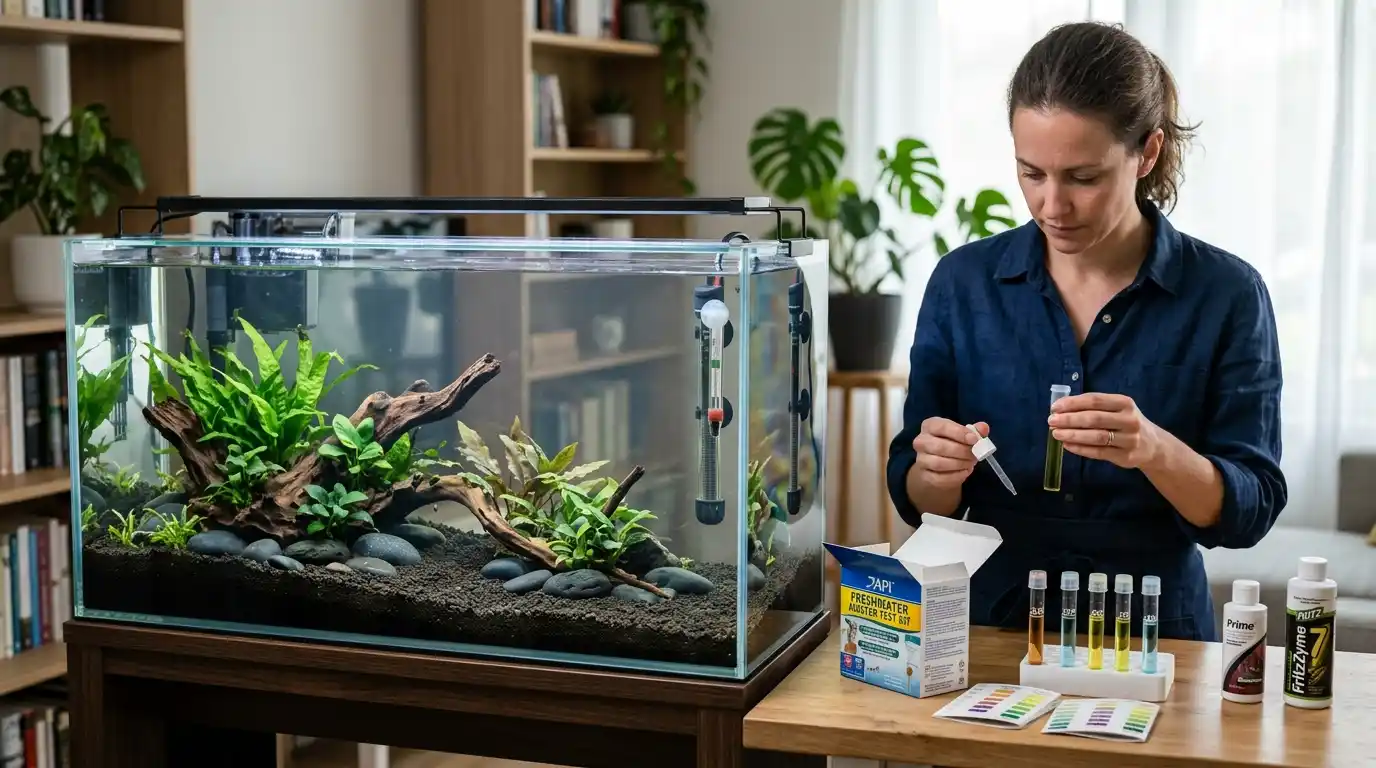
Step-by-step checklist:
- Pick location away from sun and vents. Use a level stand.
- Rinse tank, do a 24-hour leak test if you can.
- Add substrate, hardscape, and plants. Slope substrate to the back for depth.
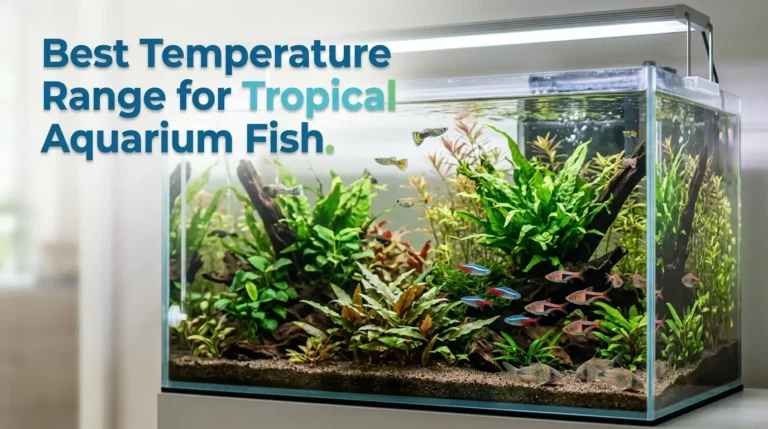
- Install filter and heater. Set 76–78°F for most community fish.
- Fill with dechlorinated water. Aim for gentle flow to avoid clouding.
- Start the nitrogen cycle. Dose bottled bacteria and a light ammonia source.
- Test ammonia, nitrite, nitrate every few days. Keep a log.
- Run lights 6–8 hours to limit algae at first.
First-month plan:
- Week 1: Cycle the tank. No fish yet. Feed the bacteria.
- Week 2: Keep cycling. Do a 25–30% water change if ammonia or nitrite spike.
- Week 3: When you read zero ammonia and nitrite, add your first small group.
- Week 4: Add the next group. Keep testing. Do weekly 30% changes.
This slow ramp is why the 20-gallon long is the best aquarium tank size for beginners. It forgives normal learning bumps.
Common mistakes beginners make with tank size
- Going too small. Tiny tanks swing fast and block stocking options.
- Overfeeding. Extra food rots and spikes ammonia. Feed what fish eat in 30–60 seconds.
- Overcrowding. Too many fish stress the biofilter and each other.
- Skipping a lid. Fish jump. Evaporation also messes with salinity in brackish tanks.
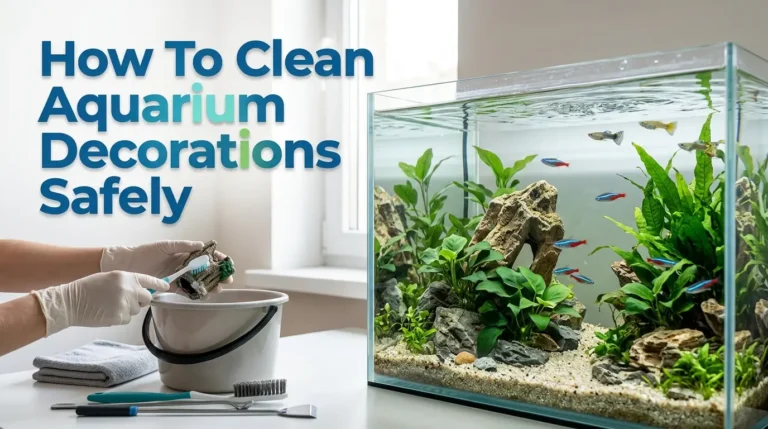
- Cleaning with soap. Use only dechlorinated water and aquarium-safe tools.
- Ignoring the cycle. Test water. Be patient. Add fish in stages.
- Buying fish before planning. Build your stock list to match your water and tank.
I learned this the hard way. My first 10-gallon had algae blooms from overfeeding. When I moved to a 20-gallon long and fed less, the tank settled down fast. That is why I push the best aquarium tank size for beginners so often.
Maintenance made simple
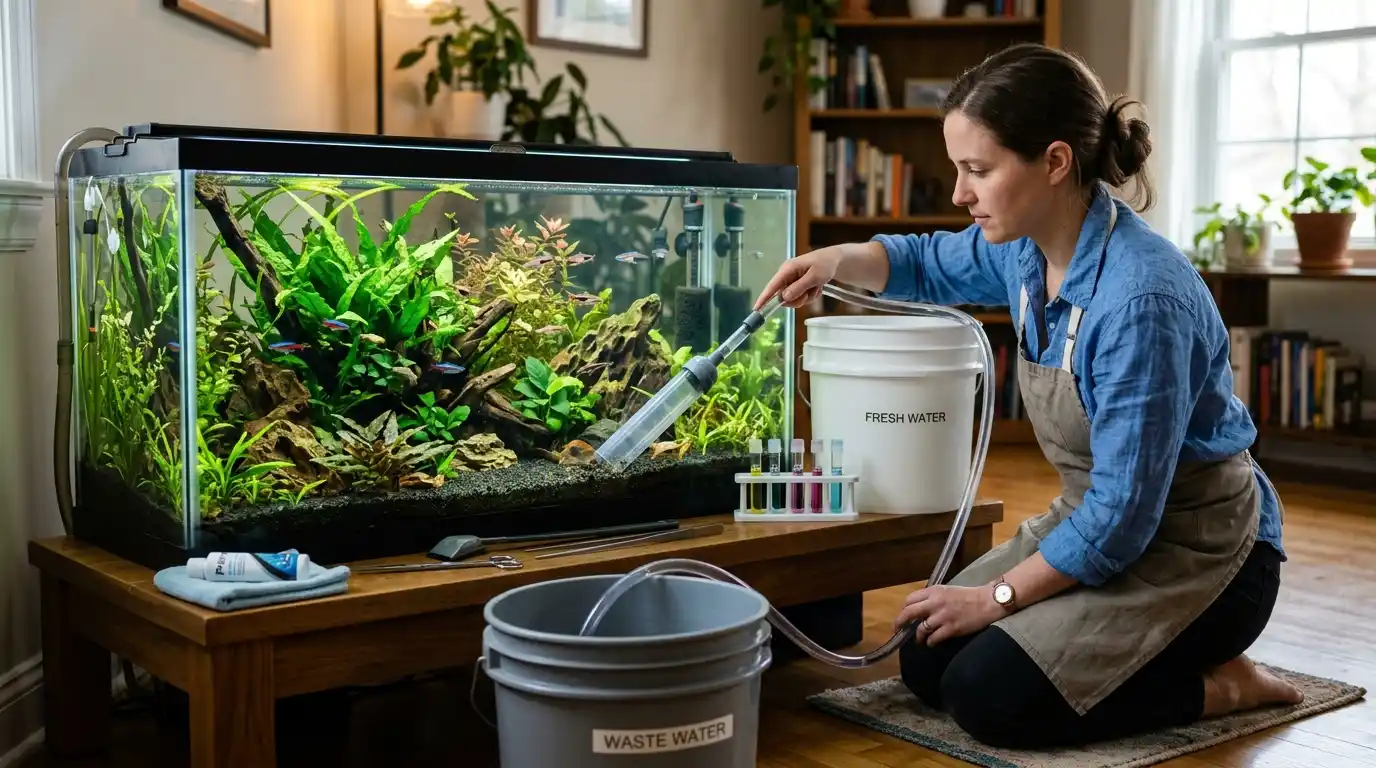
Weekly routine:
- Test water for ammonia, nitrite, nitrate, and pH.
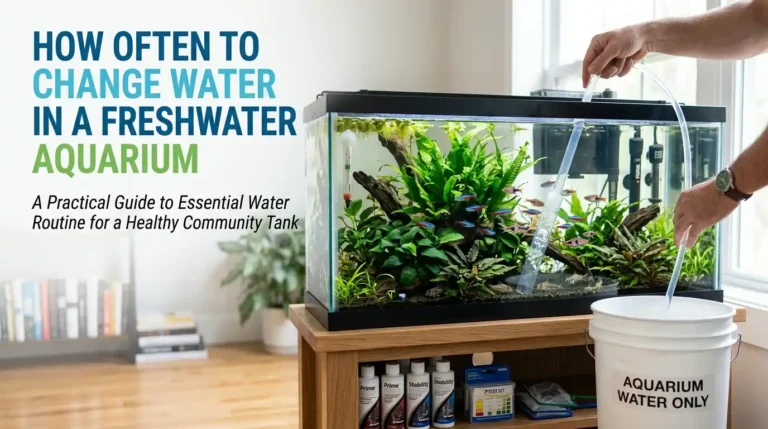
- Change 25–35% of the water. Match temp and dechlorinate.
- Vacuum light debris. Wipe glass. Rinse filter media in old tank water.
Monthly routine:
- Deep-check equipment. Confirm heater temp with a thermometer.
- Trim plants. Clean impellers. Replace carbon or polish pads if used.
- Review stocking and feeding. Adjust if nitrate runs high.
A steady routine is your best friend. It keeps the best aquarium tank size for beginners on track with little stress.
Frequently Asked Questions of best aquarium tank size for beginners
Is a 10-gallon tank good for beginners?
It can work, but it is less forgiving. A 20-gallon long is better for stable water and easier care.
How many fish can I keep in a 20-gallon long?
Start light. Aim for one small school and one bottom group. Watch your nitrates and add slowly.
Do bigger tanks need fewer water changes?
Not fewer, but they handle waste better. You still do weekly changes, yet you see fewer emergencies.
What shape is best: tall or long?
Long tanks give more swim room and surface area. For beginners, a long footprint is easier to stock and filter.
Can I keep goldfish in a beginner tank?
Fancy goldfish need much more space and heavy filtration. They are not ideal for a first 20-gallon setup.
Do I need a lid for a beginner tank?
Yes. It reduces jumps and evaporation and helps keep temperature stable.
What heater size should I buy?
A simple rule is 3–5 watts per gallon. For most 20-gallon setups, a 75–100W heater works well.
Conclusion
Pick a size that sets you up to win. For most homes, the 20-gallon long is the best aquarium tank size for beginners because it balances space, stability, cost, and choice. Plan your stock, cycle well, and follow a simple weekly routine.
You can do this. Map your setup today, get your gear ready, and enjoy a calm, clear tank. Want more tips and stocking ideas? Subscribe, explore our other guides, or drop a comment with your tank plan.