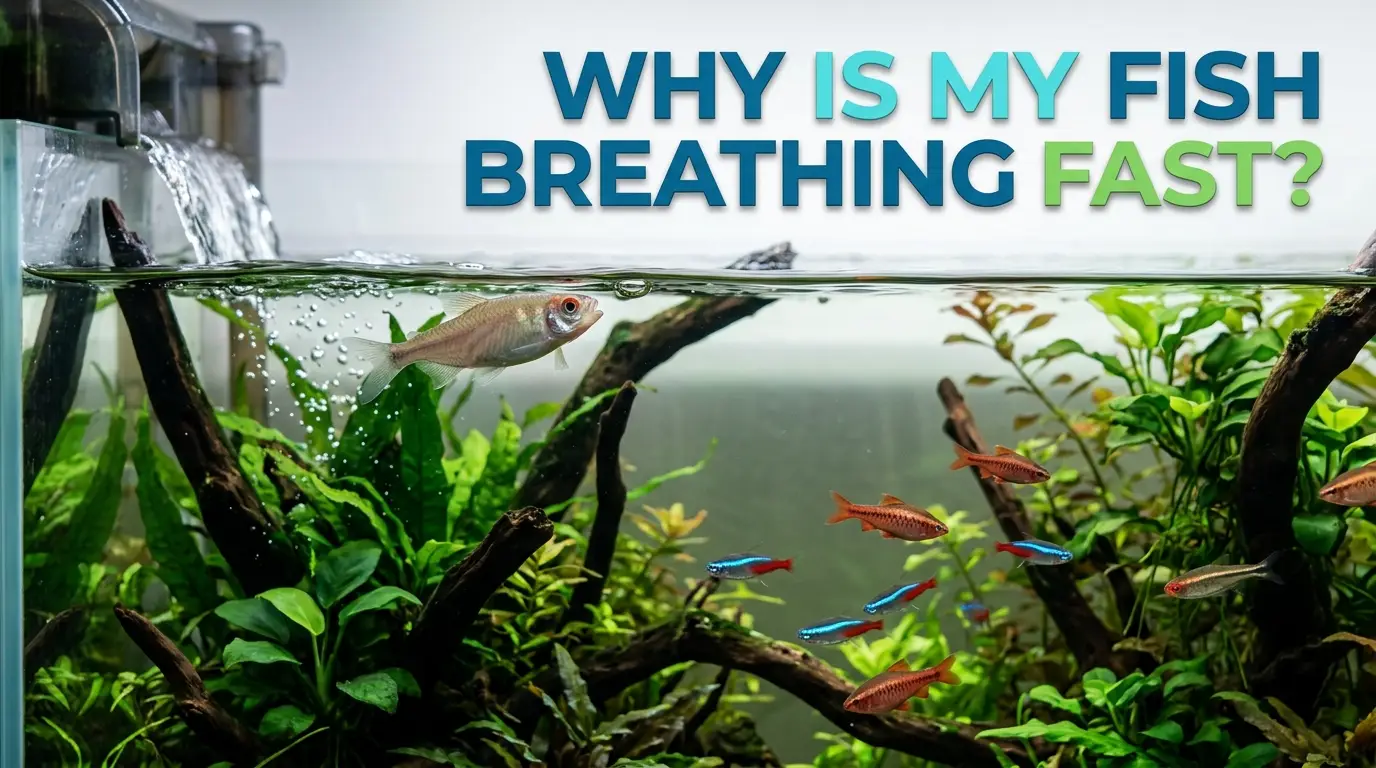
Fish breathe fast due to low oxygen, poor water quality, heat, or illness.
If you’ve ever stared at quick gill beats or a fish gulping at the surface and thought, why is my fish breathing fast, you’re in the right place. I’ve helped hobbyists troubleshoot hundreds of tanks, and fast breathing is one of the most common red flags. This guide breaks down Why Is My Fish Breathing Fast? Common Aquarium Causes, how to diagnose them step by step, and what to do today to keep your fish safe.
What “fast breathing” looks like and why it matters
Rapid breathing shows up as quick gill movement, heavy chest motion, or hanging at the surface near the filter outflow. Some fish also rest on the bottom, flare gills, or stop eating. In many cases, this is a sign of stress or low oxygen.
Your fish’s gills are like tiny, wet lungs. They pull oxygen from water and release carbon dioxide. When that exchange fails, the fish works harder to breathe. If you are asking why is my fish breathing fast, act fast. Minutes can matter in a severe oxygen dip.
Common aquarium causes of rapid breathing
Many triggers can stack. Fixing one often helps the rest. Here are the most common aquarium causes I see in new and seasoned tanks.
Low dissolved oxygen (DO)

Warm water holds less oxygen. Stagnant surfaces limit gas exchange. Overstocking and heavy feeding also burn oxygen fast. Add in nighttime plant respiration, and oxygen can dip just when fish need it.
What to do:
- Increase surface agitation with an airstone or raise filter output.
- Lower temperature slowly by 1–2°F if safe for your species.
- Pause CO2 injection and reduce lights if you run a planted tank.
Ammonia or nitrite spikes
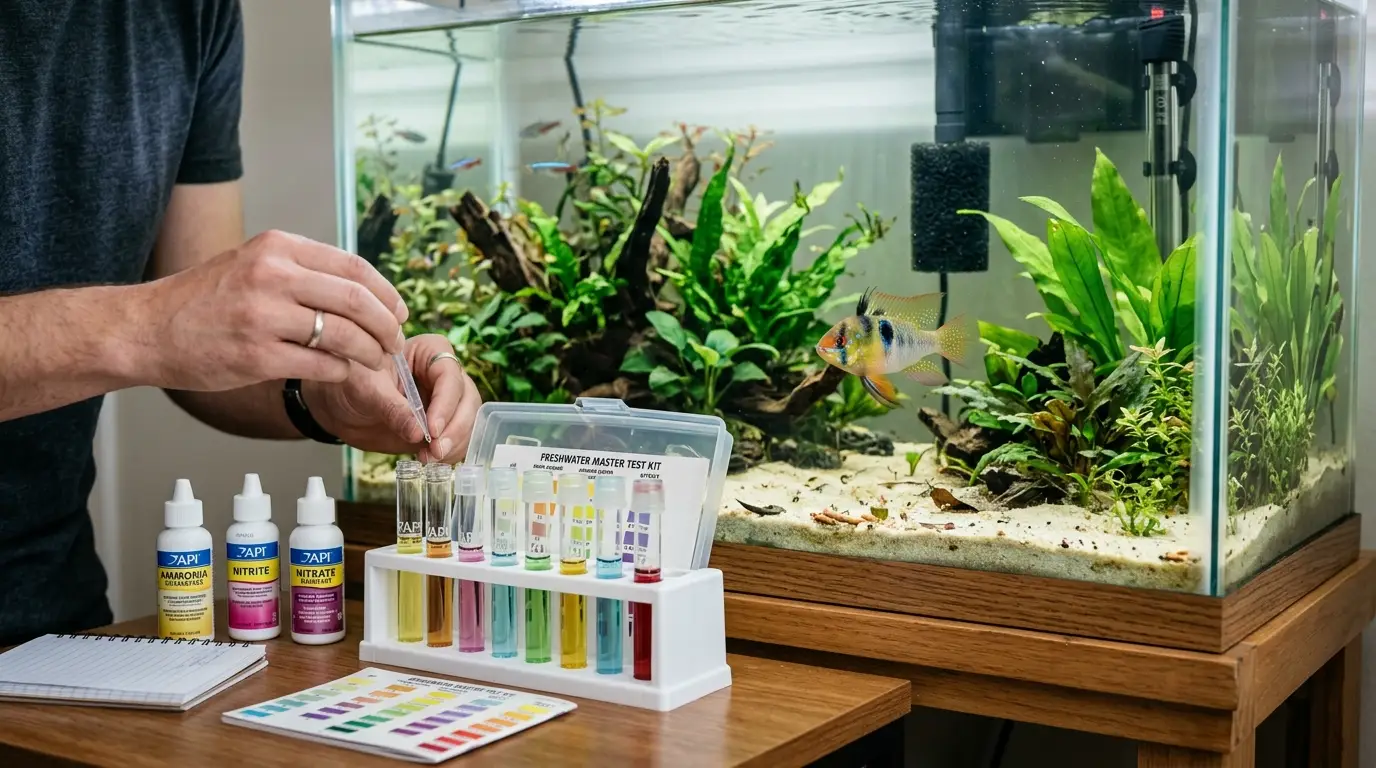
Ammonia and nitrite damage gills, making breathing hard. Even “invisible” levels stress fish. New tanks, filter crashes, or deep cleanings often trigger spikes.
What to do:
- Test immediately. Ammonia and nitrite should be 0 ppm.
- Do 25–50% water changes and add a proven water conditioner.
- Add bottled bacteria to support the biofilter.
High temperature
Heat speeds up fish metabolism and strips oxygen from water. A sudden heat wave or a stuck heater can cause a tank-wide panting effect.
What to do:
- Use a reliable digital thermometer with an alarm.
- Aim for species-safe ranges (many tropicals 75–78°F; always research your fish).
- Improve airflow around the tank and consider a fan across the surface.
Excess CO2 and night oxygen dips

In planted tanks, CO2 can climb too high during the day. At night, plants switch to using oxygen, which can cause fish to gasp.
What to do:
- Use a drop checker and keep CO2 at safe levels.
- Set CO2 to turn off 1 hour before lights out.
- Run an airstone at night for extra oxygen.
Disease and parasites (gill issues)

Gill flukes, ich, and velvet attack the gills first. Look for scratching, clamped fins, pale or inflamed gills, and tiny white or gold dust-like spots.
What to do:
- Quarantine infected fish. Confirm signs before medicating.
- For flukes, many hobbyists use praziquantel; follow label directions.
- For ich or velvet, raise temperature gradually if species allow and use appropriate meds.
Chemical contamination
Chlorine, cleaning sprays, paint fumes, new plastics, or aerosols can strip oxygen or burn gills.
What to do:
- Use a conditioner that detoxifies chlorine and chloramine.
- Keep sprays away from the tank room. Cover the tank during home projects.
- Rinse new equipment and decor before use.
Stress, shipping, and crowding
Netting, transport, aggressive tankmates, and a busy tank all push breathing up. Stress reduces immunity and makes other problems worse.
What to do:
- Provide hides and plants. Reduce bright light.
- Keep stocking reasonable and separate bullies.
- Feed small portions and keep hands out of the tank.
If you keep wondering why is my fish breathing fast, these common aquarium causes are where to start.
How to diagnose the problem step by step
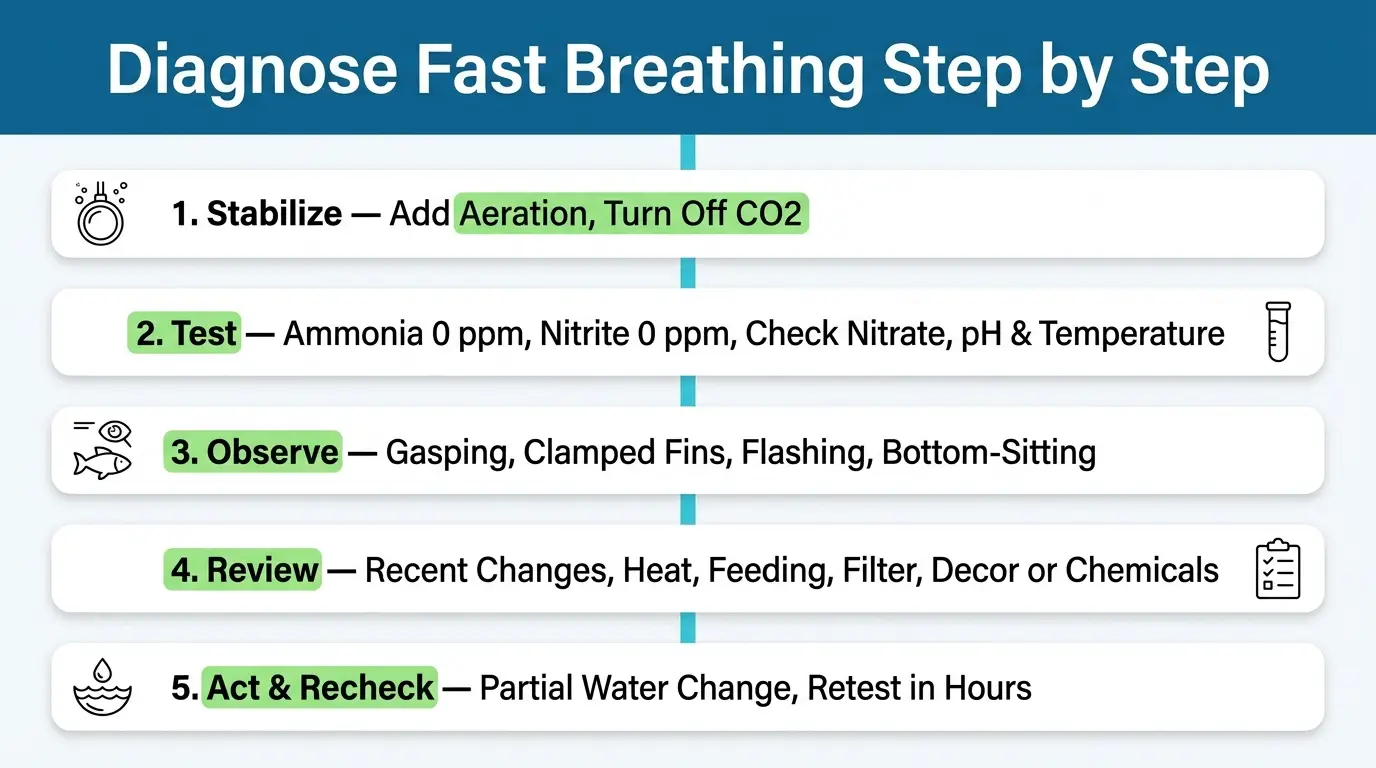
You do not need fancy tools to act fast. Use this simple plan.
Step 1: Stabilize
- Add an airstone or increase surface ripple now.
- Turn off CO2 if used. Dim lights.
Step 2: Test essentials
- Ammonia: 0 ppm
- Nitrite: 0 ppm
- Nitrate: ideally under 20–40 ppm
- pH: stable within your species range
- Temperature: verify with a reliable thermometer
Step 3: Observe behavior and body
- Surface gasping, clamped fins, flashing, bottom-sitting, or color loss.
- Check gills for redness, mucus, or spots on the body.
Step 4: Review recent changes
- New fish, overfeeding, deep gravel clean, filter swap, heat spike, new decor, or household chemicals.
Step 5: Act and recheck
- Perform a partial water change with dechlorinated water.
- Retest in a few hours and the next day.
This is the exact routine I follow when clients ask, why is my fish breathing fast, and it catches most issues early.
Immediate fixes you can do today
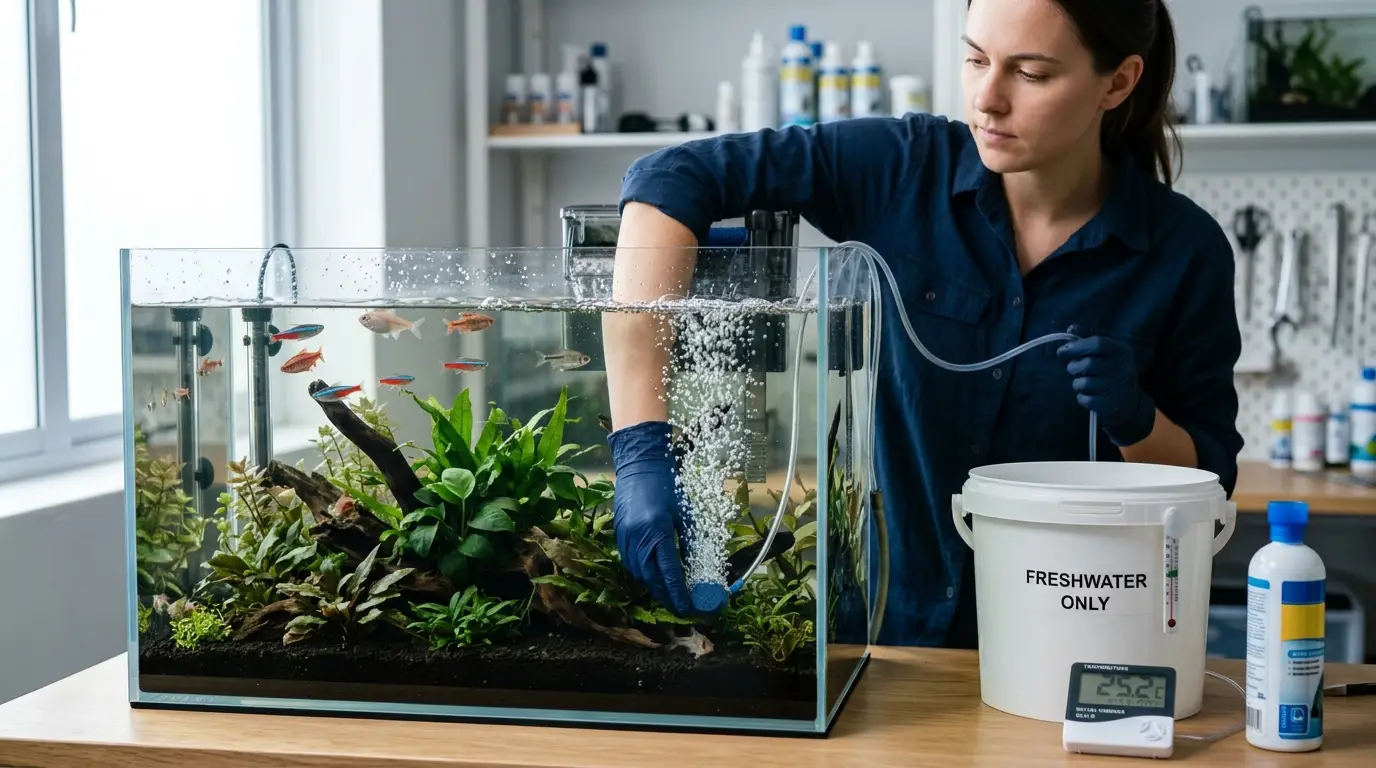
If your fish are huffing, do this right now.
- Boost oxygen. Add an airstone or lower the water line so the filter breaks the surface.
- Change water. 25–50% with temperature-matched, dechlorinated water.
- Reduce heat. Drop 1–2°F carefully if your species allows.
- Pause risks. Stop CO2, heavy feeding, or any dosing until tests look safe.
- Add bacteria. Use a trusted bacterial starter after filter cleanings or spikes.
These simple moves often answer why is my fish breathing fast within hours, especially during a heat wave or mini-cycle.
Long-term prevention and best practices
Consistency wins in fishkeeping. Build a routine that makes oxygen, filtration, and cleanliness a habit.
- Right-size filtration with good surface ripple.
- Weekly 25–40% water changes, depending on stocking and feeding.
- Clean filters in tank water, not under the tap.
- Avoid overfeeding. Aim for what fish eat in under 2 minutes.
- Keep a logbook of tests, temperature, and changes.
- Quarantine new fish for 2–4 weeks.
If you never want to ask why is my fish breathing fast again, this is your safety net.
Species, tank size, and stocking insights
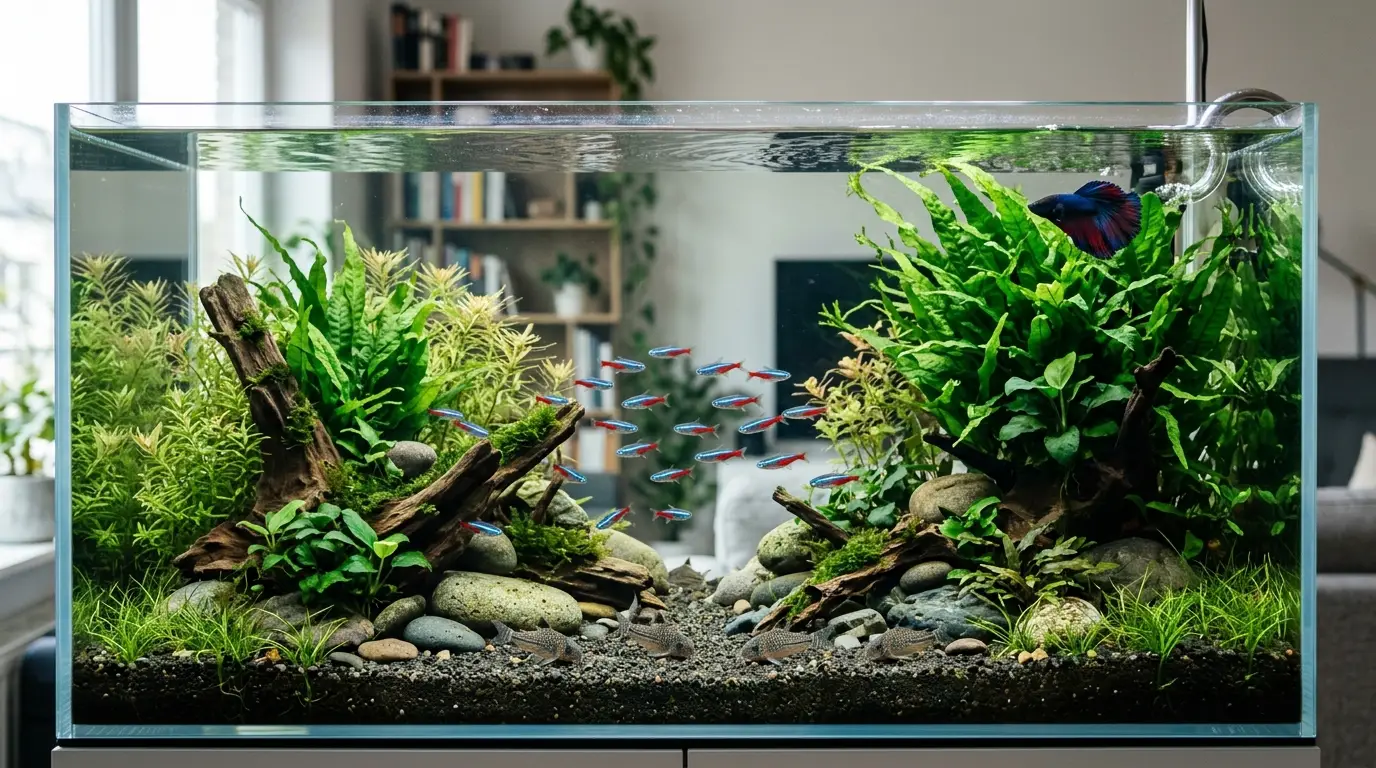
Different fish have different oxygen needs. Fast swimmers, larger cichlids, goldfish, and hillstream loaches need more flow and oxygen. Labyrinth fish like bettas can breathe some air, but they still need clean, stable water.
- Tank size matters. Small tanks swing fast, so issues hit harder.
- Stock light. Fewer fish means more oxygen and less waste.
- Pick gear for your fish. River fish like more current; bettas prefer gentle flow.
Ask yourself why is my fish breathing fast when you change stocking. It often links back to space and oxygen demand.
When fast breathing signals disease
If water checks out but breathing stays fast, look closer for illness. Gill flukes can cause one-sided gill pumping. Ich looks like salt grains; velvet looks like gold dust. Bacterial gill disease may cause cloudy mucus on the gills.
What to do next:
- Move the fish to a hospital tank with extra air.
- Confirm the disease signs before treatment.
- Dose per label, keep oxygen high, and complete the full course.
I’ve seen cases where clean water and air alone helped fish recover while meds did the targeted work. When friends ask why is my fish breathing fast after “perfect” tests, parasites are often the missing piece.
Frequently Asked Questions of Why Is My Fish Breathing Fast? Common Aquarium Causes
Why is my fish breathing fast at the surface?
Surface gasping often means low oxygen. Improve surface agitation, add an airstone, and check temperature and water quality.
Why is my fish breathing fast after a water change?
Temperature shock, pH swings, or chlorine can trigger stress. Match temperature, dechlorinate well, and make smaller changes if your water is very different.
Why is my fish breathing fast but water tests look fine?
Hidden issues like gill parasites, chemical fumes, or low oxygen can still be present. Increase aeration and inspect for disease signs before treating.
Why is my fish breathing fast in a planted tank?
CO2 or nighttime oxygen dips are common. Reduce CO2, add surface ripple, and run an airstone at night.
Why is my fish breathing fast and not eating?
Stress, high ammonia, or disease can suppress appetite. Stabilize oxygen, test water, and isolate if you see spots, redness, or clamped fins.
Can high temperature make my fish breathe fast?
Yes. Warm water holds less oxygen and speeds metabolism. Lower the heat slowly to a safe range and add aeration.
How long does it take fish to recover from fast breathing?
If oxygen and water quality are fixed, you may see improvement within hours. Disease cases can take days to weeks with proper treatment.
Conclusion
Fast breathing is your fish’s SOS. Tackle oxygen first, test water, and review recent changes. Then target the root cause, whether it’s heat, cycling, parasites, or stress. When you build steady habits, you’ll stop asking why is my fish breathing fast and start enjoying calm, healthy fish.
Try one action today: add surface agitation and run a quick water test. Want more help? Subscribe for care guides, drop your tank size and stock list in the comments, and I’ll help you map next steps.