Feed aquarium fish small portions 1–2 times daily, plus one light fast weekly.
Getting the best feeding schedule for aquarium fish daily is a simple habit with big payoffs. I’ve kept community, planted, and reef tanks for 15 years. I’ll show you how to set a routine that fits your species, improves water quality, and keeps stress low. Follow along, and you will master the best feeding schedule for aquarium fish daily in a clear, friendly way.
Why a feeding schedule matters for fish health and water quality
A steady routine supports digestion and reduces stress. Fish learn the pattern and eat with calm focus. This protects the biofilter and keeps ammonia, nitrite, and nitrate in check.
Overfeeding is the top cause of cloudy water, algae, and sick fish. Extra food rots fast and uses oxygen. A smart plan gives enough energy without waste. This is the heart of the best feeding schedule for aquarium fish daily.
The core daily routine: times, portions, and a weekly fast
For most community tanks, feed small meals once or twice a day. Aim for morning and early evening, when lights are on. Keep each meal small. Include one light fast day per week to let guts clear and water stay clean.
Use these simple rules:
- Give only what fish eat in 30–90 seconds for small fish.
- For larger cichlids or goldfish, 2–3 minutes is fine.
- If food reaches the bottom uneaten, you gave too much.
- Skip feeding 24 hours once a week, but still run lights and filters.
I tested this across many tanks. Fish color stayed rich, bellies looked even, and water tests stayed safe. This is a reliable base for the best feeding schedule for aquarium fish daily.
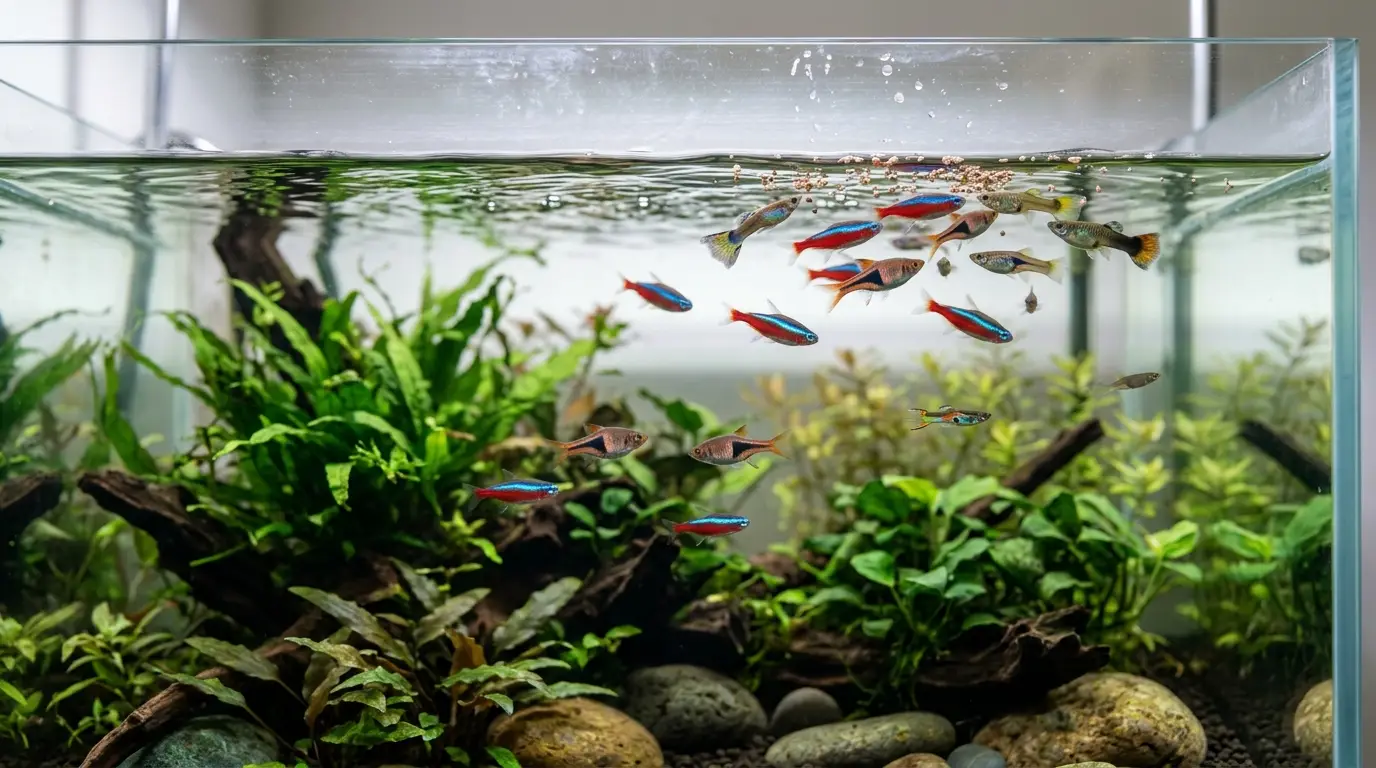
Species-specific tweaks for better results
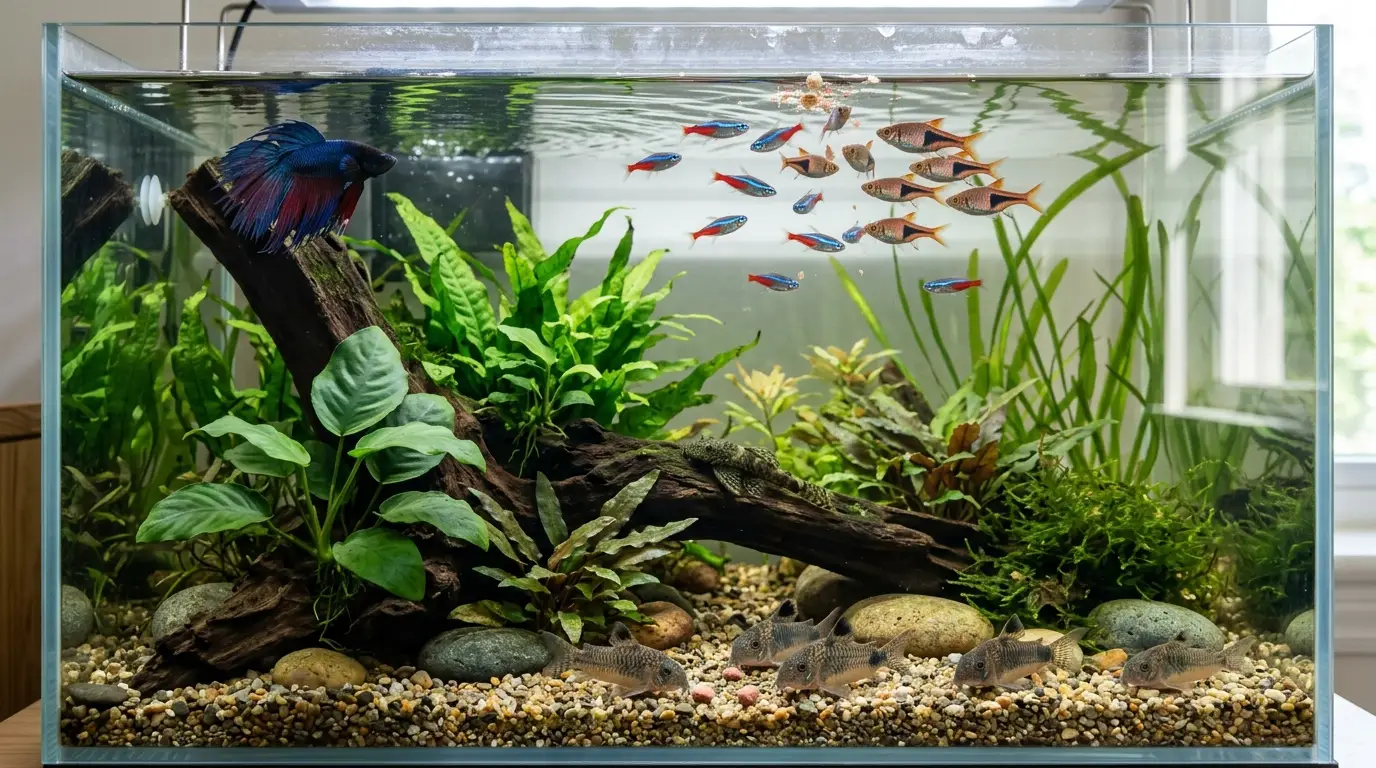
Different fish have different needs. Adjust the plan to match their diet and behavior.
- Bettas: Feed 1–2 times daily. Use small pellets or thawed frozen foods. Avoid big meals to reduce bloat.
- Community tetras, rasboras, guppies: Feed 2 small meals daily. Use flakes, small pellets, and occasional frozen treats.
- Goldfish: Feed 2–3 small meals. Use sinking pellets and gels. Add a fast day to reduce swim bladder stress.
- Cichlids: Juveniles need 2–3 small meals. Adults do well with 1–2. Balance protein with some greens for omnivores.
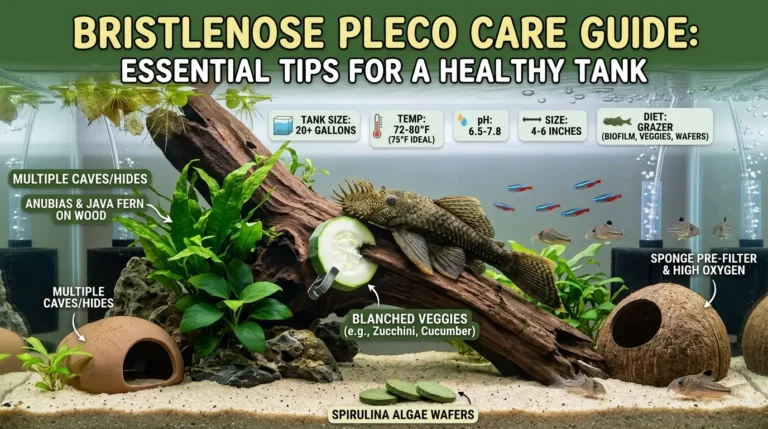
- Bottom feeders: Use sinking wafers after lights dim. Target feed catfish, loaches, and plecos.
- Nocturnal fish: Offer a small night meal when room is quiet.
- Marine fish: Start with 2–3 small meals, then adjust. Many reef fish nibble often. Keep nutrients low for coral health.
No matter the group, keep meals small and steady. That is the backbone of the best feeding schedule for aquarium fish daily.
Food types and how they shape the schedule
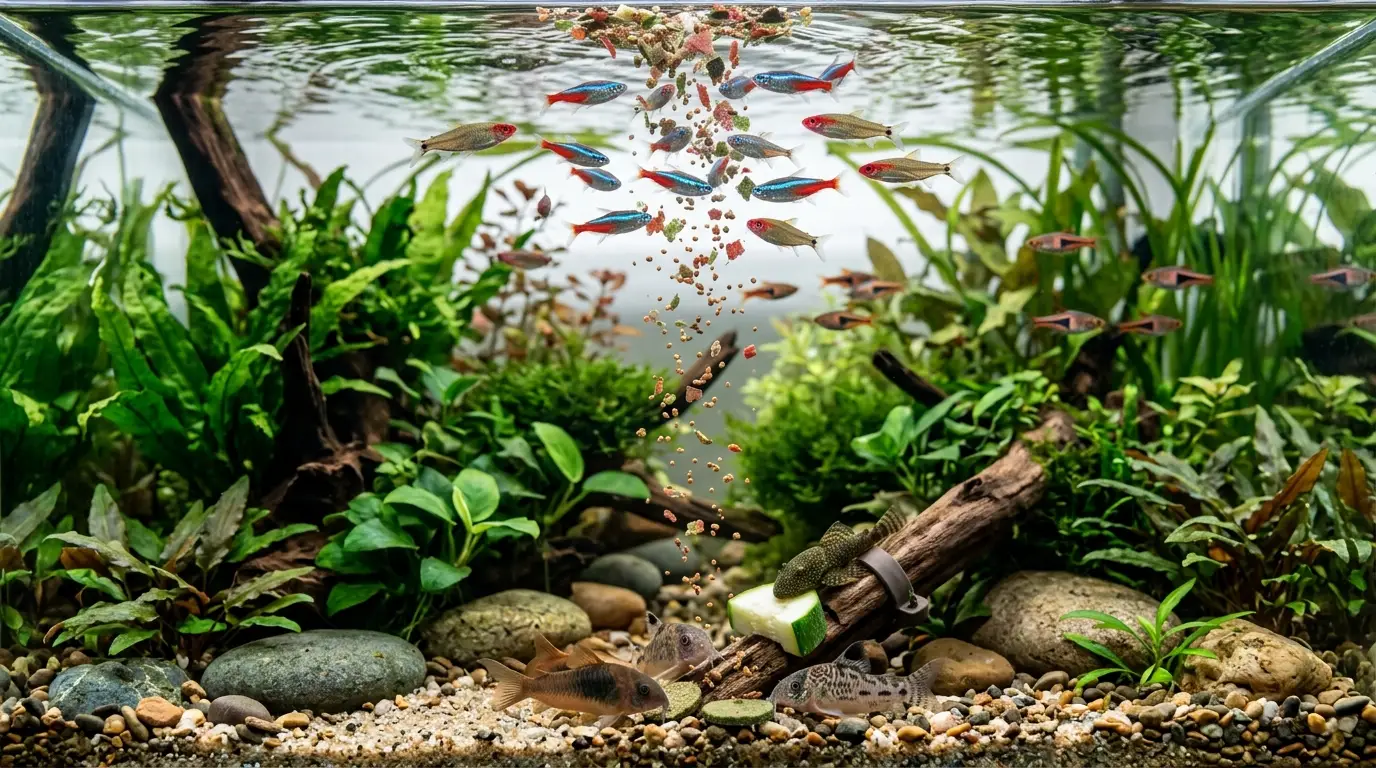
Food form changes how fish eat and how clean the tank stays. Use the right tool for the job.
- Flakes: Great for top and mid swimmers. Crush for small fish.
- Micro and nano pellets: Even portions and less mess. Ideal for small mouths.
- Sinking wafers: Best for plecos and catfish. Drop near their hide.
- Frozen foods: Thaw and strain. Good for picky eaters and growth.
- Live foods: Use as treats for hunting behavior. Rinse to reduce risk.
- Gel foods: Clean and stable for goldfish and cichlids. Easy to portion.
- Greens: Offer blanched spinach, zucchini, or nori for herbivores.
Rotate foods to cover all nutrients. Match buoyancy to where your fish feed. This smooth mix supports the best feeding schedule for aquarium fish daily.
Measuring portions: simple methods that work
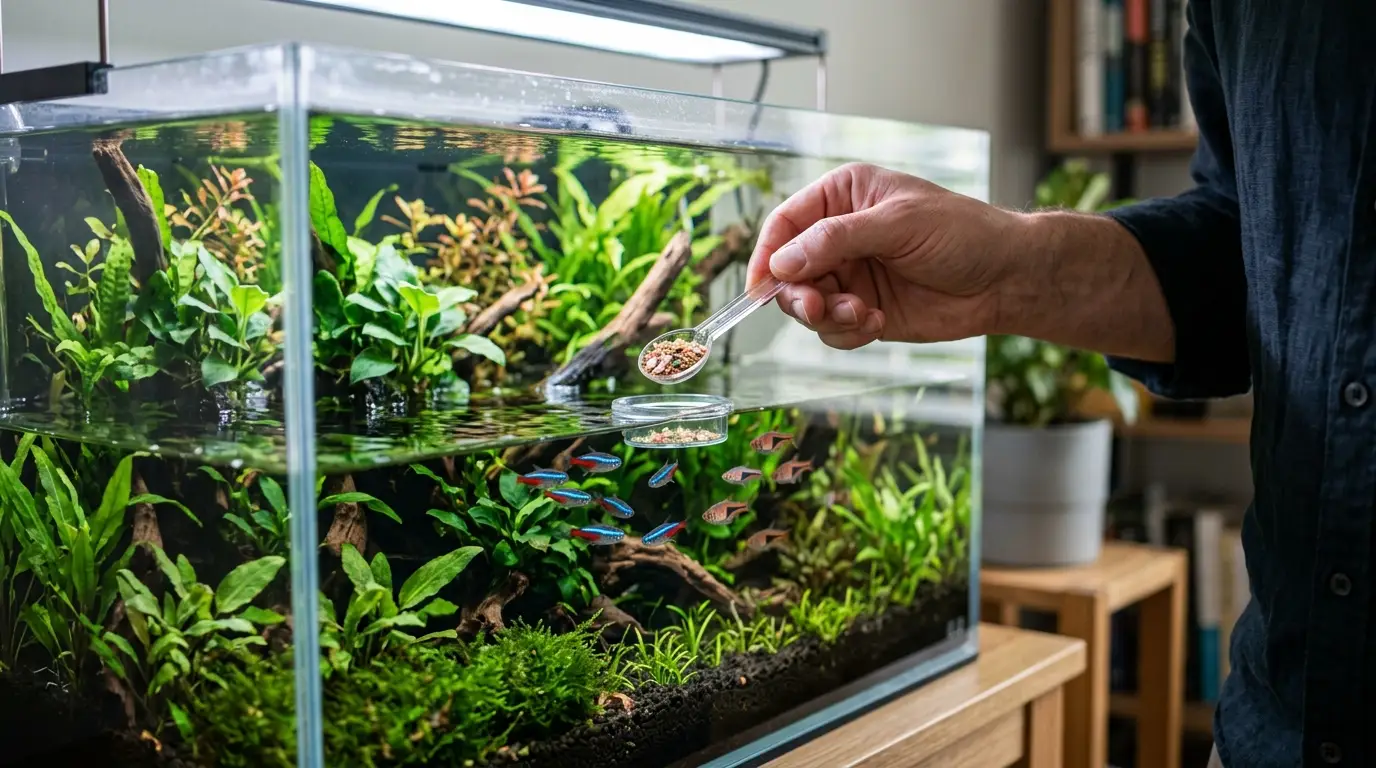
You do not need a lab scale. Use quick, repeatable cues.
- Pellet count: 2–4 tiny pellets per small fish per meal. Adjust as you watch.
- Pinch rule: One small pinch per 5–10 gallons for nano fish.
- Teaspoon cue: For bulk foods, start with a level 1/8 teaspoon on a 20-gallon tank.
- Target feed: Use a turkey baster for bottom dwellers. Stop when they lose interest.
Example 20-gallon community:
- Morning: One small pinch of flakes, crushed fine.
- Evening: 8–12 micro pellets total, spread across the school.
- Once a week: No food for 24 hours.
These easy cues hold the line on waste. They keep you close to the best feeding schedule for aquarium fish daily.
Tools that make consistency easy
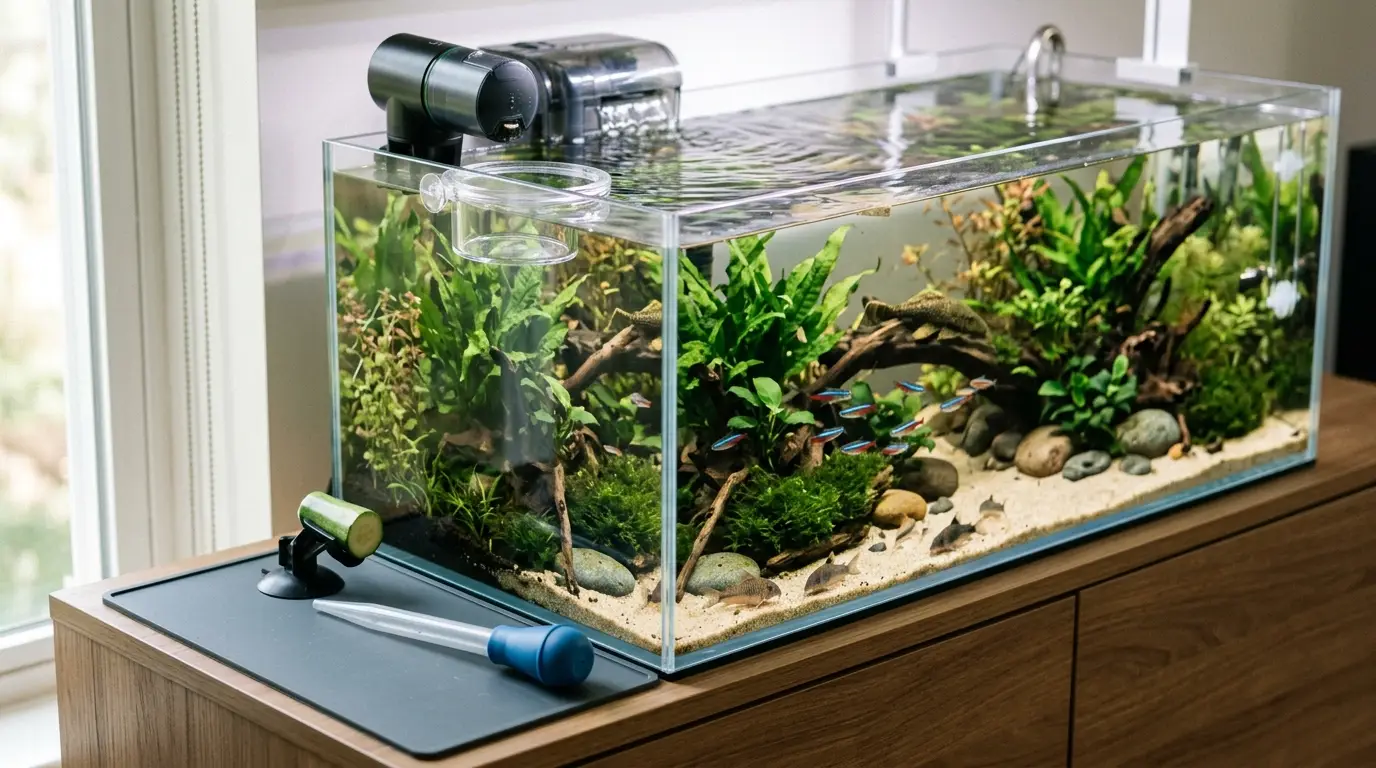
Consistency beats guesswork. A few tools help a lot.
- Automatic feeder: Ideal for workdays or trips. Test settings for a week before travel.
- Feeding ring: Keeps food in one spot. Reduces surface film and filter clogs.
- Veggie clip: Holds greens for plecos, mollies, and tangs.
- Turkey baster or pipette: Delivers food right to shy fish.
- Timer and alarms: Set phone reminders to lock in your plan.
I learned this the hard way. After a busy week, I found food dust in the filter and spiking nitrates. A ring and feeder fixed it. This is how I stick to the best feeding schedule for aquarium fish daily.
Sample daily schedules for common tank types
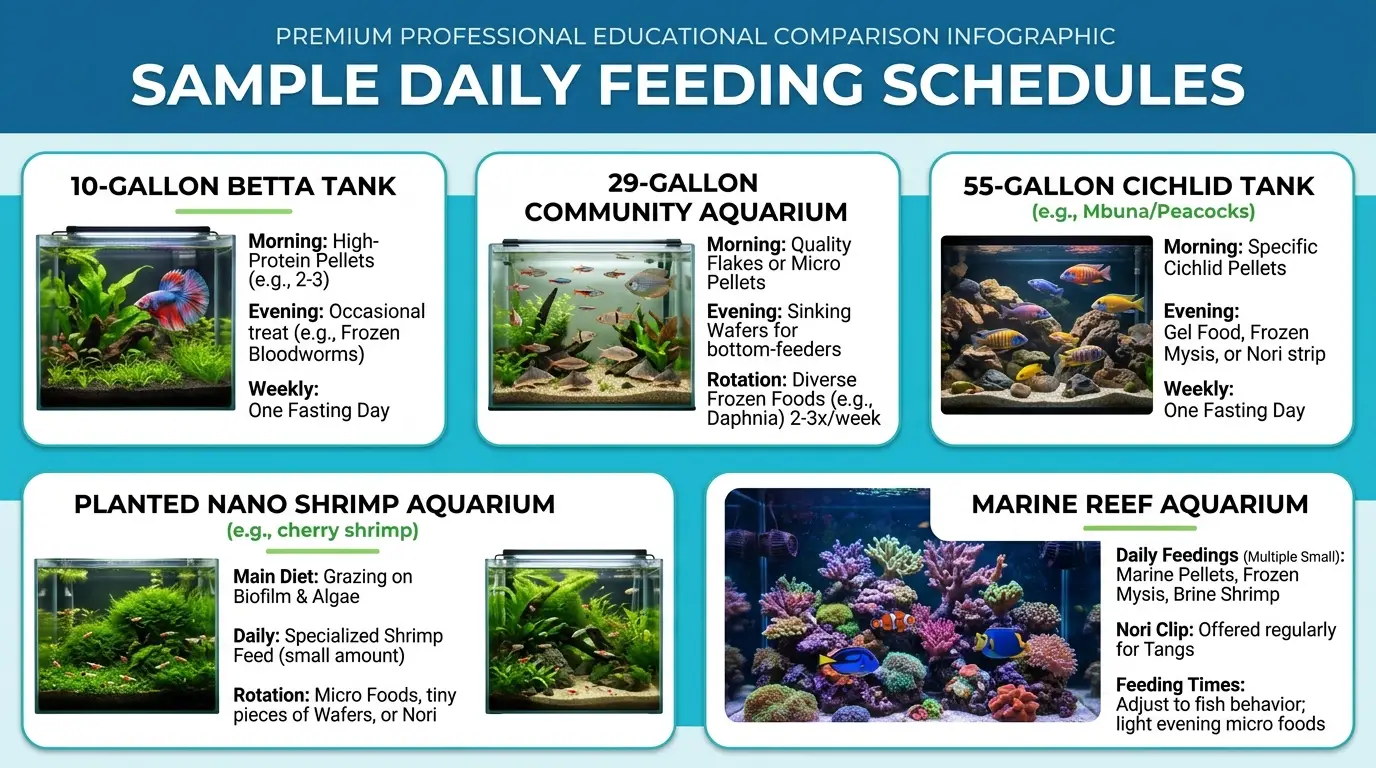
Use these as starting points. Watch your fish and tweak as needed.
10-gallon betta tank
- 8:00 a.m.: 2–3 micro pellets.
- 6:00 p.m.: 1–2 pellets or a few brine shrimp.
- Friday: Skip feeding.
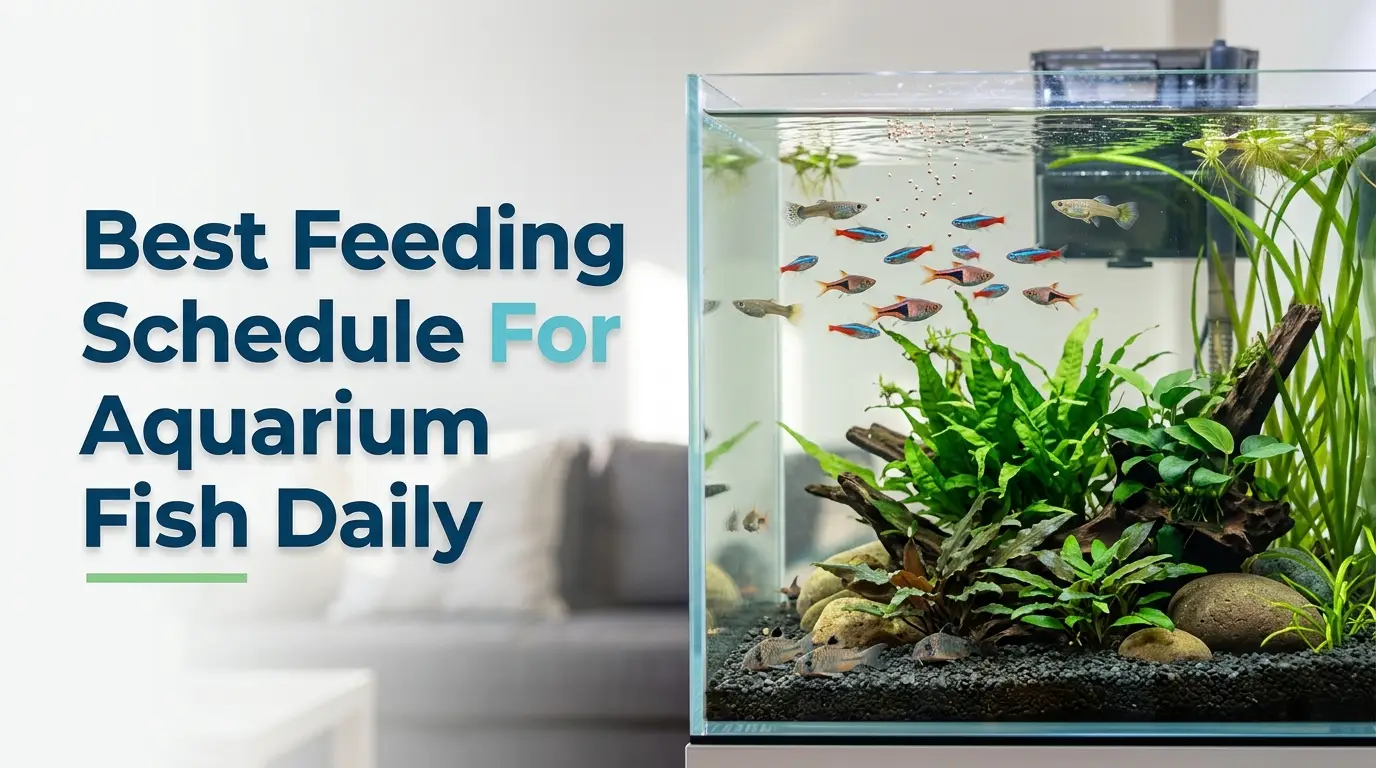
29-gallon community (tetras, corydoras, shrimp)
- 9:00 a.m.: Small pinch of flakes.
- 7:00 p.m.: 10–15 micro pellets across the school.
- 9:00 p.m.: Half a wafer for corys.
- Sunday: Skip feeding.
55-gallon cichlid tank
- 8:00 a.m.: Sinking cichlid pellets for 2 minutes.
- 6:00 p.m.: Mixed veggie pellets for 1 minute.
- Midweek: Gel food cube.
- Saturday: Skip feeding.
Planted nano with shrimp
- 10:00 a.m.: Dust food for fry and shrimp.
- 8:00 p.m.: Tiny pellet count per fish.
- One day weekly: No food to prevent planaria.
Marine reef with clownfish and tang
- 9:00 a.m.: Small pellet feed.
- 1:00 p.m.: Thawed mysis, rinsed well.
- 6:00 p.m.: Nori on a clip for 1–2 hours.
- One day weekly: Light or complete fast.
Each plan is a path to the best feeding schedule for aquarium fish daily. Keep notes and adjust.
Signs you are feeding right or wrong
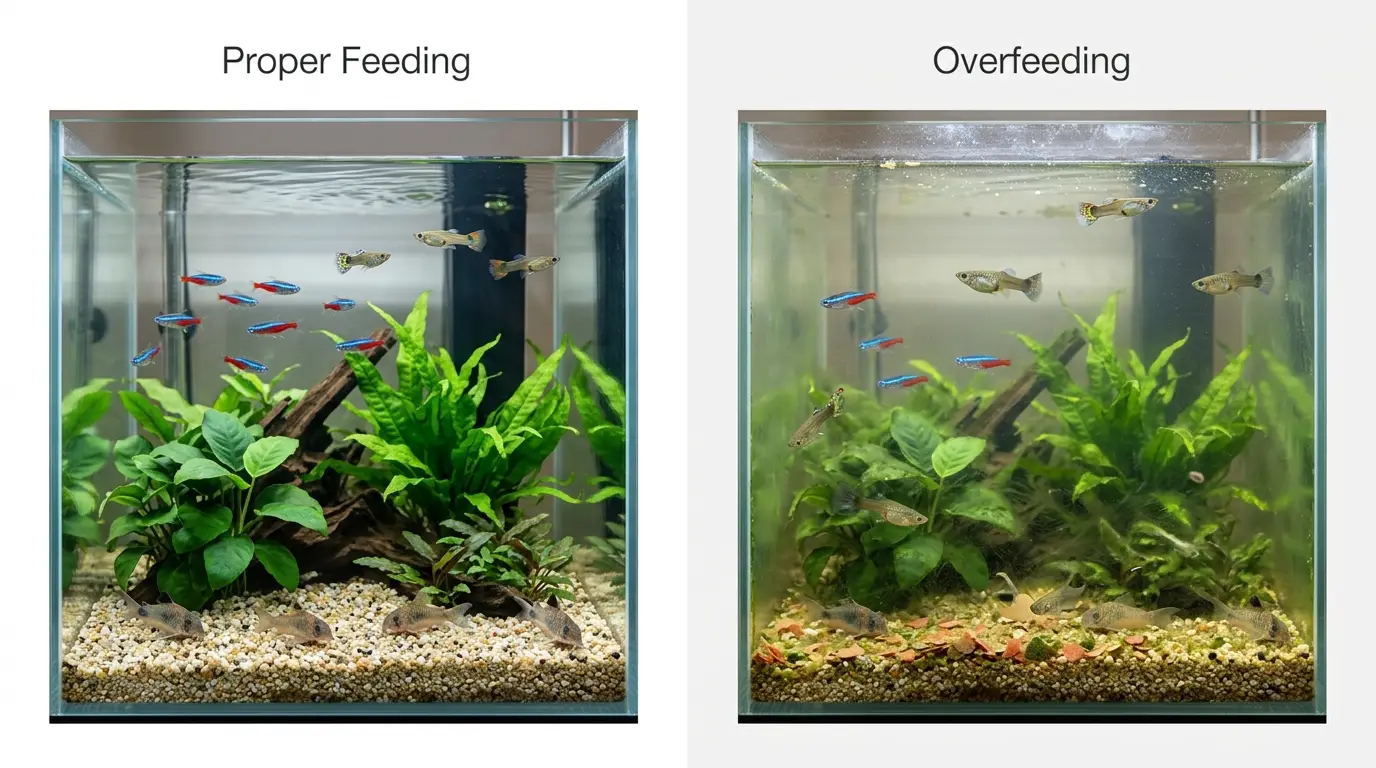
Healthy signs:
- Flat, even belly. Strong color and smooth fins.
- Food is gone in under 2 minutes with no panic.
- Water stays clear. Tests show low nitrate and zero ammonia and nitrite.
Warning signs:
- Bloated belly or stringy poop.
- Food lies on the bottom after meals.
- Cloudy water, oily film, or snail booms.
Testing is your truth check. If nitrates climb fast above 40 ppm, cut portions or add a fast day. This is how you maintain the best feeding schedule for aquarium fish daily.
Common mistakes to avoid
- Feeding by habit, not by observation. Watch how fast fish eat.
- One food forever. Rotate for better health.
- Feeding with lights off. Many fish miss the meal.
- Not thawing frozen food. Always thaw and strain.
- Ignoring shy or bottom fish. Target feed them.
- Skipping the fast day. It helps digestion and water clarity.
I once fed my new pleco only flakes. It starved while the tetras ate well. A simple wafer at night fixed it. Lessons like this shape the best feeding schedule for aquarium fish daily.
Adjusting the best feeding schedule for aquarium fish daily across life stages and seasons
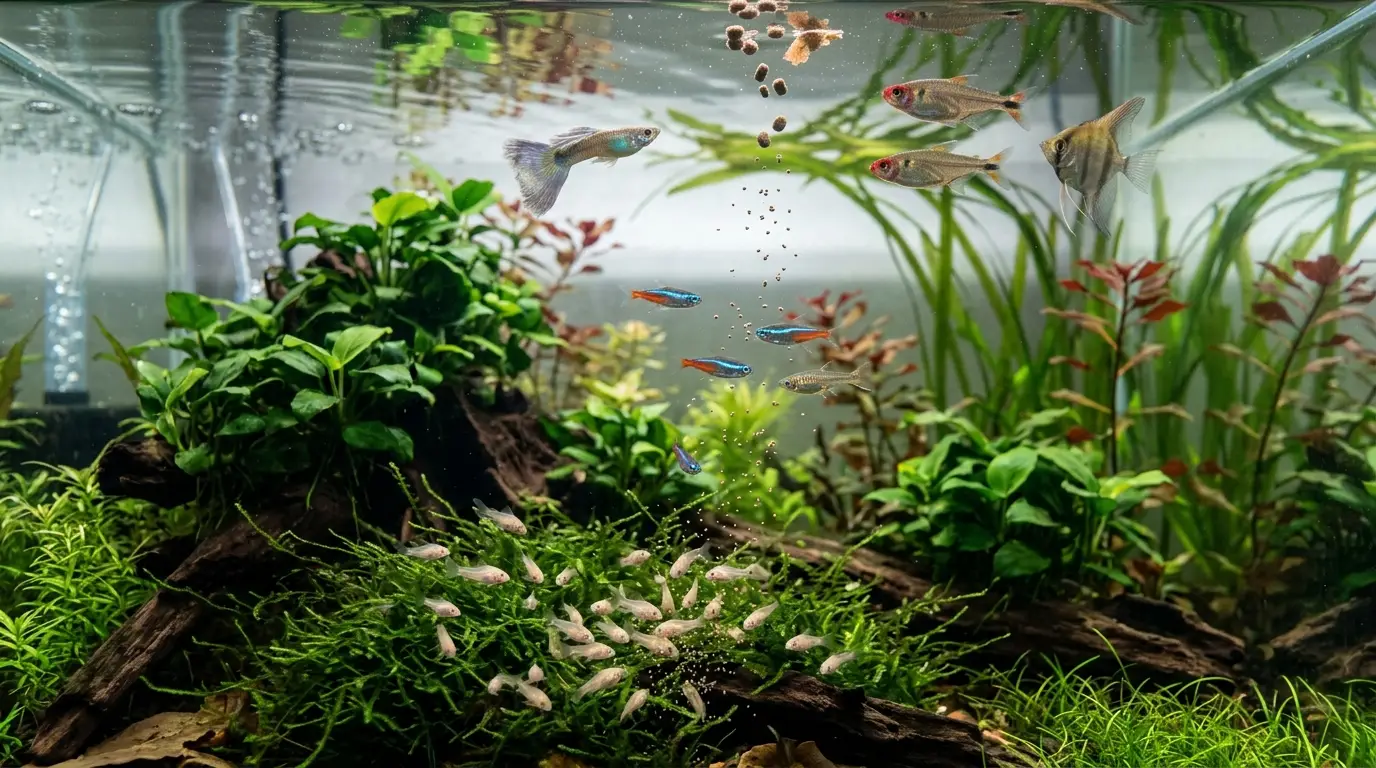
Needs change with age, size, and temperature. Warm water speeds metabolism. Cool water slows it down.
- Fry: 3–6 tiny meals. Use live or powdered foods. Keep water extra clean.
- Juveniles: 2–3 meals to support growth.
- Adults: 1–2 meals and a weekly fast.
- Seniors: Smaller, softer foods. Watch for slower eating.
Vacations happen. Use an auto feeder for pellets. For short trips under 4 days, a healthy tank can handle a pause. Plan ahead to protect the best feeding schedule for aquarium fish daily.
Frequently Asked Questions of best feeding schedule for aquarium fish daily
How many times should I feed fish each day?
Most fish do best with 1–2 small meals daily. Spread them out to match your light cycle and tank activity.
How long should each feeding last?
Aim for 30–90 seconds for small fish and up to 2–3 minutes for large fish. Stop when the group slows or food starts to sink untouched.
Is a fasting day safe for fish?
Yes, a 24-hour fast once a week helps digestion and keeps water cleaner. It also reduces the risk of bloat in bettas and goldfish.
What if I overfeed by mistake?
Remove leftovers with a net or siphon. Do a partial water change and feed less next time.
Do bottom feeders need a separate feeding time?
Often yes. Drop sinking wafers or gels after lights dim so surface feeders do not steal the meal.
Can I use an automatic feeder every day?
You can, but test it first and use high-quality pellets. Recheck portions often to avoid slow overfeeding.
How do I adjust feeding in a planted tank?
Feed a little less to limit waste since plants add oxygen and can trap debris. Focus on clean foods and target feed bottom dwellers.
Should I feed during a new tank cycle?
Feed very lightly or every other day to protect the biofilter. Test water daily and adjust portions until the cycle stabilizes.
Conclusion
A simple, steady plan wins. Small meals 1–2 times a day, plus one weekly fast, will keep your fish bright, active, and healthy. Match food types, watch behavior, and test water to dial in the best feeding schedule for aquarium fish daily.
Try one of the sample plans this week and track what you see. Then tweak portions until your fish finish each meal with ease. If this helped, subscribe for more tank tips or share your own schedule in the comments.