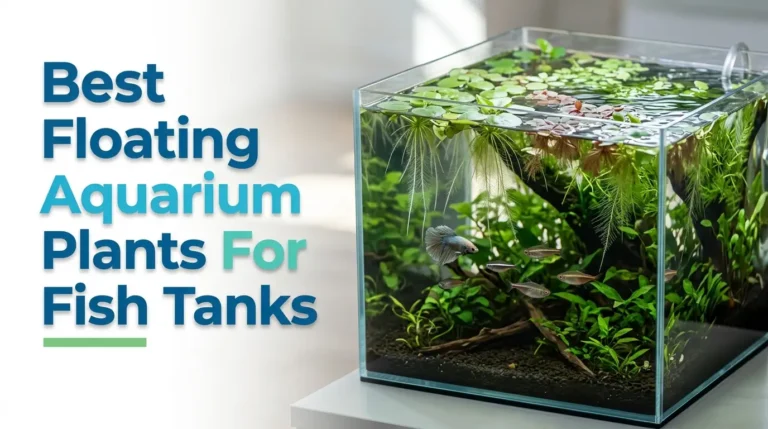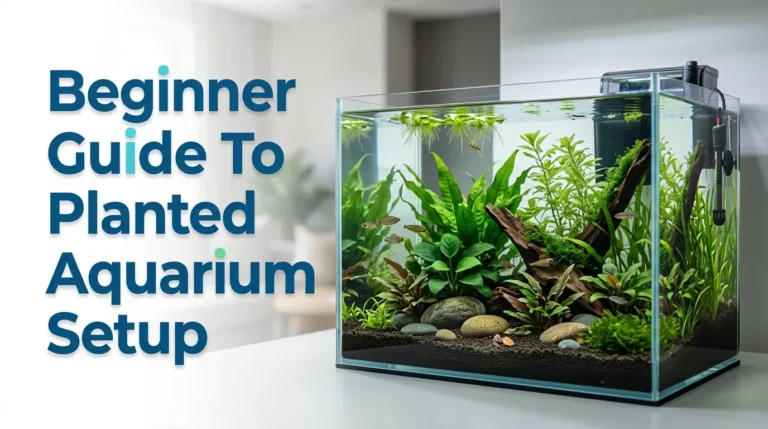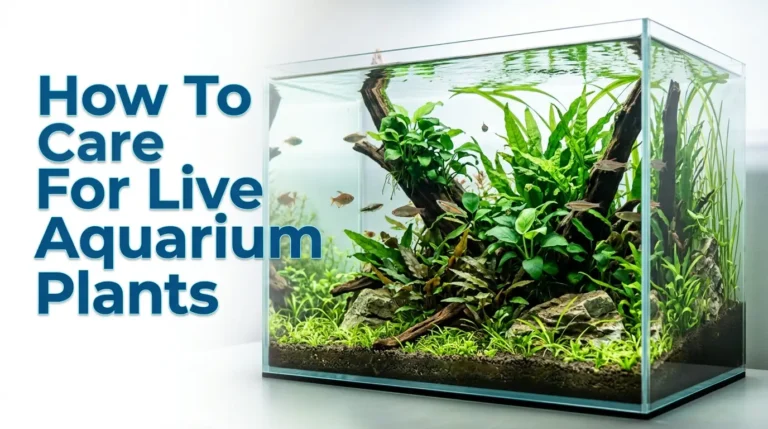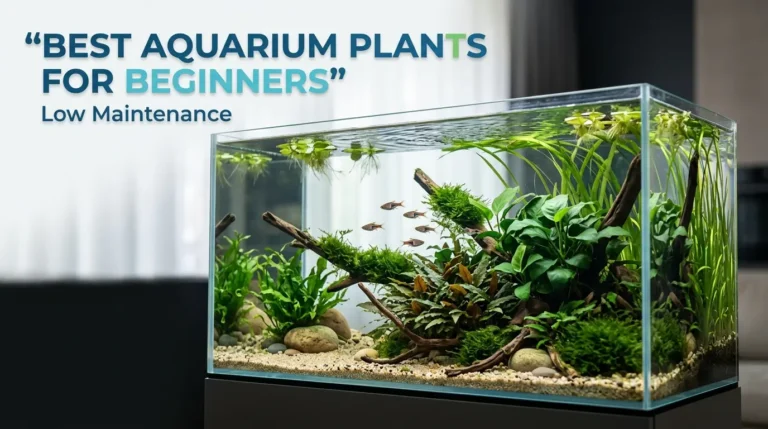
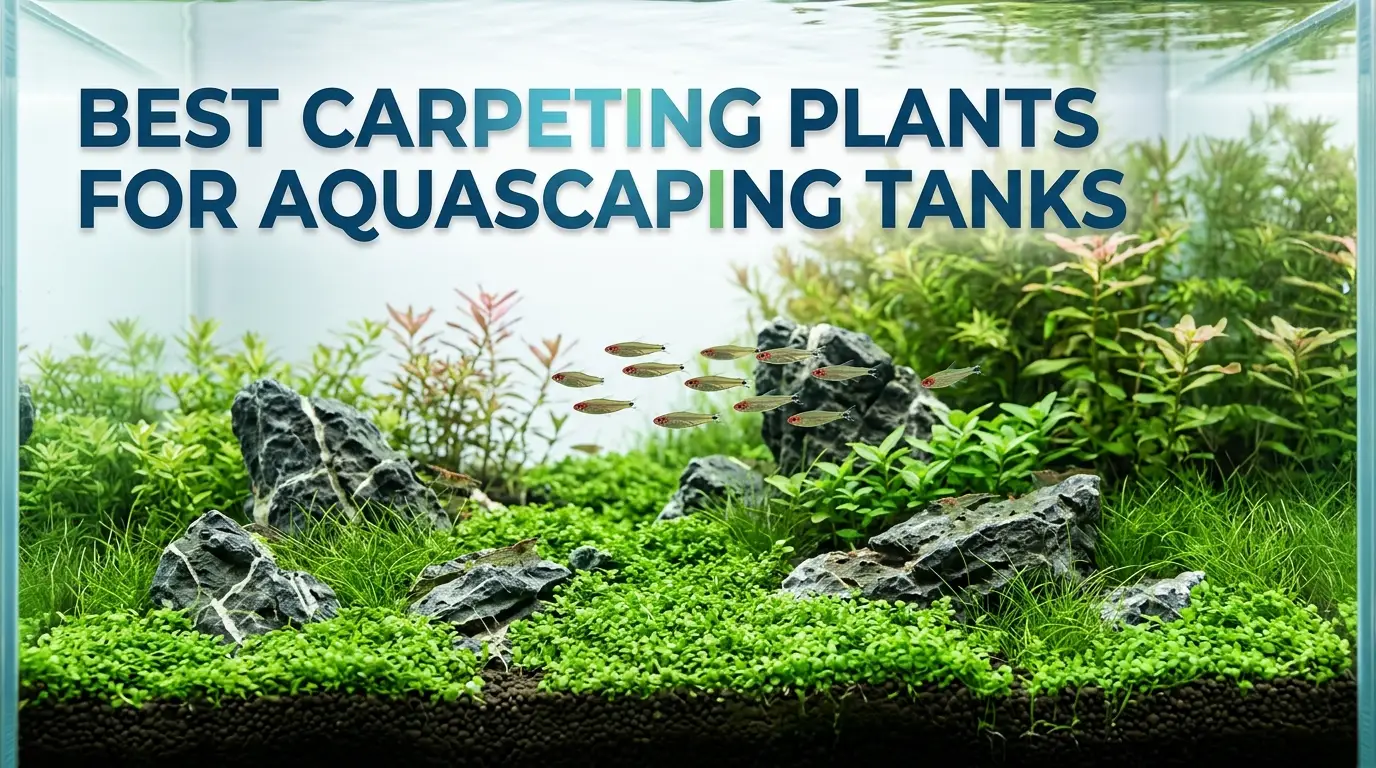
Monte Carlo, dwarf hairgrass, and dwarf baby tears top the list for lush carpets.
If you want a living green floor in your tank, you’re in the right place. I’ve spent years testing and rescuing carpets in high-tech and low-tech setups. This guide breaks down the Best Carpeting Plants for Aquascaping Tanks with clear steps, real-world tips, and honest limits. By the end, you’ll know what to pick, how to plant it, and how to keep that carpet short, thick, and bright.
What Are Carpeting Plants and How They Work
Carpeting plants are short foreground species that spread across the substrate. They grow by runners or dense stems to form a lawn-like layer. A healthy carpet frames hardscape, softens lines, and makes fish colors pop.
These plants also boost tank health. They take up nutrients, add oxygen, and support biofilm for shrimp and fry. The Best Carpeting Plants for Aquascaping Tanks stay low, spread evenly, and handle trimming well.
Key Factors for Success
Good carpets thrive on balance. Light, carbon, nutrients, and flow must match the plant’s needs. I learned this the hard way by blasting light without enough CO2. The result was algae on day four. Match the parts and growth gets easy.
- Light at the substrate: Aim for moderate to high intensity. For most carpets, target medium light if you use CO2, or lower light with slower plants.
- CO2: 20–30 ppm in CO2-injected tanks. In low-tech tanks, pick slow growers and keep light modest.
- Substrate: Nutrient-rich aquasoil or a soil cap helps roots. Grain size of 1–3 mm holds runners well.
- Water: Keep temperature 72–76°F. GH 3–8, KH 0–5, and pH 6.2–7.2 suit most carpets.
- Nutrients: Nitrate 10–20 ppm, phosphate 0.5–2 ppm, potassium 10–20 ppm, and a trace mix with iron.
- Flow: Gentle to moderate. Aim for light leaf sway and even CO2 spread.
With these basics, the Best Carpeting Plants for Aquascaping Tanks fill in faster and stay low.
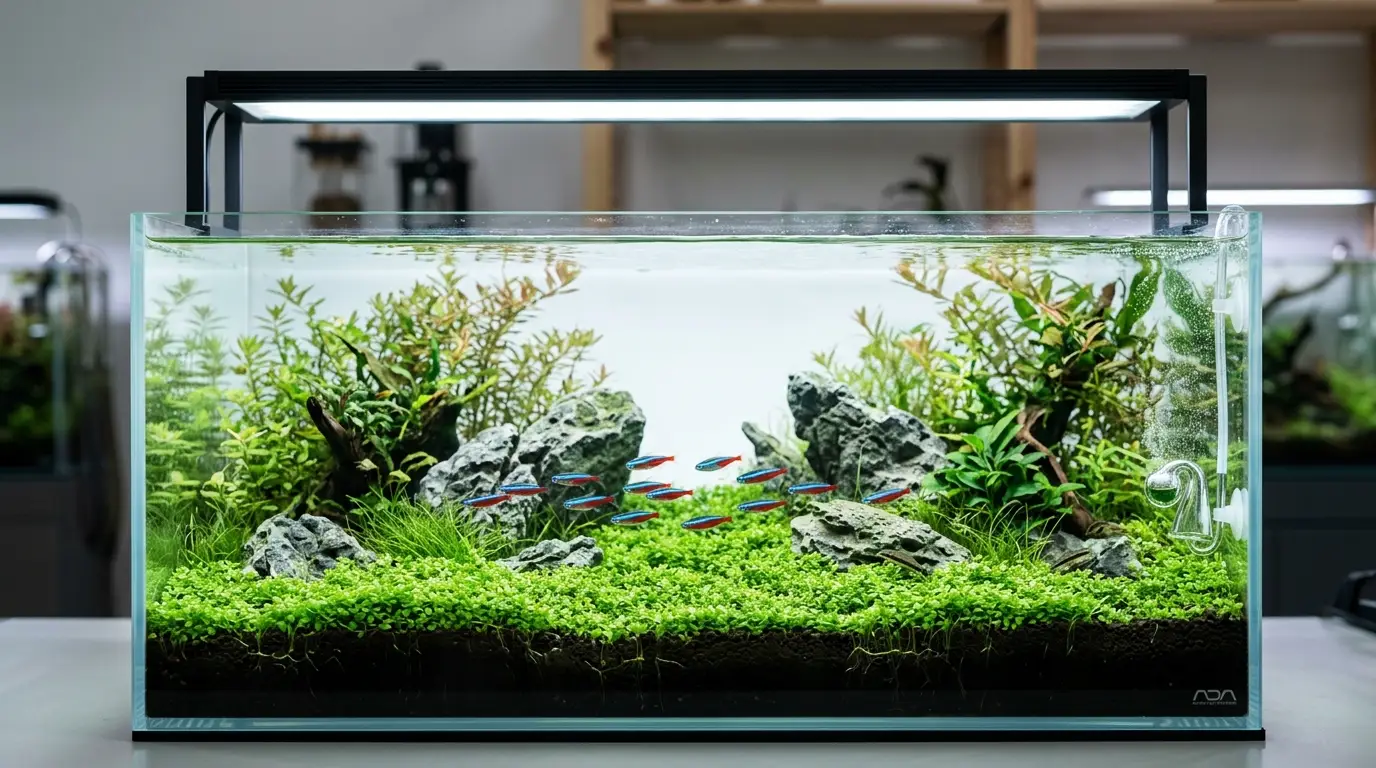
Best Carpeting Plants for Aquascaping Tanks
Below are proven species from easy to advanced. I group them by tech level and include care notes from my own tanks.
Beginner and Low-Tech Friendly
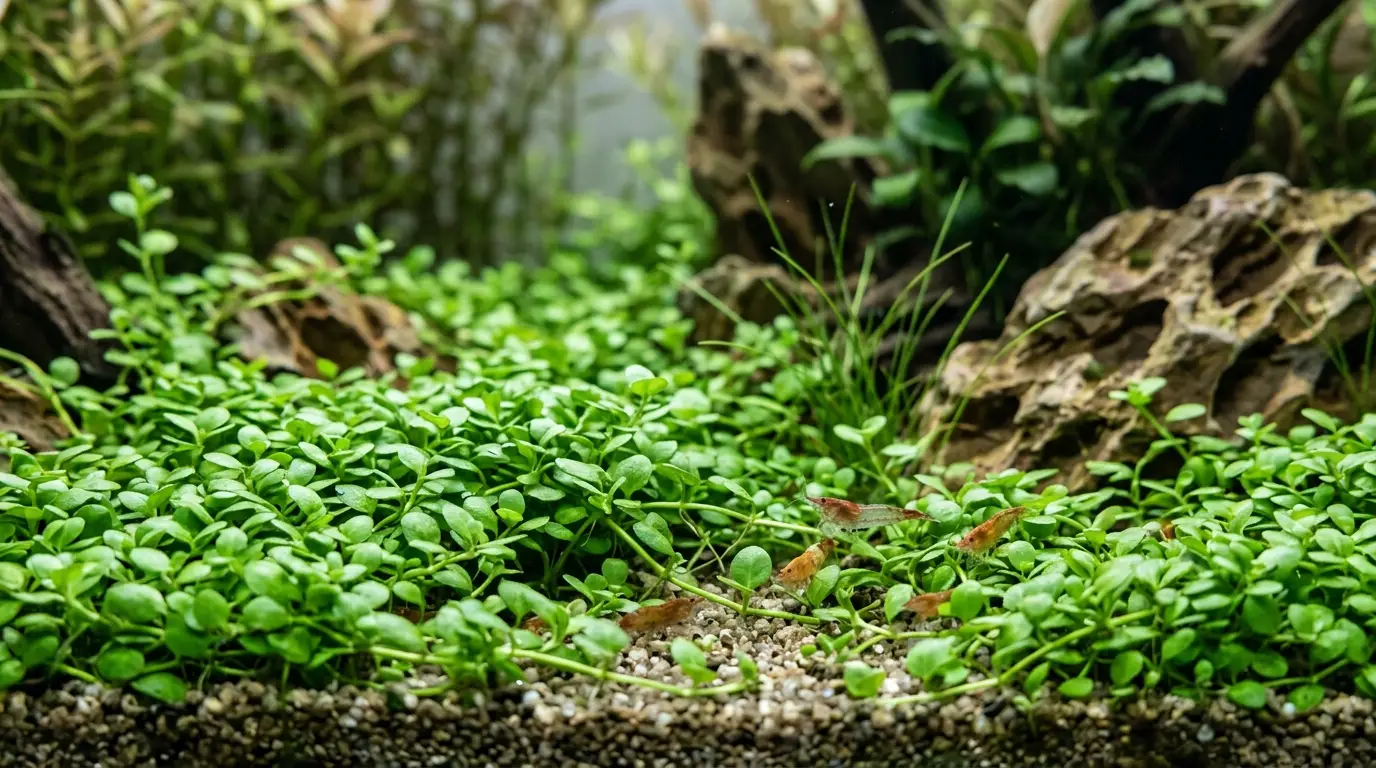
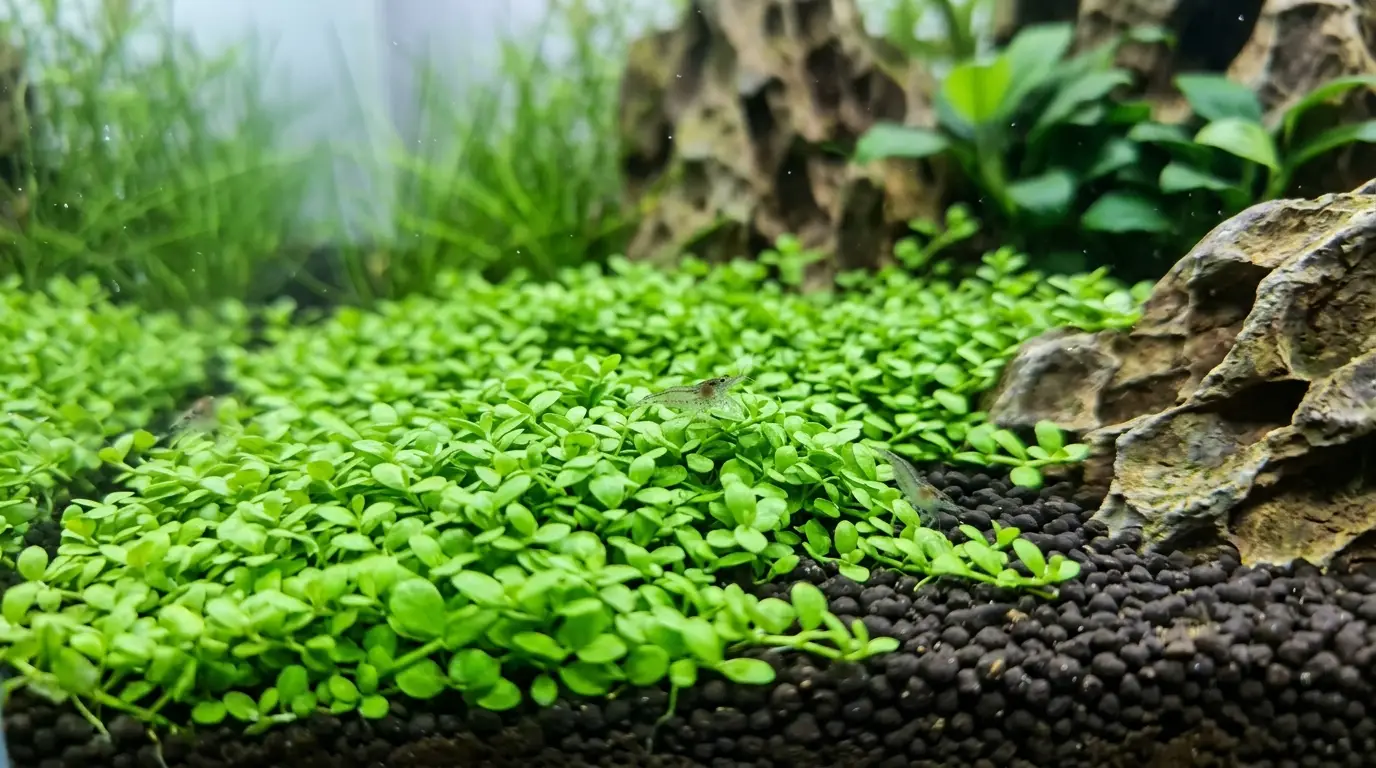
- Monte Carlo (Micranthemum tweediei)
- Why I like it: Forgiving, stays low, easy to trim, great for first carpets.
- Care: Medium light is best. CO2 helps, but it can grow low-tech if light is modest and nutrients are steady.
- Tip: Plant small clumps an inch apart. It knits fast and resists lifting.
- Marsilea hirsuta or Marsilea crenata
- Why I like it: Slow but tough. Leaves can be tiny clovers or blades.
- Care: Low to medium light. CO2 is optional. Good for sand with root tabs.
- Tip: Great for shrimp tanks and cooler water.
- Dwarf Sagittaria (Sagittaria subulata, dwarf form)
- Why I like it: Almost unkillable once settled. Spreads by runners.
- Care: Low to medium light. CO2 speeds spread but not required.
- Tip: Can grow taller in high light; keep trims frequent to stay lawn-like.
- Java Moss carpet (Taxiphyllum barbieri) on mesh
- Why I like it: Very easy. Works in shrimp and low-tech tanks.
- Care: Low light is fine. No CO2 needed. Trim often to avoid detritus traps.
- Tip: Tie or glue to stainless mesh and bury edges slightly for a moss “sod.”
Intermediate (CO2 Recommended)
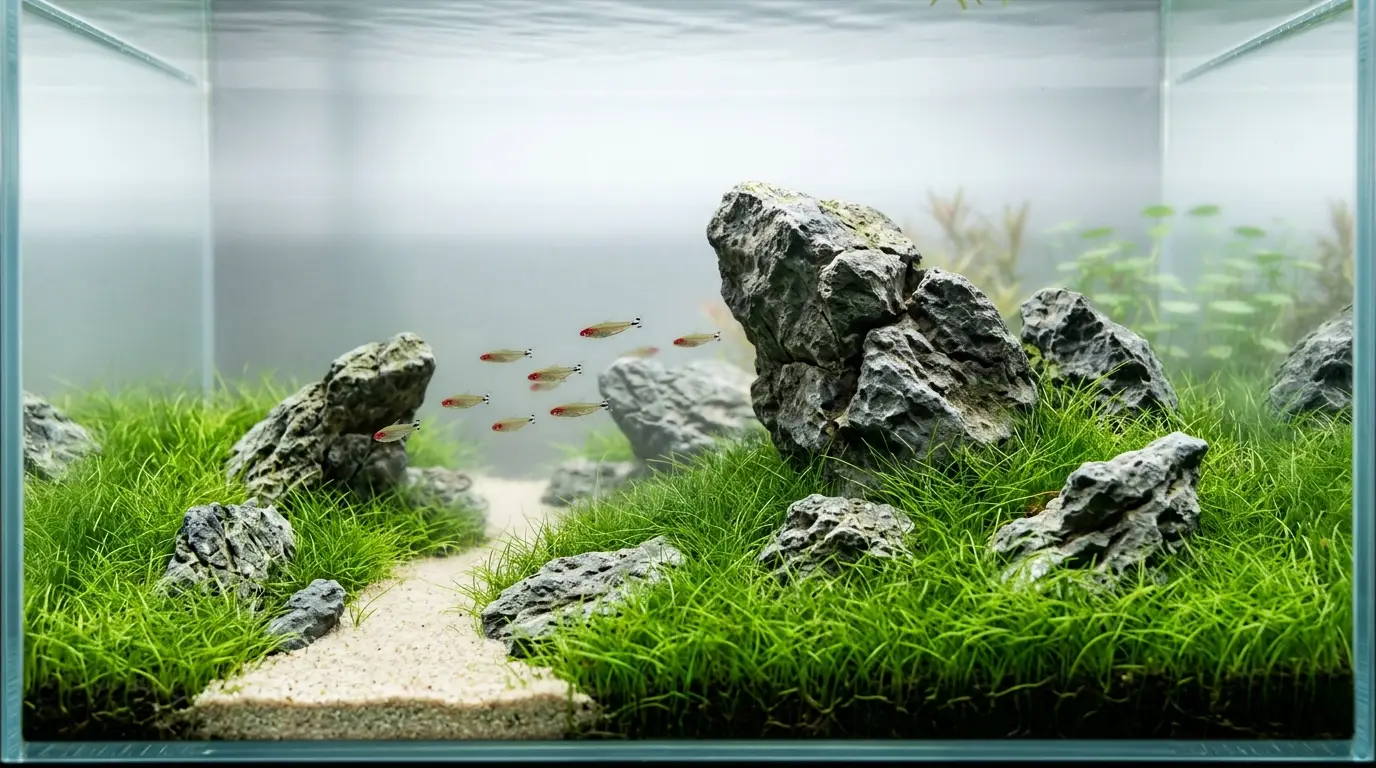
- Dwarf Hairgrass (Eleocharis parvula or E. acicularis ‘mini’)
- Why I like it: Classic grass look, clean and modern.
- Care: Medium light and CO2 give the best results. Even flow prevents debris.
- Tip: Trim tall leaves early to push side shoots and dense growth.
- Micro Sword (Lilaeopsis brasiliensis)
- Why I like it: Tough mid-speed spreader with neat, bright blades.
- Care: Medium light. CO2 recommended. Likes rich substrate.
- Tip: Thin runners during trims so the base does not choke out.
- Hydrocotyle tripartita ‘Japan’
- Why I like it: Fast, playful look with tiny shamrock leaves.
- Care: Medium to high light, CO2 ideal. Will climb if shaded.
- Tip: Pinch often. Train it low by trimming any upward shoots.
Advanced (High Light and CO2)
- Dwarf Baby Tears (Hemianthus callitrichoides “Cuba”)
- Why I like it: Tiny leaves, premium look, iconic in Iwagumi.
- Care: High light, stable CO2 at 20–30 ppm, and rich substrate.
- Tip: Dry Start Method helps it root. Flood gently to prevent float-ups.
- Glossostigma elatinoides
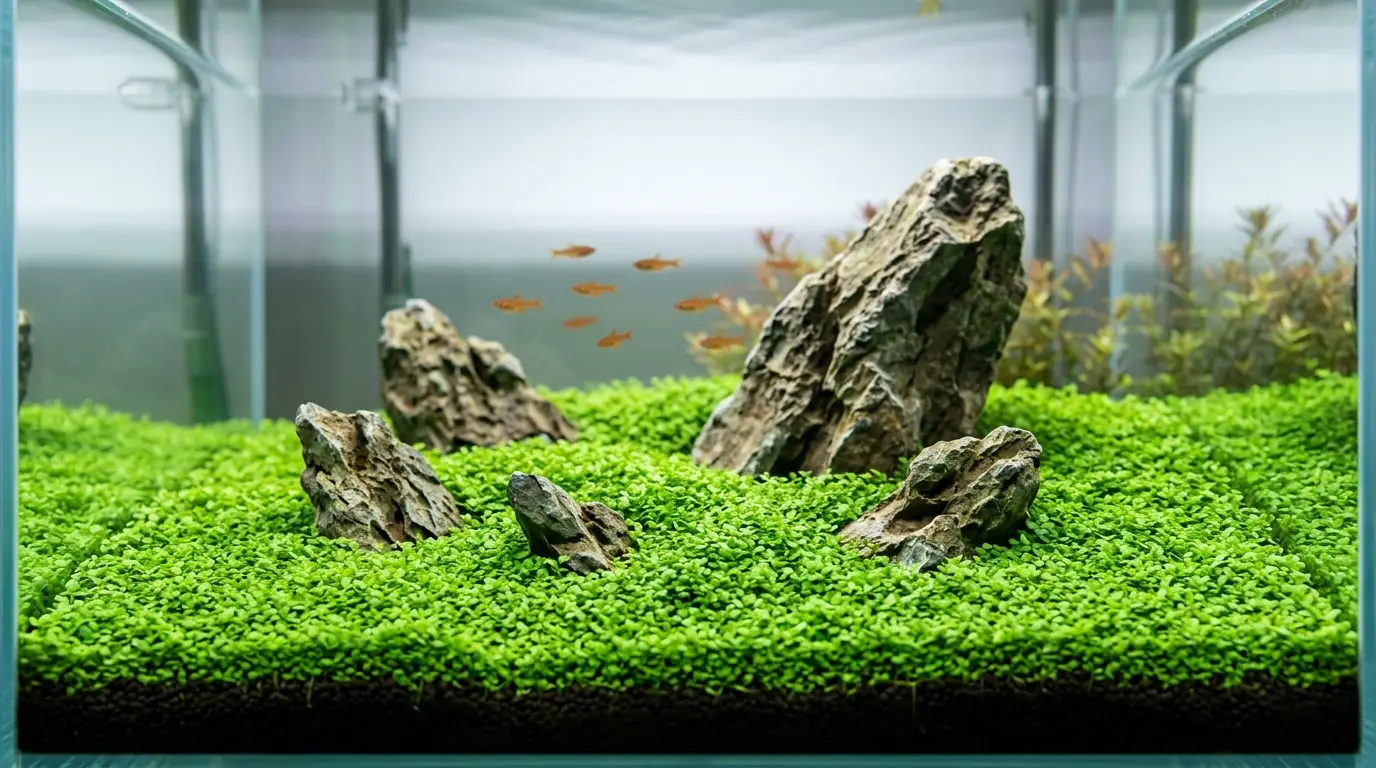
- Why I like it: Ultra-low, bright green mat. Photographs very well.
- Care: High light and CO2. Will grow upward if light is weak.
- Tip: Plant tiny plugs with tweezers. Trim hard to keep it flat.
- Utricularia graminifolia
- Why I like it: Soft, dream-like texture. Unique among carpets.
- Care: Soft water, high light, and stable CO2. Sensitive to swings.
- Tip: It is a carnivorous plant. Keep organics low and avoid big bioloads early.
When people ask me about the Best Carpeting Plants for Aquascaping Tanks, I guide them by tank style, patience, and tech level. For low-tech, try Monte Carlo or Marsilea. For a bold Iwagumi, go with HC or hairgrass and inject CO2. If you love a challenge, Utricularia is stunning.
Planting and Propagation Tips
Success starts on day one. A good start saves weeks of fixes. Here is what works for me.
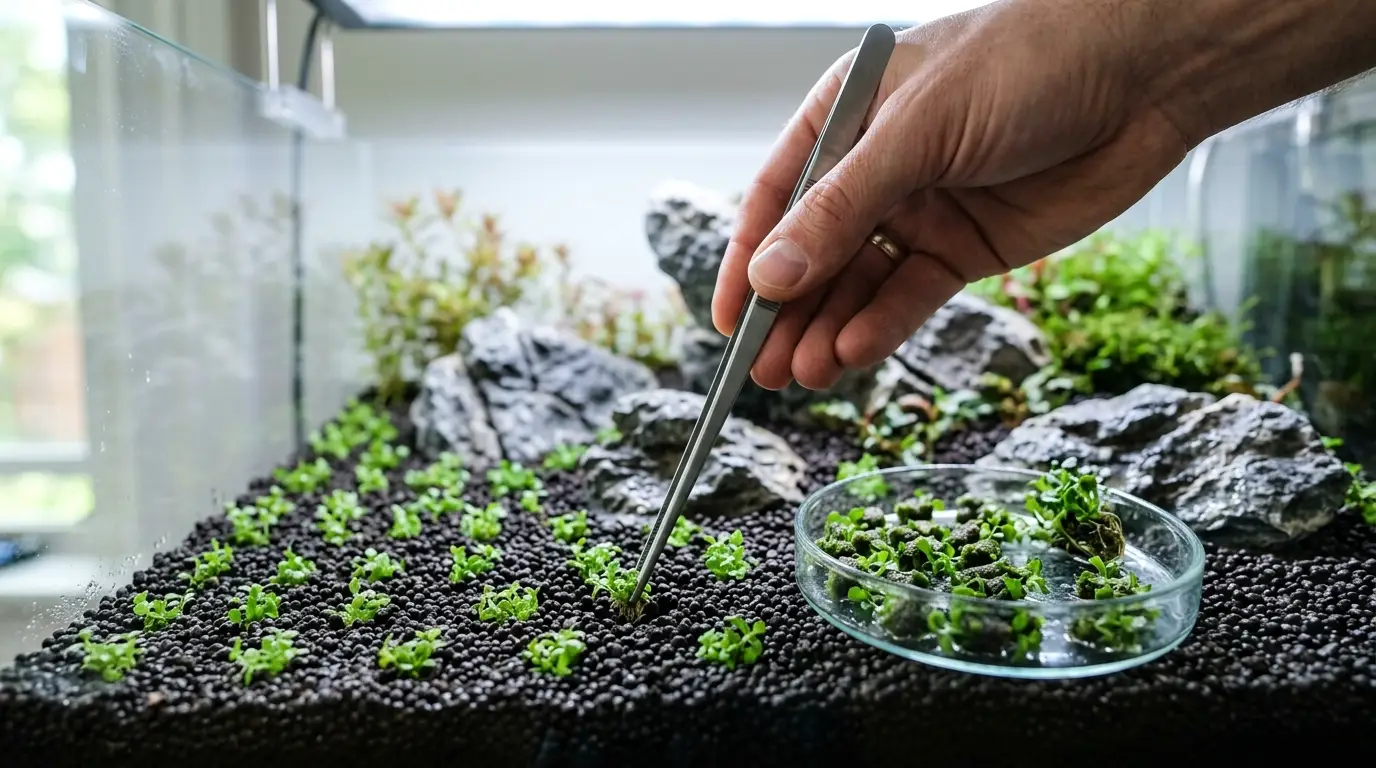
- Rinse and split: Rinse rock wool from pots. Split plants into very small plugs. Smaller plugs root faster and hold better.
- Use long tweezers: Plant at a shallow angle. Bury roots, not leaves. Space plugs 1–2 inches apart.
- Press and mist: After planting, press the substrate with a card. Mist leaves to prevent drying while you work.
- First week care: Reduce light intensity or photoperiod to cut algae risk. Keep filters clean and flow gentle over the carpet.
- Dry Start Method (DSM):
- Fill substrate and hardscape only. Plant plugs in moist substrate.
- Cover the tank to keep humidity near 100%. Run lights 8–10 hours.
- Vent daily and mist as needed. Grow for 3–8 weeks until dense.
- Flood slowly. Start CO2 at once and monitor ammonia.
- Trimming rhythm: Trim early and often. A light top cut triggers lateral spread. Thick mats need deeper trims to reach runners.
The Best Carpeting Plants for Aquascaping Tanks root better with patience. Rushing the flood or blasting light too soon is the most common mistake I see.
Common Problems and Fixes
Everyone hits bumps. Here is a quick map to get back on track.
- Algae on leaves
- Cause: Too much light for your CO2 and nutrients.
- Fix: Lower light, raise CO2 carefully, and keep nitrates and phosphates stable. Add gentle algae grazers like Amano shrimp.
- Yellow or pale carpet
- Cause: Low nitrogen, iron, or potassium.
- Fix: Dose a complete fertilizer. Keep nitrate 10–20 ppm. Add root tabs for heavy root feeders.
- Melting after planting
- Cause: Emersed-to-submersed transition stress.
- Fix: Trim melt, keep water clean, and give steady CO2. New leaves adapt in 1–3 weeks.
- Runners lifting or floating
- Cause: Poor initial anchoring or too buoyant stems.
- Fix: Replant deeper with tweezers. Turn down flow for a few days. Use plant weights if needed.
- Growing upward, not across
- Cause: Light too weak or shaded base.
- Fix: Raise intensity, thin the mat, or switch to a lower-light species.
A calm, steady approach brings the Best Carpeting Plants for Aquascaping Tanks back to form fast.
Layout Ideas and Aquascape Styles
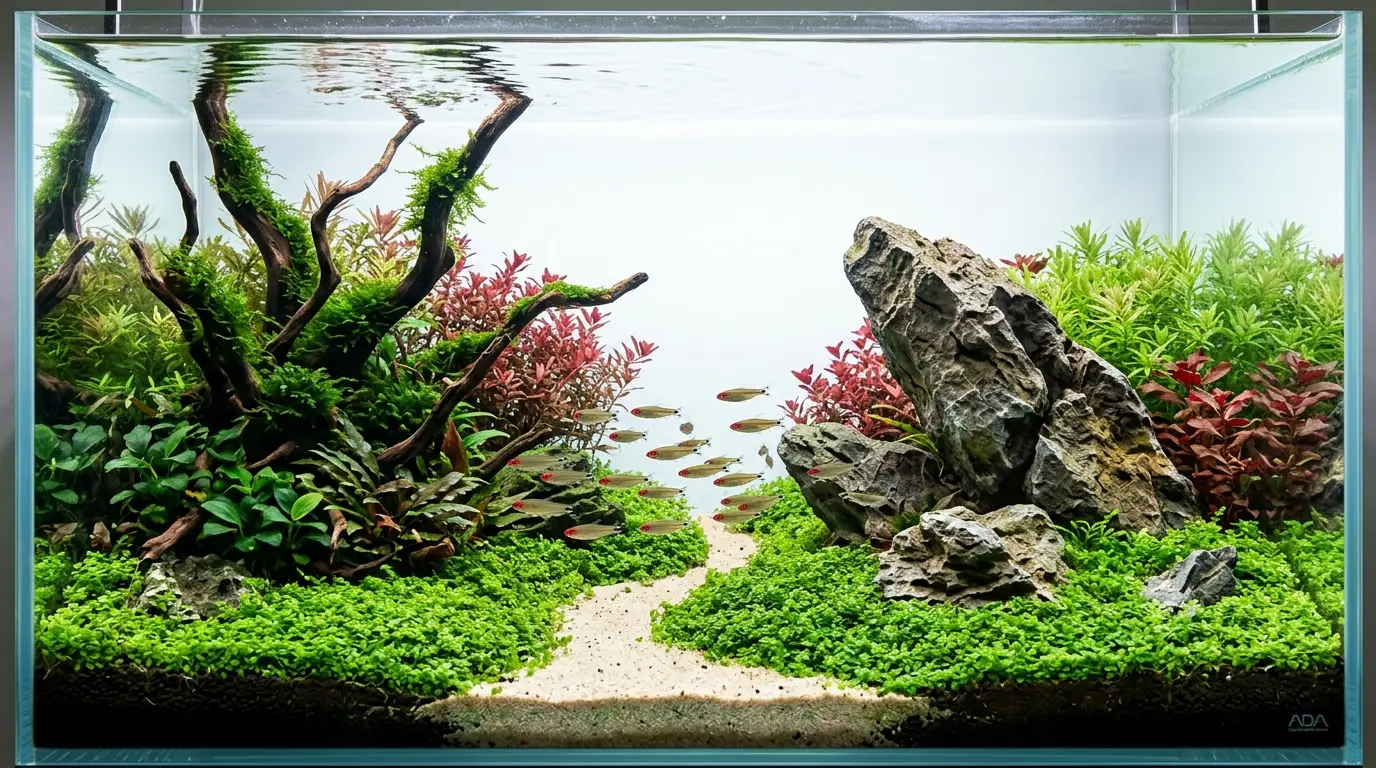
Carpets set the stage for your scape. Use them to guide the eye and frame the story.
- Iwagumi style: Pair hairgrass or HC with Seiryu stone. Keep slopes low to high from left to right for dynamic flow.
- Nature style: Mix Monte Carlo with mossy roots and ferns. Let clumps break up the carpet for a wild, natural look.
- Pathways and depth: Use smaller-leaf carpets at the rear of the foreground to fake depth. A sand path between two carpets adds a “river” feel.
- Color play: Most carpets are green. Add red midground plants behind a low carpet to make the scene pop.
The Best Carpeting Plants for Aquascaping Tanks can blend. A Monte Carlo base with hairgrass patches looks rich and layered.
Maintenance Schedule and Tools
Short, routine care beats major rescues. Here is a simple plan.
- Weekly
- Trim the top 10–20% if growth is fast. This keeps light at the base.
- Water change 30–50%. Vacuum lightly over the carpet to lift debris.
- Check CO2 timing and drop checker color before lights on.
- Biweekly
- Test nitrate, phosphate, and iron. Adjust dosing.
- Clean pre-filters and check flow. Uneven flow leads to patchy carpets.
- Monthly
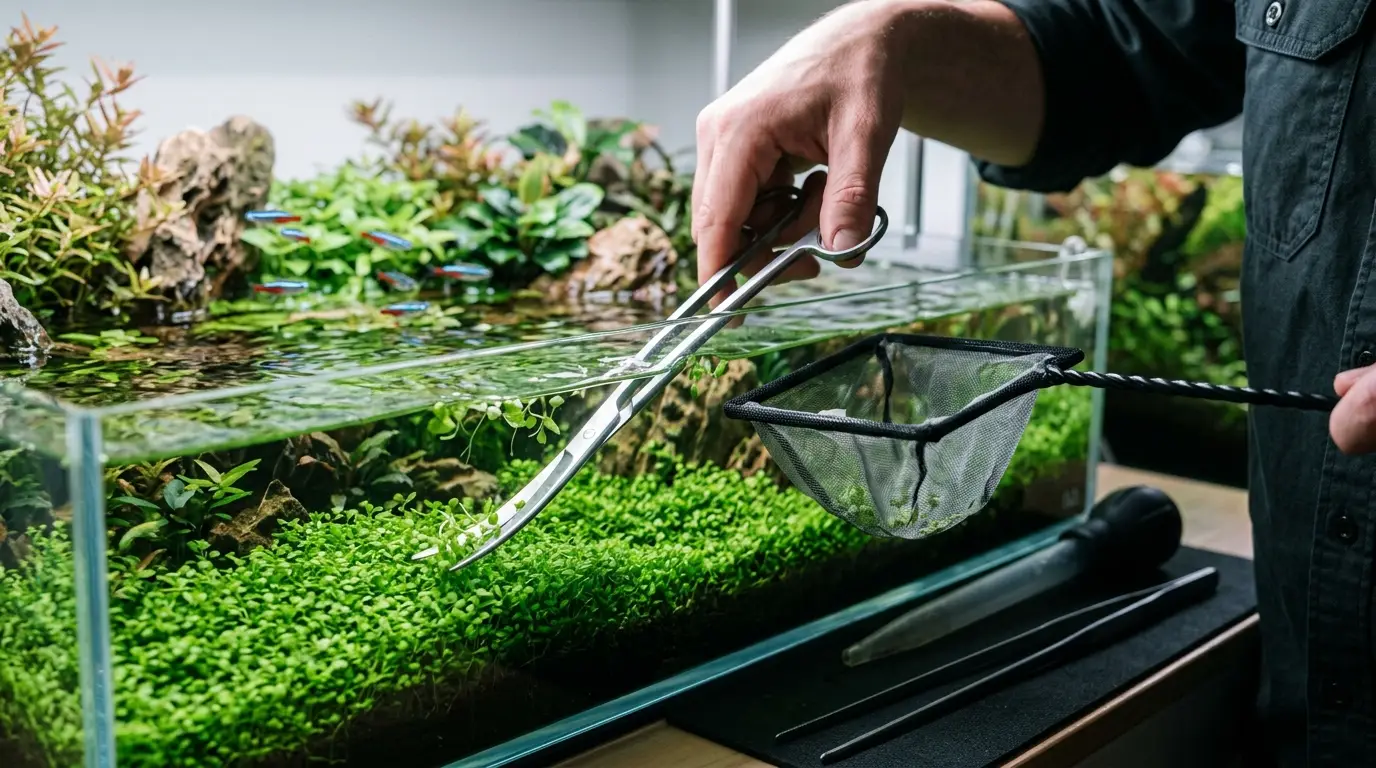
- Deep trim if the mat is thick. Remove clippings with a net right away.
- Re-seat any lifted runners. Add root tabs as needed.
Tools that help: long tweezers, curved scissors, a fine net, and a turkey baster for spot cleaning. With this routine, the Best Carpeting Plants for Aquascaping Tanks stay dense and neat.
Frequently Asked Questions of Best Carpeting Plants for Aquascaping Tanks
Do I need CO2 for carpeting plants?
You can grow carpets without CO2, but choose slow, hardy species. Monte Carlo, Marsilea, and dwarf sag do well in low-tech with moderate light.
How long does a carpet take to fill in?
With CO2 and medium light, 4–8 weeks is common. In low-tech tanks, expect 8–16 weeks depending on species and care.
What is the easiest carpet for beginners?
Monte Carlo is the easiest for most people. It tolerates small mistakes and spreads well even at modest light.
Why is my carpet turning brown or melting?
It could be transition melt, low nutrients, or poor flow. Trim dead parts, balance light and CO2, and keep water very clean.
Can carpeting plants grow in sand?
Yes, but they need root tabs or a nutrient base and careful planting. Fine sand can compact, so keep fish that stir it gently or add snails.
How do I stop the carpet from lifting?
Plant tiny plugs deep with tweezers and press the substrate after. Reduce flow for a few days and replant any floaters right away.
Which carpet is best for Iwagumi layouts?
Dwarf baby tears or hairgrass are classics. Use high light and stable CO2 to keep them low and tight around stones.
Conclusion
A lush foreground is not luck. It is the right plant, steady care, and small, smart steps. Pick from the Best Carpeting Plants for Aquascaping Tanks that fit your light, CO2, and time. Start with Monte Carlo or hairgrass, plant tiny plugs, and trim early to push spread.
Ready to grow your green floor? Choose your plant, set your routine, and share your progress. Subscribe for new guides, or leave a comment with your setup and I’ll help you tune it.