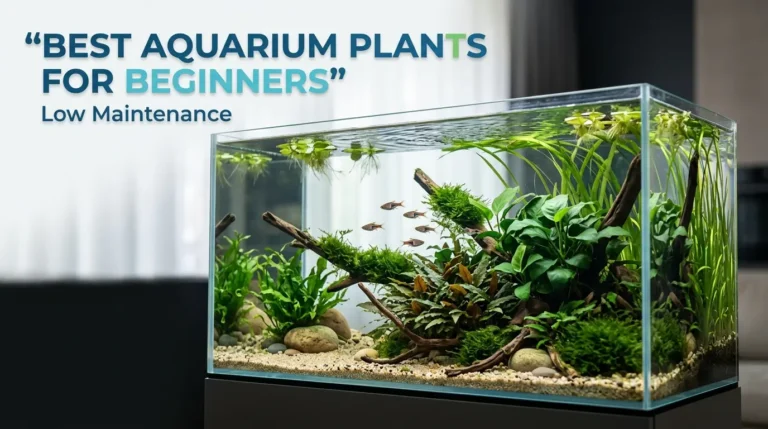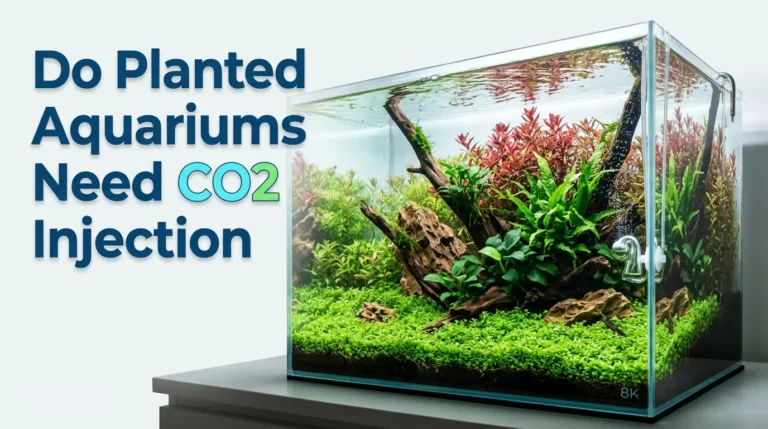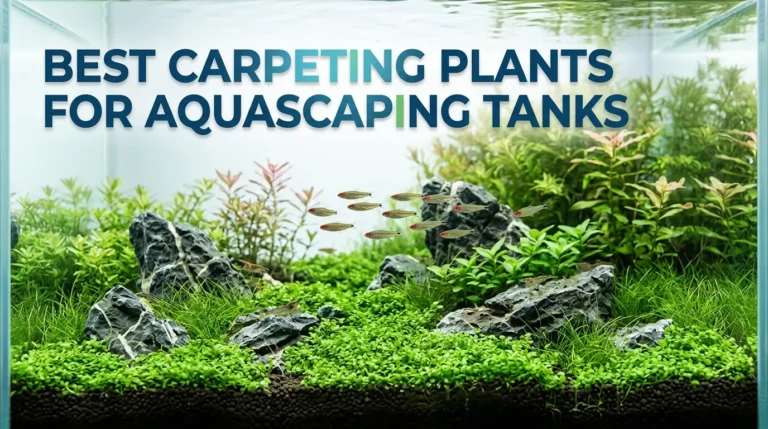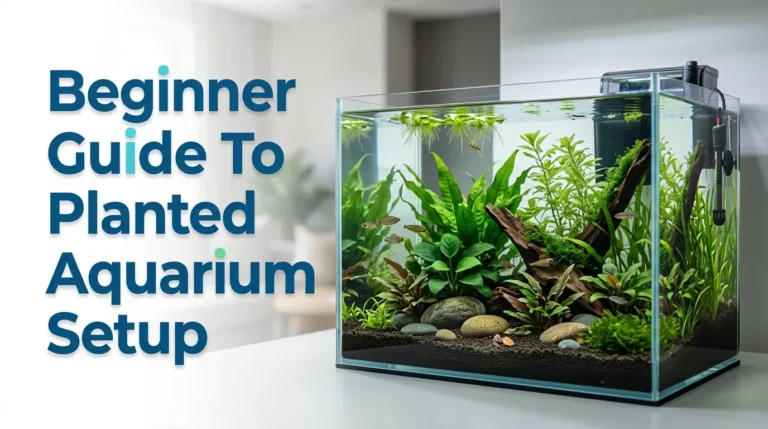
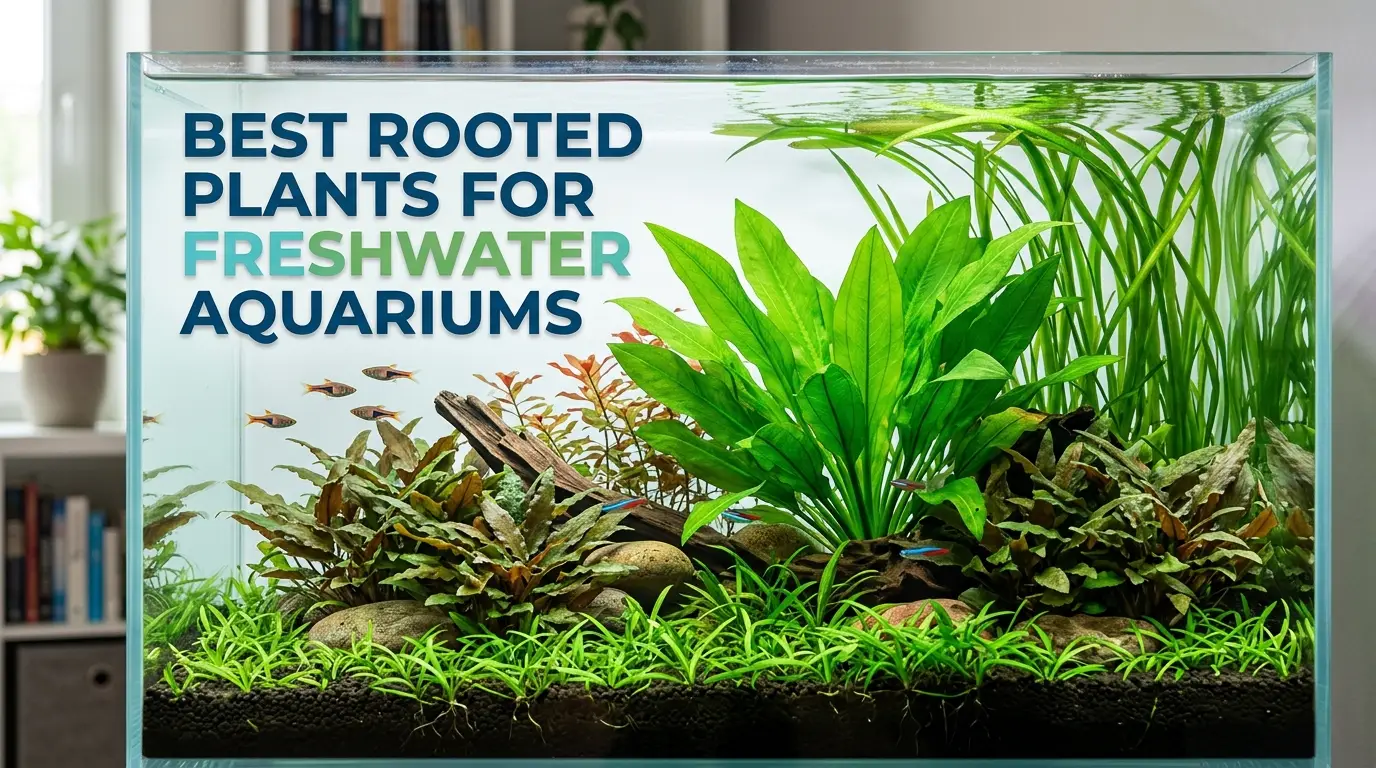
Pick Amazon swords, crypts, Vallisneria, dwarf sag, and Ludwigia for easy roots.
If you want a lush, stable tank, the best rooted plants for freshwater aquariums will do the heavy lifting. I’ve grown these in beginner and advanced tanks for years. Below, I break down choices, setup, and care based on hands-on results and solid plant science. You’ll find clear steps, mistakes to avoid, and pro tips to help your aquascape thrive.
What Makes a Great Rooted Plant in Freshwater Tanks
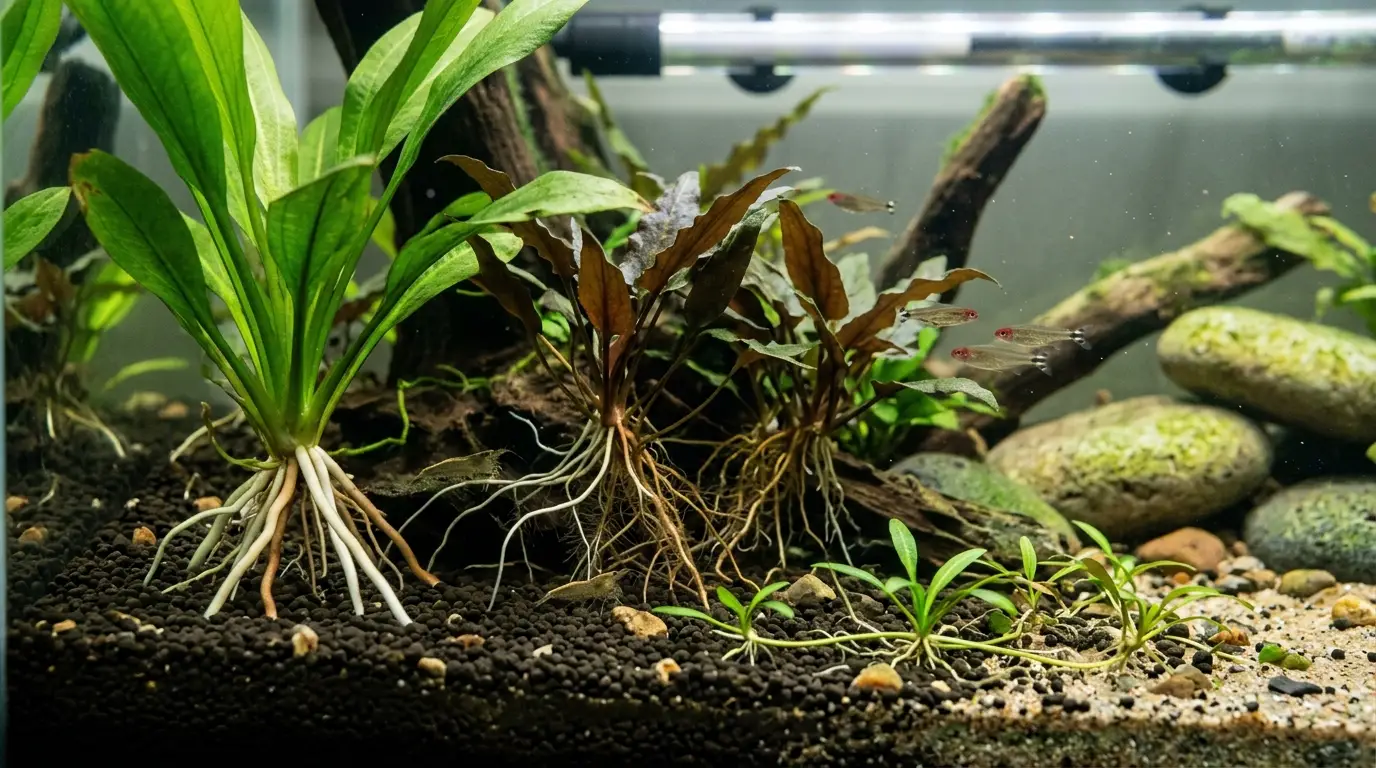
Rooted plants anchor in the substrate and drink most nutrients through their roots. They lock in your scape, fight algae by using excess nutrients, and keep fish calm with dense cover. Many also buffer swings by absorbing ammonia, nitrite, and nitrate as they grow.
Here is why the best rooted plants for freshwater aquariums are a win:
- Better water quality. Healthy roots soak up waste and extra nutrients.
- Fewer algae blooms. Fast growers outcompete algae, especially under stable light.
- Natural shelter. Fish and shrimp feel safe and show better colors.
- Long-term layout. Roots hold soil in place and define foreground, midground, and background.
Rooted plants differ from rhizome plants like Anubias or Java fern. Rhizomes prefer to grip wood or rock. True rooted plants want their roots in gravel, sand, or aquasoil. That match makes care simple and growth steady.
Key Factors When Choosing Rooted Plants
Pick species that fit your gear, water, and fish. The best rooted plants for freshwater aquariums will match these points:
- Light level. Low to medium light grows most swords, crypts, and Vallisneria. Strong light boosts reds and carpets but also raises algae risk.
- Substrate. Nutrient-rich soil helps. In inert sand or gravel, use root tabs under heavy root feeders.
- Water parameters. Most classics like pH 6.5–7.8 and 72–80°F. Check each plant’s range.
- Tank size and layout. Tall species fill backgrounds. Short ones carpet the front.
- Fish behavior. Some cichlids and goldfish dig or nibble. Use hardy plants and larger grain sizes, or add stones around roots.
- Your time and goals. Want low touch? Go with crypts and dwarf sag. Want fast growth and red tones? Try Ludwigia with stronger light.
From my tanks, success comes down to stable light and regular root tabs. I place tabs near new plants on day one, then every 8–12 weeks. Growth is smoother, and melt is rare.
The Best Rooted Plants for Freshwater Aquariums
Below are reliable, proven picks. These are the best rooted plants for freshwater aquariums in real, mixed setups.
Amazon Sword (Echinodorus bleheri)
- Difficulty: Easy
- Light: Low to medium
- Notes: Big leaves, strong roots, heavy root feeder. Use root tabs near the crown. Great center or background plant.
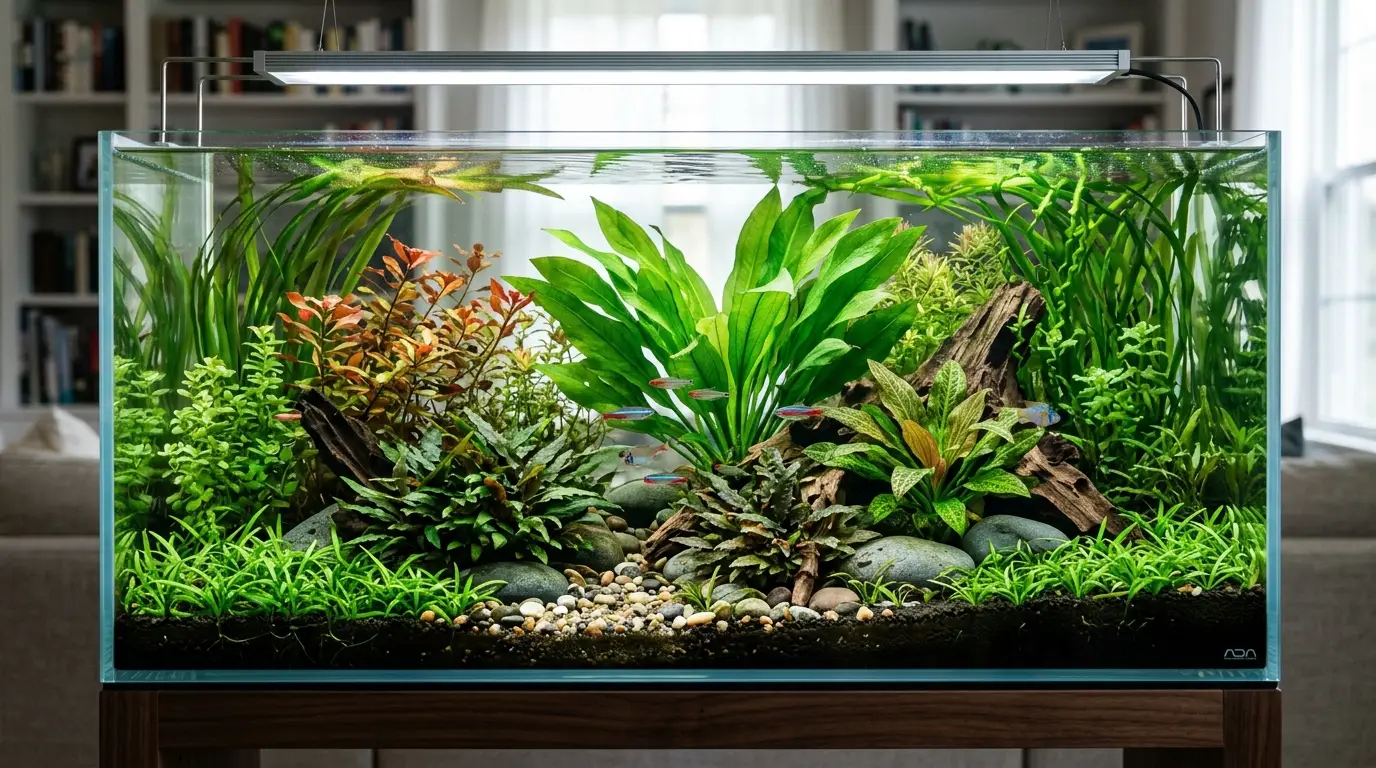
Cryptocoryne wendtii (and other crypts)
- Difficulty: Easy
- Light: Low to medium
- Notes: Compact clumps. Expect initial melt when moved. Keep the crown above the substrate. Bounces back with steady nutrients.
Vallisneria (jungle and corkscrew)
- Difficulty: Easy
- Light: Low to medium
- Notes: Tall grass that sends runners. Fast cover along the back. Trim by cutting leaves, not tips only, to avoid rot lines.
Dwarf Sagittaria (Sagittaria subulata)
- Difficulty: Easy
- Light: Low to medium
- Notes: Forms a hardy carpet in simple setups. Ideal for community tanks. Spreads by runners.
Ludwigia repens
- Difficulty: Easy to moderate
- Light: Medium for richer reds
- Notes: Stem plant with strong roots in soil. Red tones pop with iron and good light. Trim tops and replant for a bushy look.
Hygrophila polysperma
- Difficulty: Easy and fast
- Light: Low to medium
- Notes: Explosive growth that beats algae. Check local rules, as it is restricted in some regions. Trim often and replant cuttings.
Water Wisteria (Hygrophila difformis)
- Difficulty: Easy
- Light: Low to medium
- Notes: Lacy leaves. Grows rooted or floating. Great for soaking up excess nutrients in new tanks.
Helanthium tenellum (Pygmy chain sword)
- Difficulty: Easy to moderate
- Light: Medium
- Notes: Fine-leaf carpet. Loves rich substrate and adds a light, airy look.
Bacopa caroliniana
- Difficulty: Easy
- Light: Low to medium
- Notes: Thick stems and slow, steady growth. Lemon scent when trimmed. Strong choice for low-tech tanks.
Echinodorus ‘Ozelot’ or ‘Rubin’ (decorative swords)
- Difficulty: Easy to moderate
- Light: Medium
- Notes: Spotted or red leaves. Great focal points. Feed at the roots for color and size.
Why these? Peer-reviewed studies on aquatic plants show strong nutrient uptake through root systems. In my tanks, these species have been stable, forgiving, and easy to shape. They fit many bioloads and light ranges, which is why they rank among the best rooted plants for freshwater aquariums.
How to Plant and Care for Rooted Plants
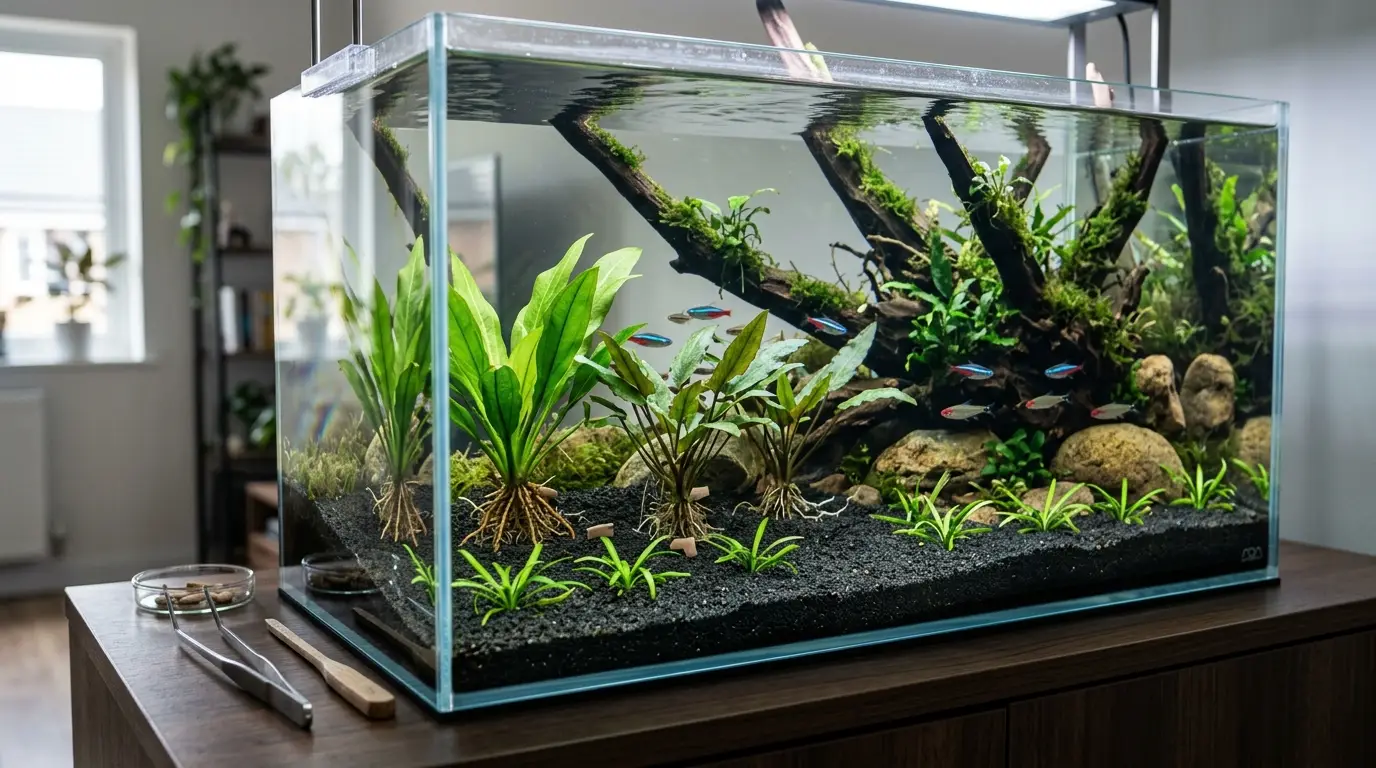
Follow these steps for fast, healthy root growth:
- Rinse plants and remove rockwool. Trim any black or mushy roots.
- Split large bunches. Plant small groups a few inches apart for airflow and new runners.
- Use tweezers. Push roots at a slight angle. Keep the crown above the substrate.
- Feed the roots. Place a root tab 1–2 inches from the crown. Repeat every 8–12 weeks.
- Set the light timer. Aim for 6–8 hours at first. Increase slowly if algae is under control.
- Dose wisely. In inert gravel, add a complete liquid fertilizer at low weekly doses.
- Trim often. Replant healthy tops. Remove weak, yellow, or holey leaves to prevent rot.
Practical tip from my 40-gallon: I cap a thin layer of nutrient soil with sand. Roots love it, and sand keeps the look clean. This simple stack keeps crypts and swords dense without daily work.
Common Problems and Simple Fixes
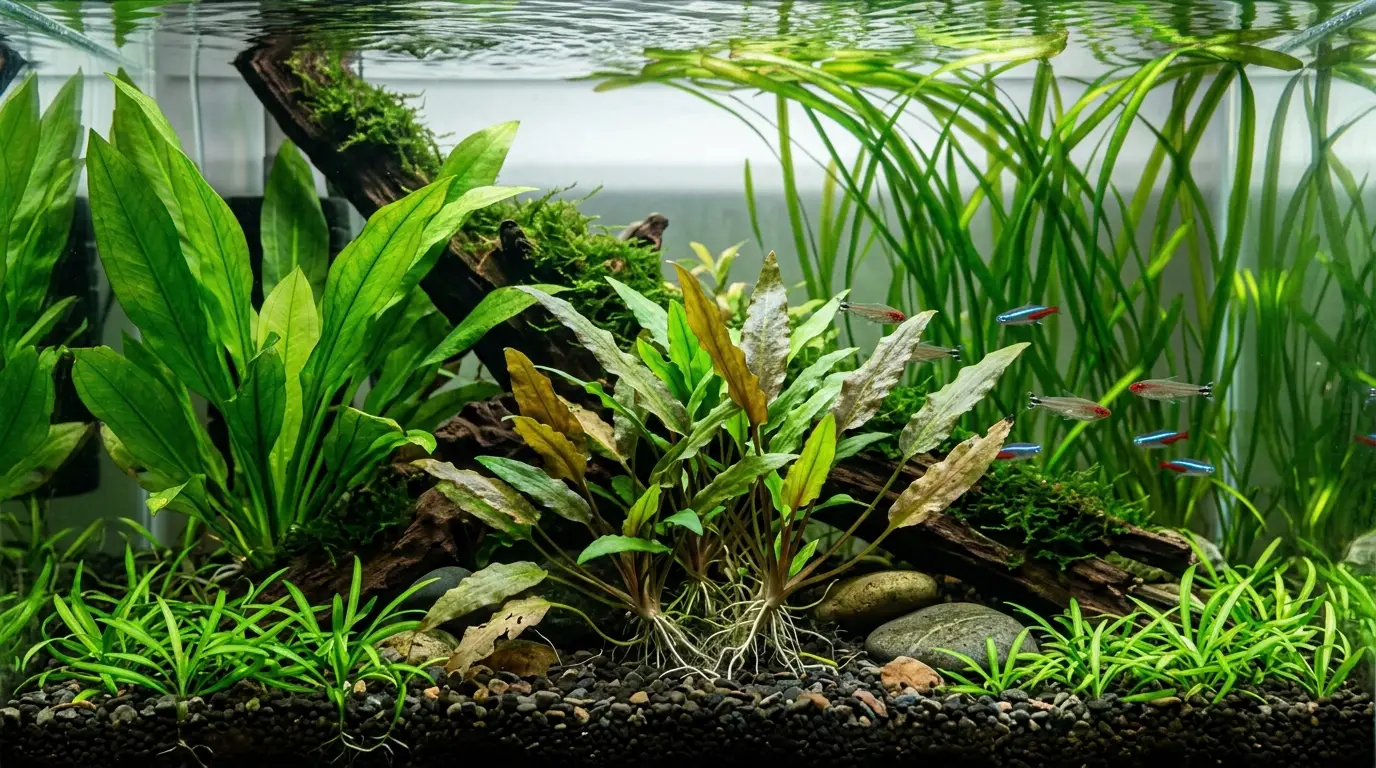
Even the best rooted plants for freshwater aquariums can stumble. Use these fast checks:
- Crypt melt after planting. Leaves dissolve due to change stress. Do not pull rhizomes or crowns. Keep light and nutrients steady. New leaves grow in weeks.
- Pale new growth. Likely iron or micronutrient gaps. Add a trace mix or iron supplement at low dose.
- Pinholes or yellow older leaves. Possible potassium or nitrogen shortfall. Use a balanced fertilizer or more root tabs.
- Algae on leaves. Reduce light by 1 hour. Increase water changes. Add fast growers like wisteria to soak excess nutrients.
- Plants uprooted. Weigh bases with stones. Use larger grain near crowns. Plant deeper and in small groups.
- Stunted swords. Heavy root feeders need tabs. Place two tabs near large crowns for a boost.
One lesson I learned the hard way: burying the crown of swords stops growth. Keep that collar visible. The plant will take off.
Aquascaping With Rooted Plants
Use rooted plants to shape depth and flow:
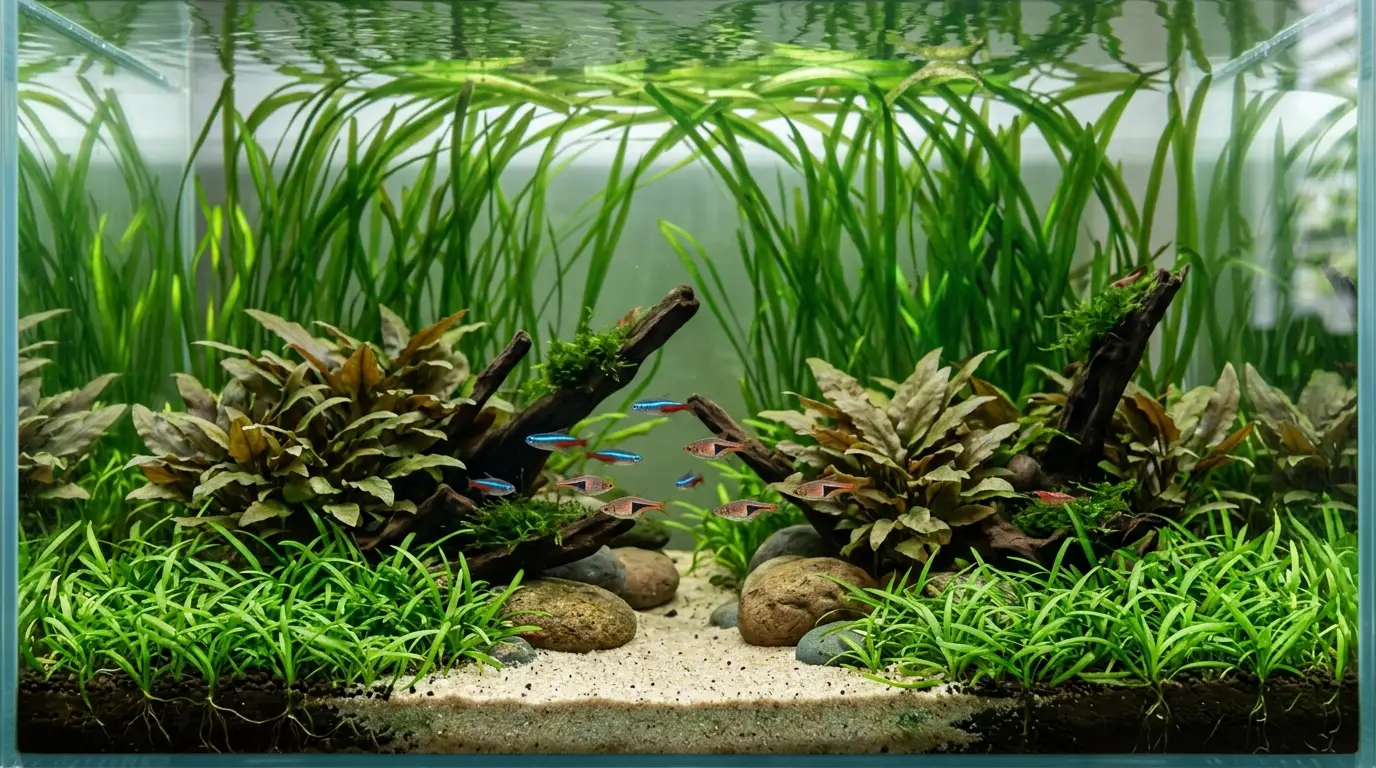
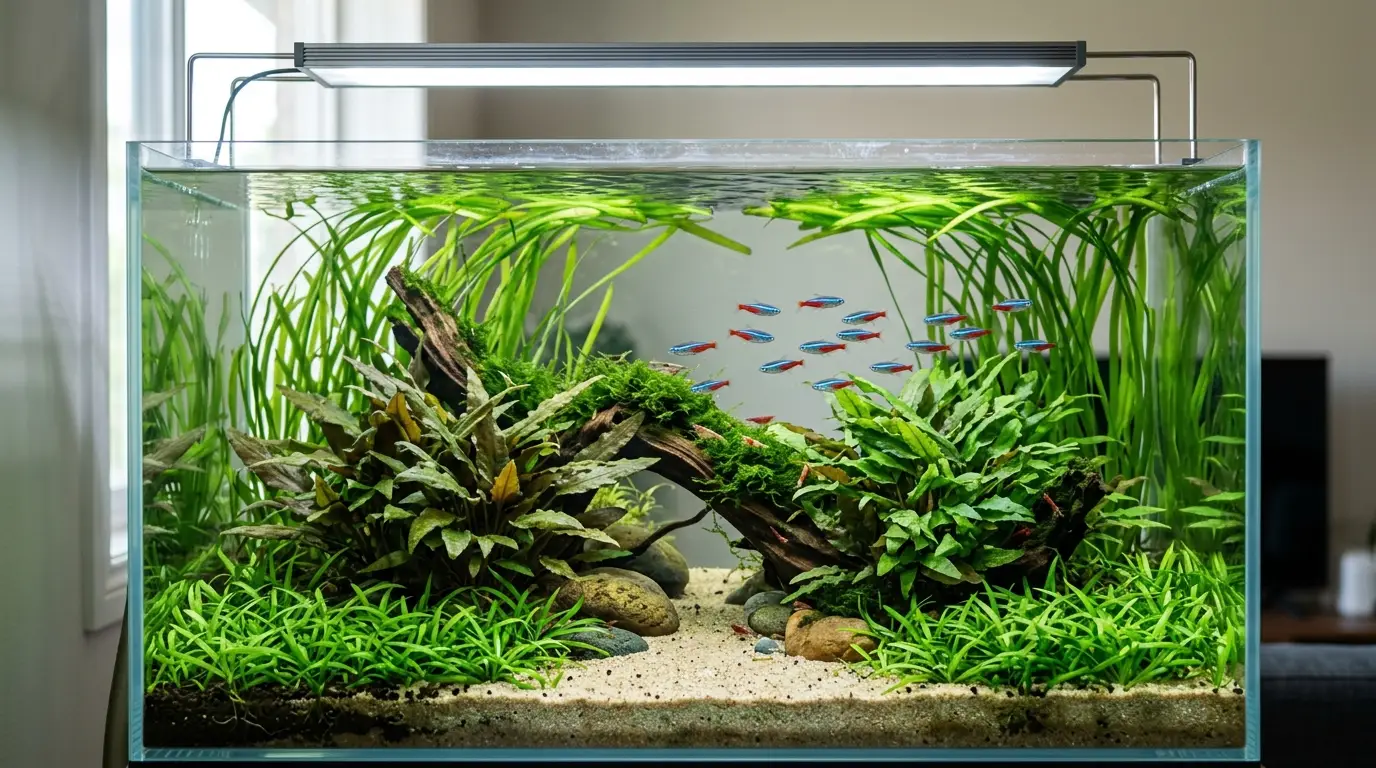
- Foreground. Dwarf sag and pygmy chain sword create soft, green lawns.
- Midground. Crypt wendtii and Bacopa fill gaps and add texture.
- Background. Vallisneria and large swords frame the scape and hide filters.
Layout tips that work in real tanks:
- Triangle composition. Tall Vallisneria on one side, mid crypts in the center, dwarf sag in front.
- Color anchor. Plant Ludwigia repens behind driftwood to pull the eye.
- Open lane. Leave a swimming channel along the front or between islands for fish.
In my 20-gallon long, a simple mix of dwarf sag foreground, crypt midground, and jungle Val background made a lush scene in two months. No CO2, moderate light, and tabs only. That is why I call these the best rooted plants for freshwater aquariums for busy hobbyists.
Frequently Asked Questions
Do I need CO2 for rooted plants?
No. Most rooted plants here grow well without CO2. CO2 helps speed, color, and density, but it is optional in low to medium light.
How deep should I plant Amazon swords?
Bury roots, not the crown. Keep the collar where leaves start just above the substrate so the plant can breathe.
Why did my crypts melt after I planted them?
Crypts often melt when moved. Keep them stable, feed the roots, and wait a few weeks for fresh leaves.
Can I use sand for rooted plants?
Yes, with root tabs. Sand works fine for crypts, dwarf sag, and swords if you feed the roots and avoid compacting.
Which rooted plant is best for beginners?
Start with crypts, dwarf sag, and Vallisneria. They are hardy, cheap, and very forgiving in simple setups.
Conclusion
Rooted plants add life, balance, and beauty to any tank. Choose species that match your light, substrate, and fish, then feed the roots and keep a steady schedule. The best rooted plants for freshwater aquariums reward patience with clean water, bright colors, and a layout that keeps getting better.
Set up your first trio today: crypts for the middle, dwarf sag in front, and Vallisneria in back. Share your results, subscribe for more planted tips, and ask questions so we can grow your scape together.