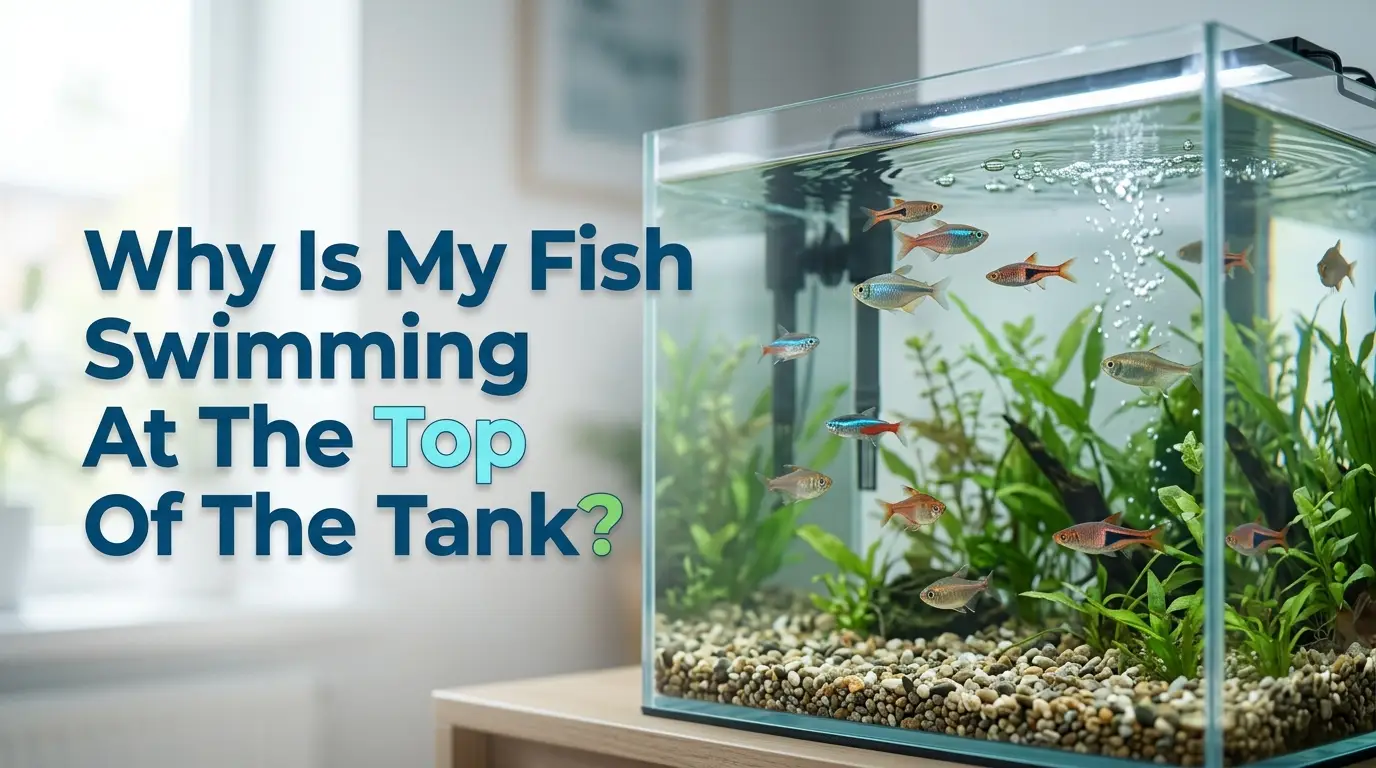
Fish stay at the top for oxygen loss, heat stress, bad water, or illness.
If you have ever asked yourself Why Is My Fish Swimming at the Top of the Tank?, you are not alone. I’ve kept community tanks, bettas, and delicate nanos for years, and I still treat this behavior as a red flag. This guide explains what it means, how to fix it step by step, and how to prevent it for good—so you can stop guessing and keep your fish thriving.
Understanding Why Is My Fish Swimming at the Top of the Tank?
When fish hug the surface, they are often chasing oxygen. Warm water holds less oxygen, and poor surface movement slows gas exchange. That can push even hardy fish to the top.
But this behavior can also signal stress, toxins, or disease. The key is to check your water, watch your fish, and act fast. Keep asking Why Is My Fish Swimming at the Top of the Tank? until you find a clear cause and fix it.
Common Causes and Quick Checks
Most cases come down to one of these:
- Low oxygen Dissolved oxygen drops with heat, crowding, and still water.
- Ammonia or nitrite spikes Even small spikes burn gills and force gasping.
- High temperature Warm water reduces oxygen and speeds metabolism.
- Surface film Oils or biofilm block gas exchange along the top.
- Stressors Noise, overcrowding, bullying, or sudden changes.
- Illness Gill parasites, infections, or swim bladder issues.
- Normal behavior Some species feed or breathe at the top by nature.
If you are wondering Why Is My Fish Swimming at the Top of the Tank?, start with the easy wins. Test water, add aeration, and cool the tank if it is too warm.
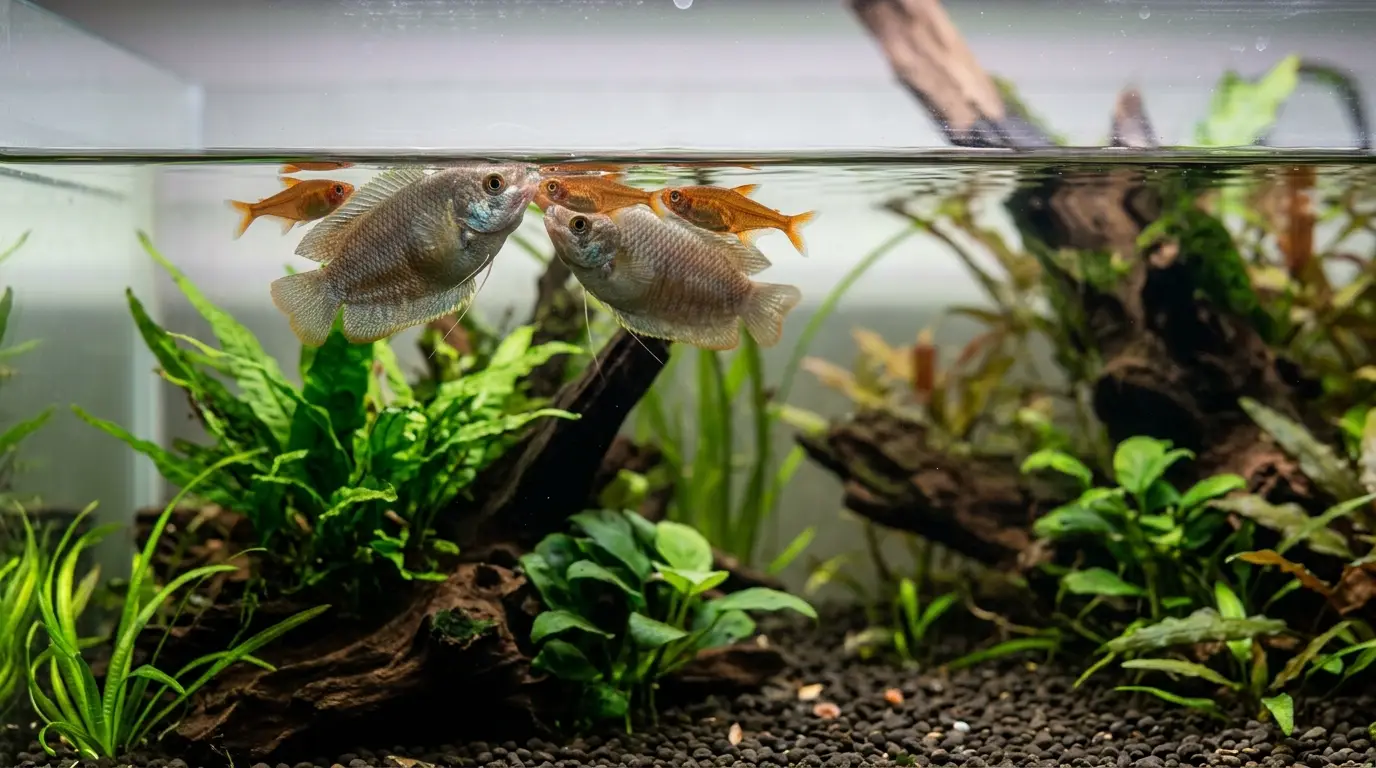
Water Quality: The Usual Suspects
Water quality is the heart of the issue. Research in aquaculture shows that poor water is the top cause of surface gasping.
- Ammonia 0 ppm is the safe goal. Any reading is harmful.
- Nitrite 0 ppm. Even small nitrite levels stress gills.
- Nitrate Keep under 20 to 40 ppm for most tanks.
- pH Stable levels matter more than a “perfect” number.
- Temperature Keep within each species’ safe range.
Use a liquid test kit for accuracy. If any value is off and you think Why Is My Fish Swimming at the Top of the Tank?, do an immediate 30 to 50 percent water change. Add dechlorinator. Then fix the root cause, like overfeeding or filter neglect.
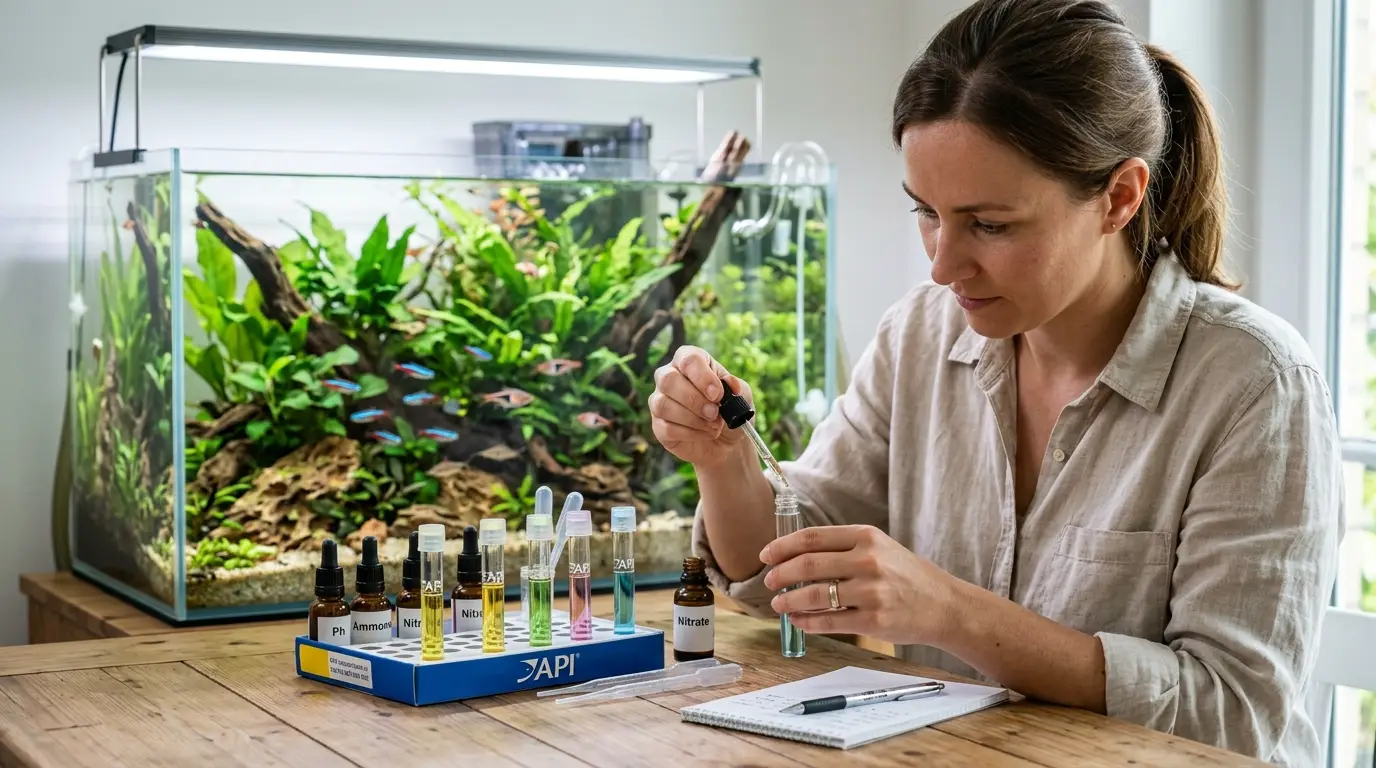
Equipment and Tank Setup
Good gear keeps oxygen high and toxins low.
- Filtration Right size filter for your tank and bioload.
- Aeration Use an airstone or boost surface agitation.
- Flow Aim the filter return to ripple the surface.
- Heat Keep a stable temperature with a reliable heater.
- Maintenance Rinse filter media in tank water, not tap.
Warm water holds less oxygen. If you hear yourself asking Why Is My Fish Swimming at the Top of the Tank? in summer, add a fan across the surface and drop the temp slowly by 1 to 2°F.
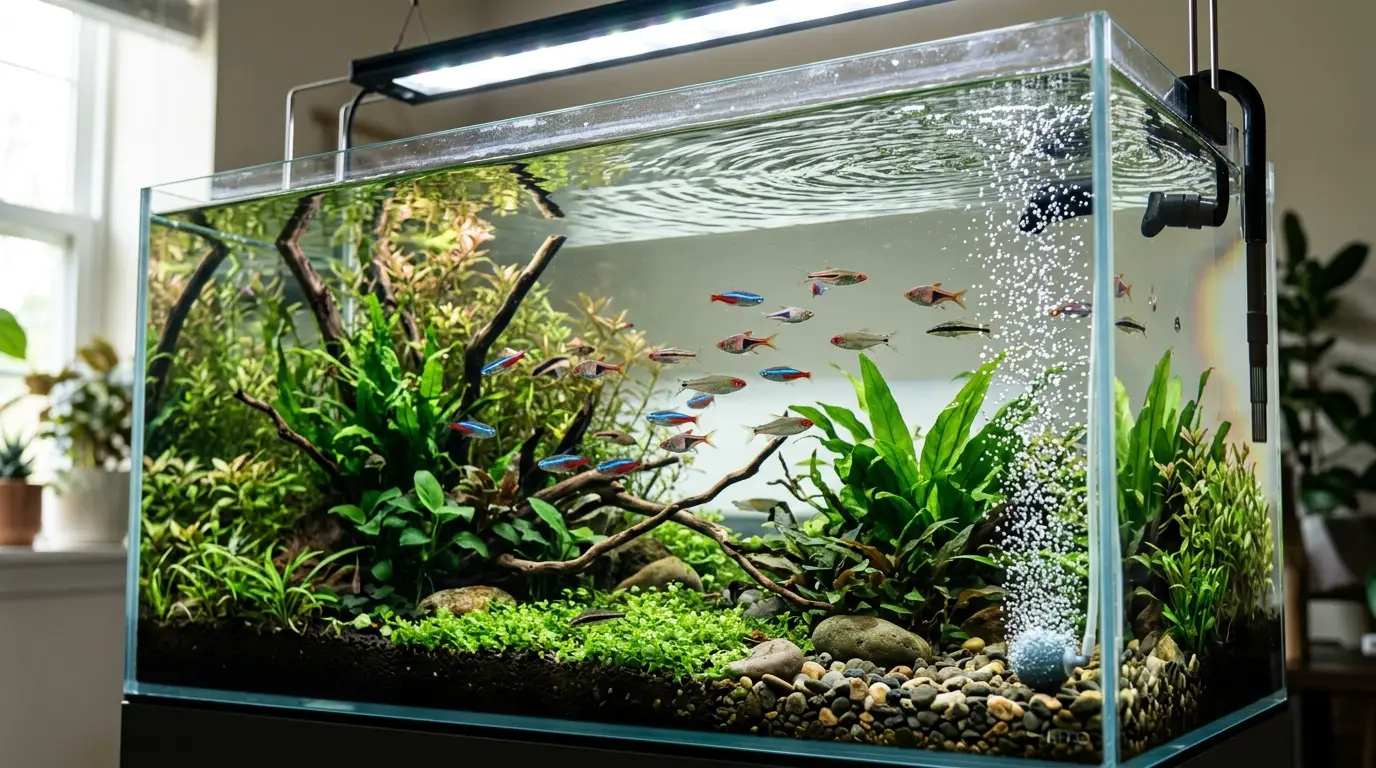
Species Behavior: When Top Swimming Is Normal
Not every fish at the top is in trouble.
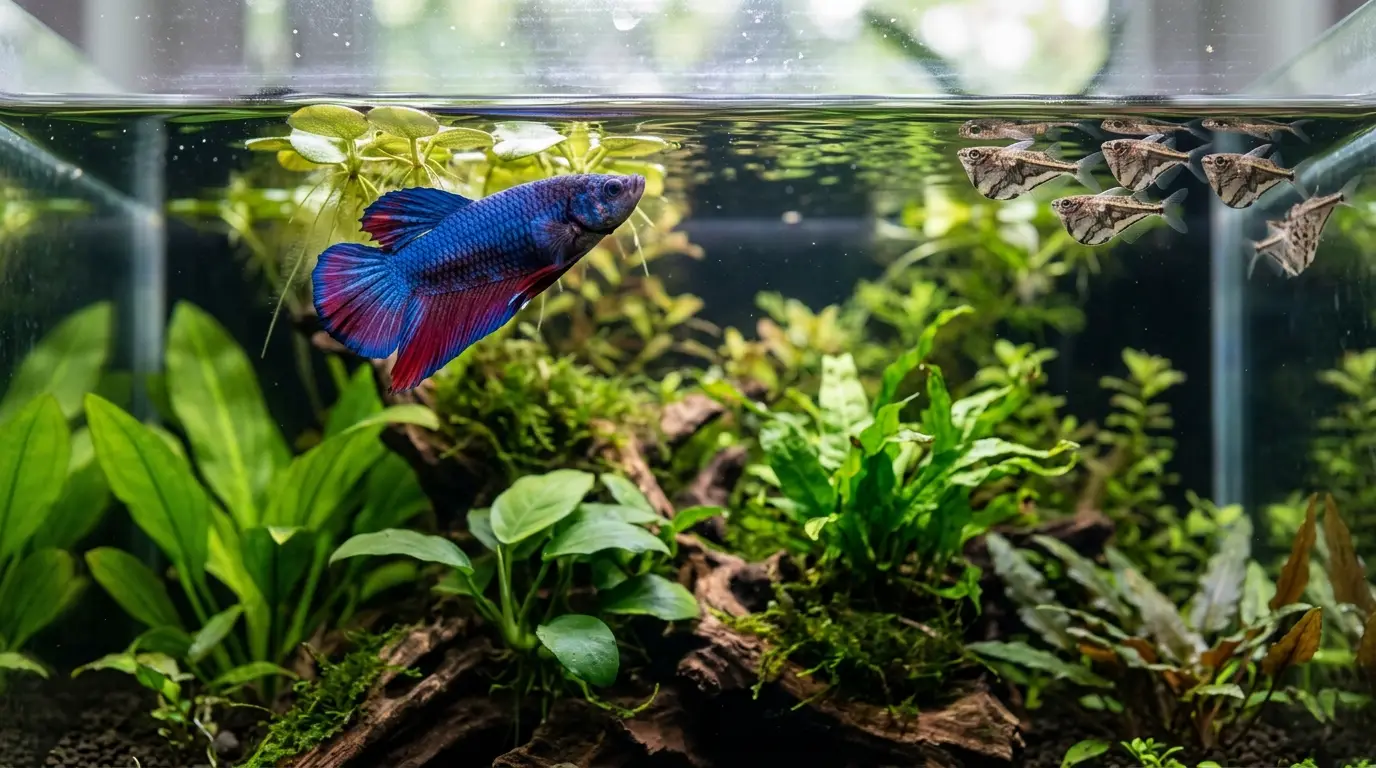
- Bettas and gouramis They have labyrinth organs and often gulp air.
- Livebearers and surface-feeders Guppies, hatchetfish, and halfbeaks prefer the upper zone.
- Active schooling fish Danios and rasboras may surf the current near the top.
Know your species before you panic about Why Is My Fish Swimming at the Top of the Tank?. Normal top cruising looks calm, with smooth breathing and quick returns to mid-water.
Health Issues You Should Not Ignore
Sometimes the surface is a cry for help.
- Gill damage Ammonia, nitrite, or gill flukes lead to rapid breathing.
- Swim bladder trouble Fish float, tilt, or struggle to descend.
- Bacterial or fungal disease Look for clamped fins, sores, or cotton-like growth.
- Chemical exposure Cleaners, paint fumes, or aerosols can poison water.
If you keep asking Why Is My Fish Swimming at the Top of the Tank? and see fast gill movement, labored breaths, or fish listing to one side, act now. Improve oxygen, change water, and consider quarantine. Seek an aquatic vet if symptoms persist.
Step-by-Step Troubleshooting Guide
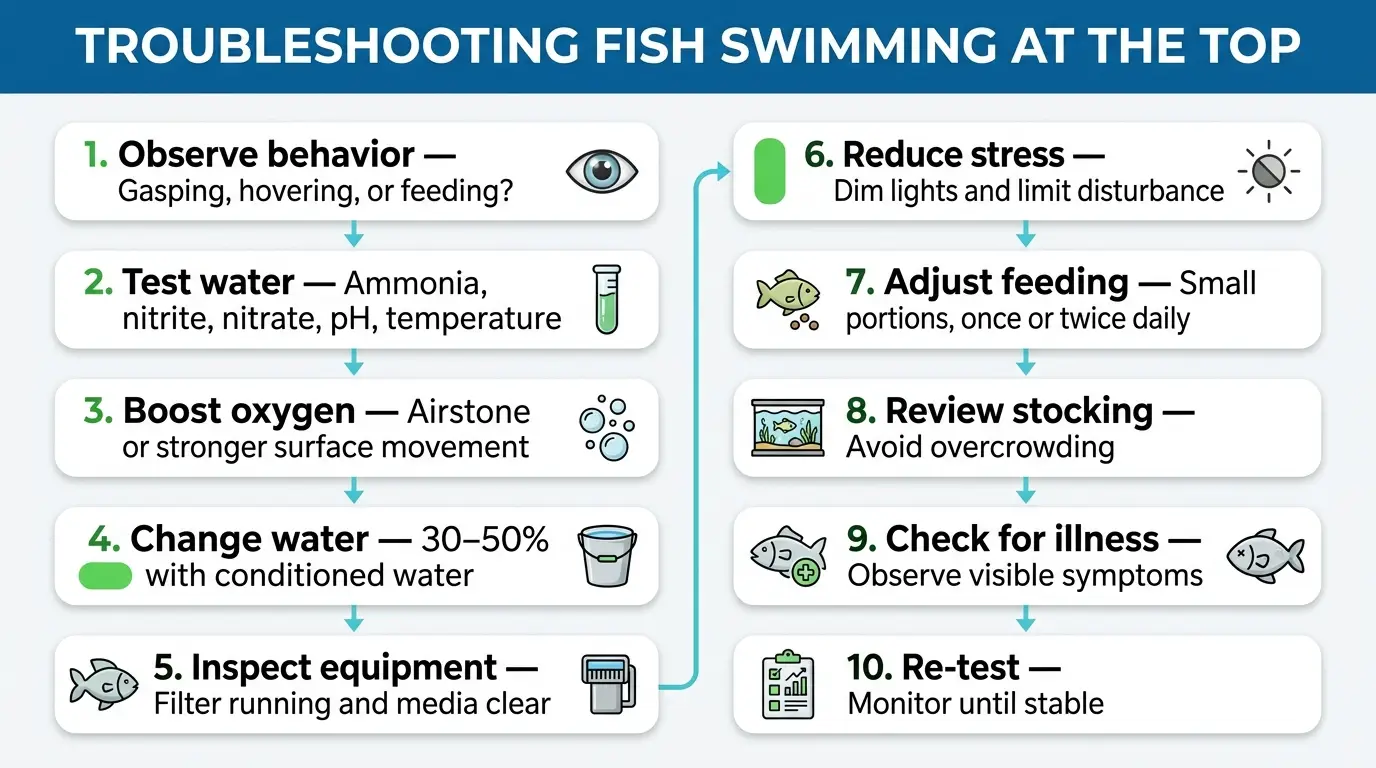
Follow this order when your fish head to the top.
- Observe behavior Is it gasping, hovering, or normal feeding?
- Test water Check ammonia, nitrite, nitrate, pH, and temperature.
- Boost oxygen Add an airstone or raise the filter outflow.
- Do a water change Replace 30 to 50 percent with dechlorinated water.
- Inspect equipment Make sure the filter runs and media is not clogged.
- Reduce stress Dim the lights, stop tapping glass, and pause loud music nearby.
- Adjust feeding Feed small amounts once or twice daily. Remove leftovers.
- Review stocking Do not overcrowd. Upgrade if the tank is too small.
- Check for illness Look for visible signs and isolate if needed.
- Re-test and monitor Repeat tests daily until stable.
I use this flow every time I ask myself Why Is My Fish Swimming at the Top of the Tank?. It fixes most cases within a day when the cause is water or oxygen.
Prevention Routine and Best Practices
A steady routine prevents panic at the surface.
- Weekly maintenance Change 25 to 35 percent of water.
- Smart feeding Keep portions small. Variety helps digestion.
- Filter care Squeeze sponges in old tank water. Keep beneficial bacteria alive.
- Real plants Live plants raise oxygen and cut nitrates during the day.
- Avoid chemicals Keep sprays and candles away from tanks.
- Quarantine new fish Two to four weeks reduces disease risk.
- Stock wisely Research adult size and activity, not just the cute juvenile.
When I got lazy on water changes, I caught myself thinking Why Is My Fish Swimming at the Top of the Tank? again. A strict Saturday routine ended that.
When To Worry and When To See a Vet
Red flags that need fast help:
- Gasping with wide-open mouths and flared gills
- Fish flipping, floating sideways, or sinking
- Burns on fins or gills after an ammonia spike
- No improvement after water changes and aeration
If the question Why Is My Fish Swimming at the Top of the Tank? lingers for more than 24 to 48 hours with no clear cause, contact an aquatic veterinarian. Bring water test results and videos of behavior. That saves time and lives.
Frequently Asked Questions of Why Is My Fish Swimming at the Top of the Tank?
Is it normal for some fish to hang near the surface?
Yes, surface dwellers like hatchetfish, halfbeaks, and bettas prefer the top. As long as breathing is calm and they feed well, it is normal.
How fast should I act if my fish are gasping at the top?
Right away. Increase aeration, test water, and do a 30 to 50 percent water change.
Can high temperature cause fish to stay at the top?
Yes. Warm water holds less oxygen, so fish move higher where gas exchange is best.
Do live plants fix low oxygen at night?
Plants add oxygen in the day but use oxygen at night. Keep surface movement and aeration 24/7.
What water parameters stop top-dwelling due to stress?
Aim for ammonia 0 ppm, nitrite 0 ppm, nitrate under 20 to 40 ppm, and stable pH. Keep temperature in the species’ safe range.
Could my filter be the reason they are at the top?
Yes, if it is clogged, undersized, or not agitating the surface. Clean media gently and increase surface ripple.
Does overfeeding make fish go to the top?
Indirectly. Extra food rots, spikes ammonia, and lowers oxygen, which drives fish up.
Conclusion
Surface swimming sends a clear message. Fix oxygen, test water, and steady your setup. When you act fast and follow a simple routine, fish relax and return to the middle zones.
If you catch yourself asking Why Is My Fish Swimming at the Top of the Tank? again, run the checklist, log your results, and make one change at a time. You have got this. If this helped, share your tank size, stock, and latest test numbers in the comments so we can troubleshoot together.