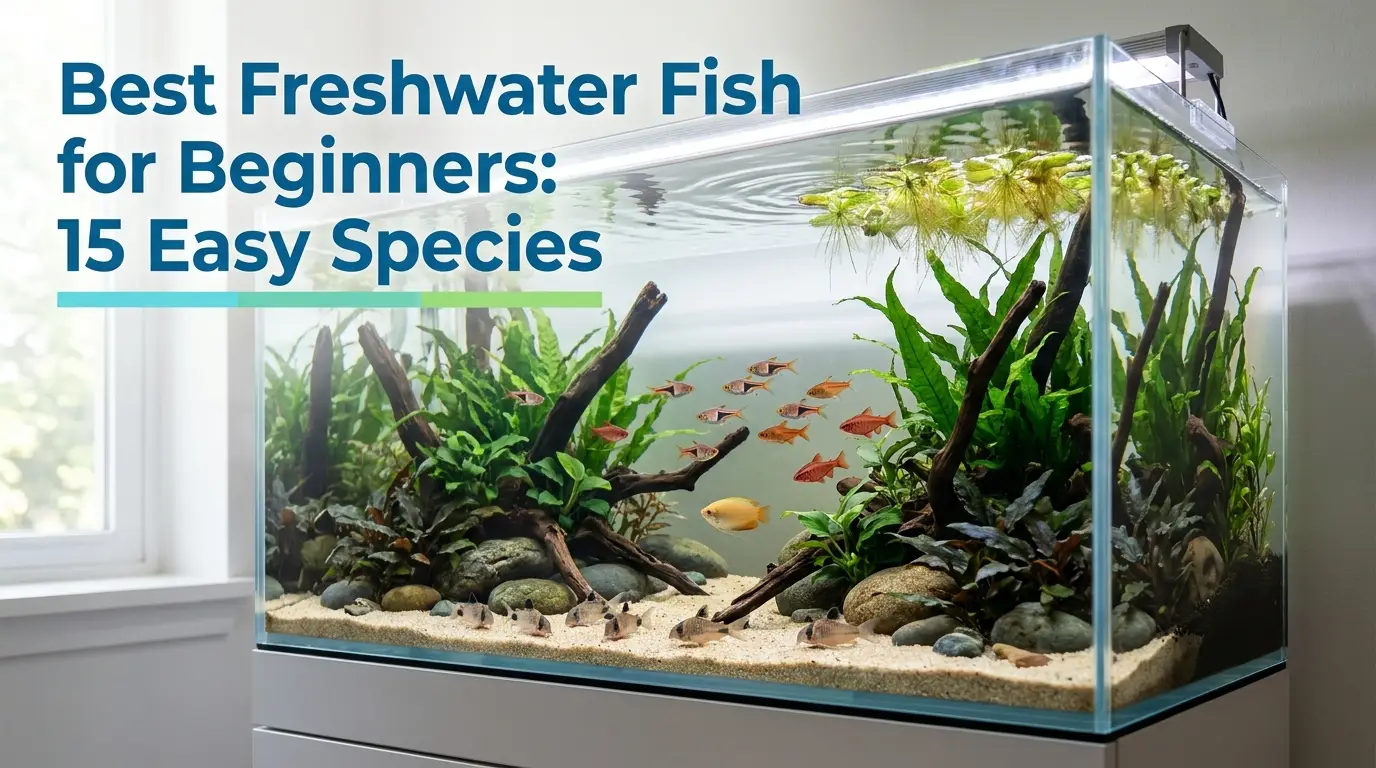
The best freshwater fish for beginners are hardy, peaceful, and low-maintenance species.
You want a tank that looks great and runs smooth. You also want fish that forgive small mistakes. In this guide on Best Freshwater Fish for Beginners: 15 Easy Species, I share proven picks, real tips, and clear steps. I have set up many starter tanks for friends and clients. Let me help you build a calm, colorful community you can enjoy for years.
What Makes a Fish Beginner-Friendly
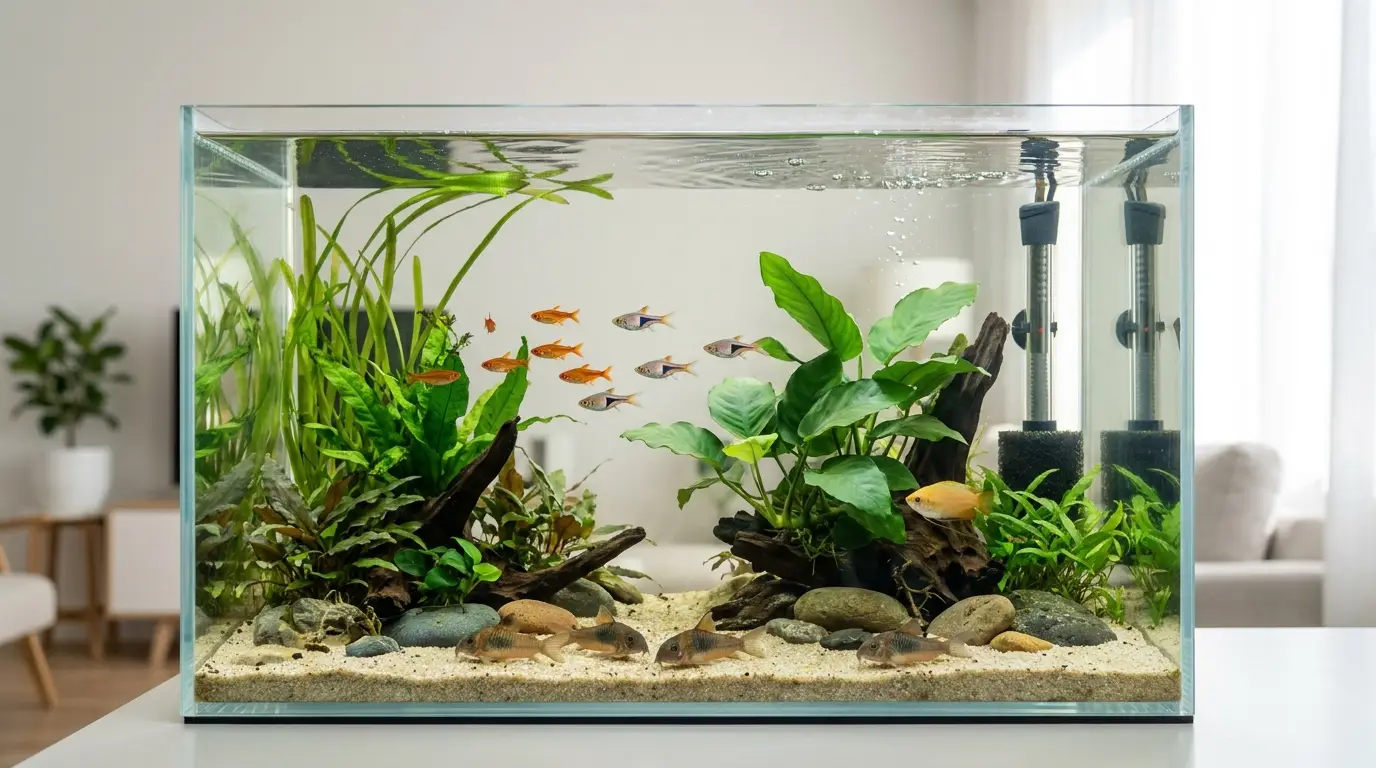
A beginner-friendly fish is hardy, peaceful, and easy to feed. It handles small swings in water. It stays small and does not need a huge tank. It also plays nice in a community.
In my experience, stable water beats fancy gear. A steady heater, a simple filter, and a patient cycle do most of the work. This guide on Best Freshwater Fish for Beginners: 15 Easy Species focuses on species that match that idea.
Look for these traits:
- Hardiness: Tolerates minor shifts in pH, hardness, and temperature.
- Size: Under 4 inches is ideal for small tanks.
- Diet: Eats flakes or pellets without fuss.
- Temperament: Peaceful, not a fin nipper, and not aggressive.
- Availability: Common, captive-bred stock from local stores or breeders.
Essential Tank Setup and Water Basics
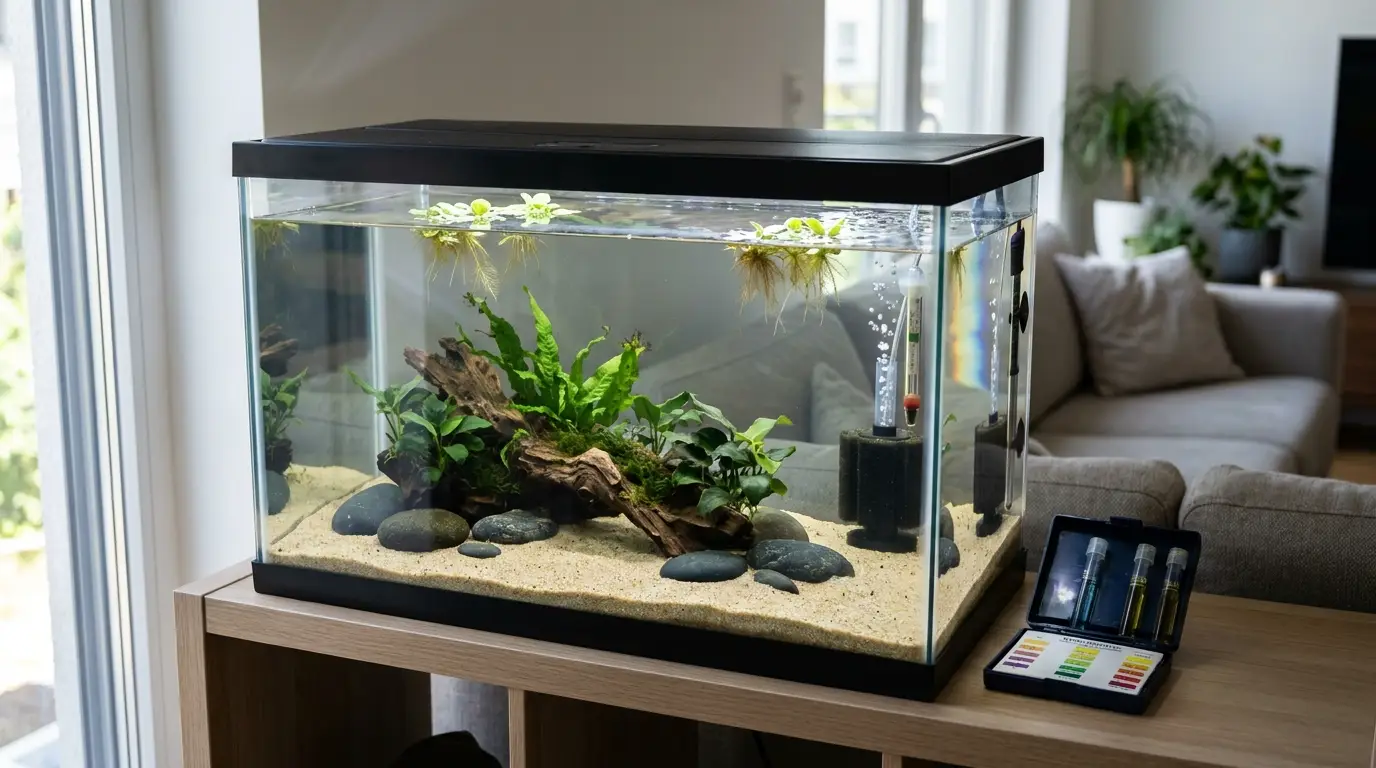
A freshwater tank is an ecosystem. Your job is to keep it steady and clean. Set it up once, then keep a simple routine.
Key steps:
- Cycle the tank first. Use a water test kit. Keep ammonia and nitrite at 0 ppm. Keep nitrate under 20–40 ppm.
- Heat the water. Most tropical fish like 74–78°F. White clouds and zebra danios do well cooler.
- Use a gentle filter. Sponge filters are cheap, safe, and easy to clean.
- Dechlorinate tap water. Always treat new water before adding it.
- Add live plants if you can. They help with nitrate and calm shy fish.
Water targets for most community setups:
- pH: 6.5–7.8
- Hardness: 4–15 dGH
- Temperature: 74–78°F for most tropical fish
In my first 20-gallon tank, I tried to fix problems with gadgets. It only got better when I slowed down. Weekly water changes and testing worked best. That same simple plan supports the picks in Best Freshwater Fish for Beginners: 15 Easy Species.
Best Freshwater Fish for Beginners: 15 Easy Species
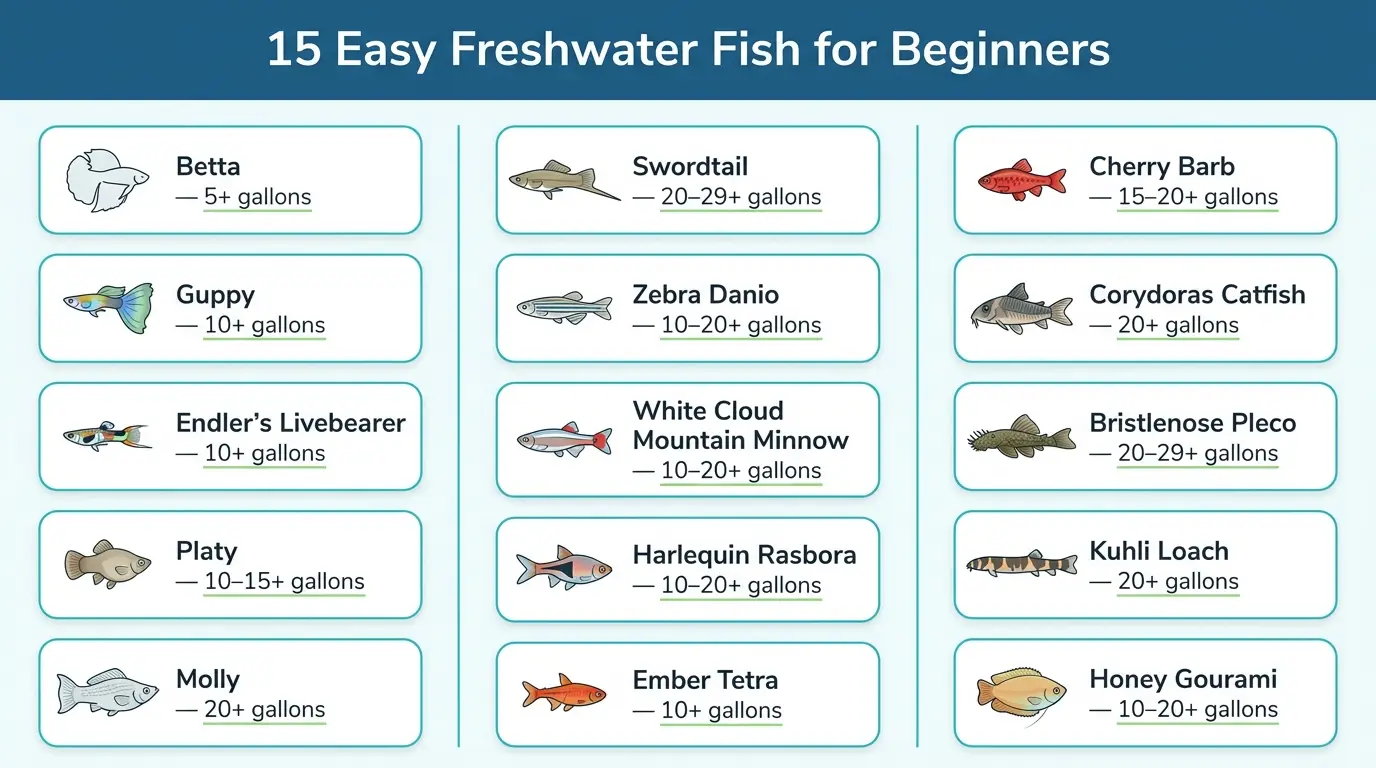
Below are 15 hardy species I trust for a first tank. I list size, tank size, and care notes. Always stock slowly and watch behavior.
1) Betta (Betta splendens)
- Size: 2.5–3 inches
- Tank: 5+ gallons, heated, with a lid
- Temperament: Solitary males. No fin-nippers. Peaceful shrimp may be risky.
- Notes: Low flow filter is best. Add plants and hides. Feed a betta pellet and frozen foods.
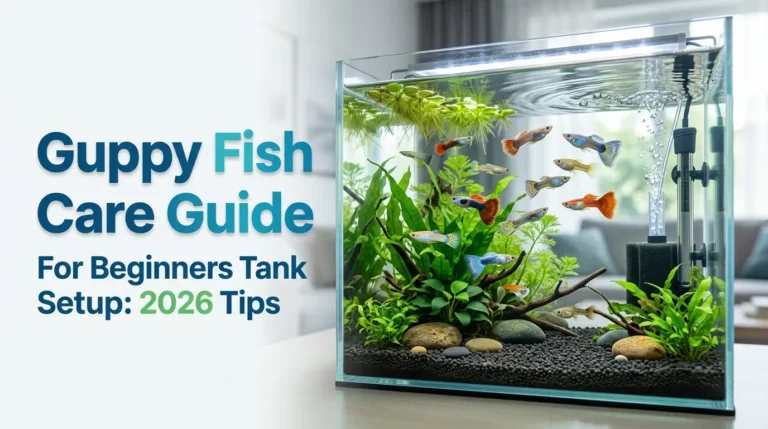
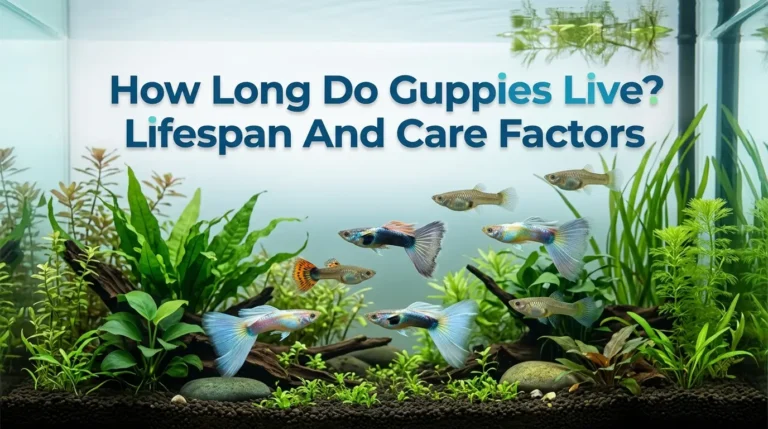
2) Guppy (Poecilia reticulata)
- Size: 1.5–2 inches
- Tank: 10+ gallons
* Temperament: Peaceful. Active. - Notes: Livebearers breed fast. Keep more females than males. Enjoy bright color strains.
3) Endler’s Livebearer (Poecilia wingei)
- Size: 1–1.5 inches
- Tank: 10+ gallons
- Temperament: Peaceful and very hardy
- Notes: Great for small tanks. Bold colors. Easy to feed and breed.
4) Platy (Xiphophorus maculatus)
- Size: 2–2.5 inches
- Tank: 10–15+ gallons
- Temperament: Peaceful, social
- Notes: Likes harder water. Many colors. Handle small pH swings well.
5) Molly (Poecilia sphenops)
- Size: 3–4 inches
- Tank: 20+ gallons
- Temperament: Peaceful
- Notes: Likes hard, alkaline water. Eats algae and flakes. Needs clean water and steady heat.
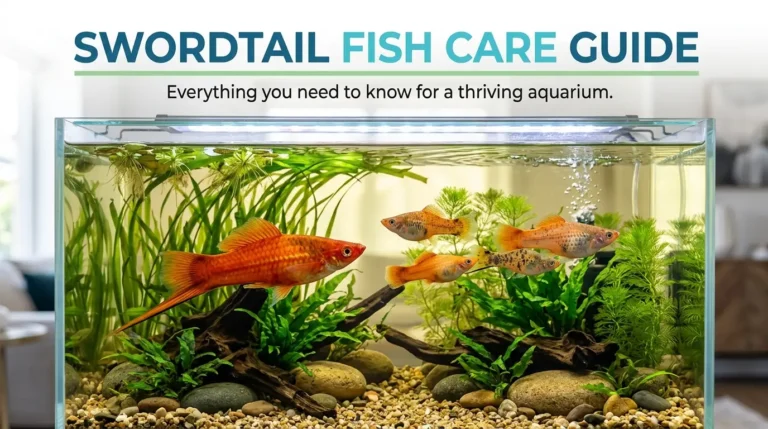
6) Swordtail (Xiphophorus hellerii)
- Size: 4–5 inches
- Tank: 20–29+ gallons
- Temperament: Peaceful, active swimmers
- Notes: Males have a long sword tail. Give space and lid. Great with live plants.
7) Zebra Danio (Danio rerio)
- Size: 2 inches
- Tank: 10–20+ gallons
- Temperament: Peaceful, fast, needs a group of 6+
- Notes: Very hardy. Cool to mid-70s temp. Great starter schooler.
8) White Cloud Mountain Minnow (Tanichthys albonubes)
- Size: 1.5 inches
- Tank: 10–20+ gallons
- Temperament: Peaceful, keeps to the top and middle
- Notes: Cool water friendly (65–72°F). Add a group of 8–10 for best color.
9) Harlequin Rasbora (Trigonostigma heteromorpha)
- Size: 1.75–2 inches
- Tank: 10–20+ gallons
- Temperament: Peaceful, schooling
- Notes: Keep 8–12. Warm, soft to moderate water. Great with cory catfish.
10) Ember Tetra (Hyphessobrycon amandae)
- Size: 0.8 inch
- Tank: 10+ gallons
- Temperament: Peaceful nano schooler
- Notes: Keep 10–15. Looks great over dark substrate and plants.
11) Cherry Barb (Puntius titteya)
- Size: 2 inches
- Tank: 15–20+ gallons
- Temperament: Peaceful, semi-active
- Notes: Keep 8–10. Males turn deep red. Not a fin nipper when kept in groups.
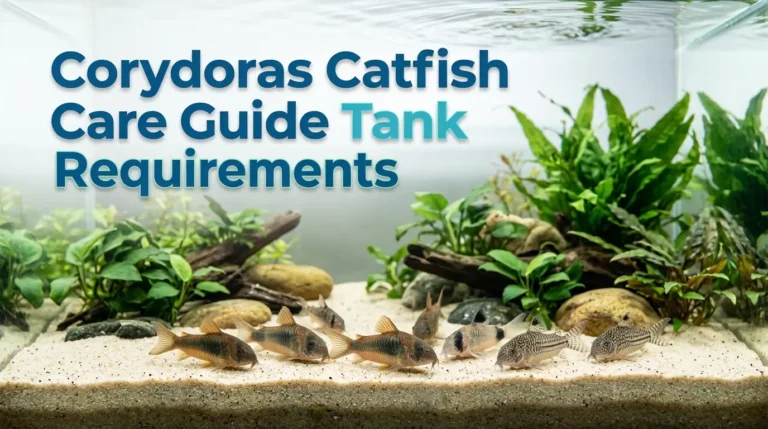
12) Corydoras Catfish (Corydoras aeneus, paleatus)
- Size: 2–2.5 inches
- Tank: 20+ gallons
- Temperament: Peaceful bottom group
- Notes: Keep 6+. Soft sand or smooth gravel. Eats sinking pellets. Great clean-up crew.
13) Bristlenose Pleco (Ancistrus sp.)
- Size: 4–5 inches
- Tank: 20–29+ gallons
- Temperament: Peaceful, bottom dweller
- Notes: Eats algae, needs driftwood and veggies. Far better than common pleco for small tanks.
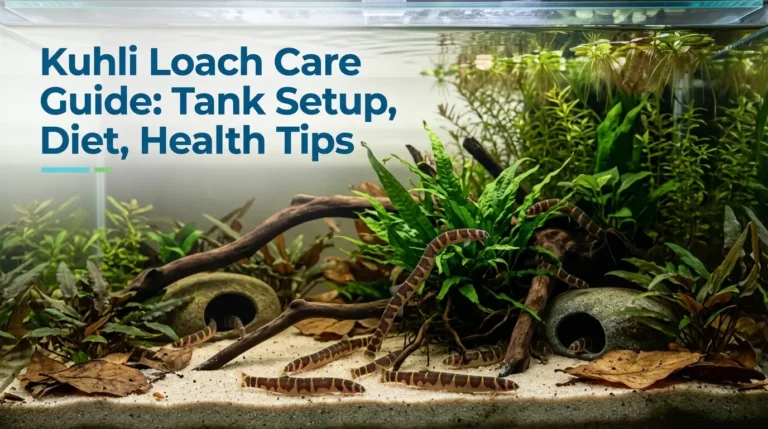
14) Kuhli Loach (Pangio spp.)
- Size: 3–4 inches
- Tank: 20+ gallons
- Temperament: Shy, peaceful
- Notes: Keep 6+. Sand, tight lids, and hides are vital. Feed after lights out.
15) Honey Gourami (Trichogaster chuna)
- Size: 2 inches
- Tank: 10–20+ gallons
- Temperament: Gentle centerpiece fish
- Notes: More robust than dwarf gourami. Calm flow. Pairs well with rasboras and corys.
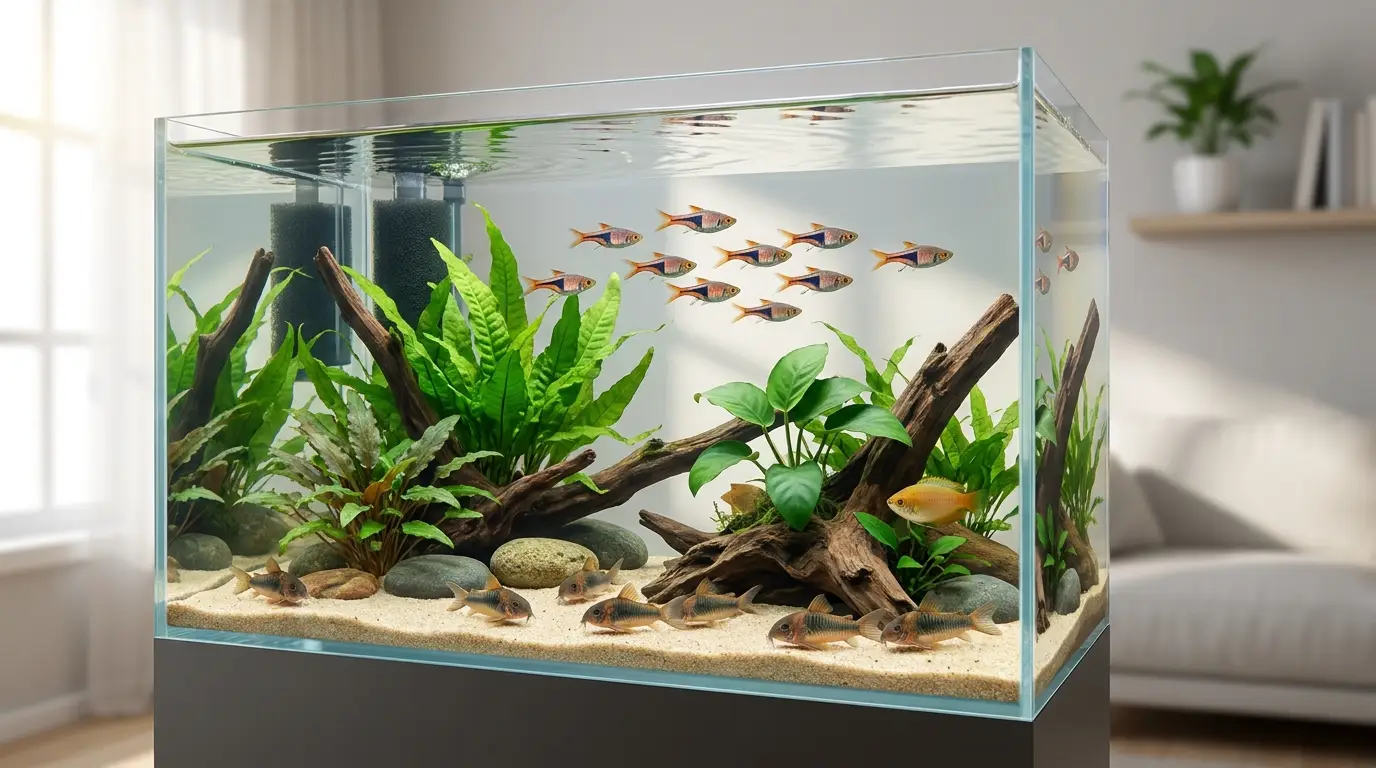
Pro tip from real tanks: Pick one “centerpiece” fish, add one mid-water school, then add a bottom group. That mix looks full and stays calm. It also fits the spirit of Best Freshwater Fish for Beginners: 15 Easy Species.
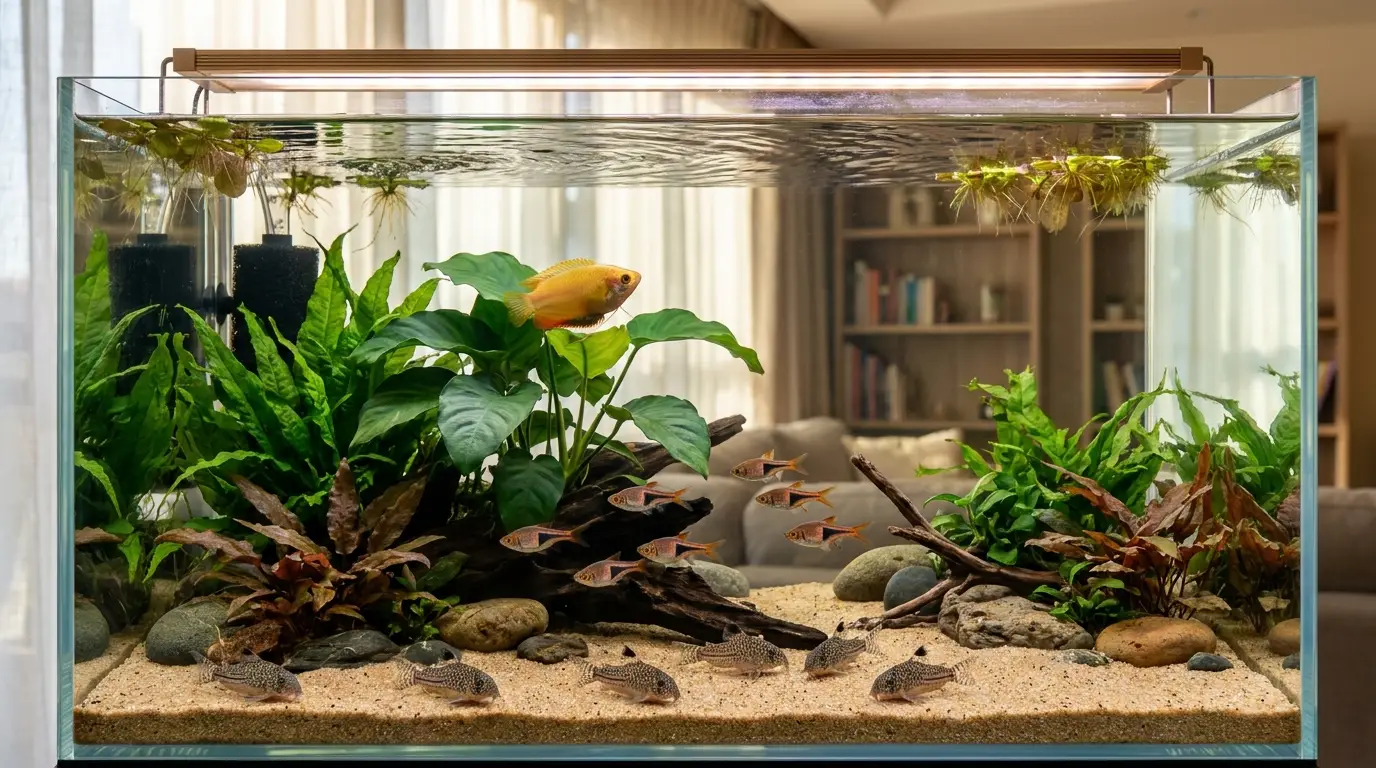
Safe Starter Stocking Plans by Tank Size
Use these sample plans as a guide. Always cycle first. Add fish in stages over weeks, not days. This keeps stress low and filters stable. Following Best Freshwater Fish for Beginners: 15 Easy Species, here are easy, tested mixes.
10-gallon plans:
- Betta solo tank: 1 male betta, 1 nerite snail, plants.
- Nano school: 10 ember tetras, 1 small group of cherry shrimp, plants.
- Livebearer color: 1 male + 3 female endlers, 1 nerite snail, plants.
20-gallon plans:
- Calm community: 10 harlequin rasboras, 6 corydoras, 1 honey gourami.
- Cold-tolerant school: 10 white clouds, 6 zebra danios, easy plants.
- Family tank: 6 platies, 6 corydoras, floating plants.
29-gallon plans:
- Active mix: 12 cherry barbs, 8 zebra danios, 1 bristlenose pleco.
- Livebearer garden: 8 guppies, 6 endlers, 6 corydoras, 1 honey gourami.
Common Mistakes Beginners Should Avoid
Avoid these traps. They cause most early problems I see.
- Skipping the cycle: Use a test kit. Wait for ammonia and nitrite to read 0.
- Overstocking: Fish need space. Understock and enjoy easy care.
- Mixing poor fits: Long-finned bettas with fin nippers is a bad match.
- Overfeeding: Small meals once or twice a day. Remove leftovers.
- Cleaning the filter wrong: Squeeze media in tank water, not tap water.
- Buying sick fish: Look for clear eyes, smooth breathing, and full fins.
The picks in Best Freshwater Fish for Beginners: 15 Easy Species forgive small slips. Still, good habits keep fish healthy and bright.
Routine Care and Troubleshooting
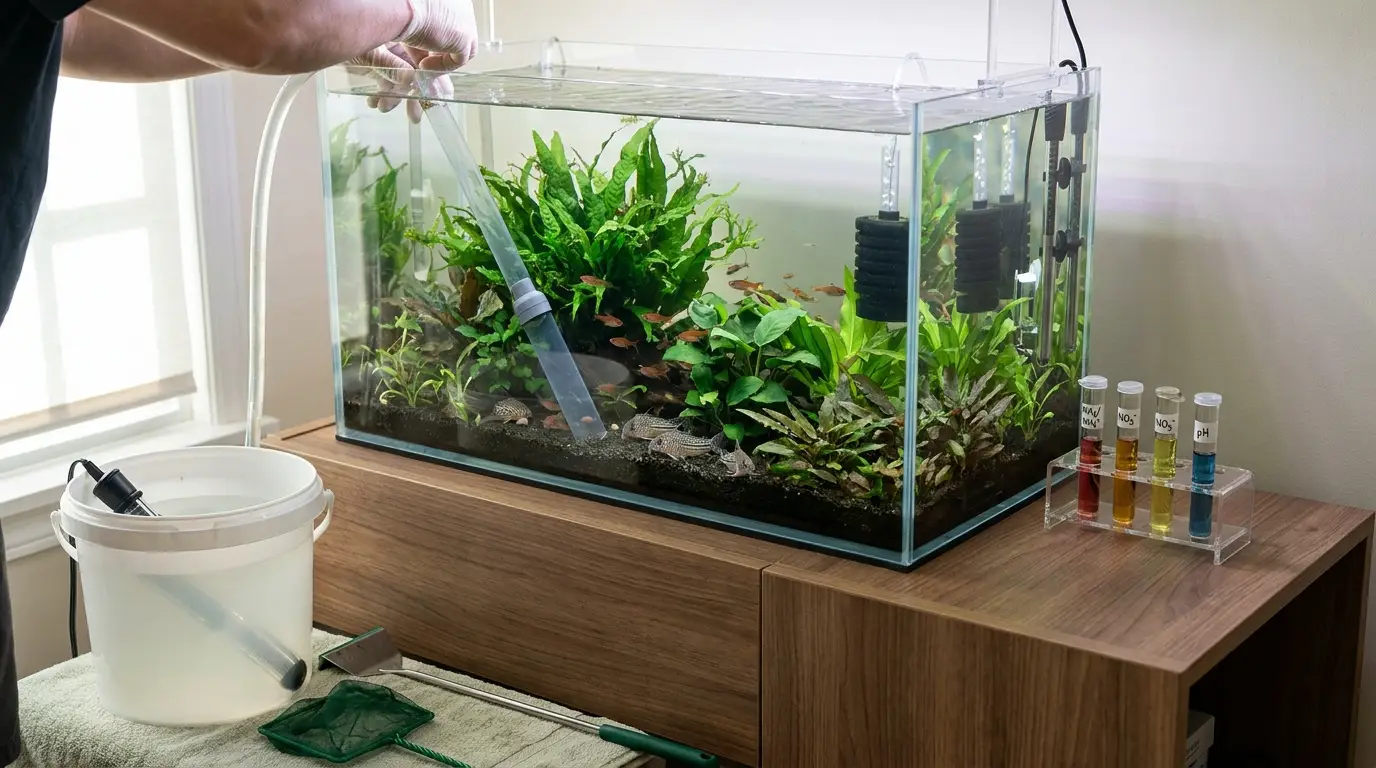
A simple routine wins. I follow this in every client tank.
Weekly:
- Test water. Aim for ammonia and nitrite at 0. Nitrate under 20–40 ppm.
- Change 25–40% of the water. Use dechlorinator.
- Vacuum the substrate. Wipe algae from glass.
Monthly:
- Rinse filter media in old tank water.
- Trim plants. Check heater and thermometer.
If fish gasp, clamp fins, or hide all day, test first. Poor water is the cause most times. Fix basics before adding meds. This mindset is a core lesson behind Best Freshwater Fish for Beginners: 15 Easy Species.
Budget and Sourcing Tips
You can set up a smooth, pretty tank on a fair budget.
- Buy used tanks and stands. Check silicone seams.
- Choose a sponge filter and a solid heater. Save money, gain reliability.
- Pick captive-bred fish. They ship better and adapt faster.
- Avoid dyed or “painted” fish. They have health risks.
- Shop with a plan. Ask the store to feed the fish. Look for alert, active groups.
Local clubs and swaps are great. You meet keepers with years of hands-on skill. Their advice often mirrors what you read here in Best Freshwater Fish for Beginners: 15 Easy Species.
Frequently Asked Questions of Best Freshwater Fish for Beginners: 15 Easy Species
What size tank should a beginner start with?
A 20-gallon tank is the sweet spot. It is stable, affordable, and fits many easy fish.
How often should I do water changes?
Do a 25–40% water change once a week. Treat tap water and match temperature.
Can I keep a betta with other fish?
Yes, but choose calm tankmates and avoid fin nippers. A 10–20-gallon tank helps.
How do I know my tank is cycled?
Ammonia and nitrite read 0 ppm for a full week after feeding. Nitrate should be present but controlled.
Are live plants required?
Not required, but they help with water quality and stress. Start with hardy plants like Java fern and Anubias.
How many fish can I add at once?
Add small groups over weeks, not all at once. This lets the filter grow with the load.
What’s the easiest bottom feeder for beginners?
Corydoras are peaceful and hardy. Keep a group of six or more for best behavior.
Do I need a heater for all these fish?
Most tropical species need a heater. White clouds and zebra danios are fine cooler.
Conclusion
You can build a calm, colorful tank with a few smart choices. Pick hardy species, stock in stages, and keep a steady routine. The plan in Best Freshwater Fish for Beginners: 15 Easy Species gives you a clear, safe path.
Start small, stay patient, and enjoy the process. Set up your first mix, test weekly, and watch your fish thrive. Want more help? Subscribe for new stocking ideas, ask a question in the comments, or share your first tank photo.