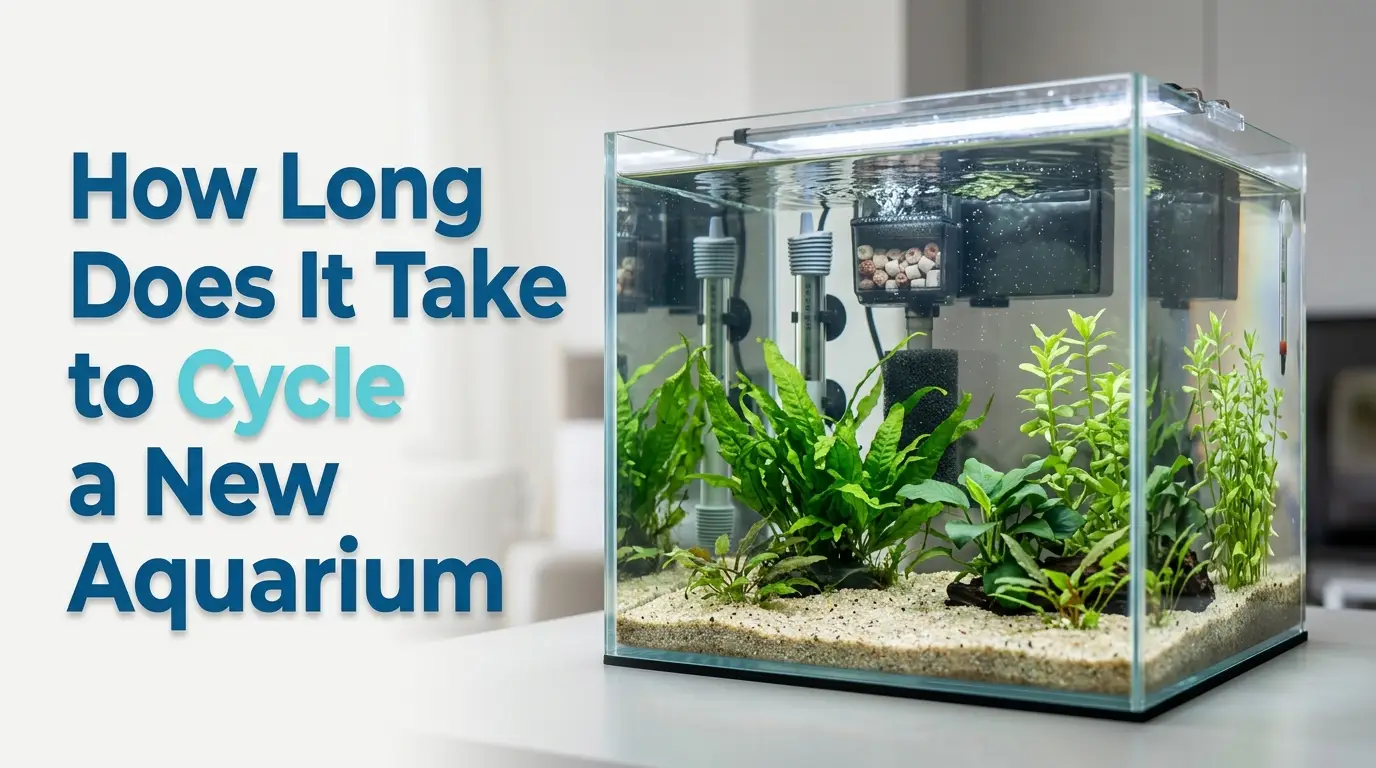
Most new tanks need 4–6 weeks to cycle, sometimes 8+ with hiccups.
If you want fish that thrive, you need a stable biofilter. That is what this guide delivers. I’ll break down How Long Does It Take to Cycle a New Aquarium with clear steps, real timelines, science-backed tips, and hard-won lessons from years of setting up tanks for clients and my own home setups. Stick with me, and by the end, you will know exactly how to cycle fast, test right, and avoid costly mistakes.
What Is the Aquarium Cycle and Why It Matters
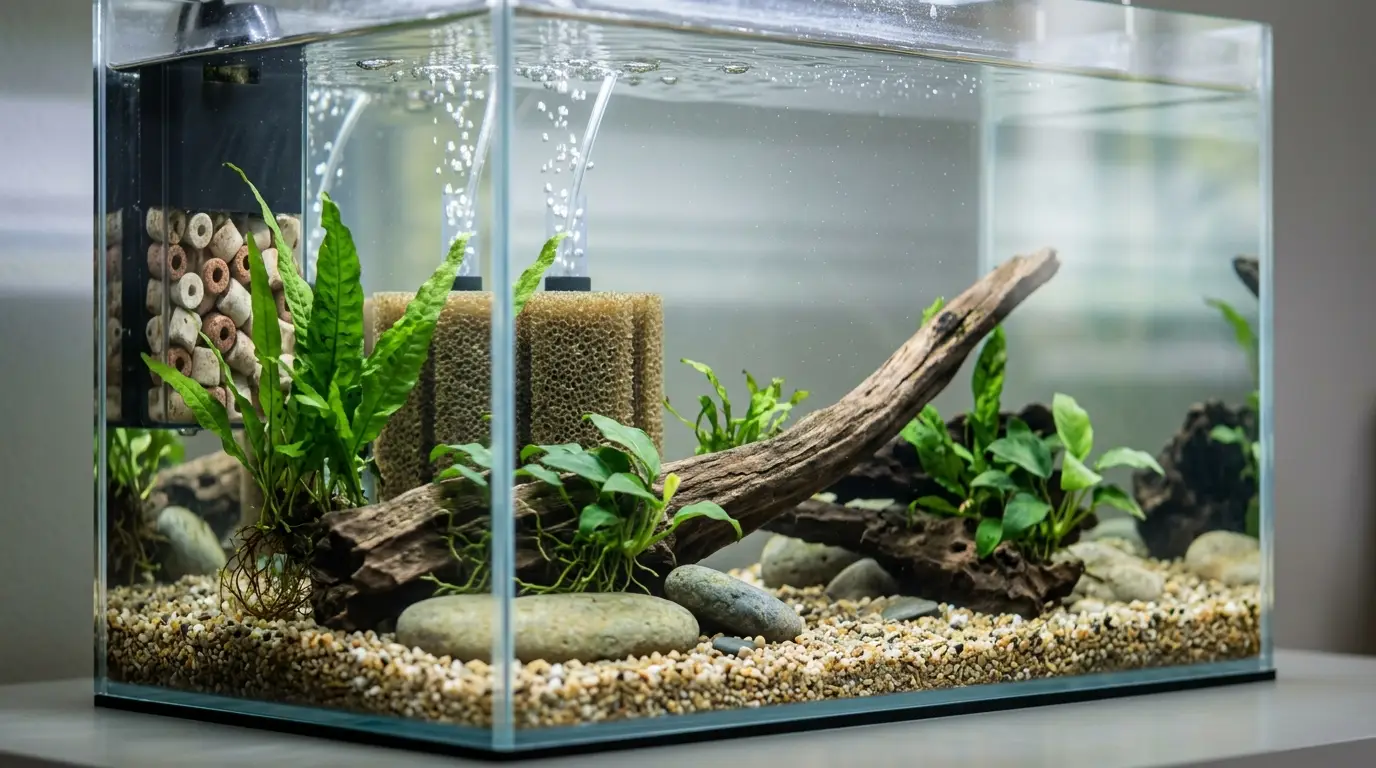
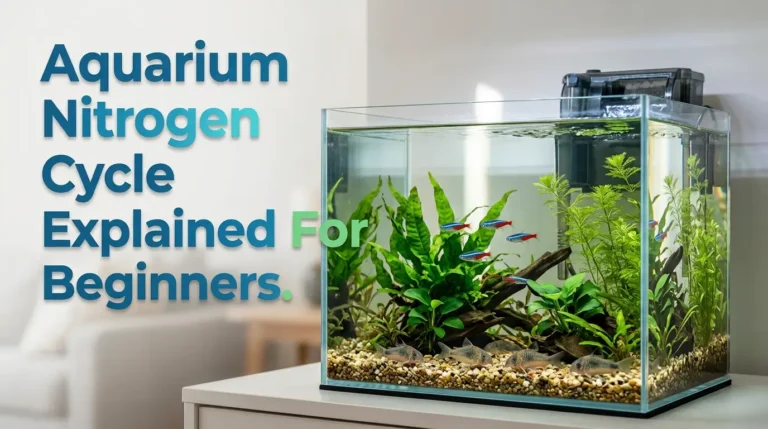
Cycling is the process that grows your tank’s good bacteria. These tiny workers turn toxic ammonia into safer forms. First, ammonia from fish waste and food turns into nitrite. Then nitrite turns into nitrate. Ammonia and nitrite are very toxic. Nitrate is far less harmful and easy to remove with water changes.
These bacteria live on surfaces. Think filter media, gravel, and decor. The main groups are ammonia-oxidizers, often Nitrosomonas and Nitrosospira, and nitrite-oxidizers, mainly Nitrospira in most aquariums. They need oxygen and time to grow. They do not grow fast. That is why patience wins.
Before we answer How Long Does It Take to Cycle a New Aquarium, you need this base idea. When the biofilter can process the waste your fish produce every day, your tank is cycled.
How Long Does It Take? Realistic Timelines and Key Factors
The big question is How Long Does It Take to Cycle a New Aquarium for most setups? The honest range is 2 to 8 weeks. The most common result is 4 to 6 weeks. Fast cycles under 2 weeks happen when you seed the filter with mature media and keep ideal water. Slower cycles over 8 weeks happen when pH is low, the tank is cold, or you do not feed the bacteria well.
Here are the key factors that change the clock:
- Starting bacteria. Seeded media, live rock, or bottled nitrifiers can cut weeks.
- Temperature. Warm water speeds growth. Aim for 77–82°F for most freshwater cycling.
- pH and KH. Nitrifiers slow when pH dips under 6.6. Stable KH helps hold pH.
- Oxygen flow. Strong aeration helps. These bacteria are heavy oxygen users.
- Ammonia source and level. Keep around 1–2 ppm when cycling fishless. Too high stalls growth.
- Dechlorination. Chlorine and chloramine kill bacteria. Always treat tap water.
Typical timelines you can expect:
- Seeded filter media: 7–14 days if you feed correctly.
- Bottled nitrifiers plus ammonia: 10–21 days with steady testing.
- Fishless with pure ammonia, no seeding: 4–6 weeks.
- Fish-in cycling with light stocking: 6–8 weeks with careful water changes.
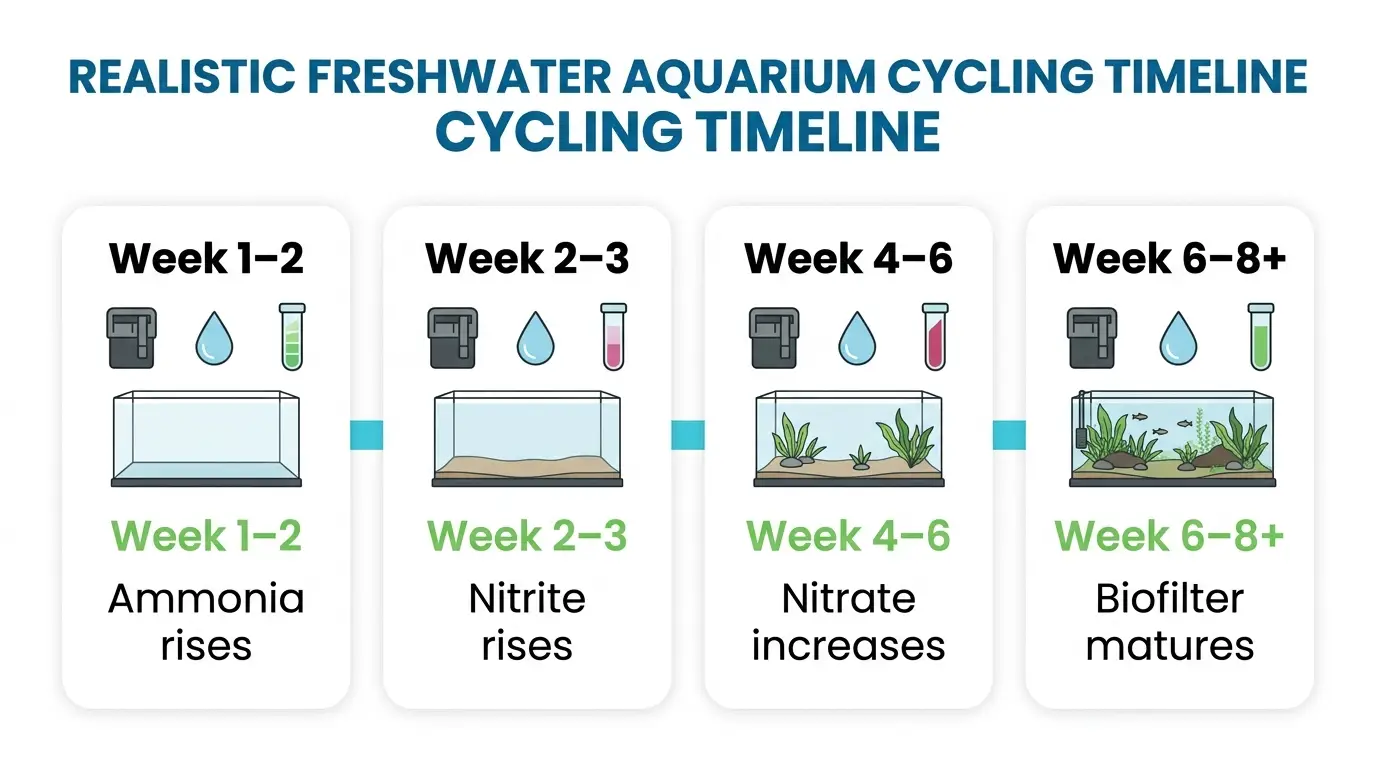
You will see three phases on test kits:
- Ammonia spikes first.
- Nitrite spikes next.
- Nitrate rises last and stays until you do water changes.
How Long Does It Take to Cycle a New Aquarium depends on how you stack those factors in your favor.
Methods to Cycle a New Tank (Safe and Fast)
There are a few proven paths. Pick one and run it well.
Fishless cycling with pure ammonia
- Dose unscented household ammonia to 2 ppm.
- Keep temp warm and filter running with strong aeration.
- Test daily. Redose to 1–2 ppm once ammonia and nitrite read near zero in 24 hours.
- When 2 ppm clears to nitrate within a day, the tank is cycled.
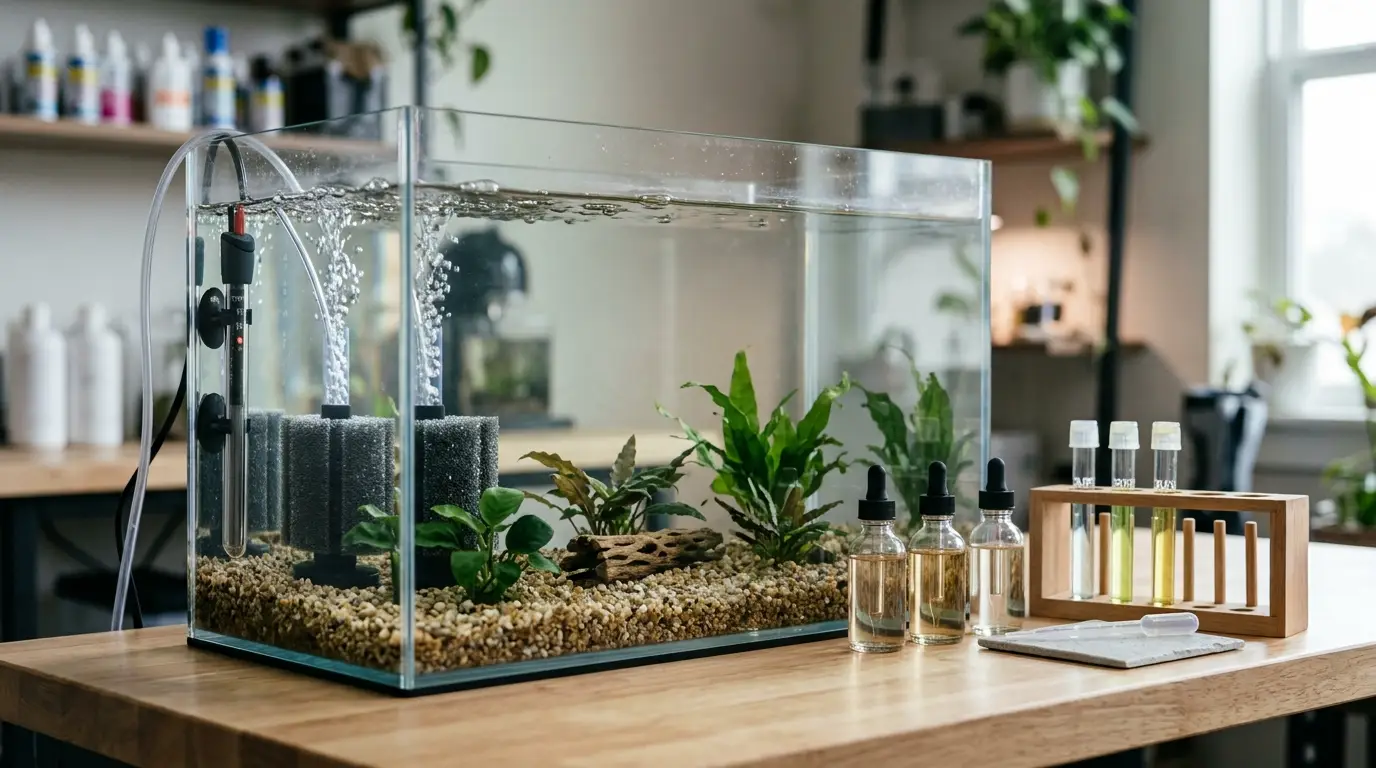
Fishless cycling with food or shrimp
- Drop a small pinch of fish food daily or a tiny shrimp piece.
- It decays into ammonia. It works but is harder to control and can get messy.
Seeded media or substrate
* Move sponge, ceramic rings, or a handful of gravel from an established, healthy tank.
- Place it in your new filter. Feed with a bit of ammonia.
- This often cuts the time by half or more.
Bottled bacteria
- Use a trusted nitrifying culture.
- Add as directed. Keep oxygen high and dose ammonia modestly.
- Do not overdose ammonia on day one. Let the bacteria attach to media.
Fish-in cycling (only if you must)
- Start with very hardy fish and very low stocking.
- Test daily. Keep ammonia and nitrite under 0.25 ppm with water changes.
- This method is stressful for fish. Fishless is much kinder.
How Long Does It Take to Cycle a New Aquarium with each method varies, but steady testing and control of ammonia always speed things up.
Step-by-Step Plan: Week-by-Week Guide
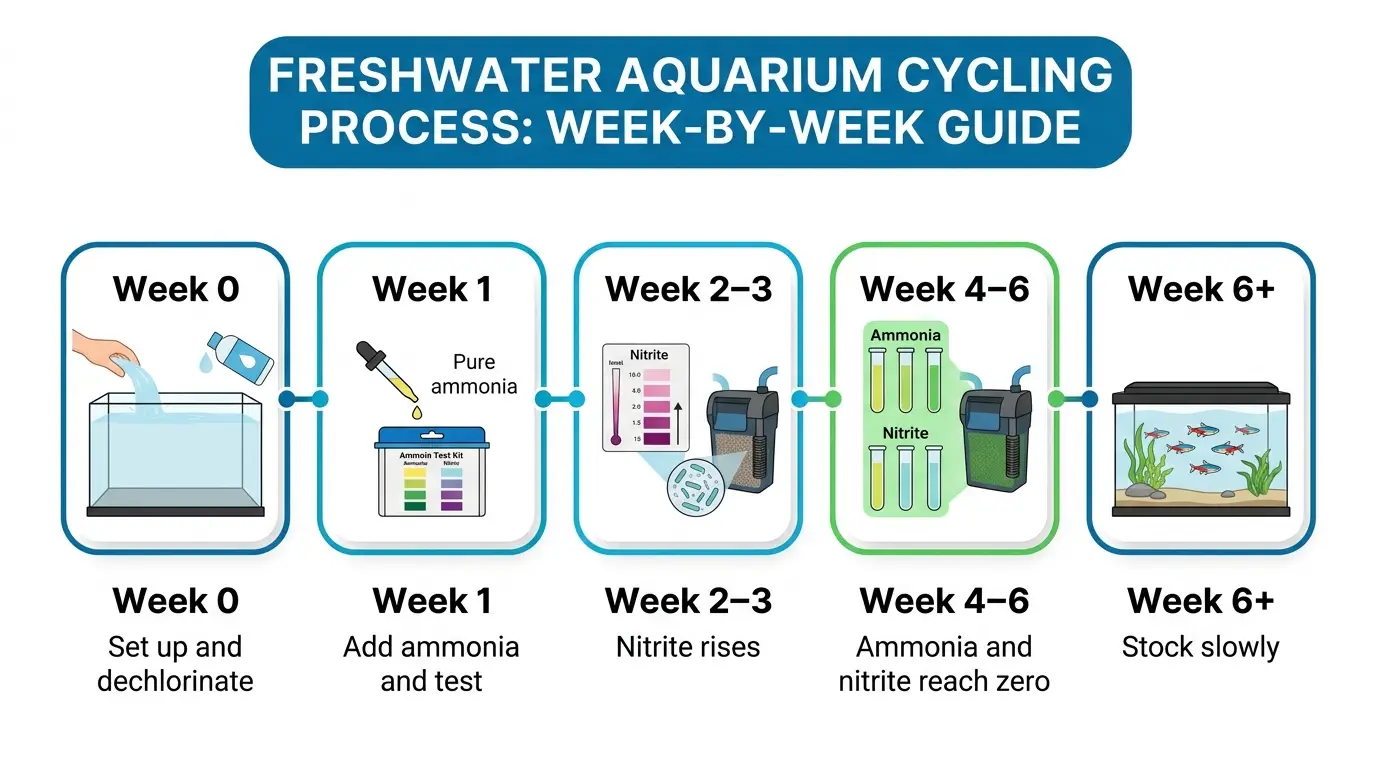
Week 0: Set up and prep
- Rinse substrate and decor. Install filter and heater.
- Fill with dechlorinated water. Aim for 77–82°F.
- Add seeded media or bottled bacteria if you have them.
Week 1: Start feeding the biofilter
- Dose pure ammonia to 2 ppm, or add a small pinch of food.
- Test ammonia and nitrite daily.
- Keep strong surface ripple for oxygen.
Week 2–3: The nitrite wave
- Ammonia starts to drop. Nitrite rises.
- Keep dosing to 1–2 ppm ammonia only after it reaches near zero.
- Consider a small water change if nitrite tops out and stalls.
Week 4–6: Maturing to finish
- Ammonia and nitrite start hitting zero within 24 hours after dosing.
- Nitrate climbs. Do a big water change, 50–80%, to bring nitrate down.
- When 2 ppm clears to zero ammonia and nitrite in a day, you are cycled.
Week 6+: Dial in and stock slow
- Add your first small group of fish.
- Feed light. Test every 1–2 days at first.
- Increase stock in steps over 2–4 weeks.
This plan nails How Long Does It Take to Cycle a New Aquarium for most home tanks.
Testing, Targets, and When You Are Done
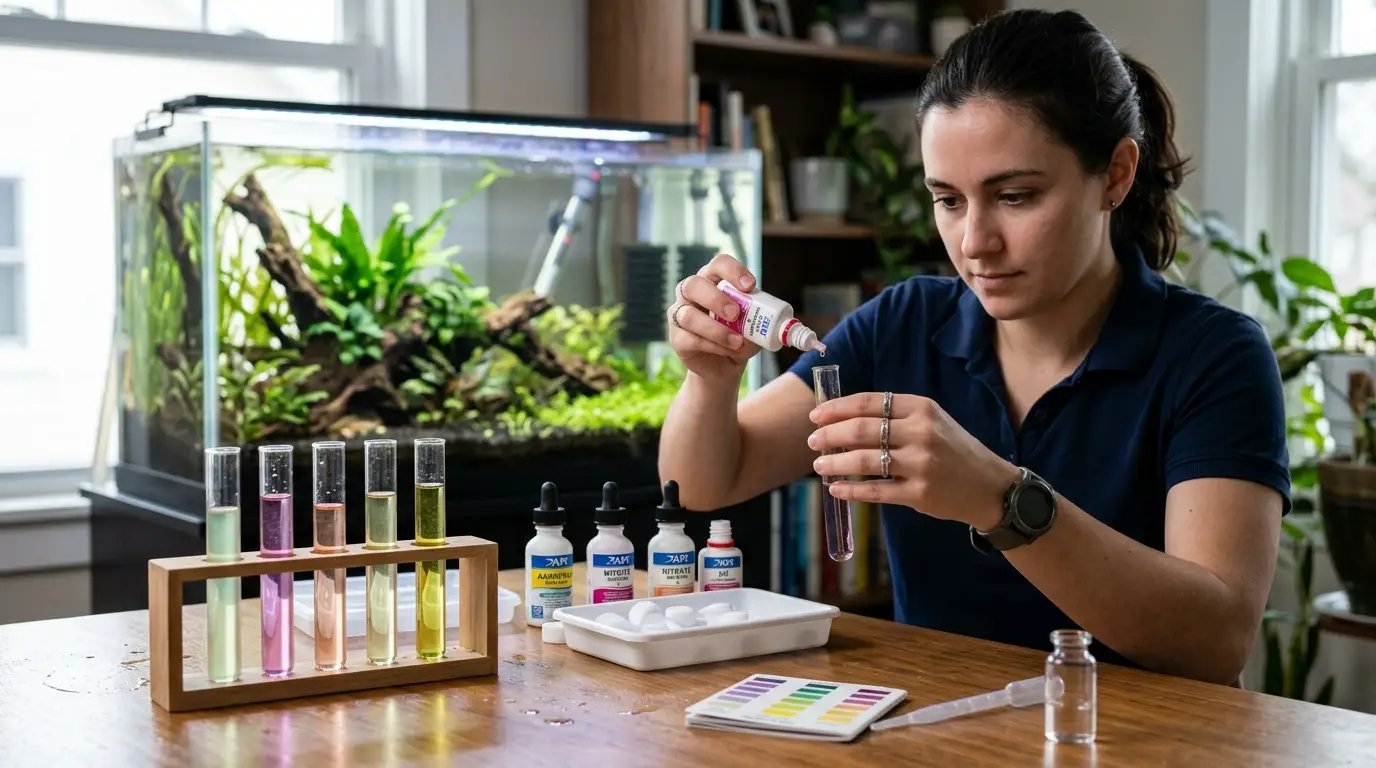
You need a liquid test kit for ammonia, nitrite, nitrate, and pH. Strips can work for quick checks, but liquids are clearer.
Your end targets for a finished cycle:
- Ammonia: 0 ppm
- Nitrite: 0 ppm
- Nitrate: Rising above baseline
- Stress test: The filter can process 2 ppm ammonia to nitrate in 24 hours
If you pass the stress test, you are safe to add your first fish. Do a big water change to cut nitrate before stocking.
If you ask How Long Does It Take to Cycle a New Aquarium by the numbers, the answer is “until your tests hit those targets, not a date on the calendar.”
How to Speed Up the Cycle Safely
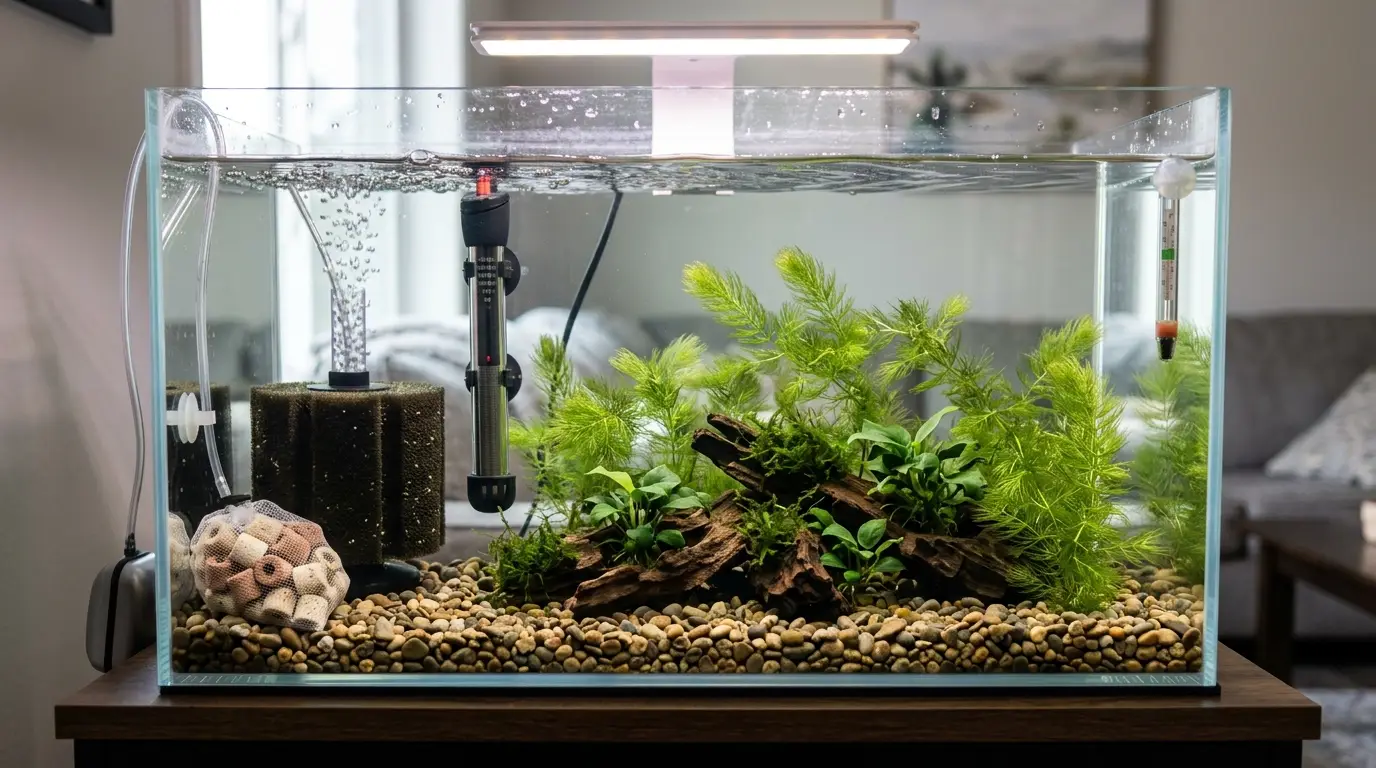
You can shave off days without risk.
- Seed your filter. Even a small piece of mature sponge helps a lot.
- Keep the tank warm. 77–82°F speeds growth for most nitrifiers.
- Boost oxygen. Use an air stone or raise the filter output to ripple the surface.
- Do not overdo ammonia. Stay near 1–2 ppm. Big spikes slow bacteria.
- Hold pH steady. Use a buffer if KH is low and pH tends to crash.
- Treat all new water. Chlorine and chloramine wipe out progress fast.
- Feed plants. Fast growers like hornwort and pothos help soak up nitrogen.
Follow these and you will reduce How Long Does It Take to Cycle a New Aquarium in a safe, proven way.
Common Mistakes and How to Fix Them
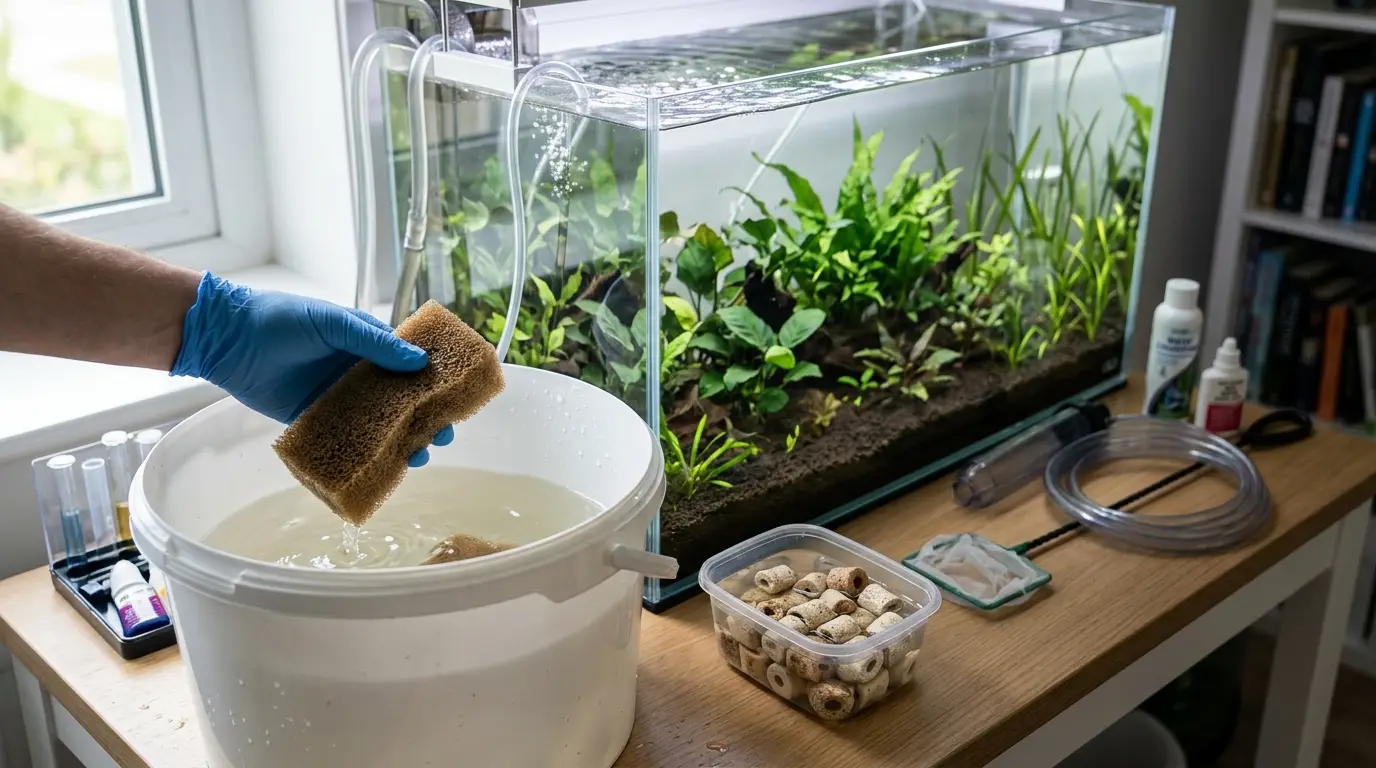
Here are traps I see often, plus quick fixes.
- Washing filter media in tap water. The chlorine kills your colony. Rinse in tank water instead.
- Overdosing ammonia. Levels above 4–5 ppm can stall the cycle. Do a big water change and stay near 2 ppm.
- Low pH stall. pH under 6.6 slows bacteria. Raise KH with crushed coral or a safe buffer.
- Replacing all filter media at once. You lose the biofilter. Change media in stages.
- Dirty decaying food. It clouds the tank and adds organics. Use pure ammonia or feed very small amounts.
- No dechlorinator with chloramine tap water. Ammonia gets released. Treat every time.
- Adding fish too soon. Wait until the 24-hour stress test is passed.
Avoid these errors and you will shorten How Long Does It Take to Cycle a New Aquarium without drama.
Personal Experience: What Works in Real Tanks
A 20‑gallon community I set up with bottled bacteria and pure ammonia finished in 28 days. Tests hit zero for ammonia and nitrite in under 24 hours after a 2 ppm dose. Stocking slow kept it stable.
A 55‑gallon with a seeded sponge from a trusted tank cycled in 10 days. The key was warm water, high air, and modest ammonia.
A planted nano took 6 weeks. The KH was low and pH slid. Once I added a bit of crushed coral, nitrite fell, and the cycle closed in days.
From these tanks, my two biggest tips are simple. Seed if you can, and test every day. That alone cuts How Long Does It Take to Cycle a New Aquarium by weeks in many cases.
Stocking After the Cycle: First 30 Days
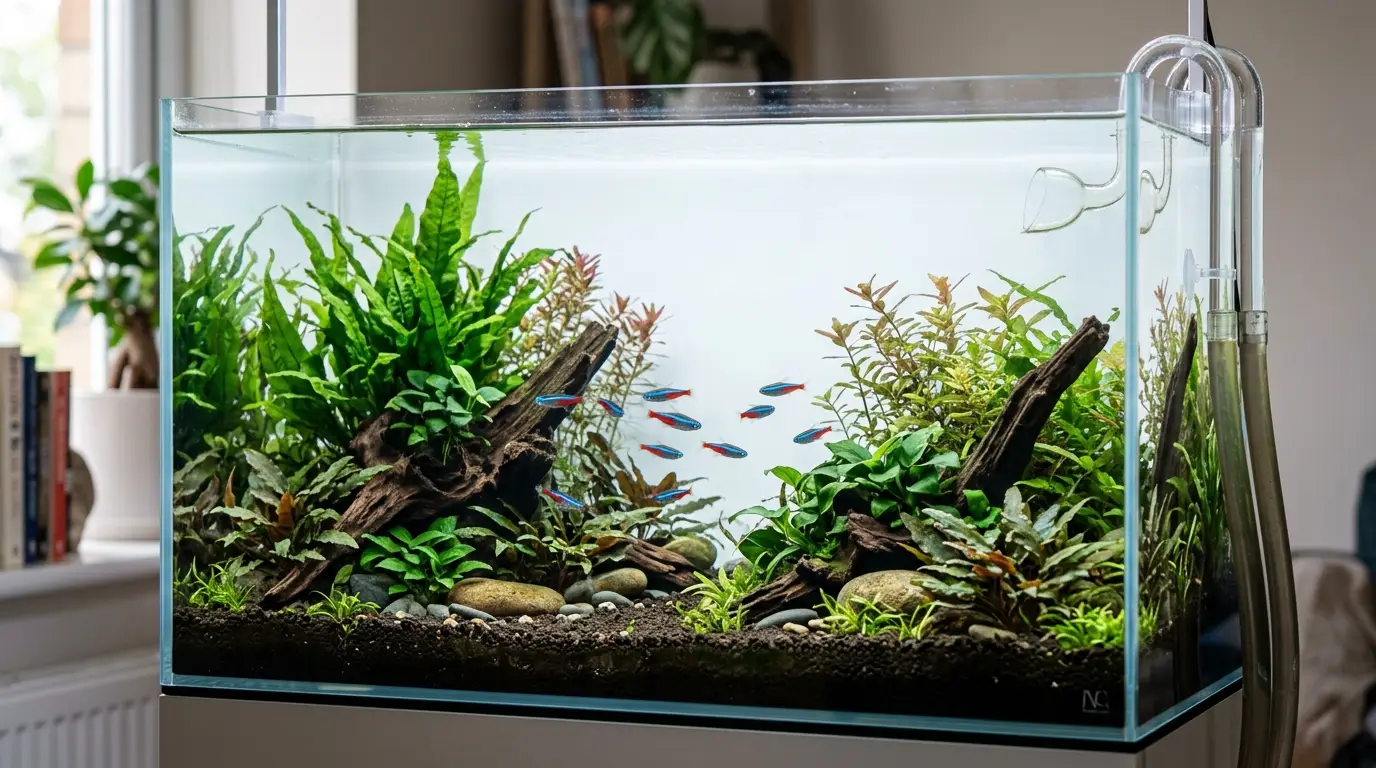
Your filter is young. Treat it with care.
- Add fish in small groups. Aim for 20–30% of your final stock per week.
- Feed light. Keep waste low while bacteria adjust.
- Test every other day at first. Do a water change if ammonia or nitrite shows.
- Clean the filter only if flow drops. Swish media in tank water, not tap.
- Keep plants trimmed and healthy. They help buffer small spikes.
This slow ramp protects your fish and prevents a crash. It also locks in the gains you made during How Long Does It Take to Cycle a New Aquarium.
Frequently Asked Questions of How Long Does It Take to Cycle a New Aquarium
Can I cycle a tank in one week?
You can if you use mature seeded media, strong oxygen, and steady ammonia. Many tanks still need 10–14 days even with seeding.
Do live plants speed up the cycle?
Yes, fast growers absorb ammonia and nitrate. They do not replace the biofilter, but they reduce spikes and add stability.
Is fish-in cycling safe?
It can be done with low stocking, daily tests, and water changes. Fishless cycling is still kinder and more reliable.
What temperature is best during cycling?
Aim for 77–82°F for most freshwater tanks. Warmer water speeds bacteria but keep oxygen high.
How do I know the cycle is complete?
Ammonia and nitrite read zero, nitrate rises, and 2 ppm of dosed ammonia is processed in 24 hours. Do a big water change, then add fish slowly.
Will a pH crash stop my cycle?
Yes, low pH slows or stalls nitrifiers. Boost KH and do a partial water change to restore pH.
Do I need to keep adding ammonia after stocking?
No. Once fish are in, their waste feeds the filter. Only dose ammonia during fishless cycling.
Conclusion
Cycling builds the biofilter that keeps your fish safe. Most tanks finish in 4–6 weeks, sooner with seeding and good care. Test daily, feed a steady 1–2 ppm ammonia during fishless cycles, keep water warm and well oxygenated, and avoid big chemistry swings. That is the simple path to a stable tank.
If you follow these steps, you will cut How Long Does It Take to Cycle a New Aquarium and start your fish right. Ready to set up smarter? Bookmark this guide, share it with a fish‑keeping friend, and leave a comment with your tank size and timeline so we can fine-tune your plan together.