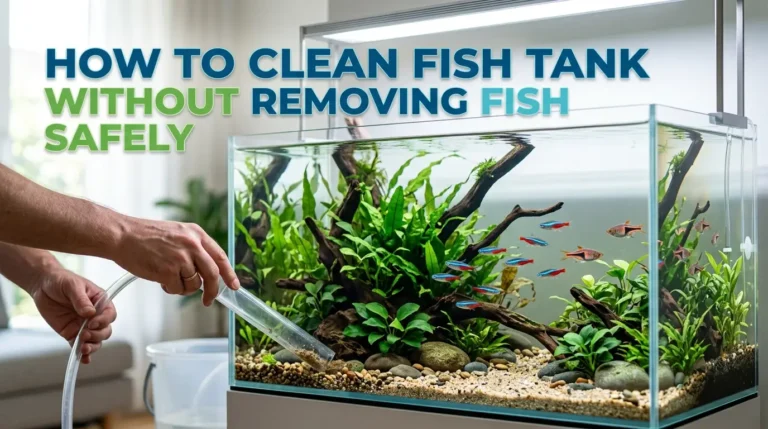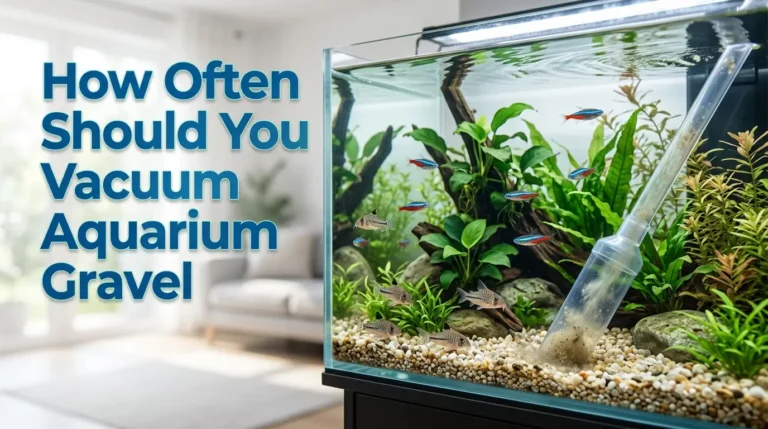

Rinse, stir, and siphon sand gently; clean in sections during water changes.
If you keep a sand substrate, you already know it looks amazing but can trap waste fast. In this guide, I’ll show you how to clean aquarium sand the safe, simple way I use on my own tanks. You’ll learn proven steps, pro tools, mistakes to avoid, and smart routines that protect your fish, plants, and beneficial bacteria while keeping your sand sparkling.
Why clean aquarium sand?
Sand holds detritus near the surface. That is good for quick cleanup, but it builds up. Waste breaks down into ammonia and then nitrate. Left alone, it can fuel algae and stress fish.
Sand can also compact. Trapped pockets may go anoxic and form gas. In rare cases, you may smell rotten eggs, which signals hydrogen sulfide. Gentle, regular care prevents this.
Clean sand also looks brighter. It stops cloudy water and keeps your glass clean for longer. If you want a healthy, stable tank, learning how to clean aquarium sand is time well spent.
Tools and supplies you actually need
You do not need fancy gear. A few simple tools make the job easy.
- Siphon or gravel vacuum with a wide mouth. Helps lift debris off sand without sucking up the substrate.
- Bucket marked for aquarium use only. Keeps soaps and residues out.
- Turkey baster or pipette. Blows debris off leaves and out of corners.
- Algae scraper or soft sponge. Cleans glass before you siphon.
- Fine mesh or pantyhose. Catches sand if it enters the siphon.
- Dechlorinator. Protects bacteria and fish when you refill.
- Optional: airline tubing for nano tanks. Gives slow, precise control over flow.
These tools help you master how to clean aquarium sand in any tank size.
Step-by-step: how to clean aquarium sand during water changes
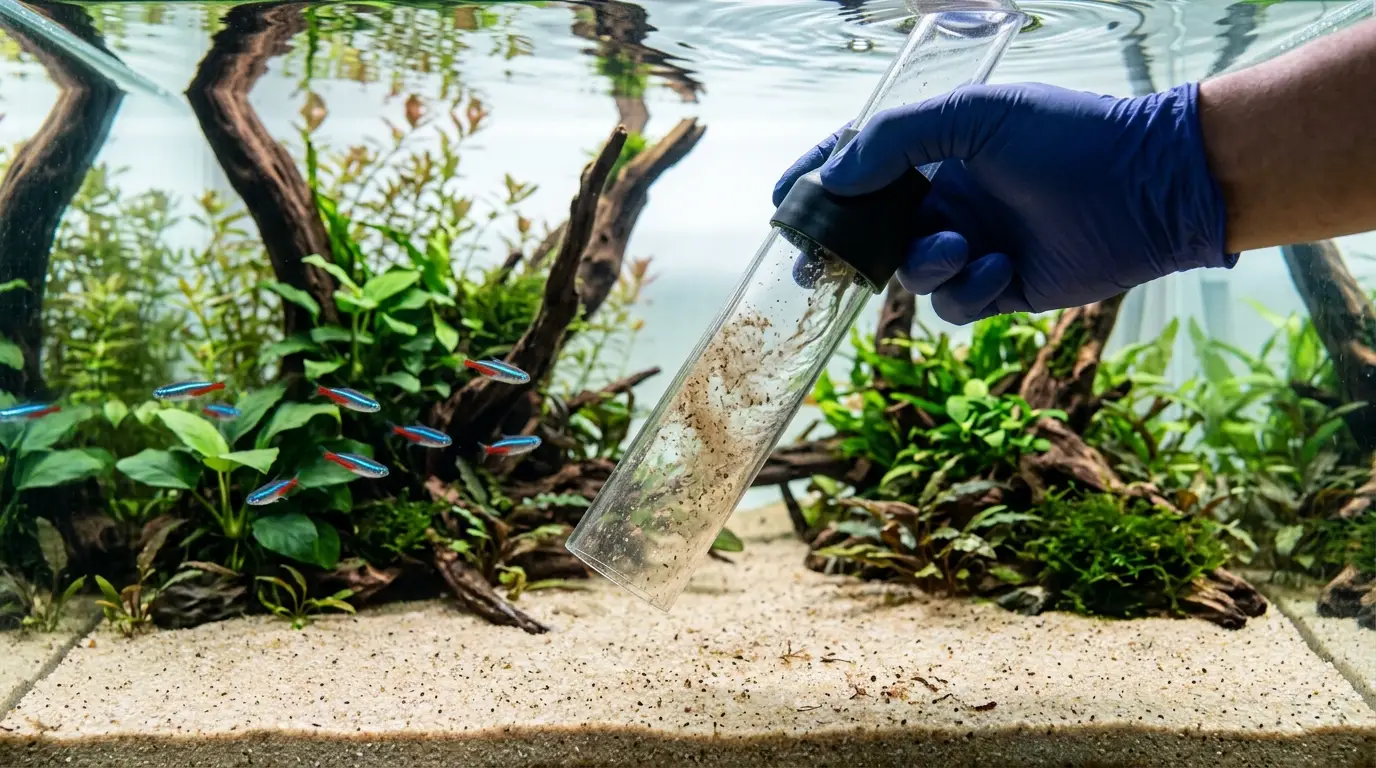
This is my weekly method. It is gentle and fast. It protects your cycle and your pets.
- Unplug gear. Turn off heaters and filters to avoid running dry.
- Clean glass first. Loosen algae so you can remove it with the next step.
- Stir the sand lightly. Use your fingers, a chopstick, or a card edge. Work in small zones.
- Hover siphon over sand. Keep the vacuum 1–2 inches above. Let debris lift and flow out.
- Pulse the siphon. Lift and lower the mouth to swirl waste. Avoid deep digging in planted areas.
- Use the turkey baster. Blow mulm from decor, corners, and leaf bases into the water column.
- Move section by section. Clean only one third to one half of the substrate per week.
- Replace water. Match temperature. Add dechlorinator for the full tank volume.
- Restart gear. Prime the filter if needed. Check flow and heater lights.

If you are new to how to clean aquarium sand, start slow. You will learn how your sand moves and how to control the siphon angle. The goal is to lift waste, not the sand bed itself.
Deep cleaning and resetting old sand
Sometimes sand is stained, compacted, or full of debris. A deeper clean helps.
- Pre-siphon the tank. Remove as much mulm as you can first.
- Scoop sand into a clean bucket. Use a cup to avoid scratches on glass.
- Rinse in tap water outdoors. Swirl hard until water runs almost clear.
- Final rinse in dechlorinated water. This protects bacteria when returning sand.
- Re-cap in the tank. Lay sand in a thin, even layer. Most tanks do best at 1–2 inches.
- Refill slowly over a plate or bag. This stops craters and clouds.
Do not replace all sand and all filter media at the same time. Stagger big changes to protect the biofilter. That is a key part of how to clean aquarium sand without crashing your cycle.
Special cases and pro tips
Plants and root zones
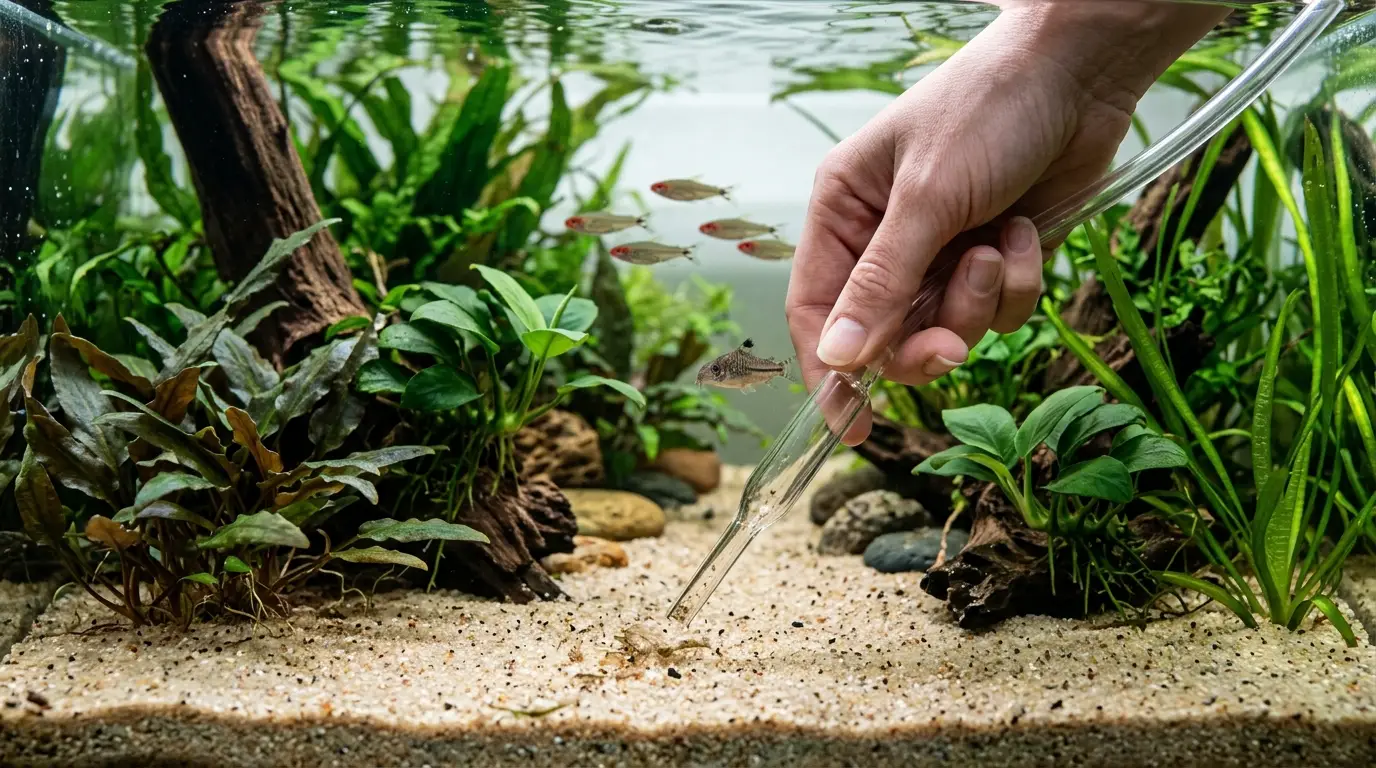
- Avoid deep vacuuming rooted areas. Skim the surface only.
- Cap nutrient soil with sand. Clean the sand cap lightly to prevent mixing.
- Add root tabs if growth slows after a deep clean.
Shrimp and nano fish
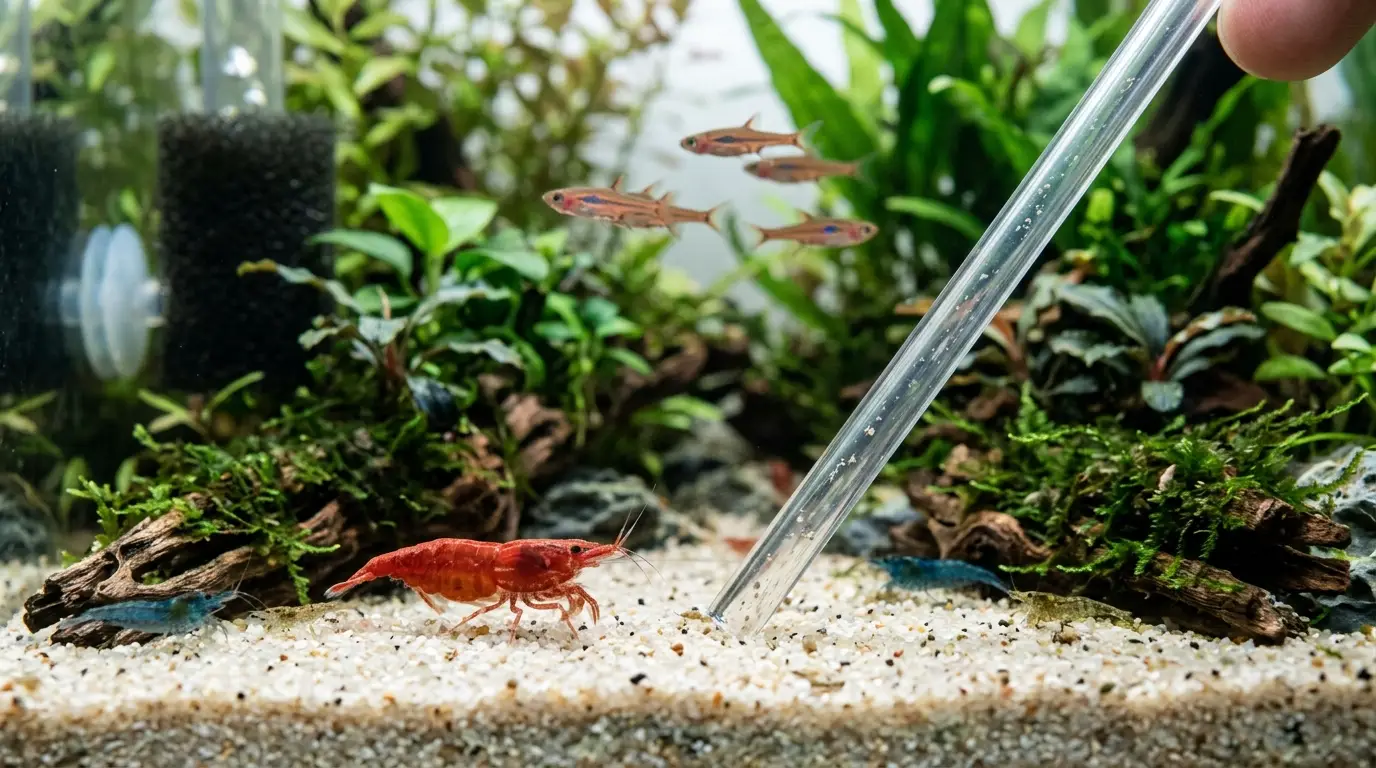
- Use airline tubing to siphon. It is gentle and precise.
- Place a pre-filter sponge on intakes. Stops shrimplets from getting pulled in.
Saltwater and aragonite sand
- Stir small sections each week. This prevents compaction and detritus beds.
- Use sand-sifting snails or a sleeper goby. They help keep the top layer turned.
Messy eaters and cichlids
- Target feed and remove leftovers. Less waste means less cleaning.
- Place a small feeding tile. Siphon the area after meals.
Helpful clean-up crew
- Malaysian trumpet snails keep sand turned at night.
- Corydoras and kuhli loaches move the surface layer. Do not rely on them alone.
These tweaks make how to clean aquarium sand fit your specific setup.
Common mistakes to avoid
- Over-cleaning the whole bed at once. This can shock bacteria and fish.
- Digging too deep every week. You can release gas and make big clouds.
- Skipping dechlorinator. Chlorine and chloramine harm your biofilter fast.
- Replacing filter media and deep cleaning sand on the same day. That is risky.
- Using soap on tools. Residues can harm fish and inverts.
I learned the hard way that slow and steady wins. Gentle, regular passes beat rare heavy resets.
Maintenance schedule and signs your sand needs attention
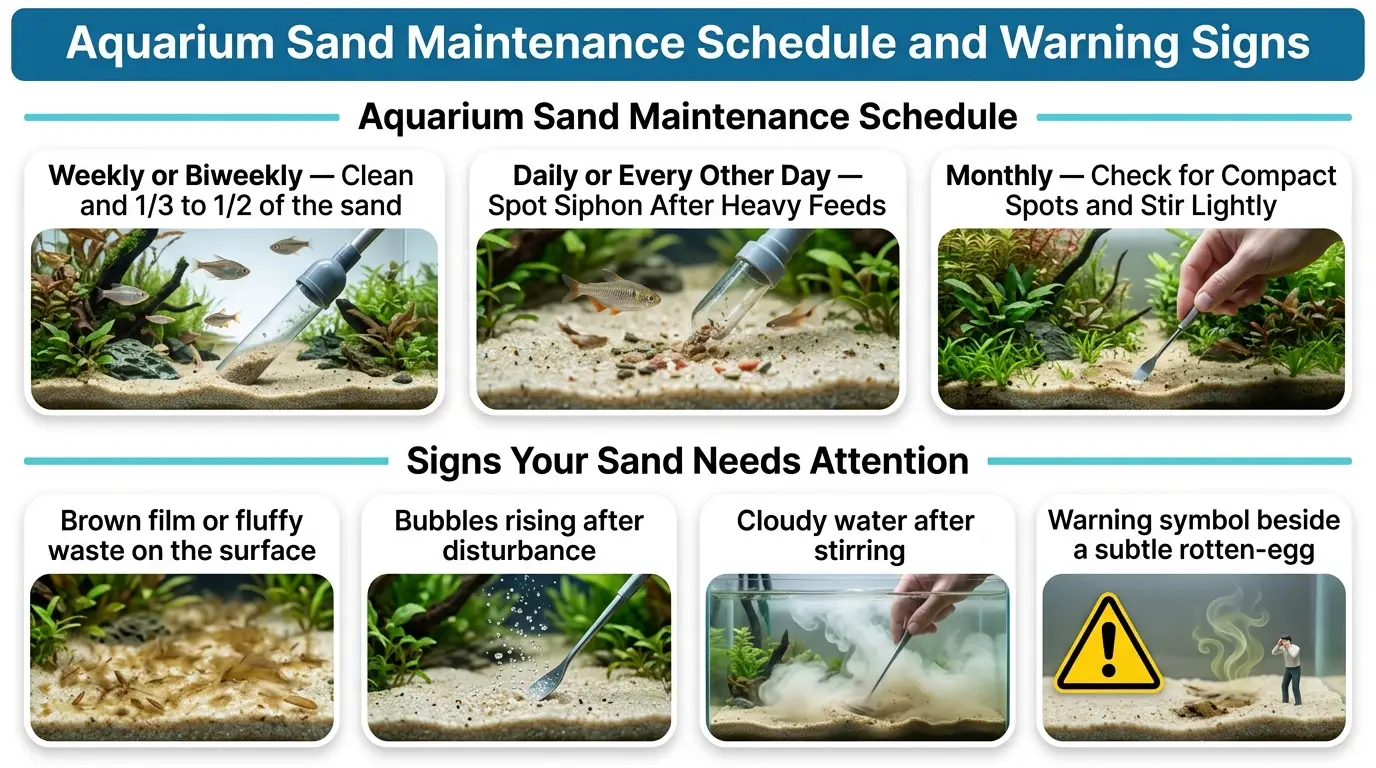
- Weekly or biweekly. Clean one third to one half of the sand during water changes.
- Daily or every other day. Spot siphon after heavy feeds or messy spawns.
- Monthly. Check for compact spots and stir lightly.
Watch for these signs:
- Brown film or fluffy waste on the surface.
- Bubbles rising when you stir the sand.
- Cloudy water after small disturbances.
- A faint rotten egg smell near the substrate.
If you see these, it is time to apply how to clean aquarium sand soon.
Troubleshooting: cloudy water, gas pockets, and algae
Cloudy water after cleaning
- Pause and add fine mechanical media or filter floss.
- Dose a water conditioner that binds particles if needed.
- Next time, stir smaller zones and lift the siphon higher.
Gas pockets or rotten egg smell
- Gently poke the area with a stick during a water change.
- Increase light, even flow, and add sand-stirrers like snails.
- Keep sand depth at 1–2 inches for most tanks.
Algae on sand
- Reduce excess light and fix nutrients.
- Improve flow along the bottom.
- Spot siphon algae mats and add a small clean-up crew.
Follow these fixes and repeat how to clean aquarium sand in sections until stable.
Frequently Asked Questions of how to clean aquarium sand
How often should I clean sand in a freshwater tank?
Most tanks do well with light sand cleaning every 1–2 weeks. Clean in sections to avoid disrupting bacteria.
Can I use a gravel vacuum on sand?
Yes, but hover it slightly above the surface. Let the suction lift debris without pulling sand into the hose.
How deep should aquarium sand be to stay clean?
Keep sand 1–2 inches deep for most setups. Deeper beds need careful stirring and more experience.
Will stirring sand release toxins?
Stirring can release trapped gases if the sand is compacted. Clean small areas during a water change so any gas and debris are removed at once.
What is the best sand for easy cleaning?
Pool filter sand and fine silica sands are easy to maintain. For saltwater, aragonite is common and simple to stir and siphon.
Can I clean sand without removing fish?
Yes. Clean during regular water changes. Work in calm, small sections and keep the siphon above the sand.
Do snails and fish replace cleaning the sand?
They help, but they do not remove waste from the system. You still need to siphon debris and change water.
Conclusion
Clean sand keeps your tank healthy, stable, and beautiful. Start small, work in sections, and protect your bacteria. With the steps in this guide, you know how to clean aquarium sand the smart way, without stress for you or your fish. Try the method on your next water change and enjoy a brighter, fresher tank. If this helped, share it, subscribe for more tips, or drop your questions in the comments.